
When it comes to safety, having the right first aid kit can make all the difference. But how do you know if your kit is truly prepared for emergencies?
That’s where the ANSI standard for first aid kits comes in. Understanding this standard helps you ensure your kit contains the essential supplies needed to handle injuries quickly and effectively. If you want to protect yourself, your family, or your workplace with confidence, keep reading.
This guide will show you what the ANSI standard means and how to choose the best first aid kit for your needs.
Importance Of First Aid Kits
First aid kits are more than just boxes filled with bandages and ointments. They are critical tools that can make a real difference when accidents happen. Having a properly stocked and ANSI-standardized first aid kit ensures you’re ready to act quickly and effectively, which can save lives and reduce the severity of injuries.
Role In Workplace Safety
Your workplace is full of potential hazards, from sharp tools to slippery floors. A first aid kit that meets ANSI standards guarantees that you have the right supplies to handle common injuries like cuts, burns, or sprains immediately.
Think about the last time you saw a minor injury at work. Was the first aid kit accessible and stocked? If not, how could that have impacted the injured person’s recovery or comfort? Having the correct first aid kit helps maintain safety standards and shows you care about the well-being of your team.
Emergency Preparedness
Emergencies don’t announce themselves. They happen suddenly, and your response time is crucial. ANSI-standard first aid kits ensure you have essential items that are easy to find and use when every second counts.
Consider the peace of mind that comes with knowing you’re prepared. Whether at home, in your car, or out in the field, a well-equipped first aid kit tailored to ANSI guidelines means you can handle emergencies confidently and effectively.

Credit: www.safetycompany.com
Ansi Standards Overview
The ANSI Standards Overview provides a clear guide for first aid kit requirements. These standards set the rules for what a first aid kit must contain. They help ensure safety in workplaces and public places. By following ANSI standards, first aid kits become reliable during emergencies.
History And Development
ANSI, the American National Standards Institute, started setting safety standards in the early 20th century. The need for uniform first aid kits grew as industries expanded. Injuries at work made it important to have proper medical supplies. ANSI collaborated with experts to create clear guidelines. Over time, these standards evolved to meet new safety needs. Today, ANSI standards are widely accepted across the U.S.
Key Objectives
ANSI standards aim to ensure first aid kits are complete and effective. They focus on providing the right tools for common injuries. The standards specify the minimum items required for different environments. They promote easy access and quick use during emergencies. Another goal is to maintain kit quality with regular inspections. This helps save lives and reduce injury severity.
Types Of First Aid Kits
First aid kits come in different types based on their use and content. The ANSI standard defines these types to ensure safety in various environments. Knowing the types helps choose the right kit for specific needs. Two common categories are Class A and Class B kits. Each serves a different purpose and contains distinct supplies.
Class A Kits
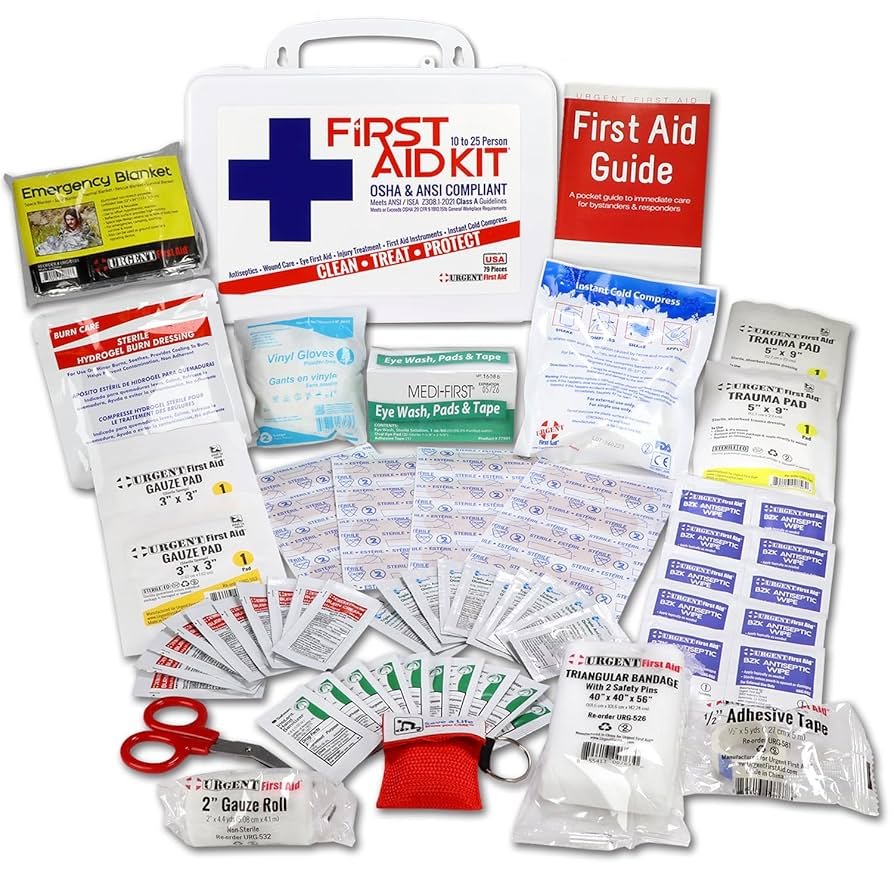
Class A kits are designed for basic workplace settings. They cover injuries that are minor and common. These kits include essential items to treat small cuts, burns, and scrapes. Typical contents include:
- Adhesive bandages
- Antiseptic wipes
- Gauze pads
- Adhesive tape
- Scissors and tweezers
- Burn dressings
These kits suit offices, schools, and low-risk environments. They help handle everyday injuries quickly and efficiently.
Class B Kits
Class B kits are for environments with higher injury risks. They contain more supplies than Class A kits. These are used in places like factories and construction sites. Class B kits include items for serious wounds and burns. Common contents are:
- Larger gauze rolls and dressings
- Elastic bandages
- Eye wash and eye pads
- Cold packs
- Triangular bandages
- CPR masks
These kits prepare workers to handle more severe emergencies. They support quick response to reduce injury impact.
Contents Of Ansi Compliant Kits
The contents of ANSI compliant first aid kits are carefully selected to meet safety standards and ensure readiness for a variety of emergencies. These kits go beyond basic bandages and include items designed to handle common workplace injuries effectively. Understanding what these kits contain helps you choose the right one for your environment and feel confident in your ability to respond swiftly.
Basic Supplies
ANSI compliant kits come stocked with essential supplies that address minor cuts, scrapes, and burns. You’ll find adhesive bandages in multiple sizes, sterile gauze pads, and adhesive tape. These basics are crucial because they allow you to quickly stop bleeding and protect wounds from infection.
Other staples include antiseptic wipes and antibiotic ointment packets. I remember once cutting my hand while cooking; having antiseptic wipes on hand made all the difference in avoiding infection. These items keep the wound clean and promote healing.
Additionally, these kits often include scissors, tweezers, and disposable gloves. These tools help you handle injuries safely and hygienically. Gloves protect you and the injured person from contamination, which is a vital step often overlooked.
Specialized Equipment
ANSI compliant kits also feature specialized equipment tailored for more serious or specific injuries. You might find burn dressings designed to cool and protect damaged skin. These are critical in workplaces where heat or chemicals pose a risk.
Some kits include cold packs that activate without refrigeration, offering immediate relief for sprains or bruises. Having these on hand means you can reduce swelling right away, preventing further damage.
For more severe emergencies, items like triangular bandages are included for creating slings or securing splints. These tools can stabilize an injury until professional help arrives. Have you ever thought about how quickly stabilizing a broken limb could reduce pain and prevent further harm?
Knowing the exact contents of your ANSI compliant kit prepares you to act confidently. Check your kit regularly to ensure nothing is missing or expired. Your readiness can make a real difference in an emergency.
Placement And Accessibility
Proper placement and easy accessibility of first aid kits can make a real difference during an emergency. If your kit is hard to find or reach, valuable seconds can be lost. That’s why the ANSI standard emphasizes where and how these kits should be positioned.
Strategic Locations
Place first aid kits in areas where accidents are most likely to happen. High-traffic spots like kitchens, workshops, and near machinery are ideal. Don’t forget common gathering areas like break rooms or conference spaces.
Think about your own space. Is your first aid kit tucked away in a closet or hidden behind other items? If so, it might as well not be there. Visibility is key—kits should be in plain sight or clearly marked with signage.
Accessibility Features
Accessibility isn’t just about location; it’s also about how easy it is to open and use the kit. Choose kits with simple latches or quick-open designs so anyone can grab supplies fast, even under stress.
Consider the height and reach for all users, including children or those with disabilities. A kit placed too high or locked behind barriers defeats its purpose. Could you reach your first aid kit easily if you had an injury yourself?
Adding clear labels and instructions can help people use the kit correctly. Sometimes, the best first aid is knowing exactly what to do and where to find it.

Credit: www.shforestrysupplies.com
Maintenance And Inspections
Keeping your first aid kit up to ANSI standards means more than just buying the right supplies. Maintenance and inspections play a key role in making sure your kit is ready when you need it most. Regular care helps prevent expired or missing items from putting you at risk.
Regular Checks
Set a schedule for inspecting your first aid kit at least once a month. Look for anything that’s expired, damaged, or missing. Check packaging integrity and ensure everything is clean and dry.
During these checks, ask yourself: Would I feel confident using this kit in an emergency right now? If not, it’s time to update or replace the items. Don’t wait for an accident to discover your kit is incomplete.
Restocking Protocols
After each inspection, restock any used or outdated supplies immediately. Keep a checklist of essential items based on the ANSI standard to make this process faster and more accurate.
- Bandages and gauze pads
- Antiseptic wipes and ointments
- Adhesive tape
- Scissors and tweezers
- Disposable gloves
Consider designating a responsible person for restocking to avoid delays. Have backup supplies on hand so you can quickly refill the kit without scrambling for replacements.
Training And Usage
Understanding the ANSI Standard for First Aid Kits goes beyond just having the right supplies. Proper training and correct usage of these kits can make a significant difference during emergencies. It’s not enough to own a kit; you need to know how to use it effectively to provide real help when it matters most.
Proper Use Techniques
Knowing what each item in your first aid kit is for and how to use it can save precious time. For example, learning how to apply a pressure bandage properly can control bleeding faster than just wrapping a cloth around a wound. You should also practice safe handling of antiseptics and understand when to use cold packs versus warm compresses.
Have you ever tried to use a tourniquet without prior training? It’s easy to tighten it too much or too little, which can cause harm rather than help. Practicing these techniques regularly helps you stay confident and calm in an emergency.
Training Programs
Many organizations offer first aid training that meets ANSI standards, ensuring you learn the right skills. These programs often include hands-on sessions where you can practice bandaging, CPR, and other lifesaving techniques under expert guidance.
Look for training that updates you on the latest ANSI requirements and real-world scenarios. This kind of preparation ensures that you won’t just know what’s in the kit—you’ll know how to use it correctly when a situation arises.
Would you feel ready to help if someone suddenly needed first aid right now? Taking part in a certified training program is one of the best ways to guarantee your readiness and boost your confidence to act quickly.

Credit: www.ishn.com
Legal And Regulatory Compliance
Understanding the legal and regulatory compliance for ANSI standard first aid kits is crucial for every workplace. These rules ensure that your first aid supplies meet safety standards and are ready for emergencies. Ignoring them can lead to fines, legal trouble, or worse, inadequate care when someone needs help most.
Osha Requirements
The Occupational Safety and Health Administration (OSHA) sets clear rules about first aid kits in the workplace. Your kit must be easily accessible and stocked according to the hazards your employees might face. OSHA refers to ANSI standards as a guideline to ensure kits have the right supplies.
For example, if your worksite involves chemical handling, your first aid kit should include items specific to chemical burns. Regular checks and restocking are required to keep the kit compliant. Have you checked your kit’s contents against OSHA’s latest updates recently?
Industry-specific Guidelines
Different industries have unique risks, and ANSI standards reflect that by offering tailored first aid kit requirements. Construction, manufacturing, and healthcare sectors often have stricter mandates on the type and amount of supplies needed. This ensures that your kit is equipped to handle the most common injuries in your field.
For instance, a construction site might need more burn dressings and eye wash solutions than an office environment. Ignoring these specific guidelines can leave your team vulnerable and your business exposed to liability. Are you confident your first aid kit matches the demands of your industry?
Benefits Of Compliance
Complying with the ANSI Standard for First Aid Kits brings clear advantages that impact both safety and legal standing. Knowing your kit meets these guidelines means you’re prepared for emergencies and protected from potential risks. Let’s look at how this compliance benefits you and your environment.
Enhanced Safety
When your first aid kit follows ANSI standards, it contains the right supplies for common injuries. This ensures quick and effective treatment, which can prevent minor issues from becoming serious.
Imagine facing a workplace accident without the proper bandages or antiseptics. Without ANSI compliance, your kit might lack essential items, delaying care and increasing risk. With the right tools on hand, you act confidently and swiftly.
Are you confident that your current first aid kit can handle sudden injuries? Compliance means you don’t have to guess—it guarantees readiness.
Reduced Liability
Meeting ANSI standards can protect you legally if accidents occur. It shows you’ve taken responsible steps to provide proper first aid resources, which can reduce claims or penalties.
Employers, in particular, benefit by avoiding fines and lawsuits linked to inadequate safety measures. It’s not just about following rules; it’s about showing commitment to everyone’s well-being.
Think about the peace of mind you gain by knowing your first aid setup meets recognized criteria. Could ignoring these standards expose you to unnecessary risks?
Frequently Asked Questions
What Is The Ansi Standard For First Aid Kits?
The ANSI standard sets requirements for first aid kits’ contents and design. It ensures kits are effective for workplace safety. Compliance guarantees proper supplies for emergencies.
Why Is Ansi Certification Important For First Aid Kits?
ANSI certification ensures first aid kits meet quality and safety guidelines. Certified kits contain essential items to handle common injuries. This boosts workplace preparedness and legal compliance.
What Items Must Be Included In An Ansi First Aid Kit?
ANSI requires specific supplies like bandages, antiseptics, gloves, and burn treatments. The list varies by kit type and workplace hazards. Proper contents ensure readiness for various injuries.
How Often Should Ansi First Aid Kits Be Inspected?
ANSI recommends inspecting first aid kits monthly. Regular checks confirm supplies are stocked and not expired. This keeps kits reliable and ready for emergencies.
Conclusion
ANSI standards help keep first aid kits safe and reliable. They set clear rules for what items to include. This ensures kits are ready for emergencies. Everyone deserves quick help when accidents happen. Following these standards makes first aid kits more useful.
Choose kits that meet ANSI requirements to stay prepared. Safety is easier with the right tools on hand. Always check your first aid kit often. Being ready can make a big difference in emergencies.

I’m Abby Lu, a passionate home cook who loves simplifying everyday meals. At PlugChef.com, I share product reviews and cooking guides to help you find the best tools for your kitchen.
Related posts:
 What Type of Cooking Utensils are Safe: Expert Picks
 What Innovations Could Blenders Make: Unleashing Future Tech
 Smart Strategies to Organize a Small Kitchen: Maximize Space
 How to Organize a Kitchen Cabinet: Expert Tips & Tricks
 How to Organize Kitchen Drawers: Expert Tips and Tricks
 How to Organize a Corner Kitchen Cupboard: Expert Tips

