
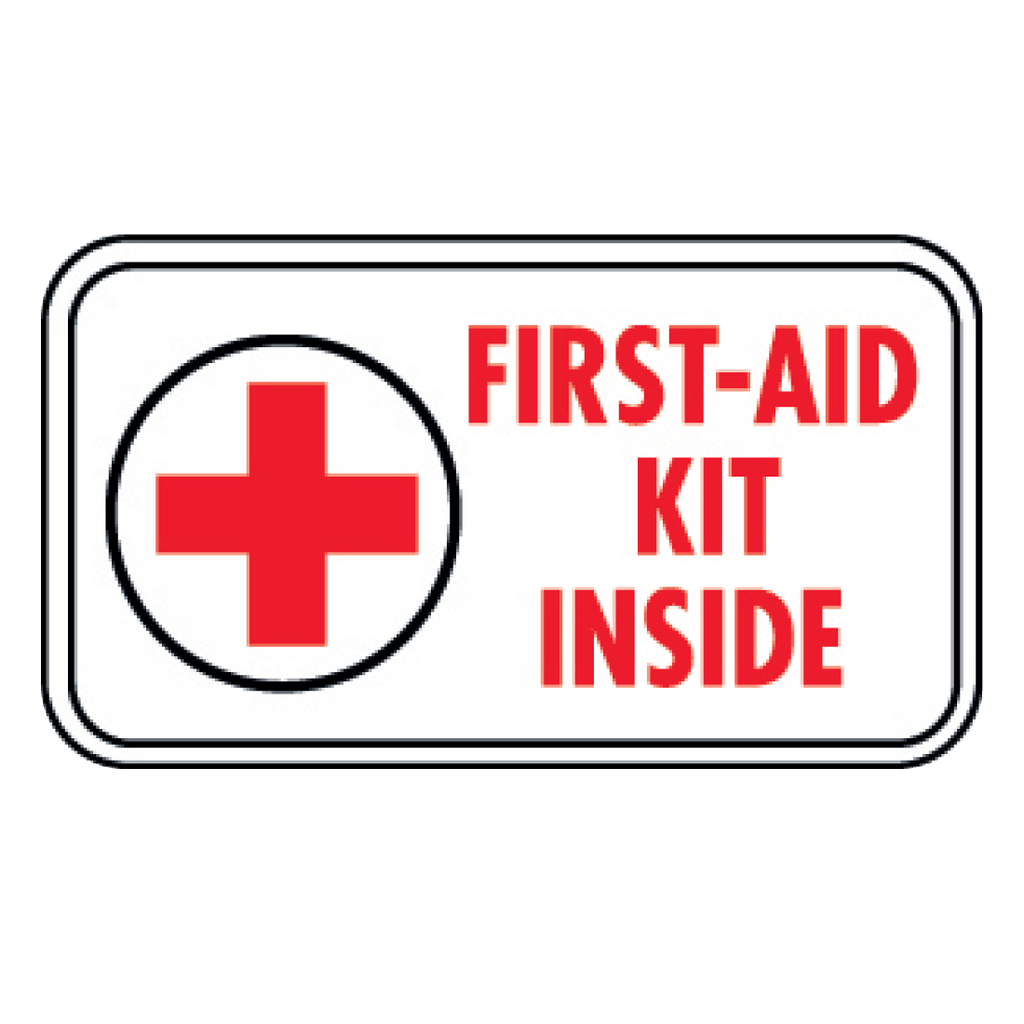
Imagine this: an emergency happens, and you need quick access to your first aid kit. But where is it?
A clear, visible First Aid Kit Inside Sign can make all the difference. It guides you straight to help when every second counts. You’ll discover why having the right sign matters, how it can keep you and others safe, and simple tips to choose the best one for your space.
Keep reading—your safety could depend on it.
Importance Of First Aid Kits
First aid kits save lives in emergencies. They provide quick care for injuries and sudden health issues. Having a first aid kit nearby helps reduce the severity of accidents. It also supports faster recovery by managing wounds and other problems immediately.
Clear signs showing the location of first aid kits make a big difference. They help people find help fast during critical moments. This is why first aid kits and their signs are essential in homes, offices, and public places.
Immediate Response To Injuries
First aid kits contain tools to stop bleeding and clean wounds. They help prevent infections and ease pain. Quick action can reduce the risk of serious health problems.
Safety In Workplaces And Public Spaces
Workplaces face many risks like cuts, burns, and falls. First aid kits improve safety by providing necessary supplies. Signs ensure everyone knows where to find the kit fast.
Preparedness For Unexpected Situations
Accidents happen without warning. A first aid kit prepares people to handle emergencies calmly. It gives confidence to act correctly before medical help arrives.
Supporting Health And Well-being
First aid kits support ongoing health by managing minor injuries. They keep small problems from becoming severe. Easy access to first aid encourages a safer environment for all.
Key Components Of A First Aid Kit
A well-stocked first aid kit is crucial for quick response in emergencies. Knowing its key components helps ensure you are prepared. Each item serves a specific purpose to treat injuries and prevent infection. Keeping these essentials organized inside a clear, marked container helps find them fast.
Basic Wound Care Supplies
These items help clean, cover, and protect wounds to stop bleeding and avoid infection.
- Adhesive bandages in various sizes
- Sterile gauze pads and dressings
- Antiseptic wipes or solution
- Medical tape
- Scissors and tweezers
Medications And Ointments
Medications relieve pain and prevent infection for minor injuries or illnesses.
- Pain relievers like acetaminophen or ibuprofen
- Antibiotic ointment
- Hydrocortisone cream for itching
- Antihistamine tablets for allergic reactions
Tools And Safety Items
Tools assist in treatment and keep both the injured and helper safe.
- Disposable gloves to prevent contamination
- CPR face shield or mask
- Thermometer
- Instant cold packs
- Emergency blanket
Proper Placement Of First Aid Kits
Proper placement of first aid kits is vital for quick access during emergencies. A well-placed first aid kit can save time and lives. It helps everyone find medical supplies without confusion or delay.
Choosing the right location ensures the kit is visible and easy to reach. It should be in a spot known by all employees or family members. The placement must consider the type of environment and common injury risks.
Visible And Easily Accessible Locations
Place the first aid kit where it is easy to see. Use a clear “First Aid Kit Inside” sign above or near the kit. Avoid hiding it in cabinets or closets. High-traffic areas like hallways or near workstations work well.
Near High-risk Areas
Locate the kit close to places with more injury risks. For example, kitchens, workshops, or sports areas. This placement reduces response time in accidents. Make sure the area around the kit is free of obstacles.
Height And Accessibility For All
Install the kit at a height suitable for everyone. Avoid placing it too high or too low. Everyone should reach it easily, including children or people with disabilities. Consider using wall mounts or shelves at waist or chest level.
Clear Signage And Instructions
Use clear signs to mark the first aid kit’s location. Signs should be readable from a distance. Include simple instructions on how to use the kit. This helps people stay calm and act fast during emergencies.

Credit: www.amazon.com
Understanding The First Aid Kit Inside Sign
Understanding the First Aid Kit Inside sign is essential for safety in any environment. This sign quickly tells people where to find the first aid supplies during emergencies. Knowing how to recognize and use this sign can save crucial time when every second counts.
What The First Aid Kit Inside Sign Means
The First Aid Kit Inside sign indicates that a first aid kit is located within a particular area or room. It helps people identify where to get medical supplies without searching. This sign is commonly found on doors, walls, or cabinets to mark the kit’s exact spot.
Why Visibility Of The Sign Matters
Imagine an emergency where someone is hurt, and you waste precious moments looking for a first aid kit. A clearly visible First Aid Kit Inside sign cuts down that search time. You need to place the sign at eye level and in well-lit spots to ensure it stands out.
Design Features That Make The Sign Effective
- Bright colors like green and white to catch attention
- Simple, clear symbols such as a white cross
- Bold, easy-to-read text stating “First Aid Kit Inside”
These design elements help anyone, even those unfamiliar with the space, quickly identify the first aid kit location.
Where To Place The First Aid Kit Inside Sign
Strategic placement is key. Put the sign near entrances to rooms with first aid kits or on the cabinet doors themselves. Also, think about common paths people take during emergencies to ensure the sign is noticed right away.
How You Can Use This Sign To Improve Safety
Have you ever been unsure where to find a first aid kit in a new place? This sign solves that problem instantly. You can help others by checking if your workplace or home has these signs in the right spots. Taking a moment to verify this could mean faster aid when it matters most.
Standard Symbols And Labels
Standard symbols and labels on first aid kit inside signs play a vital role in emergencies. They help you quickly identify the location and contents of the kit without confusion. These symbols are designed to be universally understood, cutting through language barriers and stress.
Common First Aid Symbols
The most recognized symbol is the white cross on a green background. It instantly signals safety and medical assistance. You might have noticed this on doors or walls in workplaces, schools, and public areas.
Other symbols include:
- Red Cross:Often used in healthcare but less common on first aid kits due to trademark rules.
- Bandage Icon:Shows that the kit contains wound care supplies.
- Heart with a Pulse:Indicates availability of CPR tools or defibrillators nearby.
Importance Of Clear Labeling
Labels provide quick information about the kit’s contents. You want to avoid wasting precious seconds searching for the right item during an emergency. Clear labels help everyone, even those unfamiliar with medical terms.
Labels often include:
- List of items inside (e.g., bandages, antiseptic wipes, scissors)
- Instructions for use
- Expiry dates for medical supplies
Design Tips For Effective Signs
Signs must be easy to read from a distance. Use large fonts and high-contrast colors like white on green or black on yellow. Avoid cluttering the sign with too much text or too many icons.
Think about placement too. Is the sign visible in low light? Could it be blocked by furniture or equipment? Your goal is immediate recognition so anyone can find help fast.
Have You Noticed These Signs In Your Environment?
Take a moment to look around your home or workplace. Are the first aid signs clear and easy to spot? If not, could updating them improve safety for everyone?
Simple changes in symbols and labels can make a big difference when seconds count. What small step can you take today to make first aid signs more effective where you are?
Legal Requirements For First Aid Kits
Understanding the legal requirements for first aid kits is essential for every workplace and public space. Laws ensure that first aid kits are available, properly stocked, and clearly marked. This helps save lives during emergencies and minimizes health risks.
Rules vary by country, state, and industry, but some basics remain consistent. Employers must provide accessible first aid kits. These kits must contain approved supplies. The location of the first aid kit should be visible and easy to reach. Signs indicating where the kit is placed are often required by law.
Workplace Regulations For First Aid Kits
Most countries have workplace safety laws that require first aid kits. The size and contents depend on the number of employees. High-risk jobs often need larger kits with more supplies. Employers must regularly check and restock the kits.
First Aid Kit Signage Laws
Clear signage is a legal must in many regions. Signs must be visible and use standard symbols or colors. This helps people find the first aid kit quickly. Signs often include the words “First Aid Kit” and a cross symbol. Some laws specify sign size and placement.
Contents And Maintenance Requirements
Legal standards list essential items for first aid kits. These include bandages, antiseptics, gloves, and scissors. Some rules require a checklist inside the kit. Regular inspections confirm the kit is complete and not expired. Records of maintenance may need to be kept.
Training And Preparedness
Training and preparedness are key to making the most of a First Aid Kit Inside Sign. Simply having a sign or kit isn’t enough if you don’t know how to act quickly and correctly in an emergency. Learning first aid skills and practicing responses can save lives and reduce injuries.
Basic First Aid Training
Basic first aid training teaches you how to handle common injuries and emergencies, such as cuts, burns, choking, or sudden illness. You learn how to use the supplies inside the first aid kit effectively.
Think about the last time you faced a minor injury. Did you feel confident helping yourself or someone else? Training builds that confidence. It also clarifies what steps to take before professional help arrives.
You can find short courses at local community centers, workplaces, or online. These sessions often include hands-on practice, which helps you remember what to do. The more you practice, the faster and calmer you’ll be during real emergencies.
Emergency Response Drills
Practicing emergency drills with your team or family prepares everyone to respond quickly and calmly. Drills can simulate various situations like a fall, allergic reaction, or sudden illness. This practice helps you identify any gaps in your first aid knowledge or kit supplies.
During drills, pay attention to how easy it is to find the first aid kit using the sign. Does everyone know where it is? Can they open it and use the contents without hesitation? If not, it’s time to improve your signage or training.
Regular drills build muscle memory and reduce panic. When seconds count, your practiced actions make a difference. What emergency scenario worries you the most? Try running a drill for that situation and see how prepared you really are.
Regular Maintenance Of First Aid Kits
Keeping your first aid kit well-maintained is crucial to ensure it serves its purpose during emergencies. Regular checks help you spot expired items, replace missing supplies, and keep everything organized. Have you ever opened a first aid kit only to find bandages stuck together or ointments long past their use-by date? That’s exactly why maintenance matters.
Check Expiry Dates And Replace Used Items
Always inspect the expiry dates on medications, ointments, and sterile supplies. Expired products can lose effectiveness or even cause harm. After any use, replace the items immediately so the kit stays ready for the next emergency.
Keep The Kit Clean And Organized
A cluttered first aid kit can slow you down when seconds count. Arrange items neatly and label compartments clearly. Wipe down the inside of the container regularly to keep it hygienic and easy to access.
Restock After Every Use
It’s easy to forget to refill your kit after using supplies. Make it a habit to restock as soon as possible. Keep a checklist handy to track what you’ve used and what needs replacing.
Store The Kit In An Accessible Location
Where you keep your first aid kit matters. Store it in a place that everyone in your home or workplace can reach quickly. Make sure it is visible and marked clearly with a First Aid Kit Inside Signto avoid any delay in finding it.
Test And Update Emergency Information
Along with physical supplies, update emergency contact numbers and instructions regularly. Include any changes in medical information for household members. This ensures anyone helping can act fast and accurately.
Common Mistakes To Avoid
Understanding common mistakes helps keep first aid kits easy to find and use. A clear First Aid Kit Inside sign guides people in emergencies. Avoid errors that reduce its visibility or confuse users.
Using Small Or Faint Signs
Small signs are hard to see from a distance. Signs with light colors or thin fonts blend into walls. Choose bold colors and large letters for quick spotting.
Placing Signs In Hidden Areas
Signs behind doors or furniture go unnoticed. Avoid corners or places with poor lighting. Place signs in open, well-lit spots near the kit.
Ignoring Language And Symbols
Signs with only text can confuse some people. Use simple words and universal symbols. A clear cross or medical icon helps everyone understand.
Failing To Update Signs After Moving Kits
Moving a first aid kit without changing the sign causes confusion. Always update signs immediately if the kit’s location changes. Consistency saves time during emergencies.
Overcrowding Signs With Too Much Information
Signs cluttered with details are hard to read quickly. Keep messages short and direct. Focus on the phrase “First Aid Kit Inside” for clarity.

Credit: www.amazon.com
Advanced First Aid Kit Options
Advanced first aid kit options offer more than basic supplies. They prepare users for complex emergencies with specialized tools. These kits suit workplaces, schools, and homes where safety is a priority.
Such kits include items for serious injuries. They provide better care and faster response. Choosing the right advanced first aid kit ensures readiness for various medical situations.
Enhanced Medical Supplies
Advanced kits contain items like trauma dressings and tourniquets. These supplies control heavy bleeding effectively. They also include advanced airway tools to help breathing emergencies. Extra gloves and antiseptic wipes improve hygiene and safety during treatment.
Specialized Equipment
Some kits feature equipment such as CPR masks and splints. These tools support life-saving actions and injury immobilization. Compact scissors and tweezers help with precise tasks. Having these ready can improve emergency outcomes significantly.
Clear And Visible First Aid Kit Inside Sign
A clear “First Aid Kit Inside” sign helps locate the kit quickly. Signs with bright colors and symbols catch attention fast. Placing the sign near the kit reduces response time in crises. Everyone benefits from easy access and clear directions.
Customizable Kits For Specific Needs
Kits can be tailored to suit certain environments. For example, construction sites may need burn treatment supplies. Schools might include allergy medications and child-friendly items. Custom kits meet unique risks and enhance safety measures.

Credit: cranesafetystickers.com
Frequently Asked Questions
What Is A First Aid Kit Inside Sign?
A First Aid Kit Inside sign indicates the location of a first aid kit. It helps people quickly find emergency medical supplies. These signs are essential in workplaces, schools, and public areas for safety compliance. Clear signage reduces response time during accidents or health emergencies.
Why Use A First Aid Kit Inside Sign?
Using this sign ensures fast access to medical supplies in emergencies. It improves workplace safety and meets legal requirements. Clear signs prevent confusion and help bystanders act quickly. This enhances overall preparedness and can save lives during injuries or sudden illnesses.
Where Should First Aid Kit Inside Signs Be Placed?
Place the signs in visible, easily accessible locations near first aid kits. Common spots include offices, factories, schools, and public buildings. The sign should be at eye level and well-lit. Proper placement ensures quick identification and access during emergencies.
What Design Features Make First Aid Kit Inside Signs Effective?
Effective signs use bright colors like green and white for visibility. They include clear symbols such as a white cross. Text should be large, legible, and concise. Durable materials resist wear and tear. Good design ensures the sign is noticeable and easy to understand.
Conclusion
A clear first aid kit inside sign helps people find help fast. It saves time during emergencies. Everyone feels safer knowing where to get aid. These signs are easy to install and see. Keep your space ready for any accident.
Safety starts with being prepared and informed. Don’t wait until it’s too late. A simple sign can make a big difference. Remember, quick action can protect lives and reduce harm.

I’m Abby Lu, a passionate home cook who loves simplifying everyday meals. At PlugChef.com, I share product reviews and cooking guides to help you find the best tools for your kitchen.
Related posts:
 What Type of Cooking Utensils are Safe: Expert Picks
 What Innovations Could Blenders Make: Unleashing Future Tech
 Smart Strategies to Organize a Small Kitchen: Maximize Space
 How to Organize a Kitchen Cabinet: Expert Tips & Tricks
 How to Organize Kitchen Drawers: Expert Tips and Tricks
 How to Organize a Corner Kitchen Cupboard: Expert Tips

