
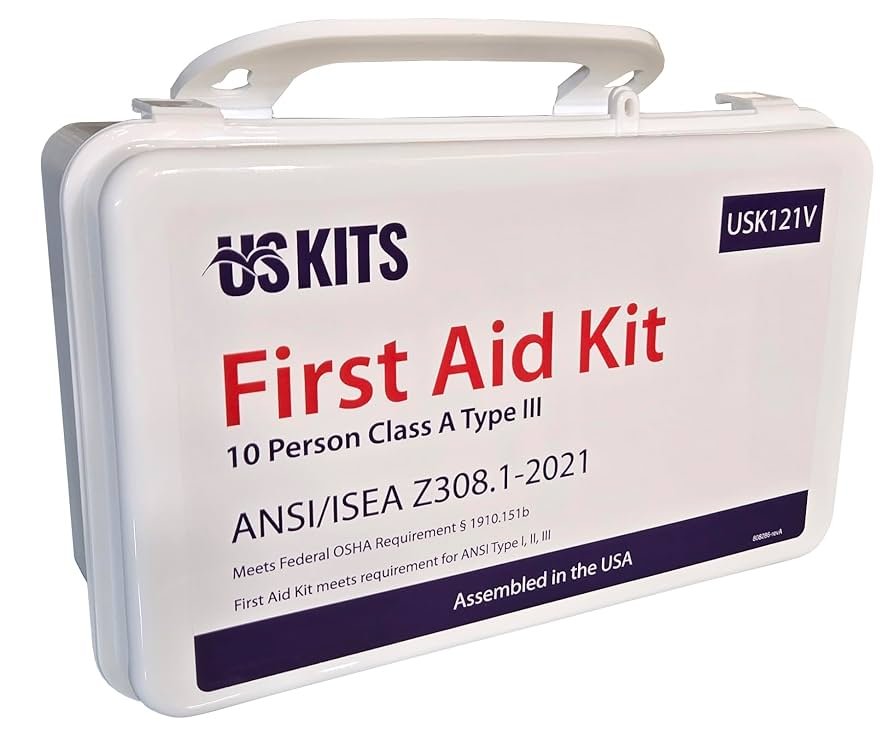
When it comes to safety, having the right first aid kit can make all the difference. A Class A First Aid Kit is designed to handle the most common injuries quickly and effectively.
You never know when an accident might happen, but being prepared means you can act fast and protect yourself and those around you. You’ll discover why a Class A First Aid Kit is a must-have, what it includes, and how it can give you peace of mind every day.
Keep reading to learn how this simple tool can become your best defense in an emergency.
Importance Of First Aid Kits
First aid kits are more than just boxes with medical supplies—they are your first line of defense in emergencies. Having a Class A First Aid Kit means you’re prepared for common injuries and minor accidents, whether at home, work, or on the go. Knowing where your kit is and how to use it can make a real difference in how quickly someone recovers from an injury.
Immediate Response Saves Lives
When an accident happens, every second counts. A Class A First Aid Kit provides the essential tools to act fast and reduce the severity of injuries.
For example, applying pressure to a bleeding wound with a sterile dressing can stop blood loss before professional help arrives. Would you feel confident handling a sudden injury without the right supplies at hand?
Reduces Risk Of Infection
Minor cuts and scrapes can easily get infected if not treated properly. A well-stocked Class A kit includes antiseptic wipes and bandages to clean and protect wounds immediately.
By using these supplies promptly, you lower the chance of complications that might require more serious medical treatment later. How often do you think about infection risks after a small injury?
Boosts Confidence In Emergencies
Knowing you have a Class A First Aid Kit ready helps you stay calm during unexpected situations. This confidence encourages quick action rather than panic or hesitation.
You’re more likely to help yourself or others effectively when you trust your preparedness. When was the last time you felt ready to handle an emergency?
Supports Workplace Safety
Many workplaces require a Class A First Aid Kit to meet safety regulations. Having one not only protects employees but also shows your commitment to a safe environment.
Injuries at work can happen anytime, and a proper kit ensures immediate care that minimizes downtime and complications. Does your workplace have an accessible first aid kit you know how to use?
Encourages Learning Basic First Aid Skills
Owning a Class A kit often motivates people to learn basic first aid techniques. Understanding how to use each item effectively can empower you to save lives.
Simple knowledge like how to apply a bandage or treat a burn can make a big difference when help is not immediately available. What first aid skill would you want to master first?

Credit: www.amazon.com
What Is A Class A First Aid Kit?
A Class A First Aid Kit is designed for common workplace injuries. It contains basic supplies to treat minor cuts, scrapes, and burns. These kits are suitable for small businesses and offices. They meet the minimum requirements set by safety standards.
This type of first aid kit helps provide immediate care. It supports quick treatment before professional medical help arrives. Class A kits are easy to use and carry. They ensure safety and preparedness in everyday situations.
Contents Of A Class A First Aid Kit
The kit usually includes essential items for minor injuries:
- Adhesive bandages in various sizes
- Sterile gauze pads and adhesive tape
- Antiseptic wipes and antibiotic ointment
- Scissors and tweezers
- Disposable gloves
- Burn treatment supplies
- First aid instruction booklet
Purpose And Use
Class A kits are designed for small injuries that happen often. They provide quick care to reduce infection risk. The kit helps control bleeding and protect wounds. It supports immediate response in offices and small shops.
Regulations And Standards
Class A First Aid Kits follow guidelines from safety authorities. The contents meet the minimum requirements for workplaces with low injury risk. These kits must be checked regularly and restocked as needed. They ensure compliance with health and safety laws.
Key Components
A Class A First Aid Kit contains essential items to handle common injuries and emergencies. Each component plays a vital role in providing quick care. Understanding these key parts helps you use the kit effectively.
Bandages And Dressings
Bandages and dressings stop bleeding and protect wounds from infection. They come in various sizes and types. Adhesive bandages cover small cuts and scrapes. Sterile gauze pads absorb blood and fluids from deeper wounds. Elastic bandages provide support for sprains and strains. Together, they help keep injuries clean and promote healing.
Antiseptics And Ointments
Antiseptics clean wounds and reduce the risk of infection. Common antiseptics include alcohol wipes and antiseptic sprays. Ointments soothe skin and prevent bacteria growth. Antibiotic creams help wounds heal faster. These items are crucial to avoid complications after an injury.
Medical Tools
Medical tools assist in treating injuries safely and efficiently. Scissors cut bandages or clothing around wounds. Tweezers remove splinters or debris. Disposable gloves protect both the caregiver and patient from germs. A thermometer checks for fever, signaling infection. These tools make first aid procedures easier and safer.
Choosing The Right Kit For Your Home
Choosing the right Class A first aid kit for your home is important. It ensures you have the supplies needed for common injuries. Each home is different, so the kit should match your family’s needs. Consider size, special requirements, and safety rules.
Size And Capacity
The size of your first aid kit depends on your household size. A small family needs fewer supplies than a large one. Think about how many people live in your home. Also, consider the types of activities your family does. Outdoor hobbies or sports may require extra items.
Look for kits with enough space to hold all necessary items. Choose one that is easy to store and carry. A compact kit is good for small homes. Bigger kits work well if you want more supplies on hand.
Special Needs Considerations
Every family member may have unique needs. Include items for allergies or chronic conditions. For example, keep antihistamines if someone has allergies. Add special bandages or medicines for children or elderly members.
Think about pets too. Some kits include pet first aid supplies. Choose a kit or add items that suit your family’s health. This makes your kit ready for any emergency.
Compliance With Safety Standards
Check that the first aid kit meets local safety rules. Certified kits follow guidelines for content and quality. This ensures items are safe and effective.
Look for standards like OSHA or ANSI approval. This guarantees the kit covers common injuries properly. Using a compliant kit gives peace of mind and helps in emergencies.
Where To Store Your First Aid Kit
Knowing where to store your Class A first aid kit is crucial. It ensures quick access during emergencies. The right spot keeps the kit safe and the supplies intact. Choose a location that balances convenience and protection.
Accessibility
Place the first aid kit where everyone can reach it easily. Common areas include the kitchen, living room, or hallway. Avoid high shelves or locked cabinets. Make sure family members know the exact location. Clear labeling helps in urgent moments.
Avoiding Extreme Conditions
Keep the kit away from places with extreme heat or cold. Bathrooms and garages often have moisture or temperature swings. These conditions can damage bandages and medicines. Store the kit in a dry, cool area. A sturdy container can protect supplies from dust and spills.

Credit: www.amazon.com
Maintaining Your First Aid Kit
Keeping your Class A First Aid Kit in good condition is vital for safety. A well-maintained kit ensures you can act quickly during emergencies. This section explains how to keep your kit ready and reliable.
Regular Inspections
Check your first aid kit often. Look for damaged or missing items. Make sure everything is clean and organized. Regular checks help spot problems early. Keep a checklist to track your inspections.
Replacing Expired Items
Medicine and supplies can expire. Expired items lose their effectiveness. Remove old items and replace them promptly. Pay special attention to ointments, tablets, and sterile materials. Fresh supplies keep your kit safe and useful.
Updating Contents For Family Changes
Family needs may change over time. Add or remove items based on new health conditions or ages. Include allergy medicines or special equipment if needed. Tailor your kit to fit your family’s current needs.
Training Family Members
Training your family members in first aid is one of the smartest steps you can take after assembling a Class A First Aid Kit. Having the right supplies is only part of the safety equation; knowing how to use them confidently can make all the difference during an emergency. Teaching these skills empowers your entire household to respond quickly and effectively.
Basic First Aid Skills
Start by teaching simple yet essential first aid skills that everyone can grasp. Show family members how to clean and dress wounds properly using items from your Class A kit. Demonstrate how to apply pressure to stop bleeding and how to use adhesive bandages correctly.
Practice these skills regularly to build confidence. You might be surprised how quickly children can learn to perform tasks like checking for breathing or performing a recovery position. Ask yourself: could your family remain calm and act fast if someone got hurt today?
Emergency Protocols
Knowing what to do beyond first aid techniques is just as important. Train your family on when to call emergency services and what information to provide. Create a clear action plan that includes roles for each member, such as who calls for help and who stays with the injured person.
Run through different scenarios to help everyone understand their responsibilities. This can reduce panic and confusion during real emergencies. Have you discussed where your first aid kit is kept and how to access it quickly in a crisis?
Benefits Of Having A First Aid Kit
Having a Class A First Aid Kit nearby brings many benefits. It prepares you for unexpected injuries and emergencies. You can act fast and reduce harm with basic supplies. Everyone feels safer knowing help is within reach. A first aid kit is a simple tool for better safety at home, work, or travel.
Immediate Response To Injuries
Quick action can prevent minor injuries from getting worse. A Class A First Aid Kit includes essential items like bandages, antiseptics, and gloves. These tools help stop bleeding and clean wounds fast. Immediate care lowers infection risk and speeds healing. No need to wait for professional help to arrive.
Peace Of Mind
Knowing you have the right supplies brings calm and confidence. Emergencies cause stress and fear. A first aid kit helps you stay ready and in control. It supports you in helping family, friends, or coworkers. Peace of mind improves focus and reduces panic during tough moments.
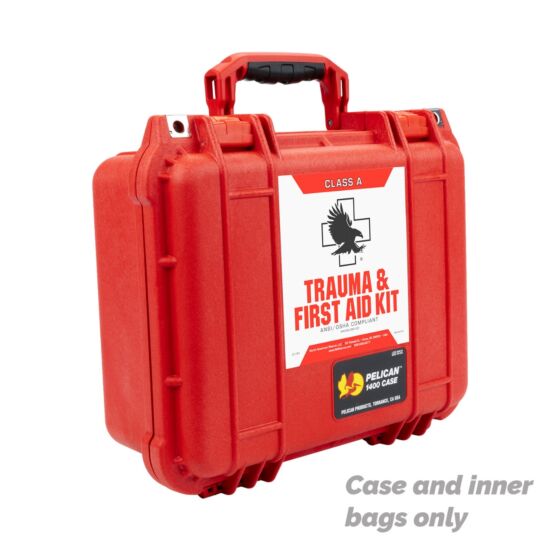
Credit: www.narescue.com
Frequently Asked Questions
What Is Included In A Class A First Aid Kit?
A Class A First Aid Kit contains basic supplies for minor injuries. It usually includes bandages, antiseptic wipes, adhesive tape, scissors, gloves, and gauze pads. This kit is ideal for small workplaces or home use, covering cuts, scrapes, and minor burns.
Who Should Use A Class A First Aid Kit?
Class A First Aid Kits are suitable for low-risk environments. They are perfect for homes, offices, and small businesses with fewer employees. If your setting has minimal hazards, this kit provides essential first aid supplies to handle common injuries effectively.
How Often Should A Class A First Aid Kit Be Checked?
You should inspect your Class A First Aid Kit at least every three months. Regular checks ensure supplies are complete and not expired. Replace any used or outdated items immediately to maintain readiness for emergencies.
Can A Class A First Aid Kit Handle Serious Injuries?
No, Class A kits are designed for minor injuries only. They lack advanced medical supplies needed for severe trauma. For high-risk workplaces, larger kits like Class B or C are recommended to cover serious emergencies.
Conclusion
A Class A First Aid Kit helps you stay ready for small injuries. It holds essential items that treat cuts, burns, and scrapes quickly. Keeping one nearby means you can act fast in an emergency. Everyone should have easy access to basic first aid supplies.
Safety starts with simple tools and quick responses. Remember, being prepared can reduce pain and avoid bigger problems. Choose a kit that fits your needs and check it often. Small steps make a big difference in health and safety.

I’m Abby Lu, a passionate home cook who loves simplifying everyday meals. At PlugChef.com, I share product reviews and cooking guides to help you find the best tools for your kitchen.
Related posts:
 What Type of Cooking Utensils are Safe: Expert Picks
 What Innovations Could Blenders Make: Unleashing Future Tech
 Smart Strategies to Organize a Small Kitchen: Maximize Space
 How to Organize a Kitchen Cabinet: Expert Tips & Tricks
 How to Organize Kitchen Drawers: Expert Tips and Tricks
 How to Organize a Corner Kitchen Cupboard: Expert Tips

