
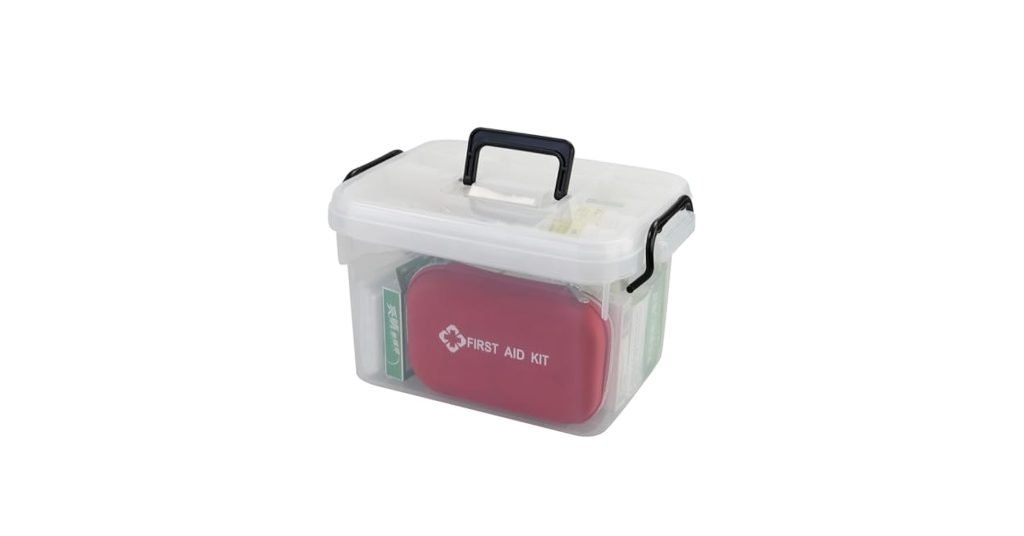
When it comes to your safety, having a reliable first aid kit is a must. But have you ever thought about the container that holds all your essential supplies?
A plastic box for your first aid kit isn’t just a simple storage solution—it’s what keeps your bandages, medicines, and tools safe, organized, and ready when you need them most. Imagine reaching for help in an emergency and finding everything exactly where it should be, protected from damage and easy to grab.
You’ll discover why choosing the right plastic box can make all the difference for your first aid kit’s effectiveness. Keep reading to find out how to pick the best one for your needs and ensure your safety gear is always up to the task.
Choosing The Right Plastic Box
Choosing the right plastic box for your first aid kit is crucial. A well-selected box ensures easy access to medical supplies during emergencies. It also keeps items organized and protected. Consider different factors to find the best fit for your needs.
Material Types And Durability
Plastic boxes come in various materials like polypropylene and polycarbonate. Polypropylene is lightweight and cost-effective. It offers basic durability for home use. Polycarbonate is stronger and more impact-resistant. It’s ideal for outdoor or travel kits. Choose a material that matches your usage environment.
Size And Compartments
Size matters when selecting a plastic box for first aid kits. A small box suits minimal supplies for personal use. Large boxes accommodate extensive medical equipment for families or workplaces. Compartments help organize items efficiently. They prevent clutter and ensure quick access to essentials. Consider boxes with adjustable dividers for flexibility.
Portability Features
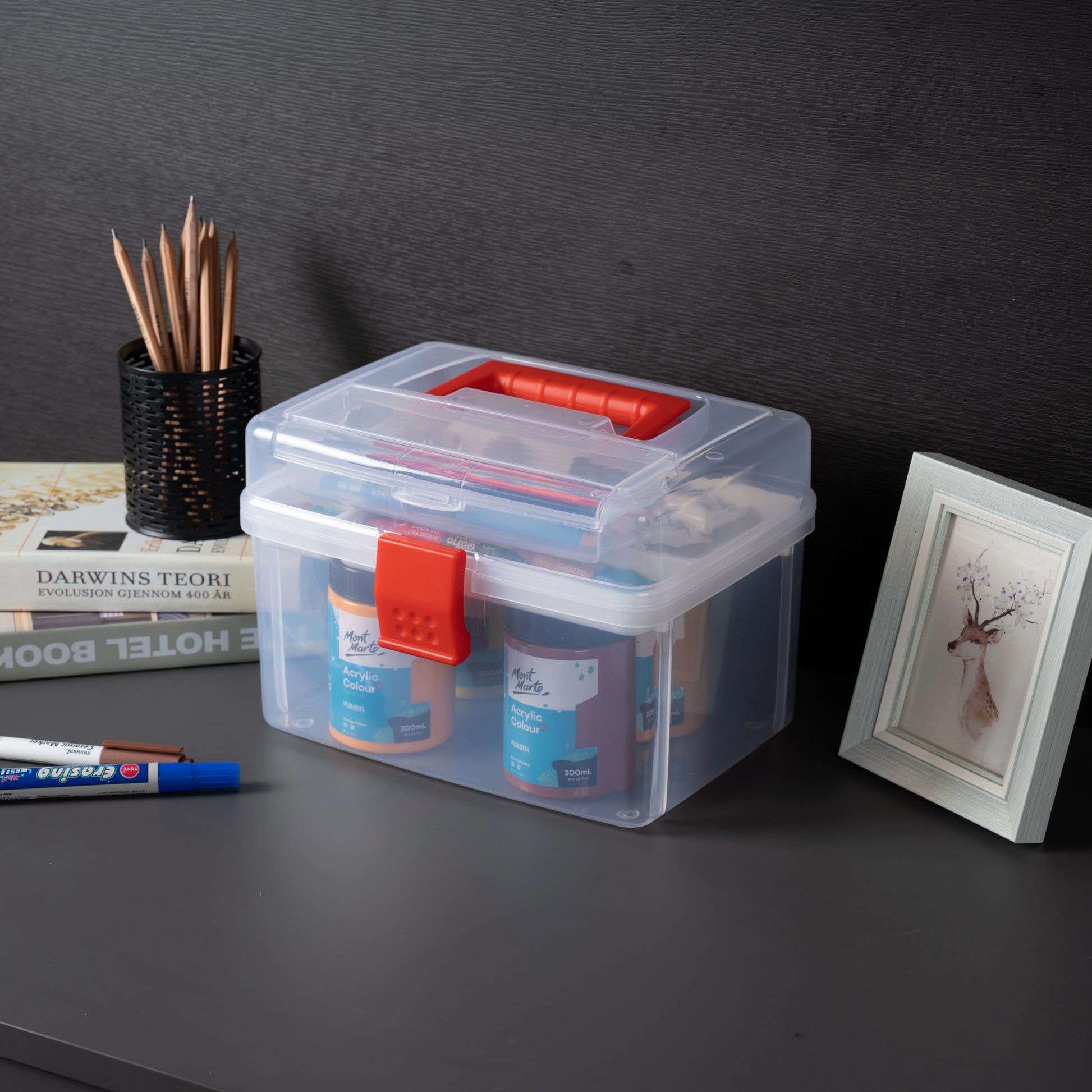
Portability is important for first aid kits used on the go. Features like handles or straps make carrying easier. Lightweight boxes enhance mobility without sacrificing strength. Consider a box with secure latches to keep contents safe. Look for stackable designs for convenient storage and transport.
Credit: www.mygift.com
Essential Items To Include
Having a well-stocked plastic box for your first aid kit is crucial. It ensures you are ready to handle minor injuries or emergencies quickly and efficiently. Knowing exactly what to include can make a big difference when time matters most.
Basic Medical Supplies
Start with the essentials that address common injuries. Include adhesive bandages in various sizes to cover cuts and scrapes. Sterile gauze pads and adhesive tape help control bleeding and protect wounds.
Don’t forget antiseptic wipes or solution to clean wounds and prevent infection. A pair of tweezers and scissors can be lifesavers when removing splinters or cutting tape. Adding disposable gloves protects both you and the injured person from germs.
Specialized Equipment
Think about the specific needs of your household or workplace. A digital thermometer helps you monitor fevers accurately. Instant cold packs reduce swelling and relieve pain from sprains or bruises.
Consider adding a CPR face shield for safe mouth-to-mouth resuscitation. A small flashlight can be invaluable during power outages or nighttime emergencies. What kind of emergencies are you most likely to face, and how can your kit be tailored to meet them?
Personal Medications
Include any prescription medicines you or your family members need regularly. Pain relievers like ibuprofen or acetaminophen are useful for minor aches and fevers. Don’t forget antihistamines for allergic reactions, especially if you know you’re prone to allergies.
Keep a list of these medications and dosages inside your kit to avoid confusion during stressful situations. Have you checked the expiration dates recently? Using expired medicine can be ineffective or even risky.
Organizing For Quick Access
Organizing a plastic box for a first aid kit ensures quick access during emergencies. A well-arranged kit saves time and reduces stress. Every item must be easy to find and reach.
Clear organization helps anyone use the kit confidently. This section covers ways to sort and store supplies effectively.
Categorizing Supplies
Group supplies by type or use. Keep bandages separate from medicines and tools. Sort items like antiseptics, gauze, and scissors into distinct groups.
Use categories such as:
- Wound care
- Medications
- Tools and instruments
- Personal protective equipment
This approach makes it easier to spot what you need fast.
Labeling Techniques
Label each section clearly. Use large, readable text on stickers or tags. Color coding helps identify groups quickly.
Labels can be:
- Printed
- Handwritten with permanent markers
- Color-coded by supply type
Good labeling reduces confusion and speeds up finding items.
Using Dividers And Inserts
Dividers keep supplies separated and organized inside the box. Use plastic or cardboard inserts to create compartments.
Benefits include:
- Preventing items from mixing
- Protecting fragile supplies
- Maximizing space efficiently
Custom inserts fit the box size and specific needs. They help maintain order even during transport.
Maintaining And Restocking
Keeping your plastic box for the first aid kit in top shape means more than just storing supplies. It requires regular attention to ensure everything inside is ready when you need it most. Let’s look at how maintaining and restocking can save you time and stress during emergencies.
Regular Inspection
Check your first aid box at least once a month. Open it up and look for any damaged or missing items. Make sure the plastic container itself isn’t cracked or warped, as this can expose supplies to dirt or moisture.
Pay close attention to how the items are organized. You want to find what you need quickly. Rearrange supplies if necessary, placing frequently used items on top for easy access.
Expiration Date Management
Expired medicines and bandages can be useless or even unsafe. Always check expiration dates on every item inside your box. Remove anything that’s past its date, no matter how small it seems.
Consider keeping a simple log or sticker on the box noting when you last checked expiration dates. This habit can prevent surprises when you desperately need a reliable bandage or antiseptic.
Restocking Tips
After inspection, list what you need to replace or add. Keep a backup of essential supplies like adhesive bandages, antiseptic wipes, and pain relievers. Buying in bulk can save money and ensure you never run out.
Store your restocking list somewhere visible, like on the fridge or near your first aid box. This way, you or anyone else in your household can update it immediately after use.
Have you ever opened your first aid kit only to find it missing a key item? How did that affect your response? Staying on top of maintenance and restocking makes sure you’re always ready, no matter the situation.
Safety And Hygiene Measures
Maintaining safety and hygiene in a plastic box for a first aid kit is essential. It keeps medical supplies clean and ready for use. Proper care prevents infections and prolongs the life of the contents.
Cleaning The Box
Regular cleaning of the plastic box stops dirt buildup. Use mild soap and warm water to wash the box. Rinse well to remove soap residue. Dry the box completely before refilling it. Avoid harsh chemicals that can damage the plastic.
Sterilizing Contents
Keep first aid items sterile to avoid germs. Use alcohol wipes or sprays on tools and bandages. Replace any item past its expiration date. Store items in sealed bags or containers inside the box. Check contents often to ensure cleanliness.
Preventing Contamination
Keep the box in a cool, dry place away from dust. Avoid touching items with dirty hands. Use gloves if possible when handling supplies. Close the box securely after every use. Label items clearly to prevent mix-ups and cross-contamination.

Credit: www.quickwayimports.com
Customizing For Specific Needs
Customizing a plastic box for a first aid kit ensures it meets unique needs. A well-organized kit makes finding supplies quick and easy. Different environments require different items and storage styles. Tailoring the box can save time during emergencies.
Home And Office Kits
Home and office kits need common medical supplies. Choose a plastic box with compartments for neat storage. Include bandages, antiseptic wipes, pain relievers, and scissors. Clear labeling helps everyone find items fast. Compact but spacious boxes fit well in drawers or shelves.
Outdoor And Travel Kits
Outdoor kits require durable, waterproof plastic boxes. Pack items like insect bite cream, blister pads, and sunscreen. Include small tools such as tweezers and a whistle. Travel kits benefit from lightweight, portable designs. Organize by priority to handle injuries quickly on the go.
Child And Pet First Aid
First aid kits for children and pets need special care. Use plastic boxes with secure latches to keep contents safe. Add child-friendly bandages and pet-safe antiseptics. Include a list of emergency contacts and allergy info. Clear compartments prevent confusion during stressful moments.
Storing And Placement Tips
Proper storing and placement of a plastic box for a first aid kit ensures quick help during emergencies. The right spot keeps supplies safe, clean, and ready. This section offers key tips for storing and placing your first aid box effectively.
Ideal Storage Locations
Choose a dry place away from direct sunlight. Avoid areas prone to moisture or heat, like bathrooms or near stoves. Common good spots include:
- Kitchen cabinet
- Hallway closet
- Garage shelf
- Bedroom drawer
Keep the box off the floor to prevent damage and dirt. Make sure the location is known to all family members.
Accessibility In Emergencies
Place the plastic box where it is easy to reach fast. Avoid high shelves or locked rooms. The box should be visible and within arm’s reach. Consider spots near common activity areas. This reduces delays during urgent situations.
Securing The Box
Secure the box to prevent it from falling or moving. Use wall mounts or brackets if possible. If the box has a latch, ensure it closes tightly. This keeps contents safe and organized. Label the box clearly to avoid confusion.

Credit: www.amazon.com
Frequently Asked Questions
What Are The Benefits Of A Plastic Box For First Aid Kits?
Plastic boxes are lightweight, durable, and water-resistant. They protect supplies from damage and moisture. They also keep items organized and easy to find during emergencies, making first aid more efficient and accessible.
How To Choose The Right Plastic Box For A First Aid Kit?
Select a box with enough compartments to organize supplies. Ensure it is sturdy, compact, and easy to carry. Transparent lids help quickly identify contents. Also, consider a sealable, waterproof design for better protection.
Can Plastic Boxes Keep First Aid Supplies Sterile?
Plastic boxes provide a clean and sealed environment but do not sterilize supplies. Sterility depends on the contents themselves and how they are stored. Regularly check and replace expired or contaminated items for safety.
Are Plastic First Aid Boxes Suitable For Outdoor Use?
Yes, plastic boxes are ideal for outdoor use. They resist moisture, dirt, and impact. Their durability helps protect supplies during camping, hiking, or travel, ensuring you have reliable first aid access anywhere.
Conclusion
A plastic box keeps your first aid kit safe and organized. It protects supplies from dust, water, and damage. Easy to carry and store anywhere. Makes finding items quick in emergencies. Choosing the right box helps you stay prepared. Small or large, a plastic box fits all needs.
A simple choice for safety and peace of mind. Ready for any situation. Practical and reliable.

I’m Abby Lu, a passionate home cook who loves simplifying everyday meals. At PlugChef.com, I share product reviews and cooking guides to help you find the best tools for your kitchen.
Related posts:
 What Type of Cooking Utensils are Safe: Expert Picks
 What Innovations Could Blenders Make: Unleashing Future Tech
 Smart Strategies to Organize a Small Kitchen: Maximize Space
 How to Organize a Kitchen Cabinet: Expert Tips & Tricks
 How to Organize Kitchen Drawers: Expert Tips and Tricks
 How to Organize a Corner Kitchen Cupboard: Expert Tips

