
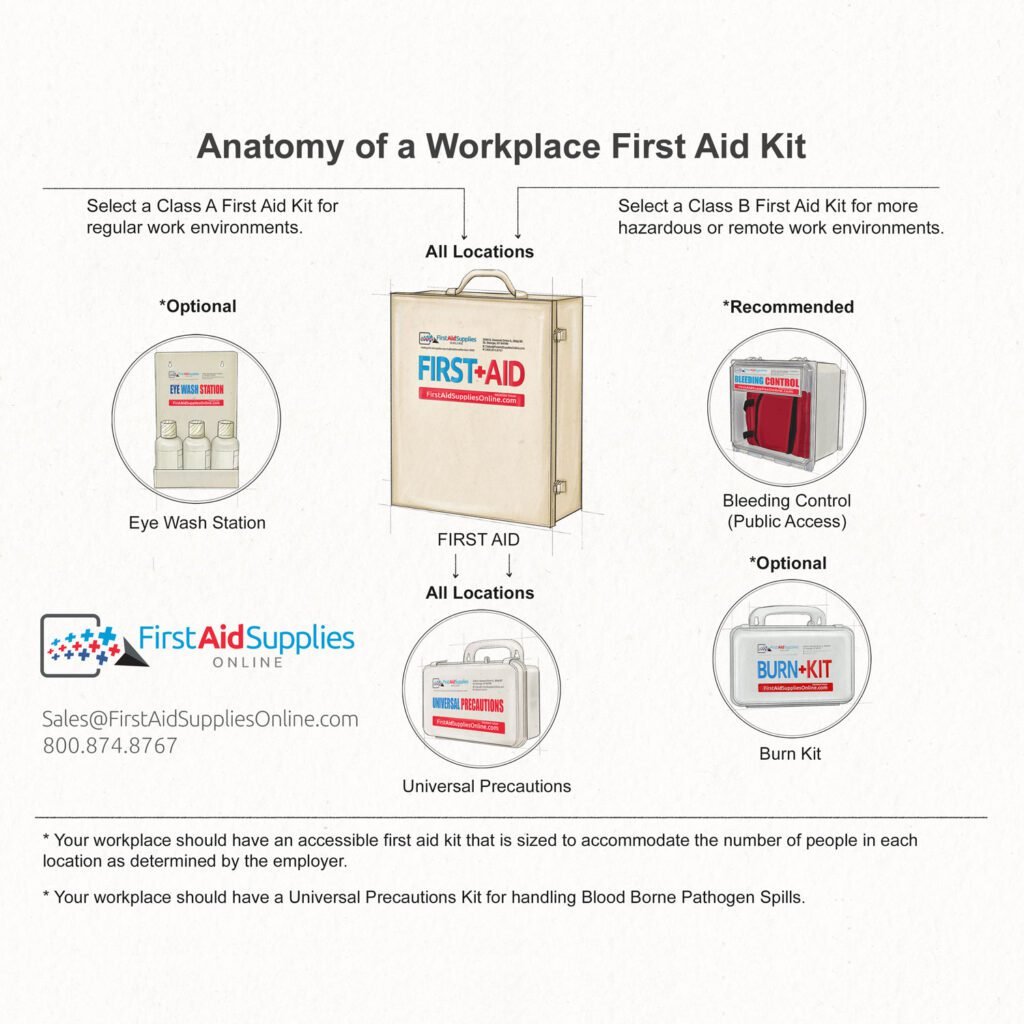
When it comes to handling emergencies, having the right first aid kit can make all the difference. But did you know that not all first aid kits are the same?
Understanding the different classes of first aid kits can help you choose the one that fits your needs perfectly. Whether you want to keep your family safe at home, prepare for outdoor adventures, or equip your workplace, knowing which kit to pick is crucial.
Keep reading, and you’ll discover how to find the ideal first aid kit that’s ready to protect you when it matters most.
Basic First Aid Kits
Basic First Aid Kits are essential for every home, car, and workplace. They provide immediate care for minor injuries and emergencies. Having a well-stocked kit can make a difference during critical moments.
Contents And Uses
Basic first aid kits contain essential items for treating minor injuries. They often include:
- Bandages of various sizes
- Antiseptic wipes or creams
- Adhesive tape
- Scissors
- Tweezers
- Gauze pads
- Gloves
These items help clean, cover, and protect wounds. They reduce infection risks and aid in quick recovery. Kits are designed for easy use by anyone.
Ideal Settings
Basic first aid kits are suitable for homes and small offices. They are perfect for cars and travel bags. Keep them accessible during outdoor activities like camping and hiking. These settings often face minor accidents and injuries. Having a kit ensures quick and effective care. Regularly check and replenish kit supplies. This ensures readiness for any situation.
Advanced First Aid Kits
Advanced first aid kits contain more than basic supplies. They prepare users for serious injuries and emergencies. These kits include items designed for deeper wounds, burns, and complex medical situations. They offer tools and materials that help manage trauma before professional help arrives.
People with advanced training or those in high-risk areas find these kits essential. They provide peace of mind and improve response effectiveness in critical moments.
Specialized Supplies
- Tourniquets for controlling heavy bleeding
- Chest seals to treat open chest wounds
- Burn dressings with cooling and pain relief
- Advanced airway tools like nasal airways
- Sterile suturing kits for closing deep cuts
- Hemostatic agents that help blood clot faster
- Splints for stabilizing broken bones
- Emergency blankets to prevent shock
Who Should Have Them
Advanced first aid kits suit many groups of people.
- Outdoor workers like miners and construction crews
- Emergency responders and medical professionals
- Adventure travelers and hikers in remote areas
- Military personnel and security staff
- Schools and sports teams with trained staff
- Anyone with advanced first aid skills
These kits offer crucial help when injuries go beyond minor cuts. They support effective care until experts take over. Having an advanced kit can save lives in tough situations.
Travel First Aid Kits
Travel First Aid Kits are essential companions for anyone hitting the road, sky, or trails. They are designed to keep you prepared for minor injuries or unexpected health issues while away from home. But what makes these kits stand out from standard first aid kits?
Compact Design
Travel First Aid Kits are all about saving space without sacrificing essentials. Their compact design fits easily into backpacks, purses, or even glove compartments.
This makes it simple for you to carry your kit wherever you go, whether on a weekend getaway or an international trip. Have you ever struggled to find room for bulky items in your luggage? A travel kit solves that problem.
Travel-specific Items
These kits include items tailored to common travel mishaps. You’ll find essentials like motion sickness tablets, insect bite creams, and antiseptic wipes.
Some kits even add sunscreen packets and water purification tablets, which are handy in unfamiliar environments. Think about the last time you were caught off guard by a small injury or illness on a trip—having the right supplies makes all the difference.
Credit: rescue-essentials.com
Workplace First Aid Kits
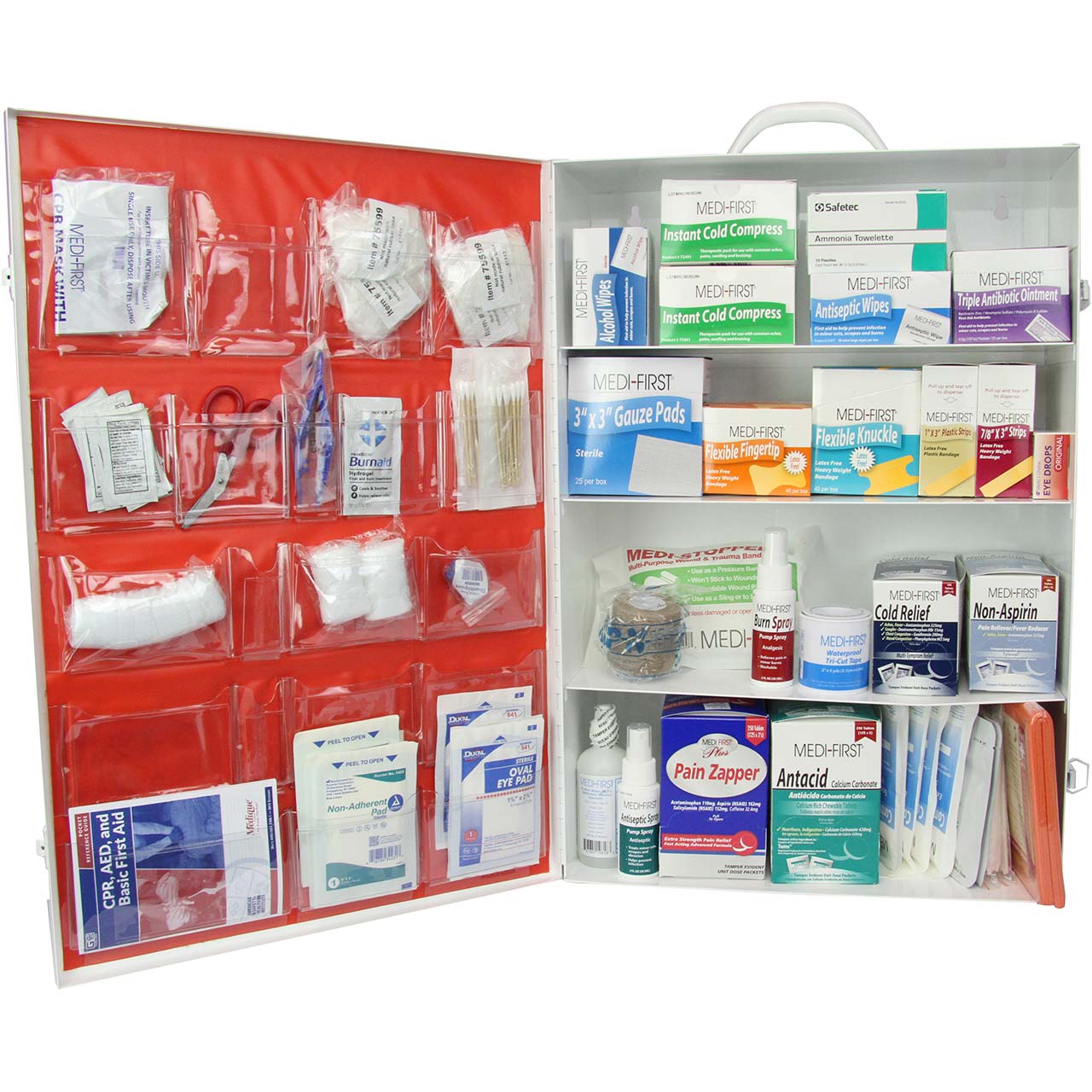
Workplace first aid kits are essential tools designed to handle minor injuries and emergencies right where you work. Having the right kit not only helps you act quickly but also ensures compliance with safety rules. Think about the last time someone got a small cut or burn at work—would your kit have everything needed to help?
Regulatory Requirements
Workplace first aid kits must meet specific regulations to ensure safety for all employees. These rules vary depending on your location and the type of work you do.
- In many countries, laws require employers to provide first aid kits tailored to workplace risks.
- The size of your workforce often determines the minimum contents and number of kits needed.
- Regular inspection and restocking of kits are usually mandatory to keep them ready for use.
Have you checked recently if your workplace kit meets your local safety standards? Ignoring this can lead to penalties and, more importantly, put lives at risk.
Essential Components
Each workplace first aid kit should have items suited to common injuries and emergencies in that environment.
| Category | Typical Items | Purpose |
|---|---|---|
| Wound Care | Adhesive bandages, sterile gauze pads, antiseptic wipes | Stop bleeding, prevent infection |
| Burn Treatment | Burn dressings, cold packs | Relieve pain, cool burns |
| Tools | Scissors, tweezers, gloves | Safe handling and treatment |
| Other | CPR mask, emergency blanket | Support breathing, keep warm |
Think about your specific work environment—would you add anything else? For example, a construction site might need eye wash solutions, while an office might require fewer heavy-duty supplies.
Outdoor And Adventure Kits
Outdoor and adventure kits are tailored to meet the unique challenges you face when exploring nature. These kits go beyond basic first aid supplies by including items designed to help you survive and manage injuries far from immediate medical help. Whether you’re hiking, camping, or kayaking, having the right kit can make a critical difference.
Survival Tools
Survival tools in outdoor kits prepare you for unexpected situations. You’ll often find multipurpose items like a whistle, fire starter, and emergency blanket. These tools help you signal for help, stay warm, and even start a fire to purify water or cook food.
Think about the last time you were outdoors—did you have something to light a fire or signal rescuers? If not, that moment highlights why these tools are essential. Adding a compass or a small flashlight can also guide you back if you lose your way.
Handling Outdoor Injuries
Injuries outdoors can be very different from those you might treat at home. Cuts and scrapes are common but so are blisters, insect bites, and sprains. Your kit should include antiseptic wipes, bandages of various sizes, tweezers, and elastic bandages to handle these effectively.
Imagine twisting your ankle on a trail—having a sturdy elastic bandage to reduce swelling and provide support can prevent further damage. Also, antiseptic cream is crucial to avoid infections, especially when dirt and bacteria are everywhere.
What’s in your kit right now that would help if you fell or got stung by an insect? Evaluating this helps you build a better, more useful outdoor first aid kit tailored to your adventures.

Credit: www.amazon.com
Custom First Aid Kits
Custom first aid kits offer flexibility and control over emergency supplies. They allow you to include items specific to your environment, health needs, and activities. These kits suit homes, cars, workplaces, and outdoor adventures. Building a kit tailored to your needs ensures you are prepared for unique situations.
Tailoring For Needs
Each person or group has different risks and health concerns. Custom kits can include supplies for allergies, medications, or specific injuries. Consider factors such as:
- Number of people using the kit
- Common activities or hobbies
- Local climate and terrain
- Existing medical conditions
This approach makes the kit more useful and effective in emergencies.
Building Your Own Kit
Start with a basic first aid kit as a foundation. Add or remove items based on your needs. Essential items include:
- Bandages and gauze
- Antiseptic wipes and ointments
- Scissors and tweezers
- Gloves and masks
- Pain relievers and allergy medicines
Store everything in a durable, easy-to-carry container. Check and replace expired items regularly. Custom kits give peace of mind by being ready for your specific emergencies.

Credit: www.amazon.com
Frequently Asked Questions
What Are The Main Classes Of First Aid Kits?
First aid kits are classified by use and content. Common classes include Class A for general use, Class B for specialized hazards, and Class C for automotive emergencies. Each class contains items tailored to specific environments and injury types.
How Do Class A And Class B Kits Differ?
Class A kits cover basic injuries in workplaces like cuts and burns. Class B kits include advanced supplies for chemical or electrical hazards. The difference lies in the type and quantity of medical items suited for the risk level.
Which First Aid Kit Is Best For Home Use?
Class A first aid kits are ideal for home use. They contain essential supplies for common injuries like bandages, antiseptics, and gloves. These kits are compact, affordable, and cover most household emergencies effectively.
What Items Are Included In Automotive First Aid Kits?
Automotive first aid kits (Class C) include bandages, burn dressings, and emergency blankets. They are designed for road accidents, containing items to treat cuts, bruises, and shock. These kits prioritize portability and quick accessibility.
Conclusion
Choosing the right first aid kit is important for safety. Different classes of kits fit different needs and places. Small kits suit homes or cars. Larger kits work well for offices or schools. Always check your kit often and keep it stocked.
Knowing your kit helps you act fast in emergencies. Being prepared can make a big difference. Stay safe and keep a first aid kit nearby. Simple steps protect you and those around you.

I’m Abby Lu, a passionate home cook who loves simplifying everyday meals. At PlugChef.com, I share product reviews and cooking guides to help you find the best tools for your kitchen.
Related posts:
 What Type of Cooking Utensils are Safe: Expert Picks
 What Innovations Could Blenders Make: Unleashing Future Tech
 Smart Strategies to Organize a Small Kitchen: Maximize Space
 How to Organize a Kitchen Cabinet: Expert Tips & Tricks
 How to Organize Kitchen Drawers: Expert Tips and Tricks
 How to Organize a Corner Kitchen Cupboard: Expert Tips

