
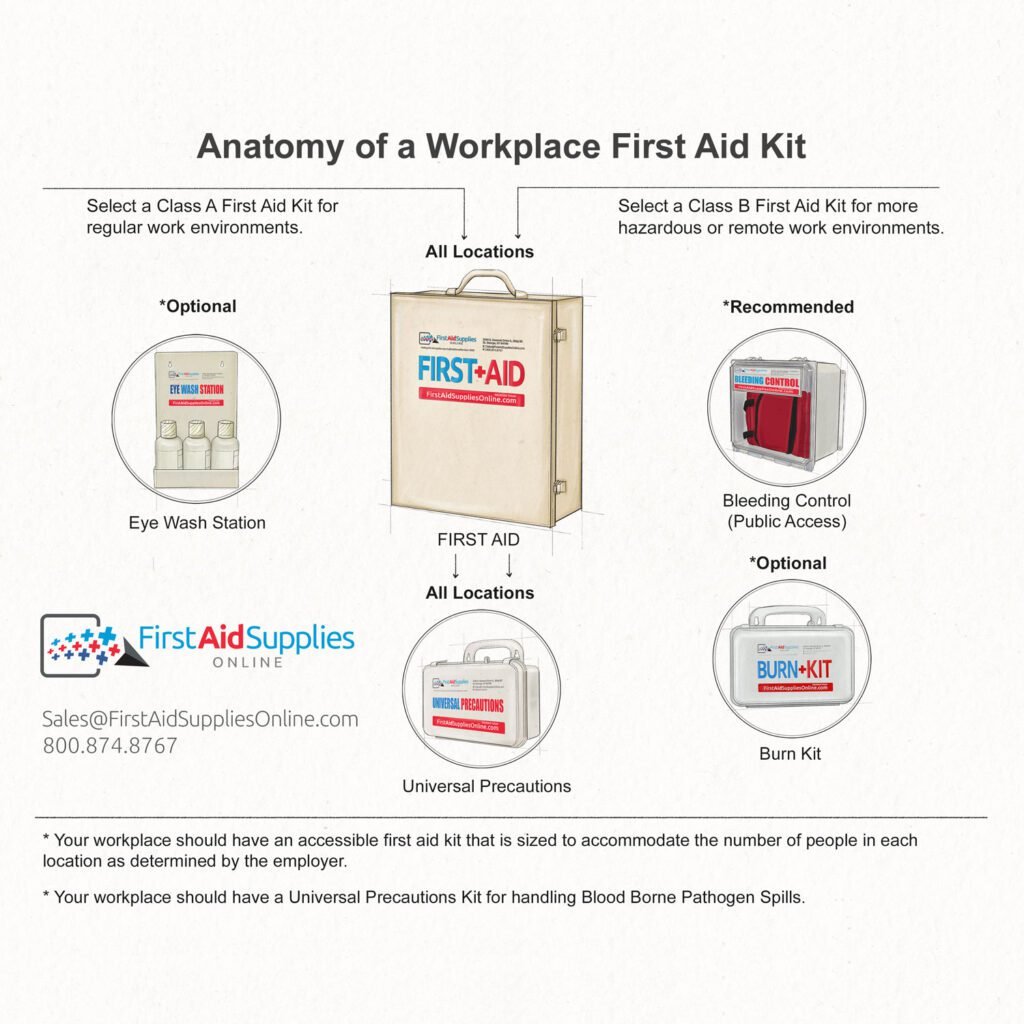
When it comes to your safety, having the right first aid kit can make all the difference. But how do you know if a kit is truly reliable and stocked with what you need?
That’s where ANSI standards for first aid kits come in. Understanding these standards helps you choose a kit that meets strict quality and content guidelines, so you’re ready for emergencies. Keep reading to discover exactly what ANSI standards mean for your first aid kit—and why they matter for your peace of mind and safety.
Ansi Standards Basics
Understanding ANSI Standards is crucial for safety in the workplace. They ensure that first aid kits meet specific requirements. This guarantees readiness during emergencies. Let’s explore what these standards cover and their significance.
What Ansi Standards Cover
ANSI standards dictate the contents and design of first aid kits. They specify the number of supplies needed. This includes bandages, antiseptics, and other essentials. Each item has a purpose for treating minor injuries.
The standards also outline the kit’s durability. This ensures it can withstand different environments. Kits must remain functional at all times.
Importance For First Aid Kits
ANSI standards help create consistent first aid kits. This consistency is vital for workplaces. It ensures everyone has access to the same level of care.
Compliance with ANSI standards boosts confidence. It reassures employees that they are safe. They know help is readily available in case of an accident.
These standards also facilitate easy restocking. By following a set list, supplies can be replaced quickly. This keeps the kit always ready for use.

Credit: www.ishn.com
Types Of First Aid Kits
First aid kits come in various types designed for specific needs. ANSI standards define these kits based on the environment and potential hazards. Knowing the types helps choose the right kit for safety and compliance.
Class A Kits
Class A kits are for low-risk workplaces. They include basic supplies for common injuries like cuts and scrapes. These kits fit small offices, retail shops, and schools. Contents typically cover minor burns, blisters, and small wounds.
Class B Kits
Class B kits serve high-risk environments. They contain more supplies and advanced items. These kits suit factories, construction sites, and manufacturing plants. The extra materials help handle serious injuries and chemical exposures.
Specialized Kits
Specialized kits focus on unique hazards or activities. Examples include kits for electrical work, sports, or marine use. These kits contain tailored supplies like burn dressings or waterproof bandages. They meet specific risks beyond general workplace needs.
Kit Contents Requirements
The ANSI standards for first aid kits define clear requirements for kit contents. These ensure preparedness for common injuries and emergencies. The contents must cover various first aid needs, from minor cuts to more serious wounds. Proper kit contents help deliver effective care quickly and safely.
These standards focus on both the type and amount of supplies. Each item has a specific role and quality expectation. The goal is to maintain a reliable and complete first aid kit that meets workplace safety rules.
Essential Supplies
ANSI lists several key items every first aid kit must have. These include bandages, dressings, and antiseptics. Tools like scissors and gloves are also required. These supplies help treat wounds, stop bleeding, and prevent infection.
- Adhesive bandages in various sizes
- Sterile gauze pads and dressings
- Antiseptic wipes or solution
- Medical tape for securing dressings
- Disposable gloves for hygiene
- Scissors and tweezers for cutting and removal
- Burn treatment supplies
Quantity And Quality Standards
ANSI sets minimum quantities for each supply based on kit size. This ensures enough materials for multiple injuries. The quality of items must support effective treatment. Supplies should be durable, sterile, and within expiration dates.
| Item | Minimum Quantity | Quality Requirement |
|---|---|---|
| Adhesive bandages | 16 | Sterile, various sizes |
| Gauze pads | 8 | Sterile, absorbent |
| Antiseptic wipes | 10 | Individual packaging |
| Medical tape | 1 roll | Hypoallergenic |
| Disposable gloves | 4 pairs | Powder-free, sterile |

Credit: emergentsafety.wordpress.com
Labeling And Packaging
Labeling and packaging are crucial elements of ANSI standards for first aid kits. Clear labels and proper packaging help users quickly identify kit contents and use them correctly during emergencies. This section highlights key aspects of visibility, accessibility, durability, and safety in labeling and packaging.
Visibility And Accessibility
Labels must be large and easy to read. Important information includes kit contents and expiration dates. Bright colors or contrasting text improve visibility. Packaging should allow quick access to supplies. Clear front panels or windows help users see inside. Kits must be easy to carry and store in common areas.
Durability And Safety Features
Packaging needs to protect supplies from damage and contamination. Materials should resist water, dust, and impacts. Seals or locks prevent accidental opening or tampering. Labels must withstand wear and fading over time. Durable packaging ensures the kit stays ready for use in any situation.
Maintenance And Inspection
Keeping your first aid kit up to ANSI standards means more than just having the right supplies. Maintenance and inspection play a crucial role in making sure your kit is ready when you need it most. Neglecting this can turn a lifesaver into a liability.
Regular Checks
You should check your first aid kit at least once a month. Look for expired items, damaged packaging, or anything that looks worn out. Pay special attention to medications and ointments—they lose effectiveness over time.
Ask yourself: if an emergency happened right now, would your kit be fully functional? If the answer is no, it’s time to act. Keep a checklist handy to mark off each item as you inspect it. This simple habit saves time and ensures nothing is overlooked.
Restocking Guidelines
Restocking isn’t just about replacing used supplies—it’s about maintaining a complete set at all times. Always have extra bandages, antiseptic wipes, and gloves. These items are in high demand during emergencies and run out quickly.
Label your kit with the date of the last inspection and next restock deadline. This removes guesswork and helps you stay on track. Consider keeping a backup stash of common items in a separate location. That way, you can replenish your kit immediately if you run low.
Compliance And Legal Implications
Ensuring your first aid kits meet ANSI standards goes beyond safety—it’s a legal responsibility. Compliance affects how you protect your employees and your business from legal risks. Understanding these implications helps you avoid costly mistakes and keeps your workplace prepared.
Workplace Safety Regulations
Your workplace must follow safety rules set by federal and state agencies, which often reference ANSI standards for first aid kits. These regulations require specific kit contents and maintenance schedules tailored to your work environment.
Think about a construction site versus an office; each demands different first aid supplies. Meeting these guidelines shows you care about your team’s well-being and keeps you within legal boundaries.
Penalties For Non-compliance
Failing to comply with first aid kit standards can lead to serious consequences. Regulatory bodies can issue fines, citations, or even shut down operations until you fix the issues.
Beyond financial penalties, non-compliance might increase liability if an injury occurs and adequate first aid isn’t available. Can your business afford the cost of a lawsuit or damaged reputation?
Keeping your first aid kits up to ANSI standards is a simple step that safeguards your employees and your company’s future. Are your kits ready if an emergency happens tomorrow?
Choosing The Right Kit
Choosing the right ANSI standard first aid kit is more than just picking a box with supplies. It means matching the kit to the specific needs of your workplace. This ensures quick and effective response during emergencies.
Assessing Workplace Risks
Start by looking closely at the hazards present in your work environment. Are employees handling sharp tools, chemicals, or heavy machinery? Each risk demands different first aid supplies.
Think about the number of workers and the size of your facility, too. More people and larger spaces often require larger or multiple kits. Don’t forget about remote or hard-to-reach areas where a first aid kit might be crucial.
Customizing Kit Contents
ANSI standards provide a solid baseline, but your kit should go beyond the basics. Add items specific to your workplace injuries, like burn dressings if heat is a risk or eye wash solutions for chemical exposure.
Regularly check and update your kits. Supplies can expire or get used up, and your workplace risks might change over time. Have you reviewed your kit contents lately to make sure they fit your current needs?

Credit: www.ishn.com
Frequently Asked Questions
What Are Ansi Standards For First Aid Kits?
ANSI standards define the required contents and quality for workplace first aid kits. They ensure kits meet safety and emergency needs. Following these standards helps businesses comply with OSHA regulations and prepare for injuries effectively.
Why Follow Ansi Standards For First Aid Kits?
Following ANSI standards guarantees first aid kits have essential supplies. This improves response time during emergencies and supports workplace safety. It also helps avoid legal issues by meeting regulatory requirements for health and safety.
What Items Must Ansi First Aid Kits Include?
ANSI kits must include bandages, antiseptics, burn treatments, scissors, gloves, and CPR masks. The exact contents vary by workplace hazards and kit size. This ensures readiness for common injuries and emergencies.
How Often Should Ansi First Aid Kits Be Checked?
ANSI recommends inspecting first aid kits monthly. Regular checks ensure supplies are stocked, unexpired, and usable. This maintains kit effectiveness and compliance with safety standards.
Conclusion
ANSI standards set clear rules for first aid kits. They help ensure kits have the right supplies. This keeps people safe during emergencies. Using ANSI-approved kits means you are prepared. It also meets workplace safety rules. Always check your first aid kit regularly.
Replace missing or expired items right away. A well-stocked kit can save lives. Stay ready. Stay safe.

I’m Abby Lu, a passionate home cook who loves simplifying everyday meals. At PlugChef.com, I share product reviews and cooking guides to help you find the best tools for your kitchen.
Related posts:
 What Type of Cooking Utensils are Safe: Expert Picks
 What Innovations Could Blenders Make: Unleashing Future Tech
 Smart Strategies to Organize a Small Kitchen: Maximize Space
 How to Organize a Kitchen Cabinet: Expert Tips & Tricks
 How to Organize Kitchen Drawers: Expert Tips and Tricks
 How to Organize a Corner Kitchen Cupboard: Expert Tips

