
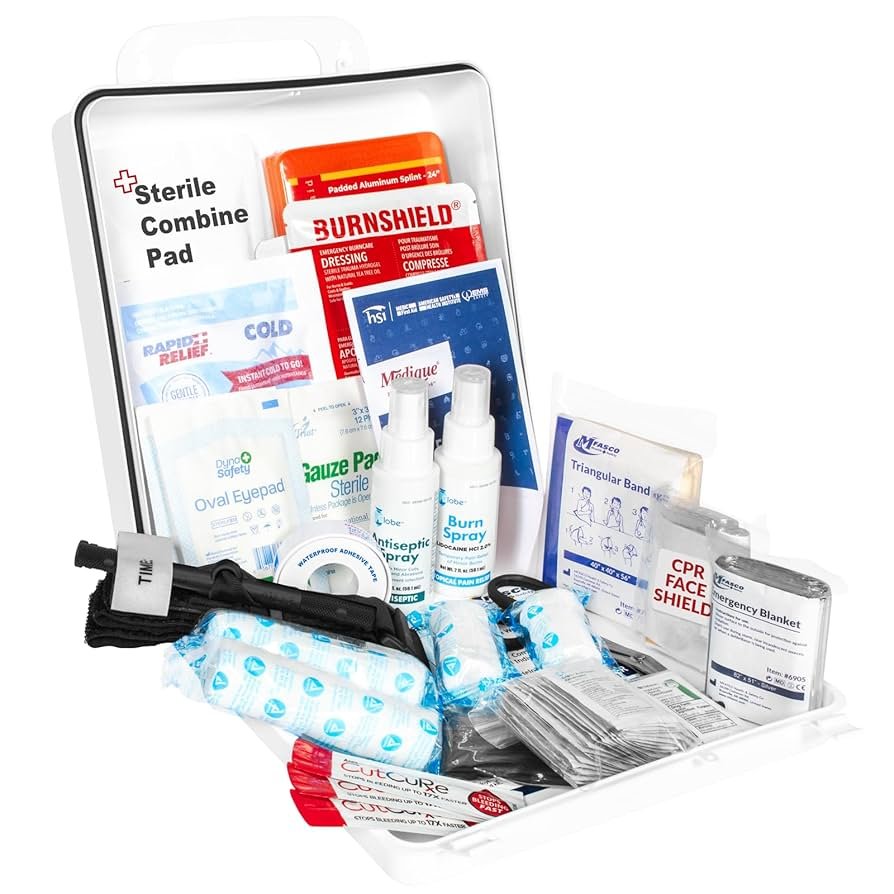
When it comes to safety, being prepared can make all the difference. Your workplace, vehicle, or event space needs more than just any first aid kit—it needs a Class B First Aid Kit.
But what exactly makes a Class B kit stand out? And why should you consider having one within arm’s reach? Keep reading to discover how this essential safety tool can protect you and those around you when every second counts.
Don’t wait for an emergency to realize you’re missing the right supplies. Your safety starts here.
Class B Kit Basics
First aid kits are essential for safety in various environments. Class B kits are designed for workplaces with a higher risk of injury. They contain more supplies to handle serious injuries. Understanding Class B kits helps you choose the right one for your needs.
What Sets Class B Apart
Class B kits have more comprehensive supplies. They’re suitable for workplaces with a higher risk of severe injuries. They include items for trauma care, such as tourniquets and splints. These kits are designed for environments where more serious accidents might occur.
Required Supplies
Class B kits must meet certain standards. These include advanced supplies for treating severe injuries. Essential items include:
- Trauma dressings
- Tourniquets
- Splints
- Eye coverings
- Burn dressings
These supplies are crucial for handling emergencies effectively.
Kit Size And Portability
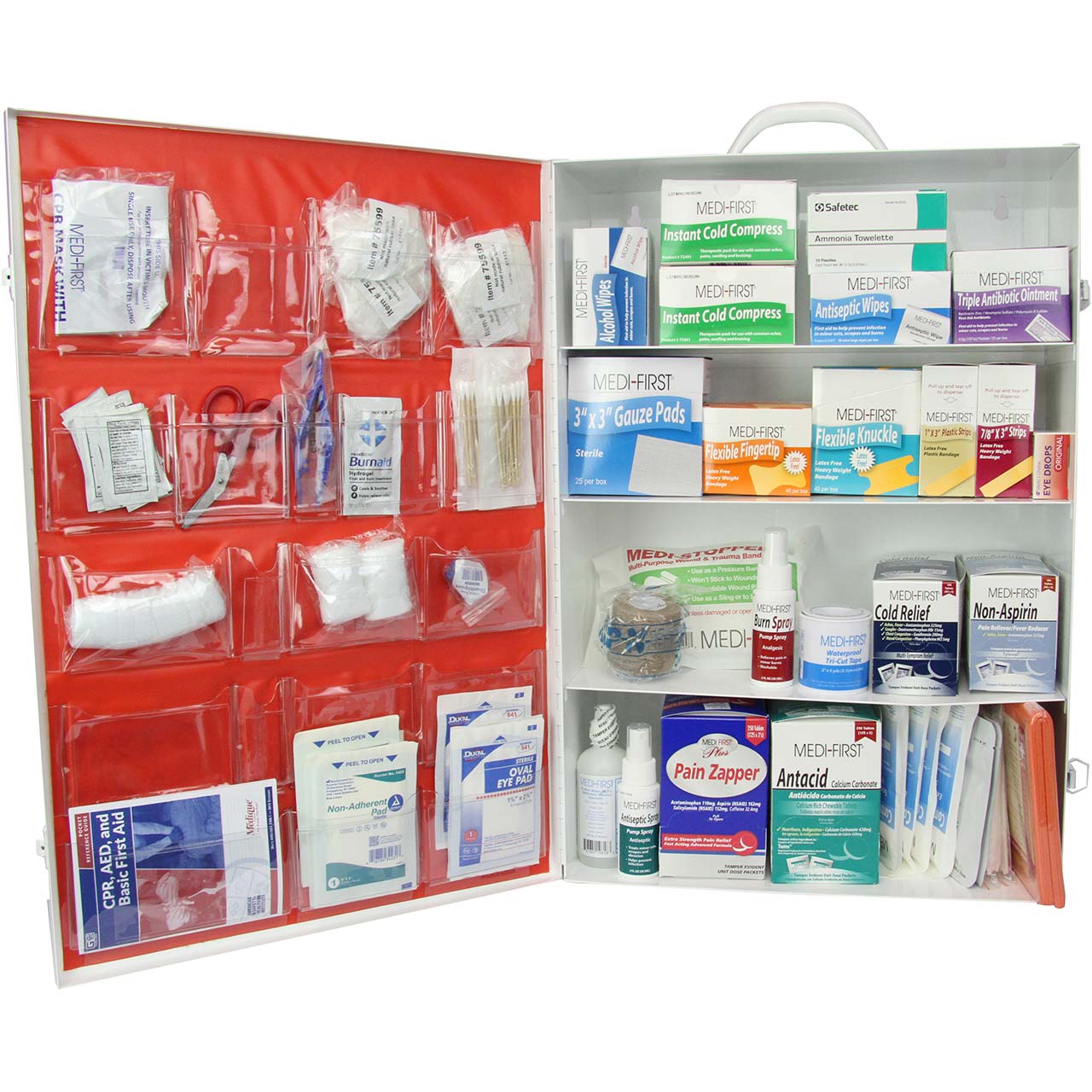
Class B kits vary in size. They are larger than Class A kits due to more supplies. Despite the size, they are still portable. Many come in durable cases for easy transport. This ensures they can be moved quickly to the injury site.
Portability is key in emergencies. You need to access supplies fast. Class B kits balance size with portability for effectiveness.
Credit: rescue-essentials.com
Workplace Safety Needs
Workplace safety is a priority that affects everyone, from the smallest office to the largest industrial site. Having the right first aid kit on hand can make a real difference when accidents happen. Class B First Aid Kits are designed specifically to meet the needs of workplaces where the risk of injury is higher, helping you respond quickly and effectively.
Common Workplace Injuries
Injuries at work vary widely depending on the environment but often include cuts, burns, sprains, and eye injuries. For example, in manufacturing settings, workers may face risks from machinery, leading to lacerations or crush injuries. Meanwhile, office workers might deal more with repetitive strain or minor cuts from paper and tools.
Recognizing the types of injuries common in your workplace helps you prepare better. Have you noticed what injuries happen most often around you? This insight helps you stock the right supplies and train your team to react fast.
Matching Kits To Work Environments
Not all first aid kits are created equal. Class B kits contain supplies suited for workplaces where the chance of more serious injuries is higher. This includes items like burn dressings, trauma pads, and gloves, which you won’t usually find in basic kits.
Think about your specific work environment. A construction site demands different first aid tools than a retail store. Choosing the right kit means you’re not left unprepared when accidents occur.
Compliance With Safety Regulations
Your workplace first aid kit must meet legal requirements to ensure safety standards are upheld. Class B First Aid Kits often align with OSHA or ANSI standards, which set minimum contents based on workplace risks.
Ignoring these regulations can lead to penalties and, more importantly, unsafe conditions for your team. Are you confident that your current first aid supplies meet the required guidelines? Regularly checking and updating your kits keeps your workplace compliant and your people protected.
Choosing The Right Kit
Choosing the right Class B First Aid Kit is more than picking a standard box off the shelf. Your kit needs to match the specific risks and needs of your workplace to be truly effective. Think about how different environments demand different supplies, and how a tailored kit can make a real difference in an emergency.
Assessing Workplace Risks
Start by looking closely at your work environment. Are there sharp tools, heavy machinery, or chemicals around? Each hazard requires certain first aid items ready and easy to access.
Consider asking yourself: What types of injuries could happen here? Cuts, burns, sprains, or chemical exposure? Knowing this helps you pick the right supplies without wasting space or money on unnecessary items.
Customizing Kit Contents
Once you know the risks, customize your kit to match. Adding extra burn dressings for a kitchen or chemical burn supplies in a lab makes your kit practical and ready.
Don’t forget to include personal protective equipment like gloves and masks. These protect both the injured person and the responder, making first aid safer and more effective.
Remember, a one-size-fits-all kit might leave gaps. Tailoring your kit means you’re prepared for real situations, not just generic ones.
Budget Considerations
Quality first aid supplies can vary in cost, but cutting corners isn’t the answer. Think about the long-term value of investing in durable, reliable items that won’t need frequent replacement.
Balancing your budget means prioritizing essential items first. You can add extras as needed or when funds allow, ensuring your kit grows with your workplace demands.
Ask yourself: Would you rather spend a little more now or risk facing higher costs from inadequate first aid during an emergency?
Maintaining Your Kit
Maintaining your Class B First Aid Kit ensures it is ready when needed. Regular care keeps supplies fresh and useful. A well-kept kit supports fast and effective emergency response.
Regular Inspections
Check the kit at least once a month. Look for damaged or missing items. Confirm the container is clean and dry. Keep the kit organized for quick access.
Replacing Expired Items
Throw away expired medicines and ointments. Replace used bandages, gloves, and other consumables. Expired items may not work properly. Always keep a list of needed replacements.
Training Employees
Teach staff how to use the kit correctly. Practice basic first aid skills often. Training builds confidence during emergencies. Everyone should know the kit’s location and contents.
Benefits Of Class B Kits
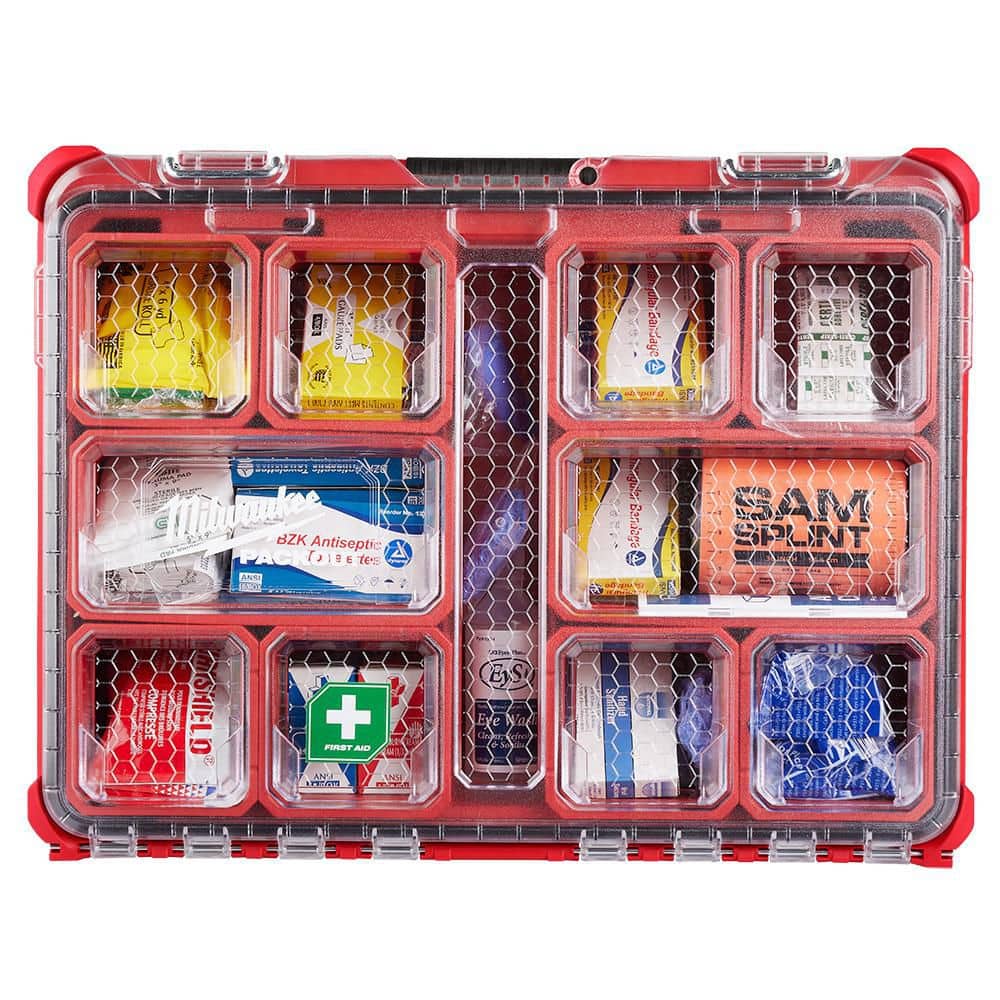
Class B First Aid Kits offer important advantages for workplaces and public spaces. These kits come with supplies for treating moderate injuries. Having the right tools ready helps manage accidents effectively. Quick care can prevent problems from getting worse. Class B Kits help maintain safety and health standards easily.
Quick Response To Injuries
Class B Kits provide essential items for fast treatment. They include bandages, antiseptics, and burn care products. This allows immediate action at the injury site. Quick response lowers the risk of infection and further harm. It keeps people safer and reduces the severity of injuries.
Minimizing Downtime
Prompt first aid helps injured persons recover faster. This reduces the time they need away from work or activities. Having a Class B Kit onsite means less delay in care. It supports smoother operations and keeps productivity steady. Employers save time and money by minimizing downtime.
Boosting Employee Confidence
Visible first aid readiness builds trust among employees. They feel safer knowing help is nearby. This confidence encourages a positive work environment. Workers are more focused and less anxious about accidents. Class B Kits show that safety is a priority for the employer.
Credit: www.homedepot.com

Credit: www.amazon.com
Frequently Asked Questions
What Is Included In A Class B First Aid Kit?
A Class B First Aid Kit includes supplies for moderate injuries. It contains bandages, antiseptics, gloves, scissors, and burn treatments. These kits handle cuts, sprains, and minor burns, making them ideal for workplaces with higher injury risks.
Where Are Class B First Aid Kits Used?
Class B First Aid Kits are used in workplaces with medium risk. They suit construction sites, manufacturing plants, and warehouses. These kits comply with OSHA standards and provide adequate supplies for common workplace injuries.
How Often Should Class B First Aid Kits Be Checked?
Class B First Aid Kits should be checked monthly. Regular inspections ensure supplies are stocked and not expired. This practice keeps the kit ready for emergencies and meets safety regulations.
Can Class B First Aid Kits Treat Serious Injuries?
Class B First Aid Kits are for moderate injuries only. They are not equipped for life-threatening emergencies. For serious injuries, professional medical help should be sought immediately.
Conclusion
Class B first aid kits provide essential supplies for workplace safety. They help treat common injuries quickly and effectively. Keeping one nearby means faster care during accidents. These kits meet safety standards and suit many work environments. Regularly checking and restocking ensures readiness at all times.
A well-stocked kit supports health and reduces risks. Simple steps like this make workplaces safer for everyone. Choose the right kit and stay prepared for emergencies. Safety starts with good first aid equipment.

I’m Abby Lu, a passionate home cook who loves simplifying everyday meals. At PlugChef.com, I share product reviews and cooking guides to help you find the best tools for your kitchen.
Related posts:
 What Type of Cooking Utensils are Safe: Expert Picks
 What Innovations Could Blenders Make: Unleashing Future Tech
 Smart Strategies to Organize a Small Kitchen: Maximize Space
 How to Organize a Kitchen Cabinet: Expert Tips & Tricks
 How to Organize Kitchen Drawers: Expert Tips and Tricks
 How to Organize a Corner Kitchen Cupboard: Expert Tips

