
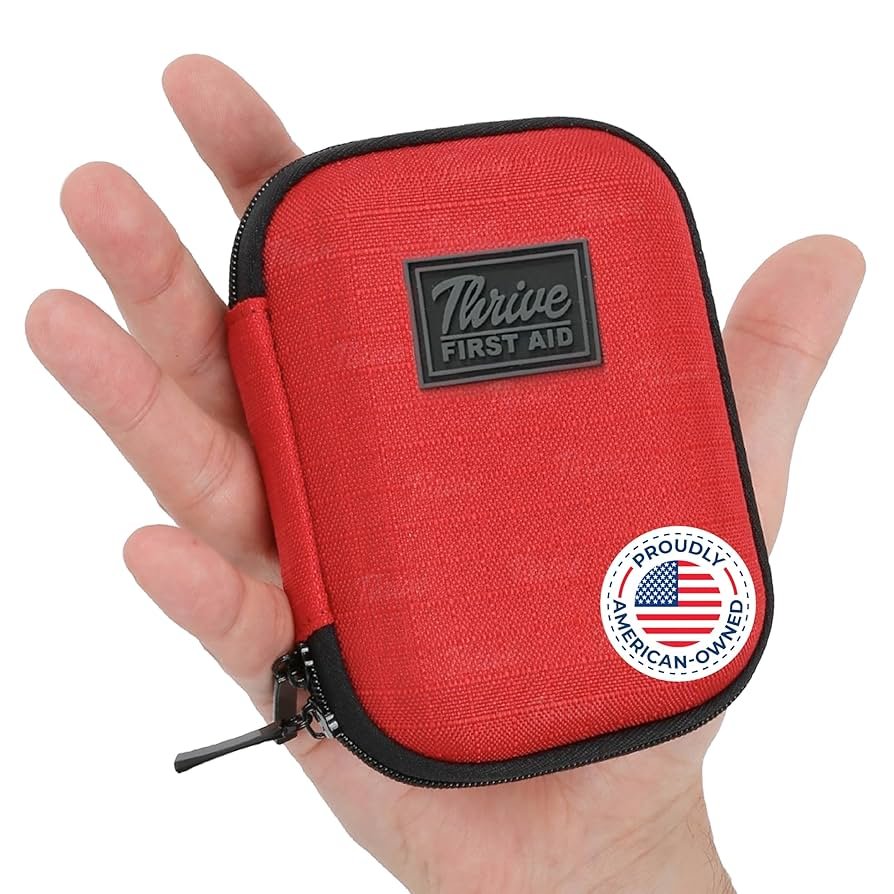
Imagine this: you’re out and about when a small cut, headache, or unexpected discomfort strikes. Wouldn’t it be great to have just what you need right at your fingertips?
That’s where a small first aid kit for your purse becomes a game changer. It’s not about carrying a bulky box but having smart, handy solutions that fit your lifestyle. You’ll discover exactly what to include, how to choose the best items, and why having this tiny lifesaver can make all the difference when you least expect it.
Keep reading to make sure you’re prepared for those little emergencies—because your peace of mind matters.
Why Carry A Mini First Aid Kit
Ever find yourself in a pinch wishing you had a bandage or antiseptic wipe? That’s why carrying a mini first aid kit in your purse is a smart move. It’s like having a tiny safety net with you wherever you go. Whether you’re a busy professional, a parent, or an adventurer, this compact kit could be your lifesaver.
Benefits Of On-the-go Safety
Imagine walking into a meeting with a paper cut or tripping over a sidewalk curb. A mini first aid kit means you’re always prepared. It offers peace of mind knowing you can handle minor injuries without a hassle.
You save time by not having to look for a pharmacy or convenience store. This little kit ensures that small health mishaps don’t turn into bigger inconveniences. Plus, it sets a great example for others, showcasing your preparedness and responsibility.
Common Situations Requiring Quick Aid
You’ve just enjoyed a delightful picnic, but then your child scrapes a knee. That’s where your mini first aid kit comes in handy. Or perhaps you accidentally nick yourself with a kitchen knife while cooking. A quick bandage fix can prevent further irritation.
Even a simple blister from a new pair of shoes can ruin your day. With a mini first aid kit, you can address these issues immediately. The ability to act swiftly is crucial in maintaining comfort and preventing infection.
Do you often find yourself in situations where quick aid could make a difference? Consider adding this small yet mighty kit to your daily carry essentials.
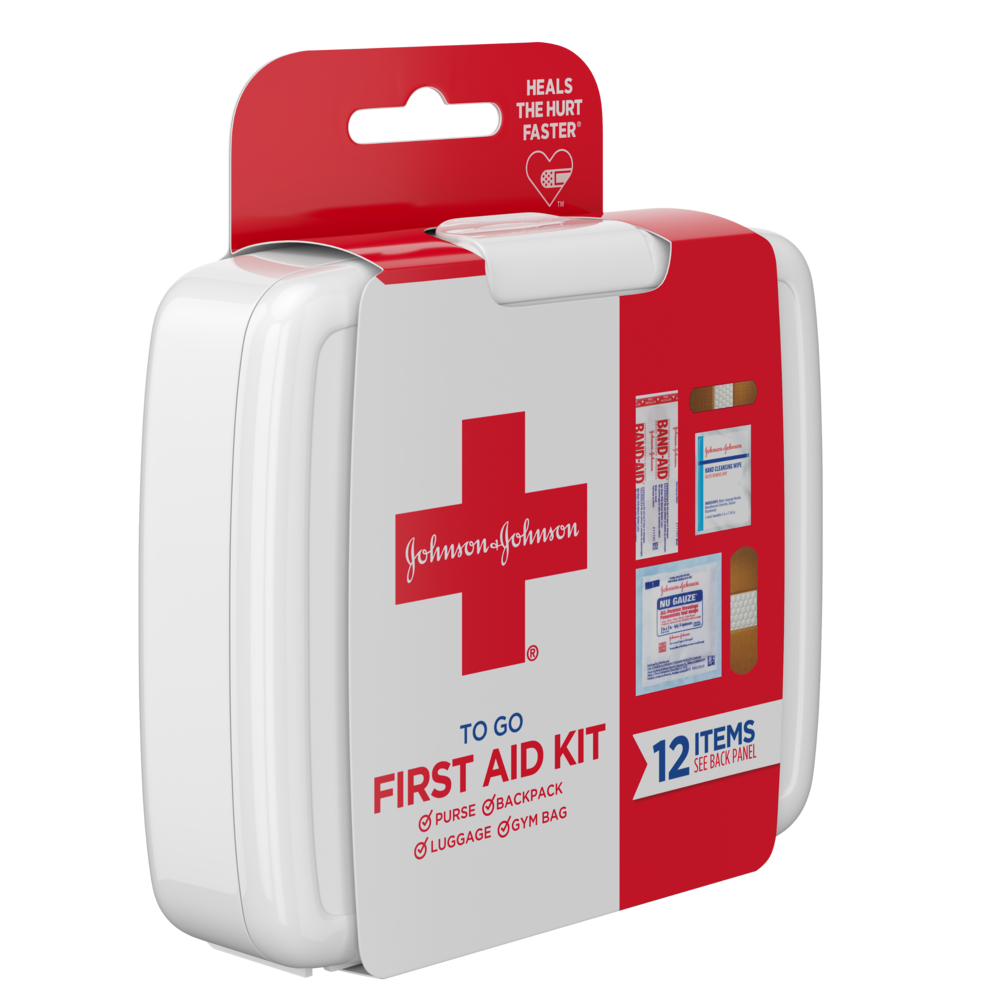
Credit: www.band-aid.com
Must-have Items In A Purse Kit
Having a small first aid kit in your purse can turn a minor emergency into a manageable situation. You never know when a simple cut or headache might strike. Packing the right items ensures you’re always ready without carrying unnecessary bulk.
Basic Medical Supplies
Start with essentials like adhesive bandages in various sizes to cover small cuts and scrapes. Include antiseptic wipes to clean wounds and prevent infections. A small roll of medical tape and some gauze pads can help secure dressings or stop bleeding quickly.
These basics have saved me more times than I can count—once, a quick bandage stopped a bleeding paper cut right before an important meeting. What simple item have you wished you had on hand in a pinch?
Personal Medications
Carry any medications you take regularly, such as allergy pills or pain relievers like ibuprofen or acetaminophen. Don’t forget a few antacids or motion sickness tablets if you’re prone to stomach issues. Small pill organizers can keep everything tidy and easy to access.
Think about your own health needs: what do you reach for when discomfort hits unexpectedly? Keeping those meds handy can prevent a minor symptom from ruining your day.
Tools And Accessories
Include a pair of tweezers for splinters, a small pair of scissors for cutting tape or gauze, and a digital thermometer for quick temperature checks. A tiny flashlight can be surprisingly useful in low-light situations. Also, consider adding disposable gloves for hygiene and protection.
These tools are often overlooked but can make a big difference in handling small emergencies confidently. Which tool do you think would be the most helpful for your daily routine?
Choosing The Right Container
Choosing the right container for your small first aid kit is more important than you might think. The container not only holds your essentials but also affects how easy it is to carry and how well your supplies stay protected. Think about where you’ll keep your kit and how you’ll use it daily to find a container that fits your lifestyle.
Compact And Lightweight Options
Your purse probably has limited space, so a compact and lightweight container makes a big difference. Look for slim cases or soft pouches that won’t add bulk or weight. Some kits come in flexible fabric cases that mold to your purse’s shape, making them less noticeable but still easy to reach.
Have you ever struggled to find your first aid items because the container was too big or heavy? Choosing smaller containers means you’re more likely to keep your kit with you at all times. Prioritize containers that fit comfortably in your handbag without taking up too much room.
Waterproof And Durable Designs
Accidents happen, including spills and rain. Waterproof containers protect your supplies from moisture that could ruin bandages or medication. Hard-shell cases provide extra durability, shielding your kit from impacts if your purse gets dropped or tossed around.
Consider a container with a secure zipper or snap closure to keep everything inside. Durable materials like silicone or tough plastic ensure your kit lasts longer and stays functional. Do you want your first aid kit ready when you need it most? Then durability and water resistance should be top priorities.
Organizing Your Mini Kit
Organizing your mini first aid kit for your purse is more than just stuffing items into a small bag. It’s about thoughtful arrangement that lets you find what you need instantly, especially during unexpected moments. The right organization saves time and reduces stress, turning your tiny kit into a reliable companion.
Effective Packing Tips
Start by choosing compact, multi-use items to save space. For example, a small tube of antibiotic ointment can replace multiple separate bottles. Use small resealable bags or tiny containers to separate different categories like bandages, medications, and tools.
Roll soft items like gauze or tape to avoid wrinkles and maximize space. Place heavier items at the bottom so the kit stays balanced. Think about what you need daily versus occasional use and prioritize accordingly.
Keeping Items Accessible
Place the most frequently used items on top or in an outer pocket. Quick access to basics like band-aids or pain relief tablets can be crucial. Avoid burying these under bulkier or less needed items.
Label compartments or use clear pouches to identify contents without opening everything. This simple step speeds up your search and reduces frustration. Have you ever fumbled through your purse looking for a bandage? Organization can prevent that.
Customizing For Personal Needs
Customizing a small first aid kit for your purse makes it truly useful. Everyone has unique health needs. Tailoring your kit ensures you carry exactly what you might require. It saves time and reduces stress during emergencies.
Think about your health history and daily routine. Include items that fit your lifestyle and medical conditions. This small effort can make a big difference in managing minor injuries or sudden illness.
Allergy And Medication Considerations
Include supplies that address your allergies. Pack antihistamines if you have allergic reactions. Carry any prescribed medications in travel-sized containers. Avoid expired items to keep your kit effective.
Note any common irritants you face. For example, if you are sensitive to insect bites, add sting relief cream. If you have asthma, carry an inhaler if possible. These tailored items provide quick relief.
Including Emergency Contact Info
Keep a small card with emergency contacts in your kit. Write names and phone numbers of family or friends. Add your doctor’s contact and any medical conditions. This info helps first responders act quickly.
Use waterproof paper or laminate the card. Place it where it is easy to find. This simple step improves your safety during an emergency.
Maintaining And Restocking
Keeping a small first aid kit in your purse is smart. It helps in small emergencies anywhere. To make sure it works well, maintain and restock it regularly. This keeps your kit ready and safe to use whenever needed.
Regular Checks And Expiry Dates
Check your first aid kit every month. Look for items that are missing or damaged. Expiry dates matter a lot. Medicines and ointments lose their power after the date ends. Throw away expired items and replace them right away. This keeps your kit effective and safe.
Replacing Used Items
After using anything from your first aid kit, put it back quickly. Running out of supplies can cause trouble in the next emergency. Keep a small list of items in your kit. Use it to track what needs replacing. Always restock used bandages, antiseptic wipes, and pain relievers. This way, your kit stays complete and ready.
Using Your Kit Safely
Using your small first aid kit for purse safely is essential to handle minor injuries effectively. Knowing how to use each item correctly prevents mistakes and aids quick recovery. This section covers key practices for safe use and guidelines on when to seek professional care.
Basic First Aid Practices
Always clean your hands before touching wounds. Use antiseptic wipes or hand sanitizer from your kit. Gently clean cuts or scrapes with sterile gauze. Apply adhesive bandages to protect the area. Use tweezers carefully to remove small splinters. Avoid touching injuries with bare hands. Follow instructions on medication labels inside your kit. Keep the kit organized for quick access during emergencies.
When To Seek Professional Help
Seek medical help if bleeding does not stop after 10 minutes. Call a doctor for deep cuts or large wounds. If swelling, redness, or pain worsens, get professional care. For signs of infection like pus or fever, visit a healthcare provider. When you feel dizzy or faint after an injury, seek help immediately. Do not use your kit for serious burns or fractures. Trust trained medical staff for severe injuries or allergic reactions.

Credit: www.amazon.com

Credit: www.amazon.com
Frequently Asked Questions
What Essentials Should A Small First Aid Kit Include?
A small first aid kit for a purse should include band-aids, antiseptic wipes, pain relievers, tweezers, and adhesive tape. These items handle common minor injuries and emergencies effectively on the go.
How To Choose The Best Purse First Aid Kit?
Choose a compact, lightweight kit with basic supplies suited to your needs. Look for durable packaging, easy access, and items like antiseptics and bandages.
Can A Small First Aid Kit Handle Serious Emergencies?
A small purse kit is designed for minor injuries, not serious emergencies. For major issues, seek professional medical help immediately.
How Often Should I Check And Update My Purse First Aid Kit?
Check your kit every 3-6 months. Replace expired or used items to ensure readiness during emergencies.
Conclusion
A small first aid kit fits easily in your purse. It helps you act fast during minor injuries. Carrying one keeps you ready for cuts, scrapes, or headaches. Choose basic items like bandages, antiseptic wipes, and pain relievers. This simple step can bring peace of mind every day.
Stay safe and prepared wherever you go. A small kit makes a big difference in emergencies. Don’t leave home without it.

I’m Abby Lu, a passionate home cook who loves simplifying everyday meals. At PlugChef.com, I share product reviews and cooking guides to help you find the best tools for your kitchen.
Related posts:
 What Type of Cooking Utensils are Safe: Expert Picks
 What Innovations Could Blenders Make: Unleashing Future Tech
 Smart Strategies to Organize a Small Kitchen: Maximize Space
 How to Organize a Kitchen Cabinet: Expert Tips & Tricks
 How to Organize Kitchen Drawers: Expert Tips and Tricks
 How to Organize a Corner Kitchen Cupboard: Expert Tips

