
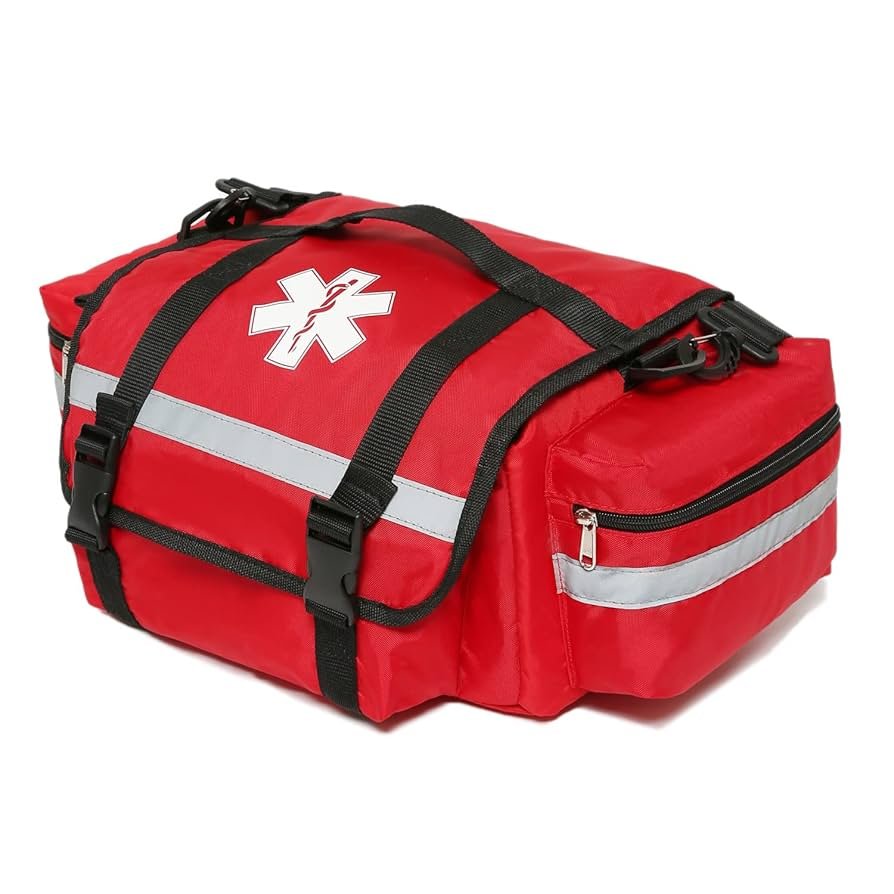
Imagine reaching for your first aid kit in an emergency, only to find it empty. How would you feel?
Confused, unprepared, maybe even panicked. Your first aid kit bag is supposed to be your safety net, your quick solution in moments that matter most. But if it’s empty, it’s not helping you at all. This article will show you why an empty first aid kit bag is a problem and how you can fix it before it’s too late.
Keep reading to make sure you and your loved ones are truly ready for any emergency.

Credit: www.amazon.com
Assessing Your First Aid Needs
An empty first aid kit bag shows a need to review essential supplies. Checking your environment helps decide what items to include. Preparing well ensures quick response during emergencies.
Assessing Your First Aid Needs Understanding your first aid needs is crucial when preparing your empty first aid kit bag. Why? Because a well-equipped first aid kit can make a significant difference during emergencies. Tailoring your kit to your specific needs ensures that you’re prepared for any situation that might arise.Identify Common Emergencies
Begin by identifying potential emergencies you might encounter. Think about common accidents that occur at home, like cuts, burns, or sprains. Consider health issues like allergies or asthma. Did you know that many people overlook their own experiences when assembling their kits? Reflect on past incidents to inform your choices.Consider Family And Activity Factors
Your family’s needs play a vital role in shaping your kit. Do you have children who are prone to falls? Consider adding extra bandages and antiseptic wipes. If someone has a specific medical condition, ensure you have necessary medications on hand. Next, think about your activities. Are you an avid hiker or camper? If so, your kit might need items like insect repellent, blister pads, and a snake bite kit. Tailor your kit to suit your lifestyle, ensuring it supports both routine and unexpected adventures.Essential Items To Restock
Restocking your empty first aid kit bag is vital for safety. Essential items ensure you are ready for emergencies. A well-stocked kit can help treat injuries quickly and reduce risks.
Focus on three main categories: basic supplies, medications and ointments, and tools and equipment. These cover most first aid needs and keep you prepared for common accidents.
Basic Supplies
- Adhesive bandages in various sizes
- Sterile gauze pads for wounds
- Medical tape to secure dressings
- Antiseptic wipes for cleaning
- Elastic bandages for sprains
- Disposable gloves for hygiene
- Scissors and tweezers
Medications And Ointments
- Pain relievers like ibuprofen or acetaminophen
- Antihistamines for allergic reactions
- Antibiotic ointment to prevent infection
- Hydrocortisone cream for itching and rashes
- Burn cream or aloe vera gel
- Oral rehydration salts for dehydration
Tools And Equipment
- Thermometer to check body temperature
- CPR face shield for rescue breathing
- Instant cold packs for swelling
- Safety pins for securing bandages
- Flashlight with extra batteries
- Emergency blanket for warmth
Where To Buy Quality Supplies
Finding quality supplies for an empty first aid kit bag is important. Proper materials ensure safety and readiness during emergencies.
Several places offer reliable first aid items. Choose sources that provide trusted and tested products.
Pharmacies And Medical Stores
Pharmacies carry a variety of first aid supplies. You can find bandages, antiseptics, and ointments. Staff often help with product advice. Medical stores stock specialized items for wound care and injury treatment. Visiting these stores allows checking product quality firsthand.
Online Retailers
Online stores provide a wide range of first aid products. Many sellers offer detailed descriptions and customer reviews. This helps in making informed choices. Shopping online is convenient and delivers supplies directly to your door. Look for websites with secure payment options and return policies.
Specialty First Aid Suppliers
Specialty suppliers focus on first aid and safety gear. They offer kits tailored for different needs and environments. These suppliers often carry professional-grade items. Ideal for those wanting complete and durable first aid kits. Their products meet specific safety standards and certifications.

Credit: www.ebay.com
Organizing Your First Aid Kit
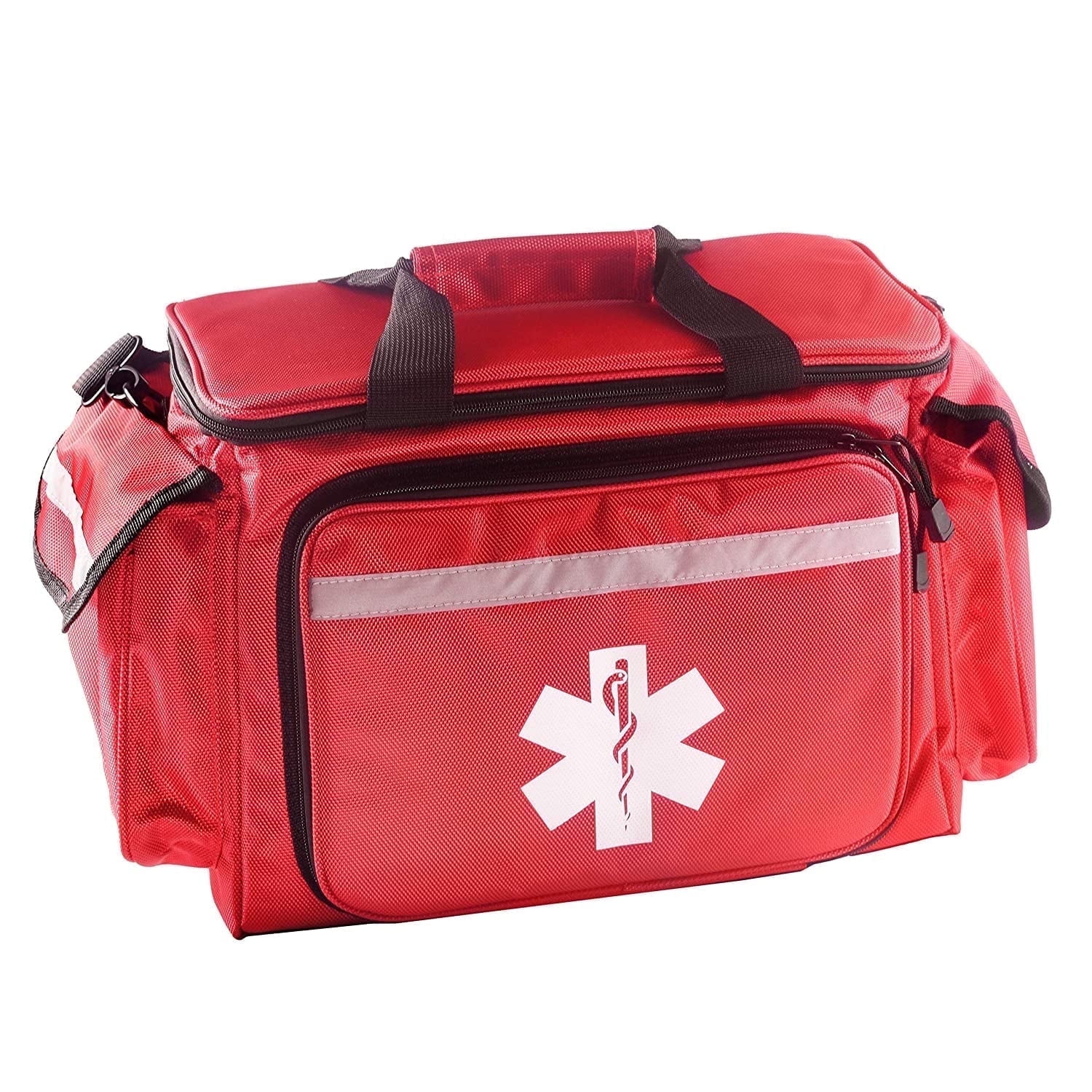
Organizing your first aid kit is more than just tidying up. It’s about making sure you can find exactly what you need, right when you need it. An empty first aid kit bag is your blank canvas. How you arrange your supplies can save precious time during an emergency.
Use Of Compartments And Labels
Compartments help separate items by type or use. Think about bandages in one section and medications in another. This reduces confusion and speeds up your response.
Labels add clarity. You can use simple tags or color codes to mark each compartment. This way, even someone unfamiliar with your kit can quickly grab what’s needed.
I once had a kit with no labels, and during a sudden allergic reaction, fumbling through everything was frustrating. After labeling, I realized how much easier it became to stay calm and act fast.
Keeping Items Accessible And Visible
Stacking supplies without thought can bury important items. Place frequently used essentials like antiseptic wipes and adhesive bandages on top or in front.
Clear pouches or see-through compartments are excellent for visibility. They let you spot items at a glance without digging through your bag.
Ask yourself: if you were in a hurry or under stress, would you find what you need immediately? Adjust your layout until the answer is yes.
Maintaining And Checking Your Kit
Maintaining and checking your empty first aid kit bag is key to being prepared for any emergency. It’s not enough to just have a kit; you need to ensure it’s ready to use at all times. Regular care keeps your supplies effective and your mind at ease.
Regular Inspections
Set a reminder to inspect your first aid kit at least once every three months. During these checks, open the bag and look over every item carefully.
- Check for any tears or damage to the bag itself that might expose contents to dirt or moisture.
- Look inside to see if anything is missing or out of place.
- Make sure all packaging is intact and clean.
Have you ever grabbed your kit only to find it empty or missing something crucial? Regular inspections prevent this frustrating situation.
Replacing Expired Items
Expiration dates on first aid items matter because expired supplies may not work properly. Bandages might lose their adhesive, and medications can become ineffective or unsafe.
Keep a list of items with their expiration dates and update it when you add new supplies. Replace any item that is past its date immediately.
- Check ointments, antiseptic wipes, and medications first as they often expire sooner.
- Swap out any damaged packaging or items that look worn.
Think about the last time you needed a bandage—would you trust an old, dried-out one? Ensuring fresh supplies can make a real difference in an emergency.
Credit: www.walmart.com
Quick Restock Strategies
Running into an empty first aid kit bag can be stressful, especially during an emergency. Quick restock strategies help you stay prepared without wasting time or missing essentials. These simple habits keep your kit ready and reliable whenever you need it most.
Creating A Restock Checklist
A clear checklist is your best tool for quick restocking. Write down all the essential items your first aid kit must have, such as bandages, antiseptic wipes, pain relievers, and scissors.
Keep this list handy, maybe as a note on your phone or a printed copy near your kit. Check your supplies regularly—every month or after each use—to spot what’s running low. This way, you avoid missing critical items when you need them fast.
Have you ever opened your kit only to realize you’re missing something crucial? A checklist stops that from happening and makes restocking less overwhelming.
Emergency Backup Supplies
Besides your main first aid kit, keep a small backup stash of critical items in different places like your car, office, or backpack. Focus on high-use, quick-need items like adhesive bandages, antiseptic cream, and painkillers.
This backup supply acts as a safety net if your main kit is empty or inaccessible. It also helps in situations where you can’t carry your full kit but still want to be prepared.
Think about where you spend most of your time and what emergencies might happen there. Having emergency backups tailored to those spots can make all the difference in a crisis.
Frequently Asked Questions
Why Is My First Aid Kit Bag Empty?
An empty first aid kit bag means it lacks essential supplies. It could be due to recent use or neglect. Always check and restock your kit regularly to ensure readiness for emergencies. An empty kit defeats its purpose in urgent situations.
What Should I Include In A First Aid Kit Bag?
Include bandages, antiseptic wipes, adhesive tape, scissors, gloves, and pain relievers. Add items based on personal needs, like allergy medication. A well-stocked kit prepares you for minor injuries and emergencies effectively.
How Often Should I Check My First Aid Kit?
Check your first aid kit every 3 to 6 months. Inspect for expired items, damaged supplies, or missing components. Regular checks ensure your kit remains functional and ready when needed.
Can I Use Any Bag For A First Aid Kit?
Yes, but choose a durable, waterproof, and easy-to-carry bag. It should have compartments to organize supplies neatly. Proper storage protects contents and ensures quick access during emergencies.
Conclusion
An empty first aid kit bag is a risk you should avoid. Keep it stocked with essential supplies. Check your kit regularly to replace used or expired items. A ready first aid kit can help in emergencies. It brings peace of mind and safety to your home or travel.
Don’t wait for accidents to happen. Prepare now and stay safe. Simple steps make a big difference in emergencies. Your health and safety matter most.

I’m Abby Lu, a passionate home cook who loves simplifying everyday meals. At PlugChef.com, I share product reviews and cooking guides to help you find the best tools for your kitchen.
Related posts:
 What Type of Cooking Utensils are Safe: Expert Picks
 What Innovations Could Blenders Make: Unleashing Future Tech
 Smart Strategies to Organize a Small Kitchen: Maximize Space
 How to Organize a Kitchen Cabinet: Expert Tips & Tricks
 How to Organize Kitchen Drawers: Expert Tips and Tricks
 How to Organize a Corner Kitchen Cupboard: Expert Tips

