
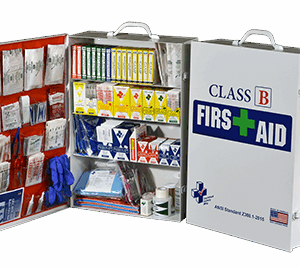
When it comes to workplace safety, having the right first aid kit is not just a good idea—it’s a must. If you work in mining or any related industry, you need to know the MSHA first aid kit requirements inside and out.
These rules are designed to keep you and your team safe during emergencies. But what exactly should your first aid kit include? And how can you be sure it meets all the necessary standards? Keep reading, because understanding these requirements could make all the difference when every second counts.
Your safety depends on it.
Msha First Aid Kit Basics
Understanding the basics of MSHA first aid kit requirements is crucial. These kits are essential for ensuring safety in mining operations. They are designed to handle injuries that occur in such environments. Having the right kit can make a difference in emergency situations.
Kit Purpose And Scope
The MSHA first aid kit is tailored for mining settings. It aims to address common injuries in these environments. This includes cuts, fractures, and burns. The scope of the kit covers immediate care until professional medical help arrives. It is crucial for workers to have access to these kits at all times.
Regulatory Standards
MSHA sets specific standards for first aid kits. These standards ensure kits are well-equipped for emergencies. They specify the types of supplies that must be included. Compliance with these standards is mandatory for mining operations. Regular checks are necessary to ensure kits meet these requirements. This helps maintain safety and readiness on-site.
Required First Aid Supplies
Every workplace must have a first aid kit that meets MSHA requirements. The kit should contain specific supplies to treat common injuries. These supplies help provide quick care and prevent infections or complications. Below are the essential items that must be included.
Bandages And Dressings
- Adhesive bandages in various sizes for small cuts
- Sterile gauze pads to cover larger wounds
- Roller gauze to secure dressings in place
- Elastic bandages to support sprains and strains
- Adhesive tape to hold dressings firmly
Antiseptics And Ointments
- Antiseptic wipes or solution to clean wounds
- Antibiotic ointment to prevent infection
- Hydrogen peroxide or iodine for disinfecting
Burn Treatments
- Burn dressings or gels to soothe burns
- Non-stick pads to cover burn areas
- Cold packs to reduce pain and swelling
Tools And Accessories
- Scissors for cutting tape and dressings
- Tweezers to remove splinters or debris
- Disposable gloves to maintain hygiene
- CPR face shield or mask for rescue breathing
- Thermometer to check for fever
Kit Maintenance And Inspection
Maintaining and inspecting the MSHA first aid kit is essential for safety compliance. Regular checks ensure the kit is fully stocked and ready for emergencies. Proper maintenance helps prevent delays during accidents. It also guarantees that all supplies meet safety standards and are not expired.
Regular Inspection Schedule
Set a fixed schedule to inspect the first aid kit. Weekly or monthly checks work well in most workplaces. Look for damaged packaging and missing items. Confirm that the kit is stored in an accessible place. Prompt inspections reduce the risk of using faulty supplies.
Replacing Expired Items
Check expiration dates on all first aid supplies. Replace any item past its expiry immediately. Expired items may not work effectively or could be unsafe. Stock fresh bandages, ointments, and medications regularly. Use a checklist to spot expired products easily.
Record Keeping
Keep detailed records of each inspection and maintenance activity. Note the date, items checked, and replacements made. Use a logbook or digital system for tracking. Accurate records help meet MSHA regulations. They also assist in identifying patterns or frequent shortages.

Credit: hsi.com
Training And Accessibility
Ensuring that your workplace meets MSHA first aid kit requirements involves more than just having supplies on hand. Training and accessibility are critical to making sure those supplies can actually save lives. Without proper preparation and easy access, a first aid kit’s value drastically decreases.
Employee First Aid Training
Every employee should know how to use the first aid kit effectively. Training sessions that cover basic first aid skills empower your team to respond confidently during emergencies. You might think just having a kit is enough, but without training, valuable time can be lost in a crisis.
Consider running hands-on drills that simulate real incidents. This practice helps employees remember how to apply bandages, perform CPR, or handle burns. What’s your current training schedule like? Regular refreshers keep skills sharp and ready.
Kit Placement And Access
First aid kits need to be easy to find and reach. Placing kits in visible, well-marked locations reduces response time. Think about areas with high risk or heavy traffic – those spots should have multiple kits nearby.
Labeling the kits clearly and ensuring they are not locked away behind barriers is essential. How quickly could someone grab a kit in your facility right now? Accessibility can be the difference between a minor injury and a serious one.
Emergency Response Planning
Having a first aid kit is only part of the equation. A clear, practiced emergency response plan guides everyone on what to do next. This plan should outline roles, communication steps, and procedures following an injury.
Integrate the first aid kit’s location and contents into your plan. When everyone knows their role and the resources available, the entire team becomes more effective. Have you mapped out your emergency procedures recently to ensure they align with MSHA standards?
Common Compliance Challenges
Meeting MSHA first aid kit requirements can be tricky. Many face common challenges that cause non-compliance. Understanding these issues helps maintain safety and avoid penalties.
Regular checks and updates are essential to keep kits compliant. Below are key challenges and how to handle them effectively.
Avoiding Kit Shortages
First aid kit shortages happen when supplies run out or expire. Missing items can delay treatment and violate MSHA rules. Regular inventory checks prevent shortages.
- Set a schedule to inspect kit contents monthly.
- Replace used or expired items immediately.
- Keep a checklist of required items for quick review.
Ensuring Proper Labeling
Labels on first aid kits must be clear and accurate. Incorrect or missing labels cause confusion in emergencies and fail MSHA inspections. Use simple, visible labels.
- Include “First Aid Kit” on the container.
- List contents and expiration dates inside the kit.
- Use waterproof labels to avoid damage.
Adapting To Regulatory Updates
MSHA rules can change over time. Staying updated ensures kits meet current standards. Ignoring updates risks fines and unsafe conditions.
- Subscribe to MSHA newsletters for new rules.
- Train staff on changes affecting first aid kits.
- Review and adjust kits after each regulatory update.

Credit: www.safetyandhealthmagazine.com

Credit: cloudsds.com
Frequently Asked Questions
What Are The Basic Msha First Aid Kit Requirements?
MSHA requires first aid kits to have supplies for treating minor injuries. Kits must include bandages, antiseptics, gloves, and burn care items. They should be easily accessible in all mining areas. Regular inspections ensure kits remain stocked and functional.
How Often Must Msha First Aid Kits Be Inspected?
MSHA mandates frequent inspections of first aid kits. Inspections should occur at least monthly to check supply levels and expiration dates. Prompt restocking maintains readiness for emergencies. Proper documentation of inspections is also required for compliance.
Are Msha First Aid Kits Different For Surface And Underground Mines?
Yes, MSHA first aid kits vary by mining environment. Surface kits focus on common injuries like cuts and abrasions. Underground kits include additional items for unique hazards such as respiratory aids. Both types must meet MSHA’s minimum content standards.
Who Is Responsible For Maintaining Msha First Aid Kits?
Mine operators hold responsibility for first aid kit maintenance. They must ensure kits are complete, accessible, and inspected regularly. Training staff on kit location and use is also essential. Compliance with MSHA standards reduces injury risks on site.
Conclusion
Keeping a proper MSHA first aid kit is essential for workplace safety. It helps treat injuries quickly and prevents complications. Every mining site must follow the MSHA first aid kit requirements closely. Regular checks ensure the kit stays complete and ready for use.
Training workers on first aid kit contents saves lives during emergencies. Safety starts with preparation and attention to detail. Don’t wait for accidents to happen. Stay prepared, stay safe.

I’m Abby Lu, a passionate home cook who loves simplifying everyday meals. At PlugChef.com, I share product reviews and cooking guides to help you find the best tools for your kitchen.
Related posts:
 What Type of Cooking Utensils are Safe: Expert Picks
 What Innovations Could Blenders Make: Unleashing Future Tech
 Smart Strategies to Organize a Small Kitchen: Maximize Space
 How to Organize a Kitchen Cabinet: Expert Tips & Tricks
 How to Organize Kitchen Drawers: Expert Tips and Tricks
 How to Organize a Corner Kitchen Cupboard: Expert Tips

