
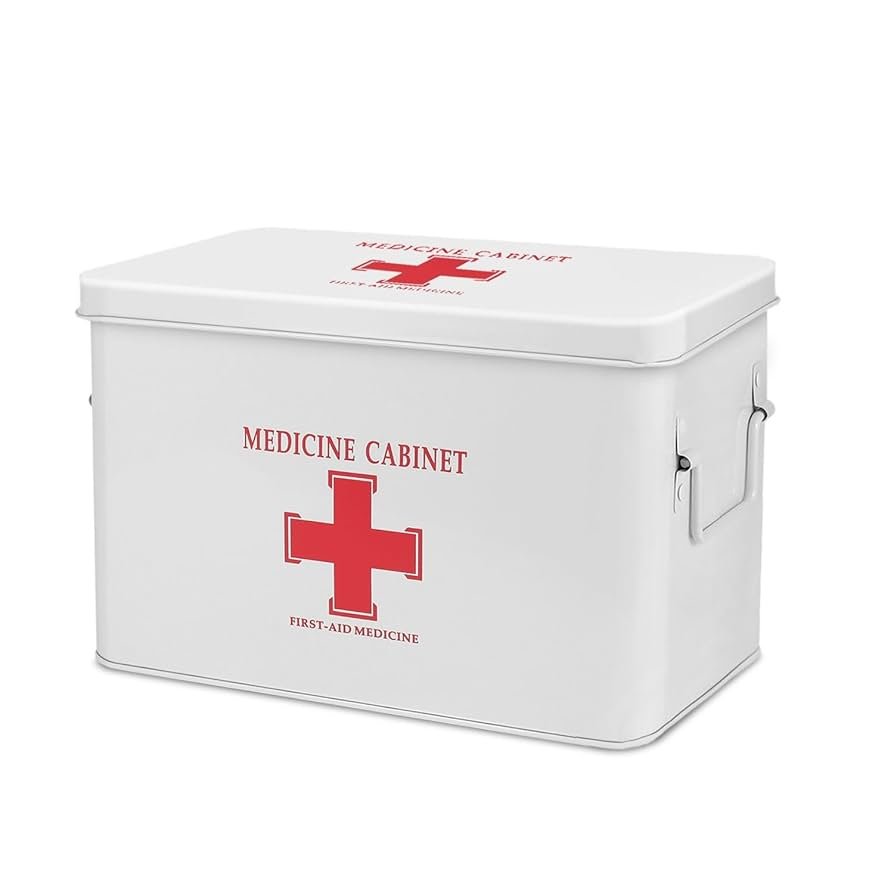
When an emergency strikes, having a well-organized first aid kit can make all the difference. But have you ever thought about the container that holds your supplies?
The right container for your first aid kit doesn’t just keep things tidy – it makes finding what you need quick and stress-free. Imagine reaching for a bandage or antiseptic in a rush and knowing exactly where it is. You’ll discover how choosing the perfect container can improve your safety and peace of mind.
Keep reading to find out what to look for and how to pick the best container for your first aid kit.
Choosing The Right Container
A good container for a first aid kit should be sturdy and easy to carry. It must protect supplies from moisture and damage. Clear labeling helps find items quickly in an emergency.
Choosing the right container for your first aid kit is essential. It ensures the kit remains organized and accessible during emergencies. The container should be durable, portable, and spacious enough to store all necessary items. Let’s explore the key factors in selecting the best container.Material Options
The material of the container affects its durability and protection. Plastic containers are lightweight and waterproof, ideal for indoor use. Metal boxes offer superior durability, perfect for outdoor activities. Fabric bags provide flexibility and are easy to carry, though less protective.Size And Capacity
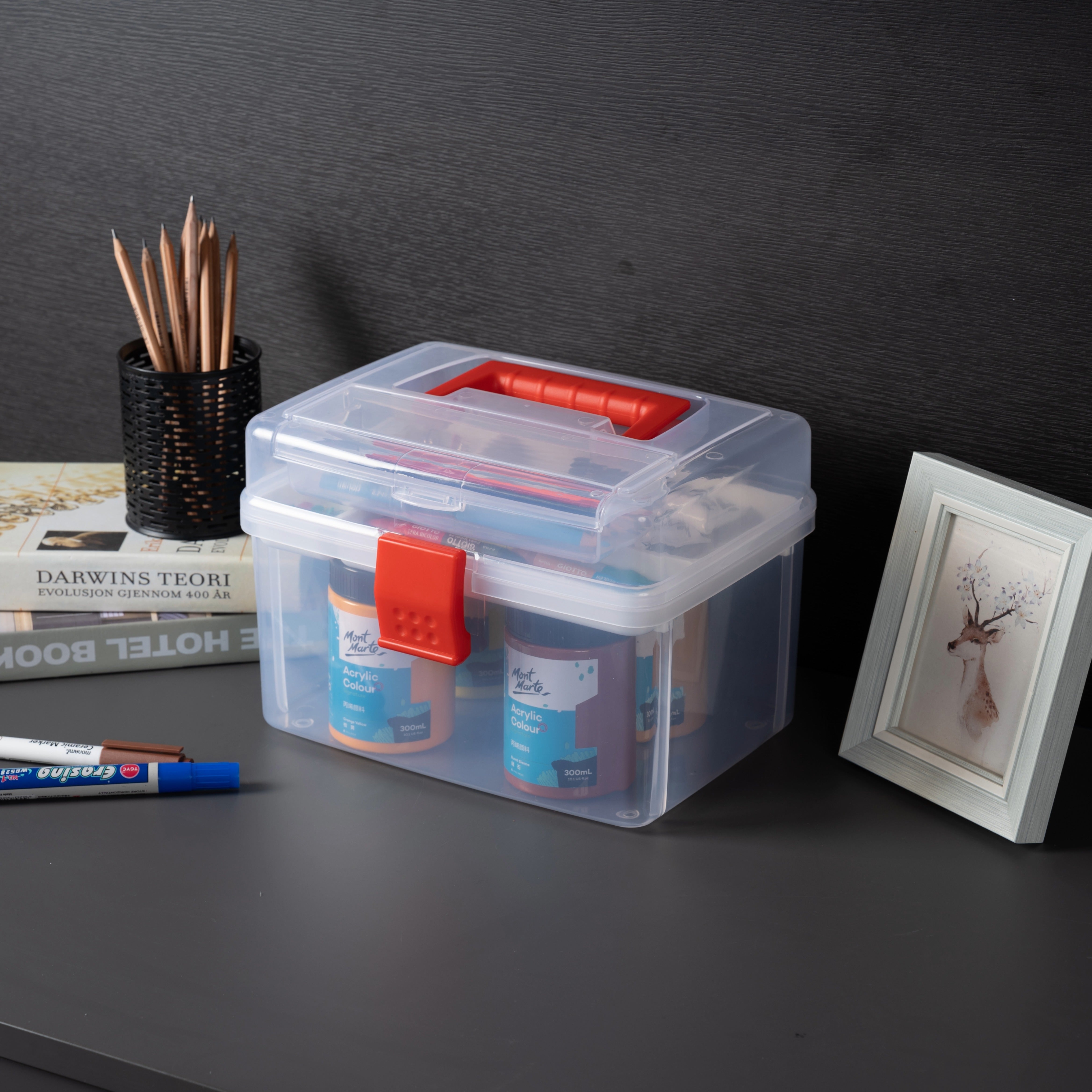
Consider the number of items in your kit. Small containers are suitable for personal use or travel. Larger boxes accommodate more supplies, ideal for family or group outings. Ensure the container has compartments to keep items organized.Portability Features
Ease of transportation is crucial. Look for containers with handles or straps for easy carrying. Compact designs fit well in backpacks or vehicles. Lightweight options enhance mobility without sacrificing space for essentials.Organizing Contents Efficiently
Keeping your first aid kit organized is more than just neatness—it can save valuable time during emergencies. Efficient organization ensures you find what you need quickly without rummaging through a chaotic container. Let’s look at some practical ways to arrange your kit so every item has its place and purpose.
Compartmentalization
Dividing your first aid kit into clear sections makes a big difference. Use small boxes, zippered pouches, or plastic dividers to separate items by type—bandages in one spot, ointments in another, and tools like scissors or tweezers in a dedicated section.
Think about how you reach for items during a sudden injury. Having categories keeps things simple and speeds up your response. You can even customize compartments based on the specific needs of your household or workplace.
Labeling Items
Labels are your best friend when it comes to quick identification. Attach clear, easy-to-read labels on each compartment or pouch. This way, even someone unfamiliar with the kit can find what they need without hesitation.
Consider using waterproof labels or printing with a permanent marker to avoid smudging. Color coding can also help—red for emergencies, green for daily use, or blue for medications, for example. What labels would make the most sense for your setup?
Accessibility Considerations
Think about where and how you store your first aid kit. It should be easy to grab in a hurry, so avoid deep cabinets or cluttered shelves. If you have kids or elderly family members, place the kit at a height everyone can reach.
Also, keep frequently used items at the top or front of the container. This small adjustment can shave off precious seconds when time matters most. Have you ever struggled to find a bandage or antiseptic in a messy kit?
Ensuring Safety And Hygiene
Keeping a first aid kit safe and clean is essential for effective emergency care. The container plays a key role in protecting its contents. Proper safety and hygiene prevent infections and damage to supplies. Choosing the right container ensures readiness and peace of mind.
Waterproofing
A waterproof container shields the kit from water damage. Moisture can ruin bandages, medicines, and tools. A sealed, water-resistant box keeps everything dry during spills or rain. This protection extends the shelf life of first aid items. It also stops mold and bacteria growth inside the kit.
Easy To Clean Materials
Containers made of smooth, non-porous materials clean quickly. Plastic or metal surfaces resist stains and germs. Wiping with disinfectant removes dirt and bacteria easily. This maintenance keeps the kit hygienic and ready for use. Avoid fabrics or porous materials that absorb moisture or dirt.
Childproof Locks
Childproof locks prevent accidental opening by young children. They keep harmful medicines and sharp tools out of reach. These locks ensure the kit is accessible only to adults. Safety features reduce the risk of accidents at home or school. Secure closure also protects the kit during transport.
Credit: www.mygift.com
Placement And Storage Tips
Choosing the right spot to place your first aid kit is just as important as keeping it well-stocked. Proper placement ensures you can reach it quickly when every second counts. Let’s look at some practical tips on where and how to store your kit effectively.
Ideal Locations
Think about areas in your home or workplace where injuries are most likely to happen or where people spend a lot of time. Common places include the kitchen, garage, and near outdoor activity spots.
Keep one in your car if you travel often. Also, consider locations like bedrooms or bathrooms for easy access during the night or early morning.
Avoiding Extreme Conditions
Heat, moisture, and freezing temperatures can damage medical supplies. Never store your kit near heaters, stoves, or in damp basements.
Plastic containers with airtight seals help protect contents, but remember to check regularly for any signs of damage or expired items.
Visibility And Accessibility
Your first aid kit should be easy to spot and reach for anyone in need, even in a panic. Use bright labels or place it in a clear container so it stands out.
Consider mounting it on a wall or keeping it on a low shelf where children can also access it safely, depending on your household’s needs.
Ask yourself: In an emergency, would you know exactly where to find your kit without hesitation?
Maintaining And Updating The Kit
Maintaining and updating your first aid kit container is key to readiness. A well-kept kit ensures safety and fast response during emergencies. Regular care helps avoid missing or outdated supplies. It also adapts the kit to changing health needs and environments.
Regular Inspections
Check your first aid kit every month. Look inside the container for dirt or damage. Make sure all items are present and organized. Confirm that the container closes tightly to protect contents. Clean the container if needed. This keeps supplies fresh and easy to find.
Replacing Expired Items
Inspect all items for expiration dates. Medicines and ointments lose effectiveness after expiry. Replace any item past its date. Keep track of the replacement dates in a list. Use clear labels to spot expired goods quickly. Fresh supplies guarantee proper treatment when needed.
Updating For Seasonal Needs
Change your kit contents based on the season. Add sunscreen and insect repellent in summer. Include extra bandages for winter skin cracks. Consider allergy medicines during spring pollen season. Adjusting supplies helps face seasonal health risks. Keep your kit ready for all weather conditions.

Credit: www.amazon.com

Credit: www.mercadolibre.com.mx
Frequently Asked Questions
What Is The Best Container For A First Aid Kit?
The best container is waterproof, durable, and easy to carry. It should have compartments to organize supplies efficiently. A compact and lightweight box or bag works well for quick access in emergencies.
How To Choose A First Aid Kit Container Size?
Select a container size based on the number of items and storage space. Small kits suit home use, while larger containers fit workplaces or travel needs. Ensure it fits comfortably in your intended storage area.
Why Use A Waterproof Container For First Aid Kits?
Waterproof containers protect supplies from moisture and damage. This ensures bandages, medications, and tools stay sterile and effective. It is crucial for outdoor activities or humid environments to maintain kit readiness.
Can I Use A Plastic Box For My First Aid Kit?
Yes, a sturdy plastic box is ideal for first aid kits. It is lightweight, durable, and easy to clean. Choose one with secure latches and compartments to keep supplies organized and protected.
Conclusion
Choosing the right container keeps your first aid kit safe and organized. It helps you find supplies quickly during emergencies. A good container protects items from water, dust, and damage. Compact and durable boxes fit easily in cars or bags.
Clear labeling adds convenience and saves time. Keep your kit ready with a reliable container. Stay prepared and confident in any situation. Safety starts with simple, smart choices.

I’m Abby Lu, a passionate home cook who loves simplifying everyday meals. At PlugChef.com, I share product reviews and cooking guides to help you find the best tools for your kitchen.
Related posts:
 What Type of Cooking Utensils are Safe: Expert Picks
 What Innovations Could Blenders Make: Unleashing Future Tech
 Smart Strategies to Organize a Small Kitchen: Maximize Space
 How to Organize a Kitchen Cabinet: Expert Tips & Tricks
 How to Organize Kitchen Drawers: Expert Tips and Tricks
 How to Organize a Corner Kitchen Cupboard: Expert Tips

