
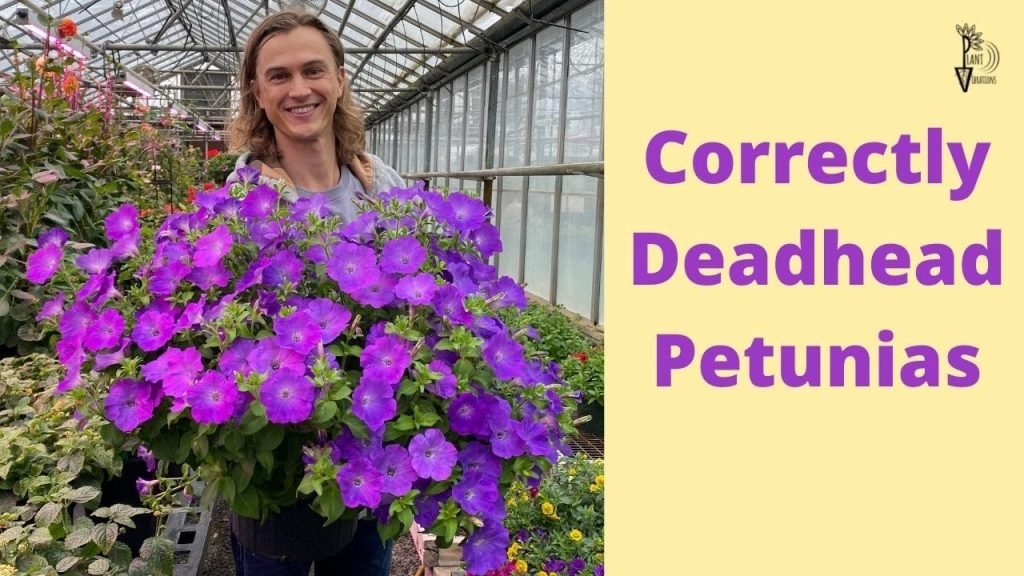
Picture this: You step into your garden, and the vibrant cascade of petunias in your hanging baskets immediately catches your eye. Their dazzling colors are a sight to behold, but there’s a small secret to keeping them lush and blooming all season long—deadheading.
If you’ve ever wondered how to keep your petunias looking their best, you’re in the right place. By mastering the art of deadheading, you can transform your garden into a floral paradise. In this guide, we’ll explore how to deadhead petunias in hanging baskets effectively.
We’ll also share tips on how to care for, prune, and grow these stunning flowers, ensuring they last as long as possible. Whether you’re a seasoned gardener or a green-thumbed novice, this article will help you unlock the secrets to thriving petunia hanging baskets. Ready to elevate your garden game? Let’s dive in!
:strip_icc()/BHG-How-to-Deadhead-Petunias-100337019-9acc2efff9454bf79ddd31d1700f9559.jpg)
Credit: www.bhg.com
How To Care For Petunias In Hanging Baskets
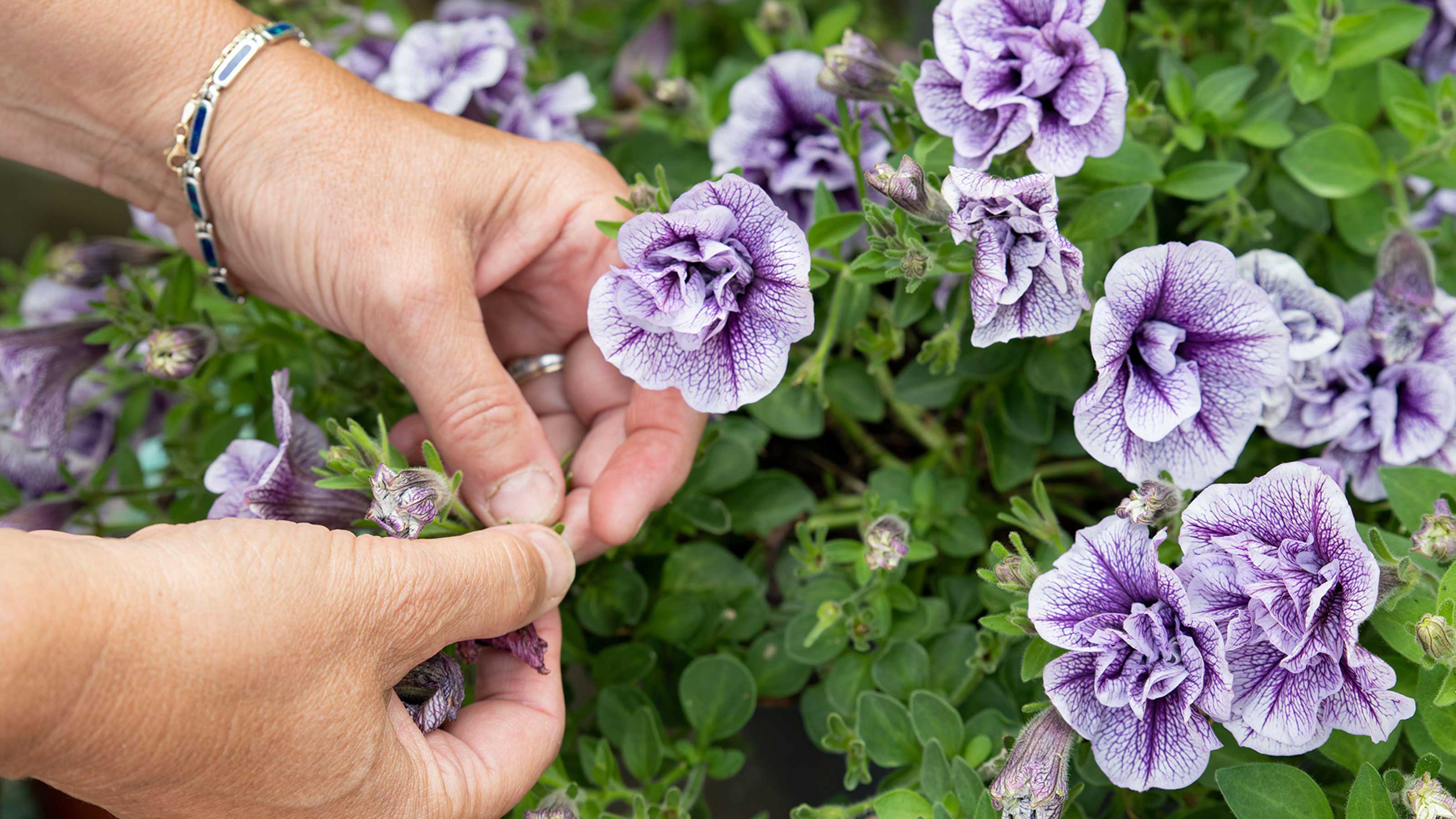
Gently pinch off faded blooms from your petunias in hanging baskets. This encourages more flowers to grow. Regularly deadheading keeps the plant looking healthy and vibrant.
Petunias in hanging baskets can add vibrant color to your space. Their cascading blooms brighten any area, making them a popular choice. But to keep them thriving, proper care is essential. Let’s explore how to nurture these beauties. Watering Needs Consistent watering is crucial for petunias.
They require moist, well-drained soil: – Frequency: Water them once a day. – Timing: Water early in the morning. – Amount: Ensure the soil is moist but not soggy. – Check: Feel the soil; if dry, water them. Sunlight Requirements Petunias thrive with adequate light.
They enjoy basking in the sun’s rays. For best results, ensure they get at least six hours of sunlight daily. This helps their blooms remain vibrant and healthy. Position your baskets where they receive ample sun exposure. Fertilization Tips Regular feeding boosts their growth.
Use a balanced liquid fertilizer every couple of weeks. This ensures they receive the nutrients needed for robust blooms. Fertilize in the early morning or late evening for best absorption. Pruning Practices Pruning helps maintain shape and encourages blooms. Regularly remove any dead or damaged stems.
This practice prevents disease and promotes new growth. Keep an eye out for wilting flowers and trim them promptly. Pest Control Protecting petunias from pests is vital. Watch out for aphids and caterpillars: – Identification: Look for tiny insects or holes in leaves.
– Solution: Use organic insecticidal soap. – Frequency: Apply weekly or as needed. – Monitor: Regularly check for new infestations. Soil Considerations Proper soil is key for healthy petunias. Use a well-draining potting mix. This type of soil prevents waterlogging and root rot.
Refresh the soil annually to maintain its nutrient quality.
How To Care For Petunias In A Hanging Basket
Gently remove faded blooms from petunias in hanging baskets to encourage new growth. Pinch the stem just above the leaf node. Regular deadheading keeps the flowers blooming beautifully.
Petunias in hanging baskets can transform any space with their vibrant blooms. Their cascading flowers add charm and color. But, to keep them thriving, they need proper care. Let’s explore how to maintain these beauties in your hanging baskets. Watering Petunias Watering is crucial for petunias’ health.
They need consistent moisture. – Frequency: Water them every two to three days. – Soil moisture: Check soil daily; it should be slightly damp. – Drainage: Ensure the basket has good drainage to prevent root rot. Fertilizing Petunias Feeding petunias boosts their growth and flowering.
They need regular nutrients. – Type of fertilizer: Use a balanced, water-soluble fertilizer. – Feeding schedule: Feed every two weeks during blooming. – Application: Mix fertilizer with water for easy absorption. Pruning Petunias Pruning encourages new growth and keeps the plant tidy.
Cut back any leggy stems by half. This will promote bushier growth. Regular pruning also helps to prevent diseases. Protecting from Pests Petunias can attract pests. It’s important to keep them safe. – Common pests: Watch for aphids and caterpillars.
– Natural remedies: Use neem oil spray to deter pests. – Regular inspection: Check leaves and flowers weekly for signs of infestation. Ensuring Sunlight Petunias love the sun. They need plenty of light to bloom. Place baskets in a sunny spot.
Aim for at least six hours of sunlight daily. This ensures vibrant and healthy blooms.
How To Prune Petunias In A Hanging Basket
Pruning petunias in hanging baskets involves regularly removing faded blooms. This encourages new growth and prevents seed formation. Simply pinch off dead flowers with your fingers or scissors, focusing on the base of the bloom.
Keeping petunias vibrant in hanging baskets can be a rewarding task. These colorful blooms brighten up any space, but they need a little care to flourish. Pruning is an essential step in this process. Let’s explore how to prune petunias in hanging baskets effectively.
Why Prune Petunias? Pruning helps petunias grow stronger and bloom longer. It involves removing parts of the plant to encourage new growth. This also prevents the plant from getting leggy or overgrown. Tools Needed for Pruning Before you start, gather the necessary tools.
Here are the basic tools you’ll need: – Sharp Scissors or Pruners: Ensure they are clean to prevent disease. – Gloves: Protects your hands from dirt and plant sap. – Container for Debris: Collect the cuttings for easy disposal. Steps to Prune Petunias Pruning petunias is simple if done correctly.
Follow these steps for successful pruning: – Identify Dead or Dying Flowers: Look for faded blooms and remove them. – Pinch Back Stems: Encourage bushier growth by pinching stems back to a leaf node. – Trim Leggy Growth: Cut back long stems to maintain shape and promote blooms.
Best Time to Prune Timing is crucial for pruning. Here’s when you should prune your petunias: – Early Morning or Late Afternoon: Avoid the hottest part of the day. – Regularly Throughout the Growing Season: Keep up with deadheading for continuous blooms.
By following these tips, your hanging basket petunias will thrive, offering a stunning display of color and beauty throughout the season.
How To Grow Petunias In Hanging Baskets
Trim faded blooms to encourage new growth in petunias. This keeps hanging baskets vibrant and healthy. Regular deadheading promotes more flowers and prevents seed formation.
Growing petunias in hanging baskets adds color to your outdoor space. Their trailing nature makes them perfect for such displays. With proper care, they can thrive beautifully in hanging baskets. Choosing the Right Basket Selecting a basket is crucial for petunias’ growth: – Size matters: Ensure the basket is big enough for root expansion.
– Material choice: Opt for breathable materials like coco liners. – Drainage: Check for adequate drainage holes to prevent waterlogging. Soil and Fertilizer Needs Petunias require specific soil and nutrients for optimal growth. Use a soil mix rich in organic matter.
This helps retain moisture and nutrients. Regular feeding with a balanced fertilizer promotes vibrant blooms. Always follow the package instructions to avoid over-fertilizing. Watering Tips Watering petunias correctly is key to their health: – Consistent schedule: Water regularly to keep soil moist, not soggy.
– Morning routine: Early watering prevents evaporation during hot days. – Check dryness: Test soil with your finger to assess moisture level. Light Requirements Sunlight plays a vital role in petunias’ thriving. Petunias love sunlight. Hang baskets where they receive at least six hours of sun daily.
Too much shade can result in fewer flowers. Adjust the basket’s position if blooms are sparse. Pruning for Better Growth Pruning encourages fuller, healthier plants: – Remove spent blooms: Cut off dead flowers to boost new growth. – Trim excess stems: This prevents legginess and maintains shape.
– Regular check-up: Inspect weekly for any damaged parts needing removal.
How To Grow Petunias In A Hanging Basket
Keep petunias blooming by regularly deadheading them in hanging baskets. Remove wilted flowers using scissors or fingers. This simple task encourages new growth and maintains vibrant displays.
Growing petunias in hanging baskets can transform any outdoor space. These vibrant flowers add a splash of color, making them a favorite for gardeners. While petunias are relatively easy to grow, they do require some care. Here’s how to ensure your hanging baskets thrive.
Choosing the Right Basket Selecting the right basket is crucial for your petunias. – Size matters: A larger basket can hold more soil and retain moisture. – Material choice: Wire baskets with coconut liners are breathable, while plastic ones retain water better.
– Drainage needs: Ensure your basket has proper drainage to prevent root rot. Soil Selection The foundation for healthy petunias is good soil. – Well-draining mix: Use a mix that drains well to avoid waterlogging. – Nutrient-rich: Add compost or slow-release fertilizer for better growth.
– pH level: Keep the soil slightly acidic, around 6. 0 to 7. 0 pH. Planting Petunias Planting petunias correctly ensures lush blooms. – Spacing: Allow enough space for air circulation. – Depth: Plant them at the same depth as in their original pots.
– Sunlight: Place baskets where they receive 5-6 hours of sun daily. Watering Needs Watering is a key aspect of caring for petunias. – Regular watering: Water them thoroughly, especially in hot weather. – Morning schedule: Water in the morning to reduce evaporation.
– Consistent moisture: Keep the soil consistently moist but not soggy. Fertilization Tips Feeding your petunias boosts their growth. – Balanced fertilizer: Use a balanced liquid fertilizer every two weeks. – Avoid over-fertilization: Too much can lead to fewer blooms.
– Organic options: Consider organic fertilizers for a natural approach. Pruning and Maintenance Regular maintenance keeps your petunias healthy. Pruning involves removing dead blooms and leggy stems. This encourages new growth and keeps your basket looking tidy. Regularly check for pests and diseases to address them promptly.
How To Grow Petunia Hanging Baskets
Deadheading petunias in hanging baskets boosts growth and prolongs flowering. Pinch off faded blooms at the stem. This encourages more vibrant and lush blossoms throughout the season. Regular maintenance keeps your petunia baskets looking full and colorful.
Growing petunia hanging baskets can bring vibrant color to your garden or patio. With cascading blooms, these baskets are a stunning addition to any outdoor space. They are relatively easy to care for, making them perfect for beginners and seasoned gardeners alike.
Let’s explore the steps to create your own flourishing petunia hanging basket. Choosing the Right Petunias Selecting the right petunias is crucial for a blooming basket. Consider the following tips: – Varieties: Pick trailing types for a cascading effect. – Colors: Choose colors that complement your garden theme.
– Growth Habit: Opt for vigorous growers for fuller baskets. Preparing Your Basket A good setup is key to a healthy basket. Here’s what you need: – Container: Select a sturdy hanging basket. – Soil: Use lightweight potting mix for proper drainage.
– Liner: Add a liner to retain moisture. Planting Petunias Planting petunias correctly ensures their growth. Follow these steps: – Position: Place in a sunny spot for optimal light. – Spacing: Space plants evenly for balanced growth. – Watering: Water thoroughly after planting.
Caring for Your Petunia Basket Regular care keeps your basket blooming. Consider these maintenance tips: – Watering: Ensure consistent moisture without over-saturating. – Fertilizing: Use balanced fertilizers for vibrant blooms. – Pruning: Trim dead flowers to encourage new growth. Protecting from Pests Protecting your petunias from pests is crucial.
Here’s what to do: – Inspection: Check regularly for signs of pests. – Natural Remedies: Use mild soap solutions for pest control. – Environment: Maintain clean surroundings to deter pests. By following these steps, your petunia hanging baskets will thrive, adding beauty to your outdoor space.
How To Plant A Petunia Hanging Basket
To keep petunias blooming, remove faded flowers regularly. Gently pinch off the wilted blooms using your fingers. This encourages more vibrant growth and extends the flowering season in your hanging baskets.
Petunias are a colorful addition to any garden. Planting them in hanging baskets elevates their beauty. The cascading blooms create a stunning visual. These baskets can brighten up patios and balconies. Let’s explore how to plant them effectively. Choosing the Right Basket Selecting the right basket is crucial.
Here’s how you can decide: – Size matters: Ensure the basket is large enough for growth. – Material selection: Opt for materials like wire or plastic. – Drainage holes: Essential for preventing waterlogging. Preparing the Potting Mix A good potting mix is the foundation for healthy plants.
It should have essential nutrients. It also should provide adequate drainage. Planting the Petunias Now it’s time to plant. Follow these simple steps: – Fill the basket: Use your potting mix. – Create holes: Space them evenly for each plant.
– Position petunias: Gently place them in the holes. – Cover roots: Ensure they’re fully covered with soil. Watering and Maintenance Watering is vital for petunia health. Regularly check the soil moisture. Avoid overwatering to prevent root rot. Keep an eye out for pests and remove dead blooms to promote new growth.
How Long Do Petunias Last In Hanging Baskets
Petunias in hanging baskets bloom beautifully for several months. Deadhead them regularly by pinching off faded flowers. This encourages new growth and prolongs their vibrant display.
Petunias brighten up any space with their vibrant colors. These charming flowers are a popular choice for hanging baskets. But how long can you expect them to last? Let’s explore. Lifespan of Petunias in Hanging Baskets Petunias are a favorite for their long blooming season.
They thrive from spring to fall. With proper care, they can last even longer. Here’s what affects their lifespan: – Sunlight: Petunias need full sun. Ensure they get at least six hours daily. – Watering: Keep the soil moist. Don’t let them dry out completely.
– Temperature: They prefer warm weather. Frost can damage them. – Fertilization: Regular feeding helps. Use a balanced, water-soluble fertilizer. – Deadheading: Removing spent blooms encourages new growth. Enhancing Petunia Longevity You can extend the life of your petunias with simple steps.
Here’s how: – Regular Deadheading: Trim faded flowers. It promotes more blooms. – Pruning: Cut back leggy stems. It keeps the plant bushy and full. – Pest Control: Watch for pests. Use safe methods to manage them. – Soil Health: Use quality potting mix.
It supports healthy growth. – Consistent Care: Stick to a routine. Consistency is key for longevity. Signs Your Petunias Need Attention Recognizing issues early can save your petunias. Look out for these signs: – Wilting Leaves: May indicate over or under-watering.
– Yellow Leaves: Could be a sign of nutrient deficiency. – Sparse Blooms: Check for pests or lack of deadheading. – Brown Edges: Often caused by too much sun or wind exposure. By understanding these aspects, you can enjoy petunias in your hanging baskets for months.
Keep an eye on their needs, and they will reward you with continuous beauty.
How Often To Water Petunia Hanging Basket
Water petunia hanging baskets every two to three days. Ensure soil remains moist but not soggy. Deadhead petunias regularly for vibrant blooms by pinching off faded flowers. This encourages new growth and a fuller appearance, keeping your hanging basket lively and colorful.
Caring for petunias in hanging baskets involves more than just pruning. Watering plays a crucial role in keeping them vibrant and blooming. Let’s explore how often these charming flowers need hydration to thrive in their elevated homes. Understanding Petunia Water Needs Petunias require consistent moisture to flourish.
Yet, overwatering can harm them. Striking the right balance is essential. – Frequency of watering: Petunias in hanging baskets typically need water every 2-4 days, depending on climate and basket size. – Checking soil moisture: Touch the soil surface. If dry, it’s time to water.
– Adjusting to weather: On hot days, water more frequently. Cooler weather demands less. Factors Affecting Watering Schedule Different conditions influence how often you should water petunias. These factors are key to maintaining healthy plants. – Basket material: Plastic retains moisture longer than porous materials like coco coir.
– Sun exposure: Baskets in full sun dry out faster. Shaded ones stay moist longer. – Plant size: Larger plants require more water to sustain growth. Tips for Watering Petunias Proper watering ensures petunias remain lively and beautiful. Here are some practical tips to guide you.
– Early morning watering: Water in the morning to reduce evaporation during the day. – Use a watering can: A gentle watering can prevent soil erosion and plant stress. – Avoid wetting leaves: Direct water to the soil. Wet leaves can encourage disease.
By understanding these aspects of watering, you can keep your petunia hanging baskets in top condition, ensuring they add a splash of color to your space.
How Often To Water Petunias In Hanging Baskets
Petunias in hanging baskets need watering once a week. Deadheading boosts blooming. Remove faded flowers carefully. This keeps plants healthy and vibrant.
Petunias are popular in hanging baskets due to their vibrant blooms. Keeping them lush requires the right watering routine. Understanding how often to water them ensures they stay healthy and beautiful. Understanding Water Needs Petunias in hanging baskets need regular watering.
The frequency depends on various factors such as weather and pot size. Consistent moisture is key, but overwatering can harm them. Ensure the soil is slightly moist, not soggy. Factors Affecting Water Frequency Several elements influence how often you should water petunias.
Let’s explore these factors: – Temperature: Hotter days require more water as soil dries quickly. – Humidity: High humidity reduces water needs since evaporation is slower. – Wind: Windy conditions dry out the soil faster. – Sun Exposure: More sun means more frequent watering to keep soil moist.
– Pot Size: Smaller pots dry out quicker than larger ones, needing more frequent attention. Tips for Effective Watering Effective watering keeps your petunias thriving. Consider these practical tips: – Morning Watering: Water early to allow the soil to dry by evening.
– Check Soil Moisture: Insert a finger into the soil; water if it’s dry an inch deep. – Avoid Wet Leaves: Water directly at the base to prevent leaf diseases. – Adjust for Rain: Skip watering when there’s rain to avoid excess moisture.
– Use a Good Drainage: Ensure the pot has drainage holes to prevent waterlogging. By understanding these tips, your petunias will flourish in any hanging basket.
How To Take Care Of Fuchsia Hanging Baskets
Regularly deadhead petunias in hanging baskets to encourage blooming. Gently pinch off faded flowers at the base. This simple task keeps your fuchsia vibrant and healthy.
Fuchsia hanging baskets bring vibrant color to any space. Their graceful blooms and cascading vines are truly stunning. However, keeping these beauties in top shape requires a bit of care. Let’s explore the essentials of maintaining your fuchsia hanging baskets.
Watering Tips Fuchsias need consistent moisture. Here’s how to ensure they’re properly hydrated: – Frequency: Water them every few days, especially during warm months. – Method: Pour water directly into the soil, avoiding the leaves. – Amount: Ensure the soil is moist but not soggy.
Pruning and Deadheading Regular pruning keeps fuchsias looking fresh. Focus on these key steps: – Pinch tips: Promote bushier growth by pinching new tips. – Remove dead blooms: Discard faded flowers for continuous blooming. – Trim branches: Cut back any overgrown or misshaped stems.
Feeding Your Fuchsia Fuchsias benefit from regular feeding. Here’s what they need: – Fertilizer type: Use a balanced liquid fertilizer every two weeks. – Application: Apply during the growing season for best results. – Timing: Feed them in the morning or evening when temperatures are cooler.
Protecting from Pests Pests can be a problem. Protect your fuchsias with these methods: – Inspection: Regularly check leaves for signs of pests. – Natural remedies: Use soapy water to deter aphids. – Prevention: Keep baskets in well-ventilated areas to reduce pest risk.
Managing Sunlight Fuchsias thrive in specific light conditions. Keep these factors in mind: – Light preference: Fuchsias prefer partial shade, avoiding direct sunlight. – Location: Hang baskets in spots with morning sun and afternoon shade. – Adjustment: Move baskets if leaves appear scorched or faded.
Repotting Techniques Repotting keeps fuchsias healthy. Follow these guidelines: – Frequency: Repot every 1-2 years to refresh the soil. – Soil choice: Use well-draining potting mix for optimal growth. – Process: Gently remove the plant, shake off old soil, and replant in a larger basket.
Caring for fuchsia hanging baskets may seem daunting, but with these simple steps, your plants will flourish beautifully.
How To Care For A Fuchsia Hanging Basket
Deadheading petunias in hanging baskets keeps them blooming beautifully. Gently pinch off spent blooms at the stem base. Regular attention encourages new growth and vibrant flowers.
Fuchsia hanging baskets bring vibrant color to any space. Their cascading blooms are a delight. Yet, they need special care to thrive. Proper attention ensures they flourish beautifully throughout the season. Choosing the Right Location Fuchsias prefer specific conditions. Find the ideal spot with these tips: – Partial Shade: Fuchsias thrive in dappled sunlight.
Avoid direct midday sun. – Sheltered Spot: Protect the basket from harsh winds. – Good Air Circulation: Ensures healthy growth and prevents disease. Watering Needs Watering is crucial for fuchsias. They have specific needs. – Consistent Moisture: Keep the soil consistently damp, but not soggy.
– Early Morning Watering: Helps prevent leaf burn from the sun. – Check Daily: Ensure the soil isn’t drying out. Fertilizing Routine Nutrient-rich soil supports vibrant blooms. Fertilizing enhances this. – Balanced Fertilizer: Use one with equal parts nitrogen, phosphorus, and potassium.
– Every Two Weeks: Apply during the growing season for best results. – Avoid Over-fertilizing: It can harm the plant. Pruning and Deadheading Regular maintenance keeps fuchsias looking their best. Pruning and deadheading are key. – Remove Spent Blooms: Encourages more flowers to grow.
– Trim Back Long Stems: Promotes bushier growth. – Use Clean Tools: Reduces the risk of disease. Managing Pests and Diseases Fuchsias can be prone to pests. Keeping them healthy involves vigilance. – Inspect Regularly: Look for signs of insects or disease.
– Natural Remedies: Use insecticidal soap if needed. – Healthy Plants: Strong plants resist pests better. Winter Care Proper winter care ensures fuchsias return in spring. Protect them from the cold. – Move Indoors: If possible, bring them inside for winter.
– Reduce Watering: As growth slows, they need less water. – Keep Cool: A cool room helps them enter dormancy. With these care tips, fuchsia hanging baskets can thrive beautifully. Enjoy their stunning blooms all season long.
How To Care For Fuchsia Hanging Basket
Caring for fuchsia hanging baskets involves regular watering and sunlight. Deadhead petunias frequently to encourage blooming. Gently pinch off faded flowers using your fingers.
Caring for a fuchsia hanging basket can turn a simple garden into a visual delight. These plants, with their vibrant blooms, bring a splash of color. Their cascading flowers make them perfect for hanging baskets. But how do you keep them healthy and flourishing?
Watering Needs Fuchsia plants have specific watering requirements. They thrive with consistent moisture. – Frequency: Water them regularly, but avoid overwatering. – Drainage: Ensure the basket has good drainage to prevent root rot. – Observation: Check the soil daily; it should be slightly moist.
Light Requirements The right amount of sunlight is crucial. Fuchsias prefer indirect light. – Morning Sun: Position them to receive morning sun for best growth. – Afternoon Shade: Provide shade in the afternoon to prevent wilting. – Indoors: If indoors, place near a bright window.
Fertilizing Tips Feed your fuchsia to encourage blooms and growth. Regular feeding keeps them vibrant. – Type: Use a balanced liquid fertilizer every two weeks. – Timing: Fertilize during the growing season for best results. – Dilution: Always dilute the fertilizer to prevent burning the roots.
Pruning and Deadheading Pruning keeps fuchsias healthy and encourages new growth. – Deadheading: Remove faded blooms to encourage more flowers. – Pruning: Trim back any leggy growth to maintain shape. – Tools: Use clean, sharp scissors to avoid plant damage.
Caring for fuchsias can be rewarding. With the right care, they will thrive and beautify your space.
How To Care For Fuchsia Hanging Baskets
Prune fuchsia hanging baskets by removing faded blooms. This encourages new growth and enhances plant health. Regularly check for dead flowers and gently pinch them off.
Fuchsia hanging baskets bring vibrant colors to any space. Their lush blooms and cascading foliage create a stunning display. But, like any plant, they need care to thrive. Understanding their needs ensures a long-lasting floral show. Watering Fuchsia Hanging Baskets Proper watering is key.
These plants prefer moist soil without being waterlogged. – Consistent moisture: Keep the soil evenly moist, but not soggy. – Morning watering: This timing helps reduce fungal issues. – Drainage: Ensure the basket has adequate drainage holes. Light Requirements for Fuchsia Fuchsias enjoy specific light conditions.
This affects their bloom and growth. – Indirect sunlight: They prefer bright, indirect light. – Avoid harsh rays: Protect them from intense afternoon sun. Feeding Your Fuchsia Fuchsias need nutrients to maintain their lush appearance. Feeding them helps support growth and blooms.
– Balanced fertilizer: Use a general-purpose, water-soluble fertilizer. – Feeding schedule: Apply every two weeks during the growing season. Pruning Fuchsia Hanging Baskets Pruning keeps your fuchsia healthy and encourages new growth. It also helps maintain shape and size. – Regular trimming: Remove dead or yellowing leaves.
– Pinch tips: Encourage bushy growth by pinching back tips. Pest Control for Fuchsia Pests can harm your fuchsia. Keeping an eye on them is essential. – Inspect regularly: Check leaves for signs of pests. – Natural solutions: Use neem oil or insecticidal soap for control.
Overwintering Fuchsia In colder climates, fuchsias need protection during winter months. Proper winter care ensures their survival. – Indoor storage: Move them indoors before the first frost. – Reduce watering: Water sparingly when indoors. By following these tips, your fuchsia hanging baskets will thrive.
Enjoy their vibrant display all season long!
How To Take Care Of A Fuchsia Hanging Basket
Caring for a fuchsia hanging basket involves regular deadheading of petunias. Pinch off spent blooms using fingers to encourage new growth. Ensure each stem remains healthy and vibrant, promoting a continuous floral display.
Bright and colorful fuchsia hanging baskets can make any garden shine. These charming blooms, with their dangling flowers, require attention to thrive. Proper care ensures they bloom beautifully throughout the season. Watering Needs Fuchsias need consistent watering to flourish. Their soil should always be damp: – Frequency: Water them every day, especially in hot weather.
– Soil moisture: Check soil; it should never be dry. – Temperature: Increase watering if temperatures rise. Sunlight Requirements Providing the right amount of sunlight is crucial for fuchsias: – Sun exposure: Place in a spot with morning sun, avoiding harsh afternoon rays.
– Shade tolerance: They prefer partial shade in warmer months. Pruning Techniques Pruning helps maintain a healthy fuchsia basket. Regular trimming encourages new growth: – Deadheading: Remove spent flowers to promote more blooms. – Cutting: Trim leggy branches to encourage bushier growth.
Fertilizing Tips Nourishing your fuchsia ensures vibrant flowers: – Type of fertilizer: Use balanced liquid fertilizer every two weeks. – Application: Apply directly to damp soil for better absorption. Pest Management Keeping pests at bay is essential for healthy plants: – Common pests: Watch for aphids and spider mites.
– Solutions: Use gentle insecticidal soap to treat infestations. Seasonal Adjustments Adjust care based on the season to keep fuchsias thriving: – Winter care: Protect from frost; bring indoors if temperatures drop. – Summer care: Ensure enough water to combat heat stress.
How Often To Water Fuchsia Hanging Basket
Fuchsia hanging baskets need watering every few days, especially in warm weather. Check soil moisture regularly. Ensure it feels slightly damp.
Hanging baskets add charm to any garden. Petunias and fuchsias are popular choices. They need regular care to thrive. Deadheading petunias keeps them blooming. Fuchsias need the right watering schedule. Let’s explore s for optimal growth. Factors Affecting Watering Frequency Several elements determine how often you should water your fuchsia baskets.
– Climate: Hot weather increases the need for water. – Basket size: Larger baskets retain moisture longer. – Soil type: Well-draining soil dries out faster. – Sun exposure: Full sun requires more frequent watering. Signs Your Fuchsia Needs Water Fuchsias give clues when thirsty.
Watch for these signs to ensure they’re hydrated. – Wilting leaves: A clear sign of water stress. – Dry soil: Check the soil’s top layer. – Leaf drop: Happens when the plant lacks moisture. – Brown edges: Indicate dehydration. Best Watering Practices Proper watering is crucial for fuchsias.
Here’s how to water them effectively. – Water in the morning: Helps prevent fungal diseases. – Use lukewarm water: Cold water can shock the plant. – Water deeply: Ensure moisture reaches the roots. – Avoid wetting leaves: Reduces risk of mildew.
Seasonal Adjustments Watering needs change with seasons. Adjust your routine accordingly. – Summer: Increase frequency due to heat. – Winter: Reduce watering as growth slows. – Spring: Monitor rainfall and adjust accordingly. – Autumn: Watch for cooler temperatures affecting moisture needs.
Caring for fuchsias requires attention to watering. Following these tips ensures healthy, vibrant plants in your hanging baskets.
Credit: www.gardeningetc.com
Frequently Asked Questions
What Happens If You Don’t Deadhead Petunias?
Petunias may produce fewer blooms and look untidy without deadheading. Old flowers can hinder new growth and seed production. Regular deadheading encourages continuous blooming and a healthier plant appearance. It’s an easy way to maintain vibrant, flourishing petunias throughout the season.
How To Prune Petunias To Keep Them Blooming?
To keep petunias blooming, regularly pinch off faded flowers. Trim leggy stems back by one-third. Ensure healthy growth by fertilizing every two weeks. Water consistently without over-saturating the soil. Maintain these steps for vibrant petunias throughout the season.
Can I Use Scissors To Deadhead Petunias?
Yes, you can use scissors to deadhead petunias. Cut just above a leaf or stem. Make sure scissors are clean to avoid disease. Regular deadheading encourages more blooms and keeps your petunias looking vibrant and healthy.
How Do You Keep Petunia Hanging Baskets Blooming?
Water petunia hanging baskets regularly to keep soil moist. Provide full sunlight and fertilize weekly with balanced fertilizer. Deadhead spent blooms to encourage new growth. Prune leggy stems for compact shape and more flowers. Check for pests and treat promptly to maintain healthy blooms.
Conclusion
Deadheading petunias keeps them vibrant and healthy. Regularly remove faded blooms. This encourages more flowers and enhances growth. Use clean scissors for precise cuts. Be gentle while handling the delicate stems. Consistent care ensures lush, colorful baskets. Water them properly for optimal health.
Petunias thrive with the right attention. Enjoy your flourishing hanging baskets. Brighten up your space effortlessly. Keep them looking fresh and alive. Happy gardening!

I’m Abby Lu, a passionate home cook who loves simplifying everyday meals. At PlugChef.com, I share product reviews and cooking guides to help you find the best tools for your kitchen.
Related posts:
 What Type of Cooking Utensils are Safe: Expert Picks
 What Innovations Could Blenders Make: Unleashing Future Tech
 Smart Strategies to Organize a Small Kitchen: Maximize Space
 How to Organize a Kitchen Cabinet: Expert Tips & Tricks
 How to Organize Kitchen Drawers: Expert Tips and Tricks
 How to Organize a Corner Kitchen Cupboard: Expert Tips

