
Imagine walking into your kitchen and feeling a sense of peace knowing that every item, every action, contributes to a healthier planet. You have the power to transform your kitchen into a zero waste haven, where sustainability and functionality coexist seamlessly.
With a few simple changes, you can significantly reduce your environmental footprint right from the heart of your home. This guide will show you how to make your kitchen zero waste, from cutting down waste and energy consumption to composting in small spaces.
You’ll discover eco-friendly storage solutions, learn how to minimize food waste, and find out how to organize your kitchen for maximum efficiency. Plus, you’ll get tips on using reusable wraps, creating your own cleaning products, and shopping smart for a greener future. Dive in and let’s make your kitchen a place where every meal is a step towards a better tomorrow.
Credit: www.greenwillowhomestead.com
How To Reduce Waste In The Kitchen
Transform your kitchen into a zero waste zone. Start by composting food scraps and using reusable containers. Choose bulk buying to cut down on packaging waste.
Reducing waste in the kitchen is a simple yet impactful way to lead a sustainable lifestyle. By adopting smart strategies, you can minimize waste and contribute to a healthier planet. Let’s explore some effective methods to reduce waste in your kitchen.
Plan Your Meals Planning meals helps cut down on food waste. It ensures you buy only what you need. – Make a weekly menu: Write down meals for each day. Stick to it. – Use a shopping list: Shop with a list.
Avoid impulse purchases. – Check your pantry: See what you have before shopping. Avoid duplicates. Store Food Properly Proper storage keeps food fresh longer. It reduces spoilage. – Use airtight containers: Seal food in containers. It stays fresh. – Keep an eye on expiration dates: Rotate items.
Use older ones first. – Store perishables correctly: Refrigerate or freeze as needed. Extend shelf life. Compost Kitchen Scraps Composting turns waste into nutrient-rich soil. It’s eco-friendly. – Set up a compost bin: Collect food scraps. Turn them into compost.
– Learn what to compost: Know which items are compostable. Avoid meat and dairy. – Use compost in the garden: Enrich your soil. Grow healthy plants. Opt for Reusable Products Reusable items cut down on single-use waste. They’re better for the environment.
– Switch to cloth napkins: Wash and reuse. Save paper. – Use glass jars: Store food and leftovers. They’re durable. – Choose metal utensils: Avoid plastic. Metal lasts longer. Avoid Packaging Waste Reducing packaging waste helps lower your environmental footprint.
Make smarter choices. – Buy in bulk: Reduce packaging. Save money. – Choose loose produce: Skip pre-packaged items. Use your bags. – Pick eco-friendly brands: Support companies with sustainable packaging. Make a difference. Upcycle and Repurpose Upcycling gives old items new life.
It’s creative and sustainable. – Repurpose jars: Use them for storage or decor. Get creative. – Turn scraps into cleaning rags: Old clothes work well. Clean without waste. – Craft with leftovers: Make art or practical items. Reduce trash. Educate and Involve Family Involving family spreads awareness.
It’s a team effort. – Discuss sustainability: Share tips and ideas. Encourage participation. – Make it fun: Create challenges or games. Engage everyone. – Celebrate successes: Acknowledge achievements. Stay motivated. By incorporating these practices, you can significantly reduce waste in your kitchen.
Every small change contributes to a larger impact on the environment.
How To Reduce Energy In The Kitchen
Cutting energy use in your kitchen can lead to zero waste living. Unplug devices when not in use. Choose energy-efficient appliances and LED lights. Cook with lids on pots to save energy. These steps help create a sustainable kitchen environment.
A zero-waste kitchen is a dream for many. It not only reduces waste but also saves energy. One key step is to find ways to cut down on energy use. Small changes can make a big difference. Let’s explore some practical ways to lower energy consumption in your kitchen.
Use Energy-Efficient Appliances Switching to energy-efficient appliances can save a lot of energy. They use less power and work more effectively. Here are some tips to consider: – Look for the Energy Star label: These appliances meet energy-saving standards. – Choose the right size: Bigger isn’t always better.
Get the right size for your needs. – Maintain regularly: Clean and service your appliances to keep them running efficiently. Optimize Cooking Practices Cooking habits can significantly impact energy use. Simple changes can lead to big savings. Consider these strategies: – Use lids on pots: Traps heat and cooks food faster.
– Match pot size to burner: Prevents wasted heat and energy. – Use a microwave: It’s quicker and uses less energy than an oven. Reduce Water Heating Heating water consumes energy. Reducing this can lower your energy bill. Here’s how you can do it: – Wash full loads: Only run the dishwasher when full.
– Use cold water: Many tasks don’t require hot water. – Fix leaks promptly: Leaky faucets waste water and energy. Utilize Natural Light Natural light can brighten your kitchen without using electricity. This is an easy way to save energy.
Here’s what you can do: – Open curtains during the day: Let in sunlight to light up the kitchen. – Place workstations near windows: Maximize natural light for tasks. – Choose light colors: Light walls and counters reflect natural light better.
Embracing these tips can help reduce energy use in your kitchen. Each small step contributes to a more sustainable and zero-waste lifestyle.
How To Start A Zero Waste Kitchen
Transform your kitchen into a zero waste haven by embracing reusable containers and cloth napkins. Composting food scraps helps reduce waste effectively. Opt for bulk purchasing to minimize packaging and prioritize sustainable choices.
Starting a zero waste kitchen can be an exciting journey towards sustainability. It not only reduces waste but also saves money. Let’s explore how you can begin transforming your kitchen into an eco-friendly space. Assess Your Current Waste Understanding what you throw away is crucial: – Analyze waste: Look at what you discard each week.
– Identify patterns: Notice recurring items in the trash. – Focus on problem areas: Determine where most waste originates. Reusable Alternatives Switching to reusable items can significantly cut down on waste. Consider these options: – Glass jars: Perfect for storing food and ingredients.
– Cloth napkins: Replace paper towels with washable options. – Stainless steel containers: A durable choice for leftovers. Buy in Bulk Buying in bulk is effective for reducing packaging waste. Here’s why: – Minimize packaging: Less packaging means less waste.
– Save money: Bulk purchases often cost less per unit. – Reduce trips: Fewer trips to the store save time and energy. Compost Your Scraps Composting turns kitchen waste into valuable soil. Follow these steps: – Collect food scraps: Gather fruit peels, vegetable ends, and coffee grounds.
– Set up a compost bin: Choose a spot in your garden or use a countertop bin. – Use compost: Enrich garden soil with the resulting compost. Plan Meals Wisely Thoughtful meal planning prevents food waste. Try these tips: – Make a weekly menu: Plan meals for the week ahead.
– Use leftovers creatively: Incorporate leftovers into new dishes. – Shop with a list: Stick to a shopping list to avoid impulse buys. Opt for Sustainable Brands Choosing eco-friendly brands supports your zero waste goals: – Research brands: Look for companies with sustainable practices.
– Choose products wisely: Select items with minimal packaging. – Support local: Buy from local producers to reduce transportation emissions. By making these changes, you’ll be on your way to a zero waste kitchen. It’s a rewarding process that benefits both the environment and your wallet.
How To Compost In A Small Kitchen
Transform your kitchen into a zero waste zone by composting scraps. Use a small bin to collect peels, coffee grounds, and eggshells. Let nature work its magic, reducing landfill waste and enriching soil.
Turning your kitchen into a zero waste space is a rewarding journey. Even if your kitchen is small, composting can be a key part of this transformation. It helps reduce waste and enriches the soil. Let’s explore how you can compost effectively in a small kitchen.
Choose the Right Compost Bin Selecting the correct bin is crucial for success. Here’s what to consider: – Size: Pick a bin that fits under the sink or on a counter. – Material: Opt for stainless steel or ceramic to control odors.
– Features: Look for a tight-fitting lid to prevent smells. Understand What to Compost Knowing what to compost is essential. Avoid common mistakes with these tips: – Food scraps: Include fruit peels, vegetable bits, and coffee grounds. – Avoid: Keep meat, dairy, and oily foods out of the bin.
Create a Composting Routine Establishing a routine makes composting simple and effective. Follow these steps: – Collect daily: Gather scraps after each meal to avoid buildup. – Empty regularly: Transfer contents to an outdoor bin or community compost weekly. Manage Odors Effectively Keeping odors in check ensures a pleasant kitchen.
Consider these strategies: – Add dry materials: Use shredded paper or dry leaves to balance moisture. – Clean frequently: Wash the bin weekly to prevent unpleasant smells. By following these steps, you can successfully compost in a small kitchen. Enjoy reducing waste and contributing to a greener environment.
How To Make Your Kitchen Eco-friendly
Transform your kitchen into a zero waste haven by using reusable containers and cloth towels. Compost food scraps to reduce landfill waste. Choose bulk buying to cut down on packaging. These simple steps can make your kitchen eco-friendly and sustainable, promoting a healthier planet.
Creating an eco-friendly kitchen is easier than you might think. Small steps can lead to big changes, helping you reduce waste and enjoy a sustainable lifestyle. Let’s explore some simple ways to make your kitchen more environmentally friendly. Choose Sustainable Materials Consider using materials that are kind to the planet.
These options can reduce your carbon footprint: – Bamboo utensils: Bamboo is a fast-growing plant, making it a renewable resource. – Glass storage containers: Unlike plastic, glass is recyclable and safer for food storage. – Recycled paper towels: These reduce the demand for new paper, saving trees.
Energy-Efficient Appliances Switching to energy-efficient appliances can save energy and money. Here’s why they are beneficial: – Lower energy bills: Efficient appliances use less electricity, reducing costs. – Reduced environmental impact: They consume less power, helping lower carbon emissions. – Longer lifespan: Many energy-efficient models last longer, reducing replacement frequency.
Composting Food Waste Composting is a great way to turn waste into something useful. It’s easy and effective: – Reduces landfill waste: Composting keeps organic waste out of landfills. – Creates natural fertilizer: Compost enriches soil, helping plants grow. – Simple setup: A small bin can start your composting journey at home.
Opt for Reusable Items Using reusable items can significantly cut down on waste. Consider these alternatives: – Cloth napkins: These replace disposable paper napkins, saving resources. – Reusable shopping bags: Durable bags reduce plastic waste. – Stainless steel bottles: These keep drinks hot or cold and reduce single-use plastic.
Water Conservation Saving water is vital for an eco-friendly kitchen. Simple habits can make a big difference: – Fix leaks promptly: Leaky taps waste a lot of water over time. – Use a dishwasher wisely: Run only full loads to maximize efficiency.
– Install low-flow faucets: These reduce water use without sacrificing pressure. Taking steps to create an eco-friendly kitchen is rewarding. Each choice contributes to a healthier planet and a more sustainable lifestyle.
How To Store Food Without Plastic In Kitchen
Explore ways to store food without plastic for a zero waste kitchen. Glass jars make great containers for grains and spices. Use cloth bags for vegetables and fruits. Opt for beeswax wraps to cover leftovers. These choices reduce waste and keep food fresh.
Transforming your kitchen into a zero waste haven is easier than you think. One of the first steps is ditching plastic for food storage. This switch not only benefits the environment but also keeps your food fresher and healthier. Let’s explore some practical ways to store food without plastic in your kitchen.
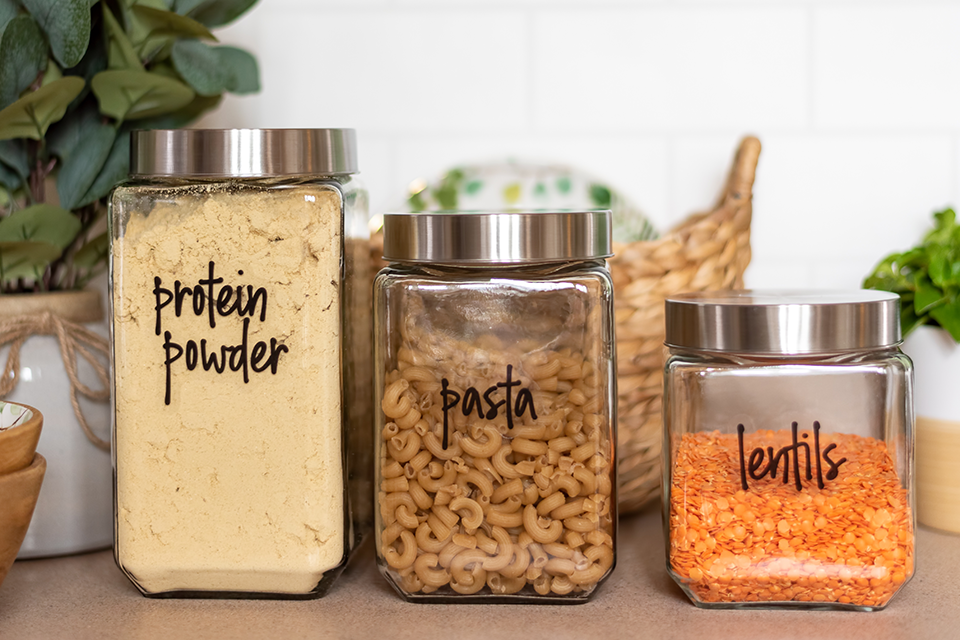
Glass Jars and Containers Glass is a fantastic alternative to plastic. It is durable and preserves food well. You can use glass jars for storing dry goods, leftovers, and even liquids. – Visibility: Glass lets you easily see what’s inside.
– Non-toxic: Unlike plastic, glass doesn’t leach chemicals. – Reusable: Clean and reuse them as many times as needed. Beeswax Wraps Looking for a plastic-free way to cover food? Beeswax wraps are the answer. They are sustainable and easy to use.
– Flexible: Molds to any shape you need. – Breathable: Keeps food fresh while allowing air flow. – Washable: Rinse and reuse for months. Stainless Steel Containers Stainless steel containers offer a sturdy storage option. They are ideal for both dry and liquid foods.
– Durable: Resistant to rust and scratches. – Lightweight: Easy to carry for lunch or snacks. – Airtight: Keeps food fresh longer. Cloth Bags Cloth bags are perfect for storing fruits and vegetables. They are breathable and can be easily washed.
– Eco-friendly: Made from natural materials. – Space-saving: Foldable and easy to store. – Versatile: Suitable for shopping and storage. Ceramic Bowls with Lids Ceramic bowls are not only stylish but also practical. They can be used for storing and serving food.
– Heat-resistant: Safe for microwave and oven use. – Non-reactive: Doesn’t alter the taste of food. – Attractive: Adds a touch of elegance to your kitchen. Switching to these eco-friendly storage options can be simple. It just takes a little creativity and commitment to make your kitchen zero waste.
How To Reduce Food Waste In The Kitchen
Transform your kitchen into a zero-waste haven by planning meals wisely and storing leftovers properly. Composting food scraps and repurposing ingredients can further minimize waste. Embrace bulk buying to reduce packaging and invest in reusable containers for a sustainable kitchen experience.
Picture this: a kitchen where nothing goes to waste. Sounds like a dream, right? But, it’s possible! Reducing food waste in your kitchen can save money and help the planet. Let’s explore practical ways to minimize waste and create a more sustainable kitchen.
Plan Your Meals Planning meals is a straightforward way to cut food waste. By outlining your weekly menu: – You know what to buy: Avoid impulse buys and unnecessary items. – Reduce spoilage: Use perishables before they go bad. – Cook efficiently: Prepare meals that use similar ingredients.
Store Food Properly Proper storage extends the life of your groceries. Use these tips to keep food fresh: – Invest in airtight containers: Prevents spoilage and keeps flavors intact. – Use the right temperature: Store items at their recommended temperatures.
– Label and date items: Ensures you use older items first. Get Creative with Leftovers Leftovers are treasures waiting to be discovered. With a little creativity, you can transform them: – Make soups or stews: Combine various leftovers for a hearty meal.
– Create a stir-fry: Mix proteins and veggies for a quick dish. – Turn them into snacks: Use bits of bread for croutons or crumbs. Compost Scraps Sometimes scraps are inevitable. But they can still be useful: – Start a compost pile: Turn scraps into nutrient-rich soil.
– Use a compost bin: Keep it indoors for easy access. – Donate to local gardens: Many welcome compost contributions. Buy in Bulk Wisely Buying in bulk can reduce packaging waste. But be mindful: – Only purchase what you’ll use: Avoid excess that might spoil.
– Store bulk items well: Use airtight containers for longevity. – Share with friends: Split bulk purchases to minimize waste. Creating a zero-waste kitchen is a rewarding challenge. By making small changes, you can enjoy a sustainable and efficient kitchen.
How To Organize A Zero Waste Kitchen
Transform your kitchen into a zero waste haven by swapping plastic for glass jars. Compost food scraps to reduce waste. Choose reusable cloth towels over paper towels.
Creating a zero waste kitchen is more than a trend; it’s a lifestyle. It involves rethinking how we use and dispose of items. By organizing your kitchen with sustainability in mind, you can reduce waste and make a positive impact.
Ready to start? Let’s explore some practical steps. Declutter and Simplify Start with a plain paragraph. Begin by removing items you rarely use. This reduces clutter and creates space for essentials. Donate duplicates and keep only what you need. With fewer items, organizing becomes easier.
Use Reusable Containers Introduce the bullet points with a brief sentence. Reusable containers help reduce waste. Here are some tips for using them effectively: – Glass jars: Ideal for storing dry goods and leftovers. – Silicone bags: Great for freezing and storing snacks.
– Cloth bags: Perfect for grocery shopping and produce storage. Label Everything Another step is labeling. Use clear labels on containers to identify contents. This prevents unnecessary purchases and waste. It also makes it easier to find items when cooking.
Compost Food Scraps Introduce the bullet points with a brief sentence. Composting reduces kitchen waste. Consider these suggestions to start: – Set up a compost bin: Use it for vegetable peels and eggshells. – Find a local composting program: Many areas offer community composting.
– Use compost in the garden: It enriches soil and reduces landfill waste. Repurpose and Recycle Recycling and repurposing play a vital role. Transform glass jars into storage or vases. Use old t-shirts as cleaning rags. Ensure recyclables are clean and sorted.
This reduces landfill waste and promotes sustainability. Buy in Bulk Buying in bulk is efficient. It reduces packaging waste and saves money. Bring your own containers to the store. Purchase only what you need to prevent food waste. This simple change makes a big difference.
Opt for Eco-Friendly Cleaning Products Introduce the bullet points with a brief sentence. Eco-friendly products are better for the environment. Here’s how to choose them: – Look for natural ingredients: Avoid chemicals harmful to health and planet. – Buy in concentrate form: Reduce packaging waste by diluting at home.
– Choose refillable options: Reuse bottles and reduce plastic waste. Embrace these practices to organize your kitchen in a sustainable way. Small changes lead to a significant reduction in waste. Enjoy a cleaner, greener kitchen space.
How To Use Reusable Wraps In The Kitchen
Reusable wraps help reduce kitchen waste. Cover leftovers, wrap fruits, and store sandwiches using beeswax or fabric wraps. These eco-friendly alternatives replace single-use plastics, promoting a sustainable lifestyle.
Transforming your kitchen into a zero-waste haven can be simple. One effective step is using reusable wraps. These eco-friendly alternatives can replace disposable wraps and bags. They offer a sustainable way to store food and reduce waste. Here’s how you can integrate them into your daily kitchen routine.
Benefits of Reusable Wraps Reusable wraps offer many advantages for your kitchen. Here are some key benefits: – Reduce Waste: Reusable wraps help minimize single-use plastic waste. – Versatility: They can cover bowls, wrap sandwiches, or store leftovers. – Cost-Effective: Over time, you save money by reusing wraps.
Types of Reusable Wraps Various options are available to suit different needs. Each type has unique features: – Beeswax Wraps: Made from cotton and beeswax, perfect for covering dishes. – Silicone Wraps: Flexible and durable, ideal for wrapping fruits and veggies.
– Fabric Wraps: Cloth-based wraps, great for dry goods and bread. How to Use Beeswax Wraps These wraps are easy to use in your kitchen. Follow these simple steps: – Warm the Wrap: Use your hands to soften the beeswax.
– Shape Around Food: Mold the wrap to fit snugly around the item. – Seal with Pressure: Apply gentle pressure to seal the wrap. Cleaning and Maintaining Wraps Keeping your wraps clean ensures longevity. Here’s how you can maintain them: – Hand Wash: Use cold water and mild soap for cleaning.
– Air Dry: Let wraps dry naturally, avoiding direct sunlight. – Store Properly: Keep wraps flat or rolled in a cool place. Creative Uses for Reusable Wraps Reusable wraps are not just for food. Discover other creative uses: – Protect Utensils: Wrap cutlery for picnics or travel.
– Gift Wrapping: Use wraps for eco-friendly gift packaging. – Cover Containers: Keep bowls and jars secure with wraps. Choosing the Right Wrap for Your Kitchen Selecting the best wrap depends on your needs. Consider these factors: – Size: Choose wraps that fit your dishes and storage items.
– Material: Pick materials based on your food storage preferences. – Eco-Friendliness: Opt for wraps with sustainable materials.
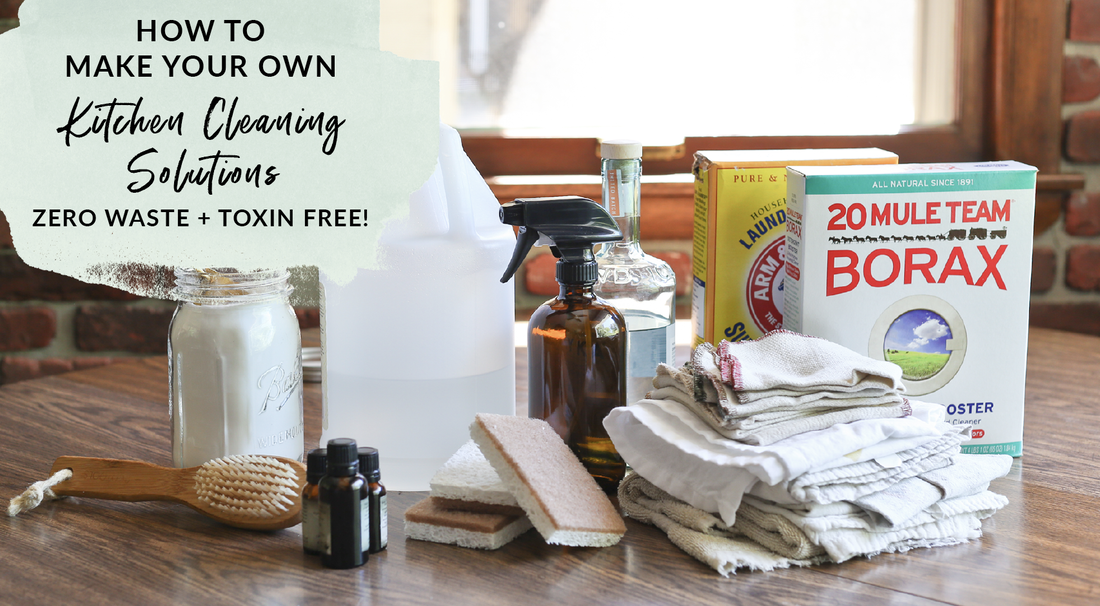
How To Make Zero Waste Kitchen Cleaning Products
Create zero waste kitchen cleaning products using common ingredients like vinegar and baking soda. Mix these with water for effective cleaning without chemicals. Reduce waste by reusing old spray bottles and cloths, making your kitchen eco-friendly and sustainable.
Creating your own cleaning products is a wonderful step towards a zero waste kitchen. You gain control over ingredients and reduce packaging waste. DIY All-Purpose Cleaner A versatile cleaner is essential for any kitchen. Here’s how to make one with simple ingredients: – White vinegar: This ingredient cuts through grease and grime.
– Water: Dilutes the vinegar for safe use on surfaces. – Essential oils: Adds a pleasant scent to your cleaner. Combine equal parts vinegar and water in a spray bottle. Add a few drops of essential oil for fragrance. Shake well before each use.
Baking Soda Scrub Baking soda is a powerful cleaner. It’s great for scrubbing tough stains: – Baking soda: Acts as a gentle abrasive. – Water: Forms a paste with baking soda. – Lemon juice: Boosts cleaning power and freshness. Mix baking soda and water to create a paste.
Apply it to stains and scrub gently. Add lemon juice for a fresh scent and extra cleaning strength. Citrus Peel Cleaner Repurpose citrus peels into a natural cleaner. It’s both effective and aromatic: – Citrus peels: These contain natural oils and aromas.
– White vinegar: Extracts essential oils from the peels. Fill a jar with citrus peels and cover them with vinegar. Let it sit for two weeks. Strain the liquid into a spray bottle, and use it as a natural cleaner.
Castile Soap Solution Castile soap is mild yet effective. It cleans without harsh chemicals: – Castile soap: A gentle, plant-based soap. – Water: Dilutes the soap for easy use. – Essential oils: Enhance the scent and cleaning power. Mix a few tablespoons of castile soap with water in a spray bottle.
Add essential oils for fragrance. Use it for washing dishes and cleaning surfaces.
How To Shop For A Zero Waste Kitchen
Transform your kitchen into a zero waste haven by choosing reusable containers and cloth bags. Opt for bulk food purchases to reduce packaging waste. Embrace natural cleaning supplies and compost food scraps for a sustainable lifestyle.
Embracing a zero waste kitchen can seem daunting, but shopping right makes it easier. By making mindful choices, you can cut waste and enjoy a more sustainable lifestyle. Let’s explore some practical tips on. Choose Reusable Bags and Containers Start by reducing single-use plastics.
Use reusable bags and containers: – Canvas bags: These are durable and washable, ideal for groceries. – Glass jars: Perfect for buying bulk items like grains or spices. – Beeswax wraps: Replace plastic wraps with these for keeping food fresh.
– Stainless steel tins: Great for storing leftovers or snacks on-the-go. Buy in Bulk Buying in bulk minimizes packaging waste. It also saves money: – Bring your own containers: Fill them with products from bulk bins. – Use cloth bags: Ideal for items like nuts, beans, and pasta.
– Choose refill stations: Many stores offer refills for oils or cleaning products. Support Local Farmers Markets Local farmers markets are a treasure for zero waste shopping. They offer fresh, package-free produce: – Bring your own bags: Avoid plastic by using your cloth bags.
– Buy seasonal produce: It’s often fresher and has less environmental impact. – Talk to vendors: They may offer reusable packaging options. Opt for Minimal Packaging Minimize waste by choosing products with little to no packaging: – Select loose fruits and vegetables: Avoid pre-packaged produce.
– Choose products in recyclable packaging: Look for glass, metal, or cardboard. – Avoid single-use plastics: Prefer alternatives with biodegradable options. Plan Meals Ahead Planning meals helps prevent food waste. It also aids in making better shopping decisions: – Make a shopping list: Stick to it to avoid impulse buys.
– Prepare meals with versatile ingredients: Use leftovers creatively. – Cook in batches: Saves time and reduces waste. By integrating these simple strategies, you can create a zero waste kitchen. Every small step counts. Choose wisely, shop thoughtfully, and enjoy the benefits of a sustainable lifestyle.
Credit: earthhero.com
Frequently Asked Questions
How To Create A Zero Waste Kitchen?
Reduce waste by using reusable containers and shopping bags. Compost food scraps and recycle packaging materials. Buy in bulk to minimize packaging. Plan meals to avoid food wastage. Store food properly to extend shelf life. Opt for sustainable kitchen products and utensils.
What Are The 5 Rules Of Zero Waste?
The five rules of zero waste are: Refuse unnecessary items, Reduce consumption, Reuse resources, Recycle materials, and Rot compostable waste.
How Can We Reduce Waste In The Kitchen?
Reduce kitchen waste by composting food scraps. Use reusable containers for storage. Plan meals to avoid excess purchasing. Recycle packaging materials. Donate unused items to local charities.
How To Create A Non-toxic Kitchen?
Choose non-toxic cookware like stainless steel or cast iron. Use natural cleaning products. Store food in glass containers. Avoid plastic and chemical-laden items. Opt for organic produce to reduce pesticide exposure. Improve ventilation to eliminate harmful fumes. Keep the kitchen tidy and clutter-free to maintain a healthy environment.
Conclusion
Creating a zero waste kitchen is achievable with small changes. Use reusable wraps for food storage. Compost kitchen scraps, even in small spaces. Switch to eco-friendly cleaning products. Organize your kitchen to reduce waste. Store food without plastic. Shop mindfully for zero waste.
Reduce energy use by unplugging devices. Start with these steps to make a difference. Every effort counts towards a cleaner planet. A zero waste kitchen is not just eco-friendly. It’s a lifestyle choice that benefits everyone. Begin today, and enjoy a sustainable kitchen tomorrow.

I’m Abby Lu, a passionate home cook who loves simplifying everyday meals. At PlugChef.com, I share product reviews and cooking guides to help you find the best tools for your kitchen.
Related posts:
 What Type of Cooking Utensils are Safe: Expert Picks
 What Innovations Could Blenders Make: Unleashing Future Tech
 Smart Strategies to Organize a Small Kitchen: Maximize Space
 How to Organize a Kitchen Cabinet: Expert Tips & Tricks
 How to Organize Kitchen Drawers: Expert Tips and Tricks
 How to Organize a Corner Kitchen Cupboard: Expert Tips

