
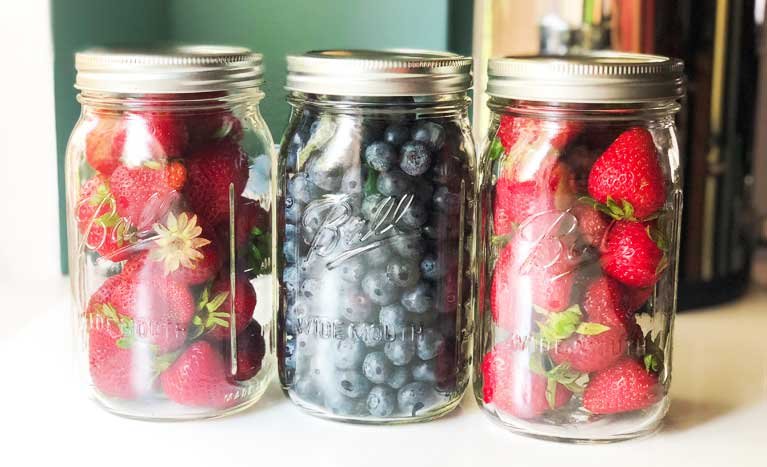
Imagine opening your refrigerator to find perfectly fresh fruit waiting for you, ready to be enjoyed at any moment. No more tossing out spoiled berries or wasting money on fruit gone bad.
You’re probably wondering if mason jars could be the secret to achieving this freshness. These versatile glass containers have been a staple in kitchens for generations, but do they really keep fruit fresh longer? You’ll discover if mason jars are the answer to your fruit preservation woes.
We’ll uncover how they work, explore the different sizes available, and weigh the costs and benefits of using them. Get ready to learn everything you need to know about mason jars and whether they can transform how you store your fruit. Keep reading to find out how you can make the most out of your fresh produce and save money in the process.
Credit: medium.com
Do Mason Jar Vacuum Sealers Work
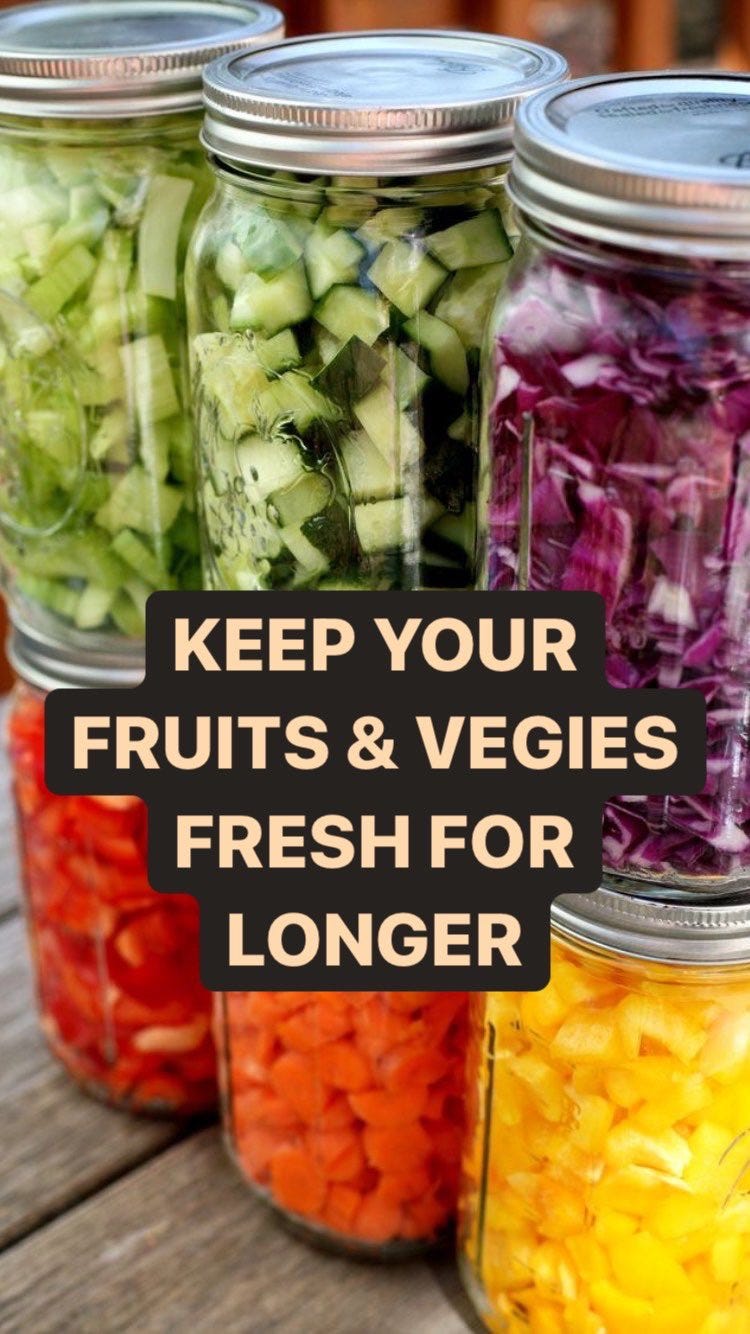
Mason jar vacuum sealers help keep fruit fresh by removing air, which slows down spoilage. Freshness lasts longer as the sealed environment preserves the fruit’s natural texture and flavor. Ideal for those looking to extend the life of their produce without using preservatives.
Mason jars have become a popular choice for storing fruit. But do they really keep fruit fresh when vacuum-sealed? Let’s dive into how mason jar vacuum sealers work and their effectiveness. Understanding Mason Jar Vacuum Sealers Mason jar vacuum sealers are designed to remove air from the jar.
This process can extend the freshness of fruit. Here’s how they work: – Air removal: The sealer extracts air from the jar. This minimizes oxidation. – Preservation: Less air means slower spoilage. Fruit stays fresh longer. – Seal integrity: Proper sealing prevents air from re-entering.
This maintains a vacuum environment. Benefits of Using Mason Jar Vacuum Sealers Using these sealers offers several advantages. Let’s explore them: – Extended freshness: Vacuum sealing helps preserve fruit longer. It delays spoilage. – Flavor retention: Sealed jars keep flavors intact.
Fruit tastes fresh. – Nutrient conservation: Reduced oxidation retains nutrients. Health benefits remain. – Space efficiency: Mason jars are compact. They save storage space. Challenges with Mason Jar Vacuum Sealers While effective, there are some challenges to consider. Here’s what you should know: – Initial cost: Vacuum sealers can be pricey.
It’s an investment. – Limited jar sizes: Not all fruits fit. Larger fruits need alternatives. – Seal maintenance: Seals must be checked regularly. Air leaks can occur. Tips for Effective Vacuum Sealing To maximize the benefits, follow these tips. They ensure successful sealing: – Clean jars: Ensure jars are spotless.
Dirt can affect the seal. – Proper sealing: Double-check seal integrity. Prevent air from entering. – Use fresh fruit: Only seal fresh fruit. Spoiled fruit affects taste. – Store correctly: Place jars in a cool, dry place. This preserves freshness.
Mason jar vacuum sealers can be a great tool for keeping fruit fresh. By understanding their operation and benefits, you can make the most of your fruit storage.
Do Mason Jars Keep Fruit Fresher
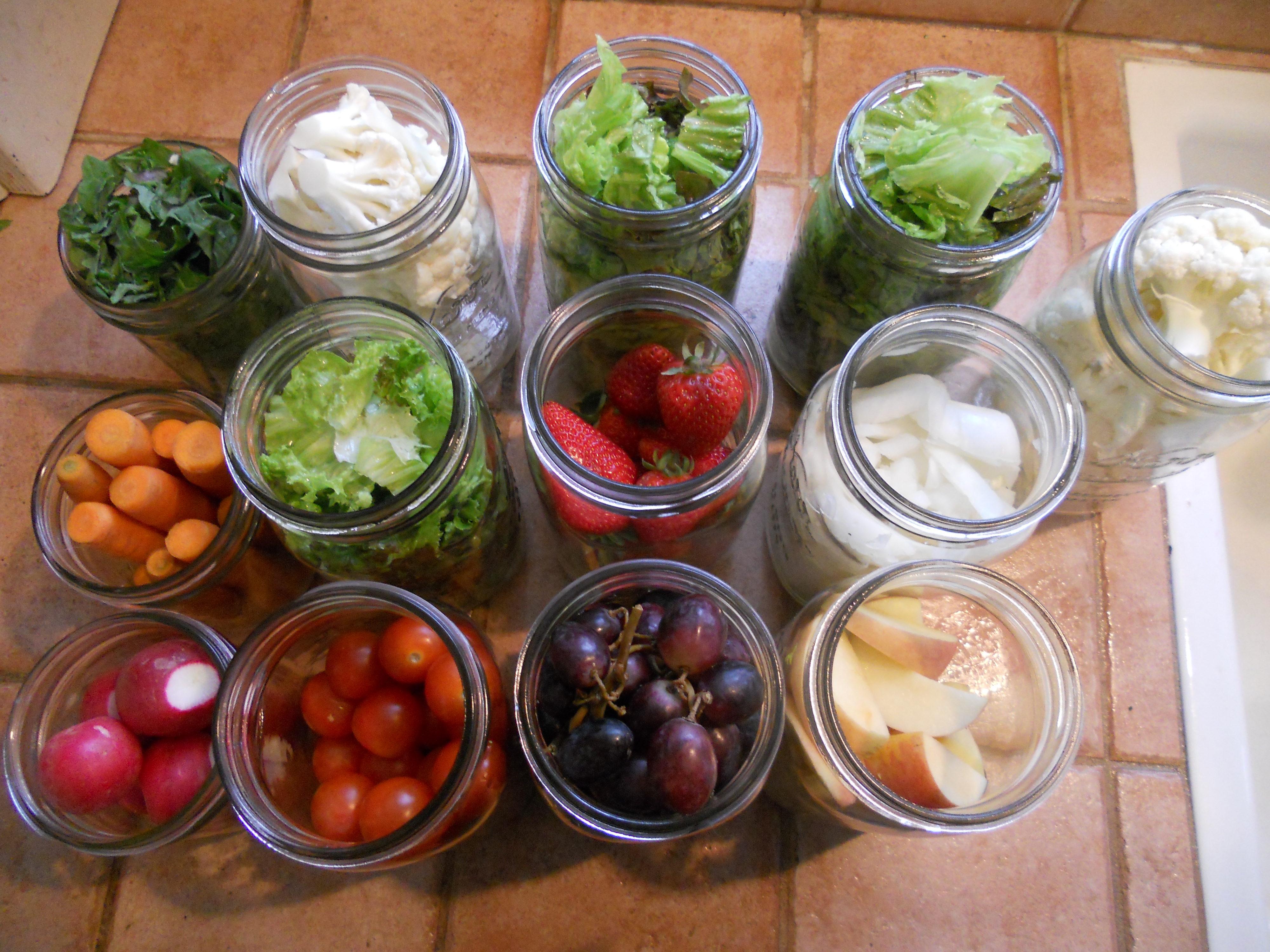
Mason jars can help keep fruit fresh by sealing tightly, which prevents air and moisture from getting in. This airtight environment slows down the spoilage process, keeping your fruit crisp and tasty for longer. Perfect for storing berries, grapes, and sliced fruits in the fridge.
Mason jars have become a staple in many kitchens. They’re not just for canning anymore. People love using them to store food. But do they really keep fruit fresher? Let’s dive into that. The Science Behind Mason Jars Mason jars create a tight seal.
This keeps air out. Less air means slower spoilage. The glass material is non-porous. It doesn’t absorb smells or stains. Benefits of Using Mason Jars for Fruit Here are some perks of using mason jars: – Air-tight seal: Keeps air out and freshness in.
– Glass material: Doesn’t absorb odors or colors. – Visibility: Clear jars help you see contents easily. – Reusability: Eco-friendly and reduces waste. How to Store Fruit in Mason Jars Storing fruit in mason jars is simple. Clean the fruit first.
Dry it thoroughly. Moisture can cause spoilage. Place the fruit in the jar. Seal it tightly. Store in the fridge for best results. Comparing Mason Jars to Other Storage Options Mason jars have some advantages over other containers: – Plastic containers: Can absorb smells; may stain.
– Bags: Less sturdy; may not seal well. – Metal tins: Can affect taste; less transparent. Common Mistakes to Avoid Avoid these errors when using mason jars: – Overfilling jars: Leave some space for air circulation. – Not sealing properly: Check the lid for a tight fit.
– Storing in warm areas: Heat can spoil the fruit faster. Tips for Maximizing Freshness To keep fruit fresh longer, try these tips: – Use dry jars: Moisture can cause mold. – Cut fruit just before storing: Reduces exposure to air.
– Keep jars in the fridge: Cooler temperatures extend freshness. Mason jars can be a great way to store fruit. With the right techniques, they help keep fruit fresh longer.
What Size Do Mason Jars Come In
Mason jars come in various sizes, from small 4-ounce jars to large 64-ounce ones. These jars help keep fruit fresh by sealing tightly, reducing air exposure.
Mason jars are a popular choice for storing fruits. They’re versatile and come in various sizes, making them suitable for different types of produce. Knowing the sizes available can help you make the best choice for your fruit storage needs.
Standard Sizes of Mason Jars Mason jars come in several standard sizes, each with its own use. Here’s a look at the common sizes: – 4-ounce jars: Perfect for small portions or samples. – 8-ounce jars: Ideal for jams or small fruit servings.
– 16-ounce jars: Great for medium-sized fruit storage. – 32-ounce jars: Suitable for larger quantities or whole fruits. – 64-ounce jars: Best for bulk storage or preserving large batches. Choosing the Right Size for Your Fruit Selecting the right jar size depends on the type and quantity of fruit.
A brief overview can guide your choice: – Small fruits: Opt for 8-ounce jars for berries or grapes. – Medium fruits: Use 16-ounce jars for sliced apples or peaches. – Large fruits: Choose 32-ounce jars for whole pears or mangoes.
Considerations for Storage Space Space in your kitchen can affect your jar choice. Here’s what to think about: – Limited space: Smaller jars fit easily on shelves. – Ample space: Larger jars can be stored in pantries or cupboards. – Stacking ability: Smaller jars can be stacked for efficient use.
Benefits of Using Mason Jars Mason jars offer numerous advantages for fruit storage. They keep fruit fresh and organized: – Air-tight seal: Preserves fruit freshness by blocking air. – Durable glass: Protects fruit from damage. – Clear view: Allows easy identification of contents.
Choosing the right mason jar size ensures your fruit stays fresh and flavorful. Make informed decisions based on your storage needs and available space.
How Much Do Mason Jars Hold
Mason jars, commonly available in sizes ranging from 4 to 32 ounces, are great for storing fruit. They help keep fruit fresh by sealing tightly, reducing exposure to air and moisture. This simple storage method can extend the freshness of your favorite fruits.
Mason jars are beloved in kitchens for their versatility. They’re not just for canning anymore. These sturdy glass containers can help keep your fruits fresh. But how much can they hold? This question often pops up for those new to using them.
Common Mason Jar Sizes Mason jars come in various sizes, each serving different needs. Here are the most common: – 4-ounce jars: Perfect for jams and jellies. – 8-ounce jars: Ideal for sauces or small fruits. – 16-ounce jars: Great for storing salsas or berries.
– 32-ounce jars: Suitable for pickles or sliced fruits. – 64-ounce jars: Best for bulk storage or large fruit pieces. Each size caters to specific storage requirements, ensuring freshness. Factors Affecting Capacity Several factors determine how much a mason jar can hold.
Understanding these helps in choosing the right jar. – Jar shape: Wide-mouth jars fit more, especially larger fruits. – Packing method: Tightly packed fruits take more space. – Fruit type: Some fruits compress more than others. Knowing these factors aids in maximizing storage efficiency.
Using Mason Jars for Fruit Mason jars are not just containers; they’re a storage solution. They keep fruits fresh longer. Their airtight seal preserves quality. Here’s why they’re great: – Protect from air: Airtight lids prevent spoilage. – Durable material: Glass resists staining and odors.
– Reusable: Environmentally friendly and cost-effective. Choosing mason jars ensures your fruits stay fresh and tasty. Tips for Storing Fruit in Mason Jars Storing fruit in mason jars is simple with a few tips. Follow these to make the most of your jars: – Wash fruits thoroughly: Removes pesticides and dirt.
– Dry fruits completely: Prevents mold and spoilage. – Cut fruits to size: Fits more fruit and reduces waste. These steps help maintain freshness and extend shelf life. Using mason jars can be a game-changer for fruit storage. With the right size and method, you can enjoy fresh fruit longer.
How Much Do Mason Jars Weigh
Mason jars, typically weighing around one pound, help keep fruit fresh by creating an airtight seal. This seal slows down spoilage, preserving the fruit’s natural taste and nutrients.
Mason jars have become a popular choice for storing food, including fresh fruits. People love their classic look and airtight seal. But one question often arises: How much do these jars weigh? Understanding their weight is crucial for many reasons.
Standard Mason Jar Weights Let’s break down the weight of typical mason jars: – 4 oz jars: These are small and lightweight, perfect for jams. – 8 oz jars: Common for canning, these are slightly heavier. – 16 oz jars: These are medium-sized, ideal for fruit storage.
– 32 oz jars: Large and sturdy, used for bulk storage. – 64 oz jars: Very heavy, suitable for large batches. Factors Affecting Weight Several factors can influence the weight of mason jars. The material and design play a significant role.
Most mason jars are made of glass, which adds to their weight. The thickness of the glass can also vary. Thicker glass means a heavier jar. Additionally, the design might include extra features, like decorative embossing. These can add a bit more weight, too.
Why Jar Weight Matters Understanding jar weight is important for several reasons: – Shipping Costs: Heavier jars cost more to ship. – Storage Space: Heavier jars need stronger shelves. – Usage: Heavier jars might be harder to handle. Choosing the Right Size Selecting the appropriate jar size depends on your needs.
If you store small quantities of fruit, a 4 oz jar is fine. Need to store larger amounts? A 32 oz jar is more suitable. Consider the weight when choosing. A heavier jar might not be practical for everyone.
How Much Do Mason Jars Cost
Mason jars cost between $1 and $3 each, depending on size and brand. These jars help keep fruit fresh by sealing tightly. Their airtight seal prevents spoilage, locking in flavor and nutrients for longer periods.
Mason jars have become a staple in many kitchens. Not only are they perfect for storing food, but they also help keep fruit fresh. Curious about their cost? Let’s explore the price range of mason jars. Cost of Mason Jars Mason jars are generally affordable.
Here’s what you need to know about their pricing: – Size Variation: Different sizes mean different prices. Smaller jars often cost less. – Brand Influence: Well-known brands might be pricier. Lesser-known brands could be cheaper. – Buying in Bulk: Purchasing in bulk may lower the cost per jar.
– Seasonal Sales: Look for sales during holidays. Discounts can be significant. – Local vs. Online: Buying locally might be more expensive. Online deals can be cheaper. Factors Affecting Mason Jar Prices Several elements impact the cost of mason jars.
Here’s a closer look: – Material Quality: High-quality materials can increase the price. – Design Complexity: Simple designs are usually less expensive. Complex designs cost more. – Retailer Markup: Retailers add their own markup. This affects the final price. – Shipping Costs: Online purchases may include shipping fees.
This adds to the cost.
Credit: mylifeasrobinswife.com
Frequently Asked Questions
How Long Will Fresh Fruit Last In A Mason Jar?
Fresh fruit stored in a mason jar can last up to one week when refrigerated. Ensure the jar is sealed tightly to maintain freshness. Consider adding lemon juice or sugar syrup for better preservation. Always check for signs of spoilage before consuming.
Keep jars in a cool, dry place.
What Is The Best Container To Keep Fruit Fresh?
Use airtight glass containers to keep fruit fresh longer. They prevent oxidation and maintain fruit’s natural flavor. Choose containers with tight seals to avoid moisture loss. Store fruit in the fridge for optimal freshness. Label containers with dates to track storage duration easily.
Is It Better To Store Fruit In Glass Jars?
Storing fruit in glass jars can extend freshness by sealing in moisture. Glass offers a non-toxic, durable option. It prevents contamination and maintains flavor better than plastic. Ensure jars are airtight for optimal preservation. Regularly check stored fruit for spoilage to ensure quality.
How Do You Preserve Fruit In A Mason Jar?
To preserve fruit in a mason jar, clean and sterilize the jars. Fill them with fruit and syrup, leaving space. Seal jars with lids and rings. Process in a boiling water bath for the recommended time. Cool and store in a cool, dark place.
Conclusion
Mason jars are practical for storing fresh fruit. They preserve freshness well. Vacuum sealers enhance their effectiveness. Different sizes fit various needs. From small jars to large ones, choices abound. They hold substantial quantities. Weight varies with size. Cost is affordable.
These jars are a reliable choice for keeping fruit fresh. Ideal for kitchens everywhere. Simple, yet effective. They work well for storage. Easy to find in stores. With mason jars, fruit stays fresh longer. A smart option for your pantry.
Keep your fruit fresher, longer, and enjoy better taste.

I’m Abby Lu, a passionate home cook who loves simplifying everyday meals. At PlugChef.com, I share product reviews and cooking guides to help you find the best tools for your kitchen.
Related posts:
 What Type of Cooking Utensils are Safe: Expert Picks
 What Innovations Could Blenders Make: Unleashing Future Tech
 Smart Strategies to Organize a Small Kitchen: Maximize Space
 How to Organize a Kitchen Cabinet: Expert Tips & Tricks
 How to Organize Kitchen Drawers: Expert Tips and Tricks
 How to Organize a Corner Kitchen Cupboard: Expert Tips

