
Imagine opening your kitchen drawer and finding exactly the utensil you need without rummaging through a tangled mess. Sounds like a dream, right?
Organizing your kitchen utensils doesn’t just save you time, but it also transforms your cooking space into a more efficient and enjoyable place to be. Whether you’re dealing with overflowing drawers, limited counter space, or simply want a clutter-free kitchen, this guide is your go-to resource.
You’ll discover practical tips for every kitchen setup, including sustainable solutions that benefit both you and the planet. Are you ready to reclaim your kitchen space and make meal prep a breeze? Let’s dive into the art of organizing kitchen utensils and turn chaos into order!
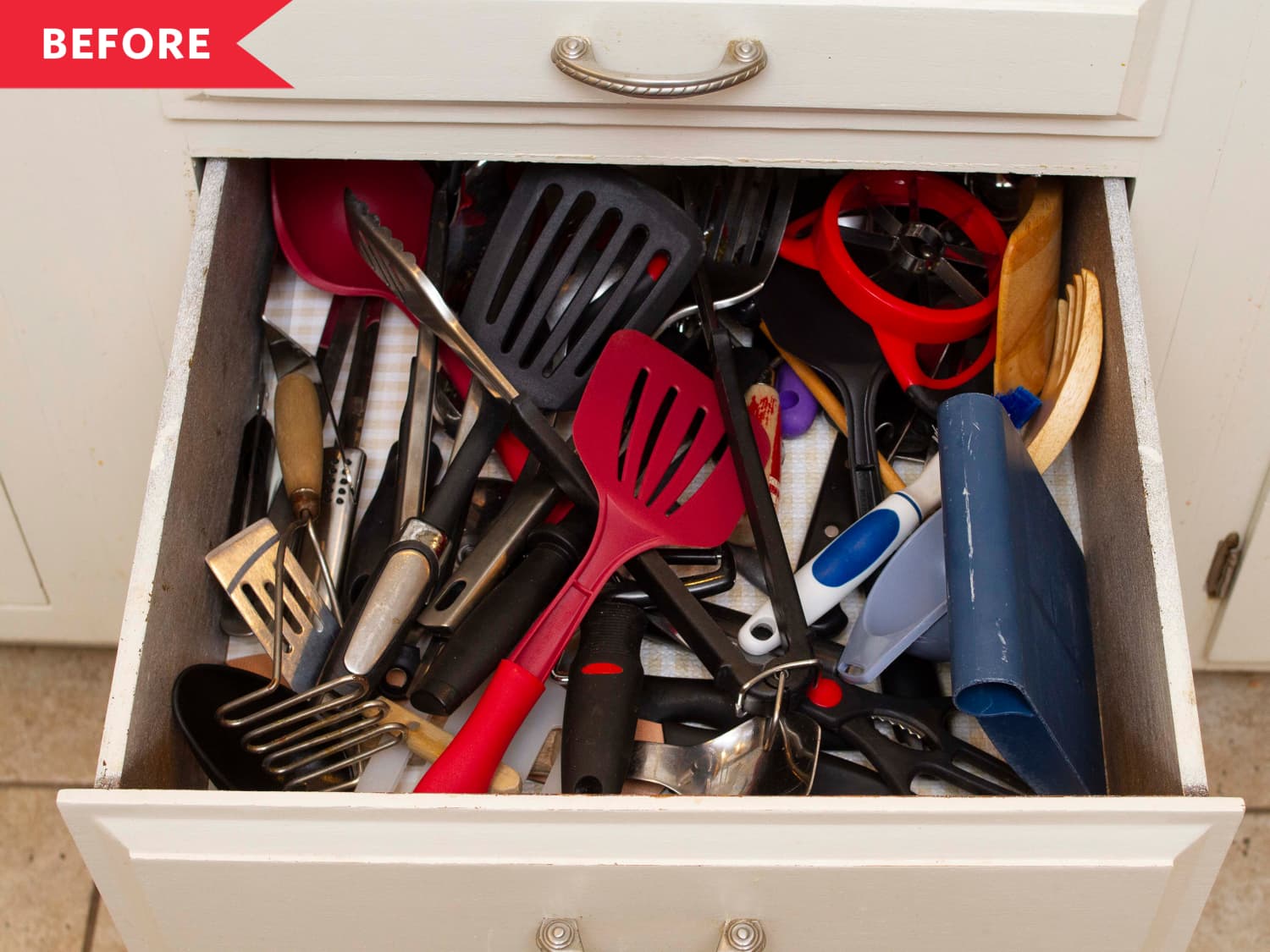
Credit: www.thekitchn.com
Sustainable Kitchen Utensils
Arranging kitchen utensils sustainably enhances organization while minimizing environmental impact. Opt for eco-friendly materials like bamboo or stainless steel. Use drawer dividers and storage solutions to keep everything in place, making cooking more efficient and clutter-free.
Organizing kitchen utensils can be a fun and rewarding task. Choosing sustainable options brings added benefits, like reducing environmental impact. Sustainable utensils are often made from materials that are eco-friendly and durable. They not only help the planet but also add a touch of natural beauty to your kitchen space.
Benefits of Sustainable Kitchen Utensils Opting for comes with several advantages. Here are some key benefits: – Eco-friendly materials: These utensils are often made from bamboo or recycled metals. – Durability: Sustainable products typically last longer, reducing the need for replacements.
– Healthier choices: Natural materials can be safer, avoiding harmful chemicals. – Aesthetic appeal: Sustainable utensils often have a unique, earthy look that enhances your kitchen’s style. Types of Sustainable Utensils Various types of sustainable utensils are available. Each offers unique features and benefits: – Bamboo utensils: Lightweight and resistant to stains, ideal for everyday use.
– Recycled stainless steel: Strong and durable, perfect for frequent cooking. – Wooden utensils: Gentle on cookware, preventing scratches and damage. – Silicone tools: Flexible and heat-resistant, great for baking tasks. Caring for Sustainable Utensils Proper care extends the life of your sustainable utensils.
Follow these simple tips: – Hand wash: Cleaning by hand preserves the material and prevents damage. – Avoid soaking: Water can weaken natural fibers, so keep exposure brief. – Dry thoroughly: Ensures no moisture remains, preventing mold or mildew. – Regular oiling: Wood utensils benefit from occasional oiling to maintain their condition.
Finding Sustainable Utensils Sustainable utensils are increasingly available. Here’s how to find them: – Online retailers: Many sites specialize in eco-friendly kitchen products. – Local shops: Visit stores that focus on sustainability and natural goods. – Farmers markets: Often carry handmade utensils crafted from local materials.
– Specialty brands: Look for brands committed to sustainable practices.
How To Organize Kitchen Utensil Drawer
Organize kitchen utensils by sorting them into categories like spoons, forks, and knives. Use drawer dividers to separate these groups. Keep frequently used items at the front for easy access.
Organizing a kitchen utensil drawer can transform your cooking space. A clutter-free drawer saves time and enhances the cooking experience. Let’s dive into some practical tips to keep your utensils in order. Assess Your Utensils Start by examining what you have.
This step sets the foundation for effective organization. – Declutter: Remove broken or rarely used items. – Sort: Group similar utensils together. Use Drawer Dividers Drawer dividers are essential for keeping utensils neat. They help create designated spaces for each item.
– Adjustable Dividers: Fit them to your drawer’s size. – Material: Choose between wood, plastic, or metal. Prioritize Frequently Used Utensils Keep your most-used utensils within easy reach. This simple strategy can save time during meal preparation. – Front and Center: Place them at the front of the drawer.
– Accessibility: Ensure they are easy to grab. Utilize Vertical Space Make the most of the available space by organizing vertically. This approach can help fit more items neatly. – Vertical Organizers: Use them for spatulas and ladles. – Stacking: Stack similar utensils to maximize space.
Label Sections Labeling helps maintain order and ensures everyone knows where things belong. It’s a quick way to guide family members. – Clear Labels: Use clear, easy-to-read labels. – Consistency: Keep labels consistent for a uniform look. Regular Maintenance Regular upkeep prevents chaos from returning.
A few minutes a week can keep your drawer tidy. – Weekly Check: Spend a few minutes rearranging as needed. – Seasonal Declutter: Clear out unused items every few months.
How To Organize Kitchen Utensils Without Drawers
Consider hanging utensils on a wall-mounted rack for easy access. Use a countertop container to keep frequently used items organized. Install magnetic strips to hold metal utensils securely.
Organizing kitchen utensils without drawers can seem like a puzzle. Yet, with a few creative ideas, your kitchen can be clutter-free and functional. Let’s explore some smart ways to store your utensils in such spaces. Utilize Wall Space Walls are often overlooked for storage.
But they can offer great solutions. – Install a pegboard: Hang utensils for easy access. – Use wall hooks: Perfect for larger items like spatulas. – Magnetic strips: Ideal for metal utensils. Countertop Containers Countertop storage can keep your essentials within reach.
Placing containers on your counter can be a practical choice. Consider stylish jars or baskets to hold your utensils. They not only serve a purpose but also add character to your kitchen. Under-Shelf Baskets Think about the space beneath your shelves.
It’s often unused and holds potential. – Wire baskets: Slide under shelves for extra storage. – Hanging racks: Use them for ladles and other items. Freestanding Utensil Holders Freestanding holders can be a go-to solution. These holders are versatile. Place them anywhere you find space.
They come in various sizes and styles to match your kitchen decor. Hanging Rods A rod can transform your kitchen into an organized space. – Install a rod above the counter: Hang utensils with S-hooks. – Use rods inside cabinets: Keep items off the counter.
Portable Carts Portable carts offer flexibility in storage. These carts can be moved around. They provide extra space for utensils and other kitchen essentials. Choose a cart that fits your style and kitchen size. Creative Shelving Shelves can be customized for your needs.
Adjust the height of your shelves to accommodate different utensil sizes. Shelving units can be a stylish addition and a practical solution.
How Do You Organize Kitchen Utensils And Spices
Arrange kitchen utensils by type for easy access. Store spices in labeled jars on a rack or drawer. Keep commonly used items within reach to streamline cooking.
A well-organized kitchen makes cooking a breeze. Keeping utensils and spices tidy not only saves time but also enhances the culinary experience. Let’s explore effective ways to arrange these essentials. Group Similar Utensils Together Start by grouping similar items. This method reduces clutter and makes tools easy to find.
– Cooking utensils: Place spatulas, spoons, and tongs in one drawer. – Baking tools: Gather whisks, measuring cups, and rolling pins in another. – Cutting tools: Store knives and peelers in a separate space. Use Drawer Dividers Drawer dividers are useful.
They keep everything in its place and prevent chaos. – Adjustable dividers: Customize them to fit different utensil sizes. – Separate sections: Allocate areas for forks, spoons, and knives. – Easy access: Find what you need quickly. Arrange Spices by Frequency of Use Organize spices based on how often you use them.
This strategy ensures that your favorite flavors are always within reach. Utilize Spice Racks Spice racks save space and keep jars orderly. They make identifying spices a breeze. – Tiered racks: These provide a clear view of all spices. – Magnetic racks: Attach them to fridge doors for easy access.
– Wall-mounted racks: Make use of vertical space efficiently. Label Everything Clearly Labels help maintain order. They prevent confusion and keep everything in its designated spot. – Clear labels: Use them for jars, shelves, and drawers. – Consistent labeling: Stick to one style for a neat look.
– Easy identification: Quickly find the items you need. Optimize Cabinet Space Use cabinets wisely. They offer ample storage for both utensils and spices. – Vertical stacking: Stack pans and pots to save room. – Shelf risers: Create additional storage layers.
– Door storage: Hang small baskets for extra space. A tidy kitchen simplifies cooking. These strategies ensure your utensils and spices are organized efficiently.
How To Organize Pots Pans And Kitchen Utensils The Smart Way
Smart organization of kitchen utensils involves using drawer dividers for forks, spoons, and knives. Hang pots and pans on a wall rack to save cabinet space. Utilize small baskets for spatulas and ladles to keep them tidy.
A cluttered kitchen can be frustrating. Especially when cooking. Imagine reaching for a pot, only to find a pile of pans blocking your way. Organizing kitchen utensils smartly not only saves time but also enhances efficiency. Let’s delve into smart strategies for organizing pots, pans, and other kitchen essentials.
Maximize Vertical Space Utilizing vertical space can transform your kitchen. – Install hooks: Hang pots and pans on walls or inside cabinets. – Use a pegboard: Organize utensils with easy access. – Add shelves: Increase storage for lightweight kitchen items.
Sort by Frequency of Use Consider how often you use each item. Keep frequently used utensils within easy reach. Less-used items can be stored in higher or lower spaces. This simple step makes cooking more efficient and enjoyable. Invest in Drawer Dividers Drawer dividers create order out of chaos.
– Customize sizes: Fit dividers to your specific drawer dimensions. – Separate categories: Group similar items together for easy access. – Prevent clutter: Keep each utensil in its designated spot. Utilize Cabinet Doors Cabinet doors offer hidden storage opportunities. – Attach racks: Store lids or small pots on the inside.
– Add magnetic strips: Perfect for metal utensils. – Hang measuring spoons: Keep them within arm’s reach. Use Stackable Cookware Stackable cookware saves valuable space. Opt for pots and pans that nest inside each other. This reduces clutter and makes finding the right size easy.
Your kitchen will look tidier and feel more spacious.

Credit: www.theorganizedmama.com
Frequently Asked Questions
How To Arrange Utensils In A Kitchen?
Organize utensils by function for easy access. Store frequently used items in reachable drawers or containers. Hang larger utensils on racks or hooks. Group similar items together, such as spoons with spoons, for efficiency. Keep less-used utensils in higher or lower cabinets to maximize space.
How Do I Decide Where To Put Things In My Kitchen?
Organize kitchen items based on usage frequency and proximity to work zones. Store pots near the stove, utensils in accessible drawers, and dishes close to the sink. Group similar items together for easy access. Prioritize functionality and convenience to enhance cooking efficiency and maintain a clutter-free space.
What Are The 5 Main Categories Of Kitchen Utensils?
The five main categories of kitchen utensils are cutting tools, measuring tools, mixing tools, cooking utensils, and serving utensils. Cutting tools include knives and peelers. Measuring tools involve cups and spoons. Mixing tools encompass bowls and whisks. Cooking utensils include spatulas and tongs.
Serving utensils feature ladles and serving spoons.
How Do You Arrange Your Utensils?
Arrange utensils by type and size in drawers or containers. Keep frequently used items within easy reach. Use dividers to separate utensils and prevent clutter. Store larger items vertically for space efficiency. Regularly declutter to maintain organization and accessibility.
Conclusion
Organizing kitchen utensils boosts efficiency and enjoyment in cooking. Start with sorting items by use and frequency. Keep often-used tools within easy reach. Utilize drawer dividers for better arrangement. If drawers are limited, consider countertop caddies or wall-mounted racks. Group spices separately for easy access.
Sustainable utensils help reduce clutter and environmental impact. Smart organization of pots and pans saves space and time. Regularly assess and adjust your setup to maintain order. A tidy kitchen invites creativity and ease, making cooking a pleasant experience. Enjoy your well-organized kitchen and happy cooking!

I’m Abby Lu, a passionate home cook who loves simplifying everyday meals. At PlugChef.com, I share product reviews and cooking guides to help you find the best tools for your kitchen.
Related posts:
 What Type of Cooking Utensils are Safe: Expert Picks
 What Innovations Could Blenders Make: Unleashing Future Tech
 Smart Strategies to Organize a Small Kitchen: Maximize Space
 How to Organize a Kitchen Cabinet: Expert Tips & Tricks
 How to Organize Kitchen Drawers: Expert Tips and Tricks
 How to Organize a Corner Kitchen Cupboard: Expert Tips

