
Are you tired of cluttered countertops and overflowing cabinets in your kitchen? It’s time to transform your space into a well-organized haven.
Imagine walking into a kitchen where everything you need is at your fingertips, and cooking feels like a breeze. With the right kitchen storage solutions, you can make that dream a reality. In this guide, we’ll help you understand what kitchen storage really means and how to plan it efficiently.
We’ll explore how much storage you actually need, and the best ways to organize it. If you’re a DIY enthusiast, we’ve got creative ideas for building your own storage solutions, from turning dressers into functional cabinets to crafting storage containers that fit perfectly in your space. You’ll learn how to manage and arrange your kitchen storage, ensuring you maximize every inch of available space. Plus, we’ll dive into the best materials and containers to use, so you can keep your ingredients fresh and your kitchen looking stylish. By the end of this article, you’ll have all the tools you need to create a kitchen that’s not only practical but also a joy to use. So, let’s roll up our sleeves and start making your kitchen storage work for you!
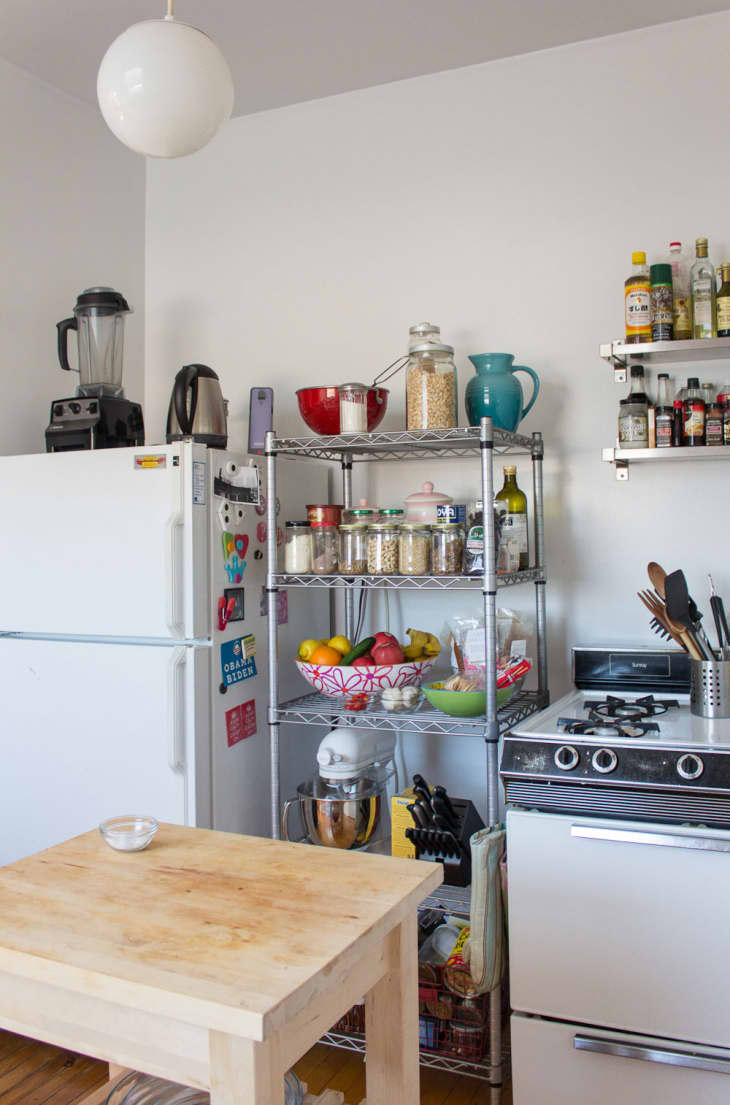
Credit: www.thekitchn.com
What Is Kitchen Storage
Creating efficient kitchen storage involves organizing space to keep utensils, ingredients, and appliances within easy reach. Smart use of shelves, drawers, and cabinets maximizes space and enhances functionality, making cooking more enjoyable and less chaotic. Customizing storage solutions to fit your needs ensures a tidy and welcoming kitchen environment.
Creating a functional kitchen involves more than just cooking. It’s about making the most of your space. Effective kitchen storage can transform chaos into order, ensuring everything has a spot and is easy to access. Understanding Kitchen Storage Kitchen storage is all about organizing your cooking essentials.
It involves utilizing shelves, cabinets, and drawers to keep items tidy. Proper storage helps maintain cleanliness and enhances efficiency in meal preparation. You can avoid clutter by having designated spaces for utensils, spices, and appliances. Types of Kitchen Storage There are various ways to store items in your kitchen: – Cabinets: Great for storing dishes and food items.
They help keep the kitchen neat. – Drawers: Ideal for utensils and small gadgets. They make items easy to reach. – Shelves: Perfect for displaying spices and cookbooks. They add decorative value. – Pantries: Useful for bulk items and canned goods.
They save space in cabinets. Benefits of Good Kitchen Storage Good storage leads to a more organized kitchen. It minimizes clutter and maximizes space. Here are some advantages: – Increased Efficiency: Easier access to tools and ingredients. – Enhanced Cleanliness: Fewer items left out, reducing mess.
– Improved Aesthetics: A tidy kitchen looks more inviting. Common Kitchen Storage Challenges Many face challenges with kitchen storage. Here are some typical issues: – Limited Space: Small kitchens often lack sufficient storage. – Overcrowded Cabinets: Too many items can lead to confusion.
– Hard-to-Reach Areas: Awkward spaces can be difficult to utilize. Solutions for Kitchen Storage Problems Solving storage problems requires creativity. Consider these ideas: – Vertical Storage: Use wall space for shelves and racks. – Pull-Out Drawers: Make deep cabinets more accessible.
– Multi-Functional Furniture: Opt for tables with built-in storage. Effective kitchen storage not only makes cooking easier but also enhances the overall look and feel of your space. By understanding and optimizing storage options, you can create a kitchen that is both functional and attractive.
How To Plan Kitchen Storage
Organize kitchen storage by assessing available space and identifying needs. Use shelves, hooks, and baskets for efficient use. Categorize items and keep frequently used ones within easy reach to streamline cooking tasks.
Creating a well-organized kitchen is a dream for many. Planning storage effectively can transform your cooking space into a functional and beautiful area. Let’s explore how you can achieve this with practical tips and insights. Assess Your Needs Start by understanding what you need: – Cooking habits: Consider how you cook and what items you use most.
– Family size: Larger families might require more storage. – Available space: Measure your kitchen space to know your limits. Prioritize Accessibility Easy access to kitchen items is key. Consider these points: – Place frequently used items within reach: Keep them at eye level or below.
– Store heavy items lower: Avoid lifting them from high shelves. – Use pull-out shelves: They make deep cabinets more accessible. Optimize Vertical Space Maximize your storage by thinking vertical: – Tall cabinets: Use them for storing less-used items. – Hanging racks: Perfect for pots, pans, and utensils.
– Overhead shelves: Ideal for decorative or seldom-used pieces. Categorize and Group Items Organize your kitchen by grouping similar items: – Cooking tools: Keep them near the stove for easy access. – Baking supplies: Store them together in one place.
– Pantry items: Categorize by type, like grains, canned goods, etc. Incorporate Multipurpose Solutions Choose storage solutions that serve multiple purposes: – Kitchen islands: Opt for ones with built-in storage. – Foldable furniture: Save space when not in use. – Multi-tiered racks: Great for organizing small items.
Plan for Future Needs Think ahead to avoid future storage issues: – Consider growing family needs: Plan for more storage space. – Stay adaptable: Choose flexible storage options. – Regularly declutter: Keep your kitchen organized and efficient. By following these tips, you can create a kitchen that is both functional and inviting.
Happy organizing!
How Much Kitchen Storage Do I Need
Every kitchen needs the right amount of storage for easy cooking. Consider space and lifestyle. Small kitchens need smart solutions like shelves or hooks. Large kitchens might need more cabinets or a pantry. Balance is key to ensure all items fit well.
Determining the right amount of kitchen storage can be tricky. It depends on your cooking habits, kitchen size, and the number of people in your household. Balancing these factors ensures you have a clutter-free, organized space. Let’s explore how to assess your storage needs effectively.
Assessing Your Cooking Habits Your cooking style influences storage needs. Consider these aspects: – Frequency of cooking: If you cook daily, you’ll need more storage for ingredients and utensils. – Type of meals: Cooking complex dishes may require additional space for specialty tools.
– Bulk buying: Buying in bulk demands extra space to store large quantities of food. Evaluating Kitchen Size Kitchen size plays a crucial role. Here’s how to analyze your space: – Small kitchens: Require creative storage solutions to maximize space.
– Large kitchens: Offer more flexibility but need smart organization to avoid clutter. – Layout design: Open plans might need more cabinets; closed layouts can use wall space. Considering Household Size The number of people in your home affects storage needs.
Here’s what to consider: – Single-person households: Typically need less storage, focusing on essentials. – Families: Require ample space for diverse food preferences and more utensils. – Shared kitchens: Need individualized spaces for personal items and shared supplies. Reviewing Current Storage Look at your existing setup to identify gaps: – Assess cabinet usage: Check if cabinets are overfilled or underutilized.
– Evaluate pantry size: Ensure it fits your grocery shopping habits. – Examine drawer organization: See if items are easily accessible or cluttered.
What Storage Do I Need In My Kitchen
Creating efficient kitchen storage involves organizing utensils, pots, and pantry items for easy access. Use shelves, racks, and cabinets to maximize space. Consider adjustable solutions to accommodate different sized items.
Creating efficient kitchen storage can transform your cooking space. With the right storage solutions, your kitchen becomes more functional and organized. But, what storage do you need? Let’s explore some essential options. Cabinet Storage Cabinets are a staple in most kitchens.
They offer ample space for various items. Make sure your cabinets are well-organized to maximize their potential. Consider installing pull-out shelves for easy access. Drawer Storage Drawers are perfect for smaller kitchen items. They keep utensils and gadgets neatly tucked away.
– Cutlery Drawers: Keep your forks, knives, and spoons organized. – Deep Drawers: Ideal for pots and pans. – Spice Drawers: Store your spices in a dedicated drawer. Pantry Storage A pantry can be a game-changer for kitchen organization. It provides space for non-perishable food items.
– Shelving: Adjustable shelves can accommodate different-sized items. – Baskets: Use baskets for smaller, loose items. – Labels: Label everything to find items quickly. Countertop Storage Countertops should be clutter-free. Only keep essentials on display. – Utensil Holders: Store frequently used utensils within arm’s reach.
– Canisters: Use for sugar, flour, and coffee. – Cutting Boards: Keep them stacked neatly or use a stand. Wall Storage Utilizing wall space is a smart way to increase storage. Install hooks or shelves to free up counter space.
– Magnetic Strips: Perfect for knives and metal utensils. – Pegboards: Great for hanging pots, pans, and tools. – Floating Shelves: Display decorative items or cookbooks. Under-Sink Storage The space under the sink often goes unused. This area is perfect for cleaning supplies and garbage bags.
Use organizers to keep everything in place. Creating the right storage solutions can simplify your kitchen routine. Make sure each storage option suits your needs. Your kitchen will be a more enjoyable place to cook and gather.
What Is Storage In Kitchen
Kitchen storage involves organizing space to hold cooking items efficiently. Shelves, cabinets, and drawers help keep everything neat. Clever storage solutions maximize space, making it easier to find utensils and ingredients quickly.
Navigating kitchen storage can feel like a puzzle. With pots, pans, and an array of utensils, a kitchen can quickly become cluttered. Proper storage ensures a tidy and functional space. Let’s explore the concept of storage in the kitchen. Understanding Kitchen Storage Kitchen storage is all about organizing.
It involves finding the best spots for items to maximize space and efficiency. Types of Kitchen Storage Here’s a look at different storage options: – Cabinets: Store dishes and cookware neatly. – Drawers: Perfect for utensils and small tools. – Shelves: Ideal for frequently used items.
– Pantry: A space for dry goods and snacks. Benefits of Effective Storage Proper storage offers several advantages: – Saves time: Easily find what you need. – Reduces clutter: Keeps countertops clean and organized. – Enhances safety: Prevents tripping over items.
– Improves functionality: Makes cooking easier and more enjoyable. Common Storage Challenges Many kitchens face storage problems: – Limited space: Small kitchens may have fewer cabinets. – Awkward layouts: Oddly shaped spaces can be hard to organize. – Overcrowding: Too many items can lead to clutter.
Solutions for Storage Issues Consider these solutions for better organization: – Use vertical space: Install shelves above counters. – Optimize cabinet space: Add organizers or racks. – Declutter regularly: Remove items you don’t use. – Invest in multi-purpose furniture: Choose pieces that offer storage.
Do It Yourself Kitchen Storage Ideas
Discover creative ways to organize your kitchen with DIY storage solutions. Maximize space by using shelves, hooks, and baskets. Transform cluttered areas into neat, functional spaces effortlessly.
Crafting your own kitchen storage solutions can be a fun and rewarding project. It allows you to tailor the space to your needs and style. Plus, it offers a chance to reuse materials and save money. Dive into these ideas and transform your kitchen with DIY creativity.
Shelving Units Adding shelves is a simple way to increase storage: – Floating shelves: They provide space without taking up floor room. – Corner shelves: Perfect for utilizing awkward spaces. – Under-cabinet shelves: Make use of often-overlooked areas. Pegboards for Organization Pegboards are versatile and easy to install.
– Tool storage: Hang utensils for easy access. – Adjustable hooks: Customize the layout as needed. – Color options: Paint them to match your kitchen’s theme. Magnetic Solutions Magnetic options can maximize small spaces: – Knife strips: Keep knives accessible and save drawer space.
– Spice holders: Attach jars to a magnetic strip on the wall. – Metal trays: Use for organizing small items with magnets. Repurposed Containers Turning old containers into storage is eco-friendly and practical: – Mason jars: Ideal for holding dry goods or utensils.
– Tin cans: Clean and paint for a rustic look. – Wooden crates: Stackable and great for larger items. Hanging Baskets Utilize vertical space with hanging baskets: – Ceiling hooks: Suspend baskets for fruits and vegetables. – Wall-mounted baskets: Store items without cluttering counters.
– Under-shelf baskets: Slide them under shelves for extra storage. Drawer Dividers Simple dividers can transform drawer space: – Custom fit: Measure and cut to fit your specific drawer. – Material options: Use wood, plastic, or cardboard. – Organization: Keep utensils and tools neatly separated.
Rolling Cart A rolling cart offers flexible storage options: – Portable: Move it around the kitchen as needed. – Multi-tier: Offers space for different types of items. – Surface space: Provides additional prep space when needed. Built-in Trash and Recycling Incorporate bins into cabinetry for a seamless look: – Pull-out drawers: Hide bins within cabinets.
– Dual compartments: Separate trash and recyclables easily. – Space-saving: Keeps bins out of sight, freeing up floor space.
How To Build A Kitchen Storage Cabinet
Crafting a kitchen storage cabinet involves planning, measuring, and assembling materials. Ensure ample space for pots, pans, and pantry items. Choose sturdy wood and consider adjustable shelves for flexibility.
Crafting a kitchen storage cabinet can be a fun project. It offers a practical solution to organizing your space. A custom cabinet not only fits your needs but also enhances your kitchen’s look. Let’s explore the steps to build one.
Gather Your Materials Start by preparing the necessary materials. Here’s what you’ll need: – Plywood sheets: These form the main structure. – Wood screws: Essential for securing parts together. – Wood glue: Provides additional hold. – Paint or stain: For the finishing touch.
– Cabinet hardware: Handles or knobs for doors. Plan Your Design Think about the cabinet’s purpose and design. Consider the following points: – Size: Measure the space where the cabinet will go. – Layout: Decide on shelves, drawers, or both.
– Style: Choose a design that matches your kitchen. Cut and Assemble Pieces With a plan in hand, it’s time to cut and assemble: – Cut plywood: Use a saw for accurate cuts. – Assemble frame: Secure pieces with screws and glue.
– Attach shelves: Ensure they are level and sturdy. Sand and Finish Sanding and finishing give the cabinet a polished look. Follow these steps: – Sand surfaces: Smooth all edges and surfaces. – Apply finish: Use paint or stain for a protective coat.
Install the Cabinet Finally, install your newly built cabinet: – Secure to wall: Ensure it’s safely attached. – Add hardware: Attach handles or knobs. Building a kitchen storage cabinet is rewarding. With careful planning and effort, you can create a stylish and functional piece.
How To Turn A Dresser Into Kitchen Storage
Transforming a dresser into kitchen storage is simple and effective. Remove drawers and insert shelves to create space. Paint for a fresh look, and add baskets or containers for organized storage.
Transforming a dresser into kitchen storage is both creative and practical. This project offers a budget-friendly way to enhance your kitchen’s functionality. By repurposing an old dresser, you can add charm and storage space. Let’s dive into how to make this transformation happen.
Selecting the Right Dresser Begin by choosing the perfect dresser for your needs. Not all dressers are suitable for the kitchen. Here are some tips to guide your selection: – Size: Ensure it fits your kitchen space without crowding. – Material: Opt for durable wood to withstand kitchen use.
– Style: Pick a design that complements your kitchen decor. Preparing the Dresser Before you start, some preparation is needed. This step ensures your dresser is ready for a new life in the kitchen. – Clean thoroughly: Remove dust, dirt, and any old liners.
– Repair if necessary: Fix any broken parts or loose drawers. Painting and Finishing A fresh coat of paint can work wonders. It revitalizes the dresser and makes it match your kitchen aesthetics. Consider these points: – Use kitchen-safe paint: Choose non-toxic, easy-to-clean options.
– Add a clear finish: Protect the paint and add shine. Adding Functional Features Make your dresser even more useful by adding practical features. This customization can make your kitchen tasks easier. – Install hooks: Hang utensils or towels for easy access.
– Add shelves: Create more storage space inside drawers. Organizing the Storage Finally, consider how you’ll use the new storage space. A well-organized dresser can make your kitchen more efficient. – Use dividers: Keep items separated and easy to find.
– Label drawers: Help everyone know where things belong. By following these steps, you can transform a dresser into a functional kitchen storage solution. It’s a creative way to enhance your kitchen and make the most of your space.
How To Organize Kitchen Storage
Organizing kitchen storage can be simple and effective. Use clear containers to see ingredients easily. Label shelves for quick access. Arrange items by category, like spices or canned goods, for smoother cooking. Keep frequently used items at eye level. This approach makes kitchen tasks easier and more enjoyable.
Maximizing your kitchen’s storage can transform your cooking space. A well-organized kitchen saves time and reduces stress. Let’s explore simple ways to get your kitchen storage in order. Categorize Your Items Begin by grouping similar items. This step simplifies finding what you need.
– Food items: Keep canned goods together, separate from dry goods. – Cooking utensils: Store spatulas, ladles, and spoons in one area. – Baking supplies: Combine flour, sugar, and baking powder on one shelf. Utilize Vertical Space Think about using the height in your kitchen.
Vertical space is often overlooked. – Shelving units: Install to hold pots, pans, and small appliances. – Wall hooks: Hang mugs or utensils to free up counters. – Tall pantry shelves: Stack items you use less often at the top.
Label Everything Labels can make your kitchen more accessible. They help everyone find things easily. – Containers: Label grains, spices, and snacks for quick identification. – Shelves: Mark sections for specific categories like breakfast foods. – Drawers: Indicate where to find knives, forks, or measuring cups.
Drawer Dividers Drawer dividers are handy for keeping things orderly. They prevent clutter and mix-ups. – Cutlery: Separate forks, knives, and spoons for easy access. – Gadgets: Organize small tools like peelers or zesters neatly. – Miscellaneous items: Group rubber bands, twist ties, and clips.
Use Clear Containers Clear containers provide visibility. They let you see contents without opening lids. – Pantry staples: Store pasta, rice, and cereal in transparent bins. – Leftovers: Keep food in clear containers for easy meal planning. – Snacks: Use see-through jars for nuts, dried fruits, and candies.
Regularly Declutter Make decluttering a habit. It keeps your kitchen tidy and functional. – Check expiry dates: Dispose of expired food items weekly. – Donate unused items: Give away kitchen gadgets you rarely use. – Clean surfaces: Wipe counters and shelves to maintain cleanliness.
Organizing kitchen storage doesn’t need to be complex. Simple changes can make a big difference.
How To Organize Kitchen Storage Containers
Create an efficient kitchen by organizing storage containers. Group similar items together for easy access. Use clear labels and stackable containers to save space. Keep frequently used items at the front. Store rarely used items higher up. Simple steps can transform your kitchen into a neat and functional space.
Efficient kitchen storage is a game-changer for any home cook. A well-organized space makes meal prep easy and enjoyable. Let’s explore ways to keep your kitchen storage containers tidy and accessible. Group Similar Items Together Keeping similar items together makes finding them simple.
– Shape and Size: Store containers of the same shape and size together. – Material Type: Keep glass, plastic, and metal containers in separate groups. – Usage Frequency: Place frequently used items at the front for easy access. Label Everything Labeling helps identify containers quickly.
Clear labels on containers save time. Use waterproof labels for durability. Include contents and expiration dates. Labels also help when others use your kitchen. Use Drawer Dividers Drawer dividers make organization straightforward. – Adjustable Dividers: Adapt to fit various container sizes.
– Easy Access: Keeps items from shifting, making them easier to find. – Customizable Options: Tailor dividers to fit your specific needs. Stack Containers Efficiently Stacking saves space and keeps the area neat. Choose containers that nest inside each other.
This reduces clutter and maximizes space. Ensure lids are also stackable for extra efficiency. Implement a Dedicated Shelf A dedicated shelf keeps containers organized. Assign a specific shelf for containers only. This prevents them from mixing with other items. It also keeps your kitchen looking tidy and organized.
How To Arrange Kitchen Storage
Organize kitchen storage by grouping similar items together. Use shelves and baskets for easy access. Store frequently used items at eye level.
A well-arranged kitchen storage can transform your cooking space into a haven of efficiency. Imagine the ease of finding utensils, spices, and ingredients in their designated spots. This organization not only saves time but also enhances the cooking experience. Let’s explore how to arrange your kitchen storage for optimal functionality.
Utilize Vertical Space Maximize the often-overlooked vertical space in your kitchen: – Wall-mounted shelves: Perfect for storing jars and small appliances. – Hooks for utensils: Keep spatulas and ladles handy on hooks. – Overhead racks: Hang pots and pans to free up cabinet space.
Categorize Items Grouping items by category can make your kitchen more organized: – Baking supplies: Keep flour, sugar, and baking powder together. – Cooking essentials: Arrange oils, spices, and condiments in one area. – Utensils and gadgets: Store similar tools in designated drawers.
Label Containers Labeling containers simplifies the search for ingredients: – Clear bins with labels: Identify contents at a glance. – Spice jars with names: Quickly find the right spice for your dish. – Pantry items: Use labels to distinguish rice from quinoa.
Use Drawer Dividers Drawer dividers can create order out of chaos: – Separate utensils: Forks, spoons, and knives each have their space. – Keep gadgets tidy: Assign spaces for peelers and garlic presses. – Organize lids: Match lids with their containers for easy access.
Optimize Corner Cabinets Corner cabinets often become cluttered. Here’s how to make them useful: – Lazy Susans: Rotate to access items easily. – Tiered shelves: Increase visibility and accessibility. – Pull-out racks: Maximize space with sliding racks. Store Items by Frequency of Use Arrange items based on how often you use them: – Daily essentials: Store coffee mugs and plates within easy reach.
– Occasional items: Place holiday dishes in less accessible areas. – Rarely used gadgets: Tuck away niche appliances like waffle makers.
How To Manage Kitchen Storage
Organize kitchen storage by using shelves and baskets. Store items you use often within easy reach. Use clear containers for smaller items, so you can see what’s inside. Label everything to make finding items easier. Keep countertops clear to maximize space.
Organizing your kitchen can transform your cooking experience. A well-managed kitchen storage system saves time and reduces stress. Learn effectively with practical strategies. Assess Your Needs Begin by evaluating what you have. Consider how often you use each item.
This helps in deciding what needs prime storage space. Categorize Items Grouping items makes finding them easier. Here are key categories to consider: – Cooking tools: Store pots, pans, and utensils together for easy access. – Dry goods: Keep flour, rice, and cereals in one spot.
– Spices and herbs: Arrange them in a rack or drawer for quick retrieval. – Baking supplies: Gather measuring cups, mixers, and baking sheets in one area. Utilize Vertical Space Think about using your wall space creatively. Install shelves to store items you frequently use.
Hooks can hold mugs or kitchen tools. This frees up counter space. Optimize Drawer Usage Maximize drawer efficiency with dividers. These keep utensils neatly arranged. Consider adding a sliding tray to separate smaller items. Invest in Stackable Containers Stackable containers are perfect for dry goods.
They save space and keep food fresh. Label each container for easy identification.
Which Containers Are Best For Kitchen Storage
Consider glass jars for their airtight seal and durability, perfect for storing dry goods. Plastic containers offer lightweight convenience and are great for leftovers. Metal tins provide a stylish touch while keeping baked goods fresh. Mix and match these options to maximize kitchen storage efficiently.
A well-organized kitchen can make a world of difference. Choosing the right containers is essential for efficient storage. They help keep ingredients fresh and your pantry neat. Let’s explore the best options for kitchen storage. Glass Containers Glass containers are a popular choice.
They are durable and versatile. – Transparency: You can see what’s inside without opening the lid. – Non-porous: They don’t absorb smells or stains, keeping food fresh. – Oven-safe: Ideal for cooking or reheating food directly. Plastic Containers Plastic containers are lightweight and often more affordable.
They come in various sizes and shapes. – Stackable: Saves space by stacking neatly in cabinets. – Lightweight: Easy to carry and handle. – Variety: Available in many shapes and sizes for different needs. Stainless Steel Containers For those seeking durability, stainless steel is a great option.
These containers are resistant to rust and corrosion. – Durable: Long-lasting and resistant to damage. – Non-reactive: Safe for storing acidic foods. – Eco-friendly: Recyclable and sustainable choice. Ceramic Containers Ceramic containers offer a stylish and functional storage solution. They add a touch of elegance to your kitchen.
– Aesthetic appeal: Available in various designs and colors. – Airtight lids: Keeps food fresh and prevents moisture entry. – Microwave-safe: Suitable for reheating meals. Silicone Containers Silicone containers are gaining popularity for their flexibility. They are easy to store and maintain.
– Flexible: Can be folded when not in use, saving space. – Temperature-resistant: Suitable for freezer and microwave. – Easy to clean: Dishwasher-safe, simplifying cleanup.
Which Material Is Best For Kitchen Storage Containers
Glass containers offer durability and are easy to clean, making them ideal for kitchen storage. Plastic containers are lightweight and affordable, suitable for storing dry goods. Stainless steel containers provide a sturdy option for keeping food fresh and safe. Each material has unique benefits for organizing your kitchen efficiently.
Choosing the right material for kitchen storage containers can be tricky. Different materials offer various benefits and drawbacks. Let’s explore some popular options to help you make an informed decision. Glass Storage Containers Glass containers are a favorite for many.
They are durable and versatile. – Transparency: Easy to see contents inside. – Non-porous: Prevents stains and odors. – Microwave safe: Ideal for reheating food. Plastic Storage Containers Plastic is light and cost-effective. Many households use plastic for storage. – Lightweight: Easy to handle and carry.
– Affordable: Budget-friendly choice. – Variety: Comes in many shapes and sizes. Stainless Steel Containers Stainless steel is known for its durability and sleek look. These containers are robust and long-lasting. They resist dents and scratches. Stainless steel does not react with acidic foods.
This makes them ideal for various types of storage. Ceramic Storage Containers Ceramic containers add a touch of elegance to any kitchen. – Stylish: Offers a classic look. – Airtight seals: Keeps food fresh. – Dishwasher safe: Easy to clean.
Silicone Containers Silicone is becoming more popular for its flexibility. Silicone containers can collapse for easy storage. They withstand high temperatures, making them oven-safe. This material is also non-toxic, ensuring safe food storage. Bamboo Storage Containers Bamboo offers an eco-friendly option for storage.
– Biodegradable: Environmentally friendly choice. – Lightweight: Easy to move. – Natural look: Complements any kitchen decor. Each material has its unique benefits. Consider your needs and preferences to choose the best one.
:strip_icc()/sKout1-17a400134e434918a623eb198e6f1a6a.JPG)
Credit: www.mydomaine.com
Frequently Asked Questions
How To Create More Storage In A Kitchen?
Maximize kitchen storage by installing wall-mounted shelves. Use stackable containers for pantry items. Opt for multi-tiered racks in cabinets. Utilize drawer organizers for utensils. Consider hanging pots and pans to free up space.
What To Do If Your Kitchen Has No Drawers?
Use wall-mounted shelves for storage. Incorporate a kitchen island with built-in storage. Utilize pegboards for hanging utensils. Consider magnetic strips for knives and spice jars. Opt for stackable containers to maximize cabinet space.
How Do I Decide Where To Put Things In My Kitchen?
Organize your kitchen by storing frequently used items within easy reach. Group similar items together for efficiency. Place heavy items on lower shelves. Keep cooking essentials near the stove and cleaning supplies under the sink. Use labels and containers for better organization and quick access.
What Are The Three Types Of Storage In A Kitchen?
The three types of kitchen storage are dry storage, refrigerated storage, and frozen storage. Dry storage holds non-perishable items like canned goods and spices. Refrigerated storage keeps perishable foods fresh, such as dairy and meats. Frozen storage preserves items for long-term, like vegetables and pre-cooked meals.
Conclusion
Creating effective kitchen storage is simple and rewarding. Start with a solid plan. Assess your needs and space. Use creative DIY ideas to maximize storage. Turn old furniture into useful kitchen pieces. Organize smartly with the best containers. Opt for materials that ensure durability.
Maintain your storage for long-lasting functionality. Properly arranged kitchen storage boosts efficiency. It makes cooking more enjoyable and stress-free. Remember, a well-organized kitchen reflects a well-organized life. Happy organizing!

I’m Abby Lu, a passionate home cook who loves simplifying everyday meals. At PlugChef.com, I share product reviews and cooking guides to help you find the best tools for your kitchen.
Related posts:
 What Type of Cooking Utensils are Safe: Expert Picks
 What Innovations Could Blenders Make: Unleashing Future Tech
 Smart Strategies to Organize a Small Kitchen: Maximize Space
 How to Organize a Kitchen Cabinet: Expert Tips & Tricks
 How to Organize Kitchen Drawers: Expert Tips and Tricks
 How to Organize a Corner Kitchen Cupboard: Expert Tips

