
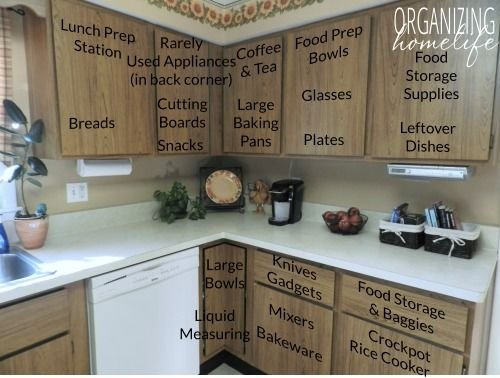
Are you tired of feeling cramped and disorganized in your kitchen? Does cooking feel more like a chore than a joy because you’re constantly searching for utensils and ingredients?
You’re not alone. Many people struggle with making the most of their kitchen space. But what if there was a way to transform your kitchen into a well-organized, efficient space that sparks joy and creativity every time you step in?
In this guide, you will discover the secrets to organizing your kitchen layout effectively. We’ll explore simple strategies that turn clutter into clarity, making meal preparation smoother and more enjoyable. Imagine opening your cabinets and immediately finding what you need, or having a countertop that is always ready for action. By the end of this article, you’ll have actionable tips to redesign your kitchen into a functional haven. Whether you’re working with a compact space or a two-level kitchen, these insights will help you maximize every inch. So, are you ready to turn chaos into calm? Let’s dive in and transform your kitchen into the heart of your home.
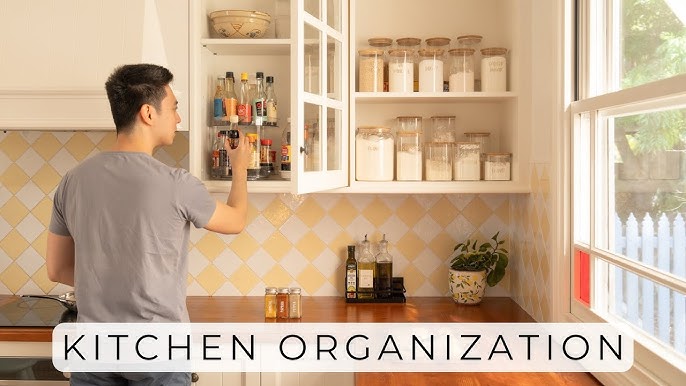
Credit: www.youtube.com
How Do I Organize My Kitchen Layout
Organizing a kitchen layout involves arranging items for easy access and efficient workflow. Group similar items together, such as cookware near the stove and utensils in a nearby drawer. Keep frequently used items within reach to enhance convenience and functionality.
A well-organized kitchen can make cooking a joy. Imagine reaching for a pot and knowing exactly where it is. A smart layout helps you find everything quickly. Let’s explore how you can organize your kitchen efficiently. Assess Your Space Start by understanding your kitchen’s size and shape.
This step is crucial: – Measure dimensions: Know the length, width, and height. – Identify key areas: Locate the sink, stove, and fridge. – Note obstacles: Spot any columns or odd corners. Define Work Zones Set up specific areas for different tasks.
This can make cooking smoother. Utilize Vertical Space Don’t forget the height of your kitchen. It’s often overlooked: – Use wall shelves: Store spices or utensils. – Hang pots and pans: Free up cabinet space. – Install hooks: Perfect for mugs and towels.
Optimize Cabinet Storage Well-organized cabinets are a must. They can reduce clutter. Choose Functional Furniture Select pieces that offer more than one use. This is smart for small kitchens: – Foldable tables: Save space when not in use. – Chairs with storage: Keep extra items inside.
– Multi-use islands: Prep food and store gadgets. Maintain Accessibility Make sure every item is easy to reach. This saves time during cooking.
How Do You Organize Your Kitchen Layout
Arranging your kitchen layout involves placing essentials within easy reach. Keep cooking tools near the stove. Store frequently used items at eye level for quick access.
A well-organized kitchen can make cooking a joy. Whether you’re a seasoned chef or just starting, arranging your kitchen layout improves efficiency. Let’s dive into some practical ways to organize your kitchen effectively. Maximize Counter Space A clutter-free counter boosts productivity.
Here are some ways to keep it clear: – Use Wall Storage: Install shelves or hooks for pots and pans. – Utilize Under-Cabinet Racks: Store spices or small items underneath cabinets. – Opt for Vertical Organizers: Stack trays and cutting boards upright.
Optimize Cabinet Organization Cabinets can store a lot. Organizing them well is crucial. Consider these tips: – Group Similar Items: Keep baking supplies in one spot. – Label Containers: Use clear labels for easy identification. – Adjust Shelf Heights: Tailor shelf spaces for different items.
Create Designated Zones Think of your kitchen as having specific zones. This approach streamlines tasks: – Cooking Zone: Store utensils and pots near the stove. – Cleaning Zone: Keep dish soap and towels by the sink. – Prep Zone: Have knives and cutting boards within reach.
Utilize Drawer Dividers Drawers often become jumbled. Dividers can help maintain order. Here’s how: – Categorize Utensils: Separate forks, knives, and spoons. – Store Gadgets Separately: Keep peelers and graters in individual sections. – Organize Lids: Use dividers to keep pot lids neat.
Make Use of Pantry Storage A tidy pantry means easy meal prep. Here’s how to keep it organized: – Install Pull-Out Shelves: Access items at the back easily. – Use Clear Containers: Identify contents at a glance. – Rotate Stock: Place newer items behind older ones.
By following these simple strategies, you can create a kitchen layout that enhances your cooking experience.
How Should A Kitchen Be Organized
Arrange your kitchen by placing frequently used items within easy reach. Store pots and pans near the stove. Keep utensils and cutting boards near the prep area. This layout saves time and makes cooking easier. Organize similar items together for a tidy and efficient space.
A well-organized kitchen makes cooking enjoyable and efficient. Imagine reaching for a spoon and knowing exactly where it is. Or chopping vegetables and having space for every ingredient. A smart layout minimizes clutter and maximizes comfort. But how exactly should a kitchen be organized to achieve this harmony?
Let’s explore some practical ways. Divide Your Kitchen into Zones Creating zones in your kitchen simplifies tasks: – Cooking Zone: Place pots, pans, and utensils near the stove for easy access. – Prep Zone: Keep cutting boards, knives, and mixing bowls where you prepare food.
– Cleaning Zone: Store dish soaps and towels near the sink for convenience. Store Items by Frequency of Use Consider how often you use each item: – Daily Items: Keep plates, glasses, and silverware within easy reach. – Occasional Use: Store holiday dishes and special cookware in higher cabinets.
– Rarely Used: Place seldom-used appliances in the back or bottom shelves. Utilize Vertical Space Vertical storage maximizes available room: – Wall-mounted Racks: Hang pots, pans, or utensils to free up counter space. – Tall Cabinets: Use shelves to store items like baking sheets or cutting boards.
– Pegboards: Attach hooks to hold kitchen tools where you can see them. Optimize the Pantry A tidy pantry helps with meal planning: – Group Similar Items: Organize canned goods, grains, and spices by category. – Use Clear Containers: Store snacks and cereals in transparent bins to see contents.
– Label Shelves: Mark spaces for different types of food to maintain order. Ensure Easy Access Accessibility enhances efficiency: – Pull-Out Shelves: Install sliding shelves in cabinets for easier reach. – Lazy Susans: Use rotating trays in corner spaces to access everything quickly.
– Open Shelving: Display everyday dishes and mugs for straightforward retrieval. Design with Safety in Mind Safety is crucial in kitchen layouts: – Secure Knives: Store knives in a block or magnetic strip away from children. – Avoid Clutter: Keep walkways clear to prevent tripping or accidents.
– Safe Appliances: Place microwaves and ovens at a comfortable height to reduce strain. Creating a kitchen that suits your needs involves thoughtful planning. Each section should serve a purpose, making cooking a breeze and keeping your space neat and inviting.
How Should I Organize My Kitchen
Organizing a kitchen layout involves placing frequently used items within easy reach. Store pots and pans near the stove for convenient cooking. Arrange utensils and spices close to preparation areas to streamline meal prep. Keep cleaning supplies under the sink for quick access.
Creating an efficient kitchen layout can transform your cooking experience. Whether you’re a seasoned chef or a beginner, organizing your kitchen is key. Let’s dive into the essentials of arranging your kitchen space for maximum efficiency and comfort. Assess Your Kitchen Space Start by evaluating the available space.
Consider how each area can serve you best. Here are some points to keep in mind: – Size and shape: Determine the dimensions and layout of your kitchen. This helps in planning the placement of appliances and storage. – Traffic flow: Ensure there is a clear path for movement.
Avoid obstacles that could disrupt your cooking. – Zones: Designate specific areas for cooking, cleaning, and storage. This organization aids in maintaining order. Optimize Storage Solutions Maximize every inch of your kitchen with smart storage solutions. Cabinets, shelves, and drawers can be your best friends: – Vertical space: Use tall cabinets or wall-mounted shelves.
This saves floor space and provides ample storage. – Drawer organizers: Invest in dividers and containers. Keep utensils, cutlery, and tools neatly arranged. – Under-sink storage: Utilize this often-overlooked space. Store cleaning supplies and trash bags effectively. Arrange Your Appliances Thoughtful arrangement of appliances contributes to a smooth workflow.
Consider these aspects when deciding their placement: – Proximity to workspace: Place frequently used items near the prep area. This reduces unnecessary movement. – Power outlets: Check for accessible outlets. Ensure appliances are plugged in without extending cords. – Safety: Keep hot appliances away from cold storage areas.
This prevents accidents and maintains food safety. Create a Functional Cooking Area Your cooking zone should be both practical and comfortable. Focus on these elements to enhance your cooking experience: – Counter space: Provide enough room for meal prep. Avoid clutter to maintain a clean surface.
– Lighting: Install adequate lighting fixtures. Bright lights help in precise cooking and enhance visibility. – Accessibility: Keep pots, pans, and cooking tools within reach. This speeds up the cooking process and minimizes interruptions. Maintain Cleanliness and Order A tidy kitchen is a happy kitchen.
Regular cleaning and organization keep your space inviting: – Daily tidying: Wipe surfaces and clean spills promptly. This keeps the kitchen hygienic and ready for use. – Weekly deep clean: Plan a thorough cleaning session. Focus on areas like the fridge and oven.
– Declutter: Remove items you no longer use. Free up space for essentials and maintain order. Organizing your kitchen doesn’t have to be overwhelming. With these strategies, you can create a space that works for you.
How Should My Kitchen Be Organized
Design your kitchen layout for easy access and efficiency. Place frequently used items within reach. Group similar items together for a smooth cooking flow. Keep countertops clear to maximize space and improve functionality.
A well-organized kitchen makes cooking enjoyable and efficient. Imagine moving smoothly between tasks, with everything in its place. It’s not just about aesthetics; it’s about creating a space that works for you. Let’s explore how to set up your kitchen for maximum functionality.
Create Work Zones Think about your kitchen like a workspace. Divide it into zones: – Cooking Zone: Place pots, pans, and cooking utensils near the stove. – Prep Zone: Keep cutting boards and knives close to the counter. – Cleaning Zone: Store cleaning supplies under the sink for easy access.
– Storage Zone: Organize your pantry and fridge for quick retrieval. – Serving Zone: Have plates and glasses within reach of the dining area. Each zone should serve its purpose efficiently. Prioritize Frequently Used Items Ease of access is key.
Keep your most-used items within arm’s reach. This reduces time spent searching for things while cooking. Utilize Vertical Space Maximize your kitchen’s potential by using vertical space. Consider these options: – Shelving: Add shelves for extra storage. – Hanging Racks: Use racks for pots and pans.
– Magnetic Strips: Attach strips for knives and metal utensils. – Cabinet Doors: Install hooks for small tools and towels. These ideas help keep countertops clear. Keep Counters Clutter-Free Clear counters make cooking stress-free. Only keep essential appliances out. Store the rest in cabinets or drawers.
This creates a tidy and inviting space. Label Containers and Shelves Labels help everyone find what they need. Use them for jars, bins, and shelves. It’s a simple way to maintain order and save time. Consider Traffic Flow A good kitchen layout considers movement.
Ensure paths are clear for easy navigation. This is especially important in busy households. Adjust for Your Lifestyle Every kitchen should fit its owner’s needs. Think about your cooking style and family size. Organize to suit your daily routines and habits.
By arranging your kitchen smartly, cooking becomes a joy, not a chore.
How Should You Organize Your Kitchen
Organizing your kitchen layout involves grouping items based on usage for easy access. Place frequently used items near cooking areas. Store pots and pans close to the stove, and keep spices within reach. Arrange utensils in drawers for simple retrieval.
The kitchen is the heart of the home. Proper organization makes it functional and inviting. But? Let’s explore some practical tips. Prioritize Your Kitchen Zones Consider dividing the kitchen into zones for efficiency. Here’s how you can do it: – Cooking Zone: Keep pots, pans, and utensils near the stove.
– Cleaning Zone: Place the sink, dishwasher, and trash bin together. – Food Prep Zone: Store cutting boards and knives near the counter space. – Pantry Zone: Arrange food storage near the fridge for easy access. Optimize Cabinet and Drawer Space Utilize every inch of your cabinets and drawers.
This can greatly enhance your kitchen layout: – Use Drawer Dividers: Keeps utensils and small items organized. – Install Lazy Susans: Ideal for corner cabinets and hard-to-reach areas. – Add Pull-Out Shelves: Makes deep cabinets more accessible. – Hang Pots and Pans: Saves space and keeps frequently used items within reach.
Maximize Counter Space Keeping counters free is key. It makes food preparation easier. Consider these strategies: – Use Wall Shelves: Store items off the counter but still accessible. – Install Hooks: Hang mugs, towels, or utensils. – Keep Appliances Stored: Only keep essentials like the coffee maker or toaster visible.
– Utilize Vertical Space: Stack containers to save room. Maintain Accessibility Ensure everything is easy to reach. Accessibility enhances the cooking experience: – Store Frequently Used Items: Keep them at eye level or on open shelves. – Use Clear Containers: Easily see contents without opening each box.
– Label Shelves: Helps everyone find items quickly. – Arrange by Frequency: Place less-used items at the back or higher shelves. Enhance Lighting Good lighting makes a difference. It creates a welcoming atmosphere: – Install Under-Cabinet Lights: Brightens the counter space.
– Use Pendant Lights: Adds style and light above the kitchen island. – Consider Natural Light: Keep windows uncovered for daylight. – Add Dimmer Switches: Adjust brightness to suit different tasks. Thoughtful organization transforms the kitchen into a functional and pleasant space.
How Should You Organize Your Kitchen Cabinets
Arrange pots and pans near the stove for easy access during cooking. Store spices and oils close to food preparation areas. Keep dishes and glasses close to the sink or dishwasher for quick cleaning and storage.
A well-organized kitchen can make cooking more enjoyable. The kitchen cabinets, often the main storage space, play a crucial role. Arranging them can seem daunting, but with the right tips, it becomes simple. Let’s explore some effective ways to organize your kitchen cabinets for better efficiency.
Group Items by Use Think about how you use your kitchen items. Grouping them by use makes everything accessible. – Everyday dishes: Place these in lower cabinets for easy reach. – Cooking utensils: Store near the stove for convenience. – Baking essentials: Keep them together in one spot for quick access.
Use Vertical Space Cabinets often have unused vertical space. Maximizing it can create more room. – Shelf risers: Add these to double the storage space. – Hooks: Install underneath shelves to hang mugs. – Stackable containers: Use them for pantry items to save space.
Label Everything Labels help identify items quickly. They add to the neatness of your kitchen. – Transparent containers: Label each with its contents. – Spice jars: Use labels for fast identification. – Shelves: Mark them to show where items belong.
Rotate Seasonally Consider rotating items based on seasons. It keeps the kitchen fresh and organized. During warmer months, store winter-specific items like slow cookers. As the seasons change, switch out for grilling tools. This rotation makes sure you have the right tools at the right time.
How Best To Organize A Kitchen
Arranging a kitchen layout effectively involves grouping similar items together for easy access. Keep frequently used utensils near cooking areas. Designate specific spots for food prep, storage, and cleaning to maintain a tidy and functional space.
Creating a functional kitchen layout can transform your cooking experience. A well-organized kitchen not only saves time but also makes meal prep a breeze. Knowing how to arrange your kitchen effectively is essential for smooth culinary operations. Group Similar Items Together Organizing similar items can make your kitchen more efficient: – Cooking utensils: Keep them near the stove for easy access.
– Baking tools: Store them in one drawer or cabinet. – Spices and herbs: Arrange them in a designated spice rack. – Pots and pans: Stack them in cupboards or hang them for quick reach. Maximize Cabinet Space Effective use of cabinets can free up counter space.
Use shelf organizers to separate different items and increase storage. Place less-used items on higher shelves. This keeps frequently used items within easy reach. Utilize Vertical Storage Vertical storage solutions are a great way to save space: – Wall-mounted racks: Use these for pots, pans, or cutting boards.
– Magnetic strips: Perfect for knives or metal utensils. – Hanging baskets: Store fruits or vegetables to keep counters clear. – Overhead shelves: Ideal for seldom-used items. Designate Zones for Tasks Creating specific zones can streamline kitchen tasks. Have a prep area with cutting boards and knives.
Set up a cooking zone around the stove with pots and pans. A cleanup zone near the sink with dish soap and towels is helpful. This layout minimizes movement and boosts efficiency. Keep Counters Clutter-Free Clear counters create a more inviting space: – Store appliances: Keep them in cabinets when not in use.
– Use trays: Organize items like oils and condiments. – Limit decor: Choose functional items that add style and purpose. – Daily tidying: Spend a few minutes each day to maintain order. Label and Categorize Labeling can simplify your kitchen routine.
Use clear containers for pantry items like flour and sugar. Label shelves in the fridge to keep foods organized. Categorizing helps everyone find what they need quickly. This practice keeps the kitchen tidy and efficient.
How To Best Organize Your Kitchen
Organize your kitchen layout by placing frequently used items within easy reach. Use vertical storage to save space. Group similar items together for efficient access and a tidy look.
Organizing your kitchen can transform daily cooking into a delightful experience. A well-organized kitchen saves time and reduces stress. By arranging items logically, you can easily find what you need. Let’s explore how to best arrange your kitchen space for efficiency and convenience.
Zone Layout Dividing your kitchen into zones can streamline tasks: – Cooking Zone: Keep pots, pans, and spices near the stove. – Prep Zone: Store knives and cutting boards close to your counter. – Cleaning Zone: Place cleaning supplies under the sink for easy access.
– Storage Zone: Group pantry items together for quick retrieval. Accessible Storage Efficient storage solutions can make a big difference. Consider these ideas: – Shelving: Install shelves for easy access to frequently used items. – Drawers: Use drawer organizers to separate utensils and gadgets.
– Hanging Racks: Hang pots and pans to free up cabinet space. – Containers: Store dry goods in clear containers to see contents. Prioritizing Essentials Focus on keeping essentials close by. This approach saves time during meal prep: – Daily Use: Store everyday items within arm’s reach.
– Specialty Tools: Place seldom-used tools in less accessible spots. – Quick Access: Arrange ingredients near the cooking area. Smart Appliance Placement Strategic appliance placement enhances workflow: – Refrigerator: Position near the prep zone for easy ingredient access. – Dishwasher: Keep close to the sink for efficient cleanup.
– Oven and Microwave: Locate near the cooking zone for seamless meal prep. Declutter Regularly A clutter-free kitchen is inviting. Try these tips: – Regular Reviews: Periodically review items and discard or donate extras. – Counter Space: Keep counters clear to enhance workspace.
– Organized Cabinets: Maintain tidy cabinets by storing similar items together. These strategies help create a kitchen that’s both functional and enjoyable. The goal is to simplify tasks and enhance your cooking experience.
How To Best Organize Kitchen
Optimizing kitchen layout involves smart placement of appliances and storage areas. This ensures easy access to utensils and ingredients. Use vertical space for organizing tools, and keep counters clear for efficient meal preparation.
Creating a well-organized kitchen can change the way you cook. A neat space enhances efficiency and makes meal prep enjoyable. Here are some tips to ensure your kitchen is in top shape. Declutter and Prioritize Start by clearing out what you don’t need.
Organizing a kitchen begins with decluttering. Identify items you rarely use and remove them. Focus on keeping only essentials within reach. – Clean surfaces: Keep countertops free from unnecessary items. – Discard old items: Dispose of expired food and broken gadgets.
– Prioritize essentials: Store frequently used items at eye level. Group Similar Items Next, think about organizing similar items together. This makes finding things easier and faster. – Cooking tools: Store spatulas and spoons near the stove. – Baking essentials: Keep flour, sugar, and baking powder together.
– Cleaning supplies: Place all detergents under the sink. Utilize Vertical Space Don’t forget to use your vertical space. Shelves and hooks can maximize your storage. Consider installing shelves above counters. These can hold jars, mugs, or small pots. Use hooks for hanging utensils or pans.
Vertical storage frees up drawer space and keeps items visible. Optimize Drawer Storage Drawers can become chaotic without proper organization. By using dividers, you can transform them. – Drawer dividers: Separate cutlery and utensils. – Labeling: Mark each section to keep items in place.
– Use small bins: Store loose items like bottle openers or clips. Create a Functional Workflow A kitchen workflow can save time. Design your space to match how you cook. Think about the path you take while cooking. Place chopping boards near the sink.
Keep pots and pans close to the stove. This layout reduces movement and speeds up meal prep. Label Everything Labels are your friends in an organized kitchen. They help everyone find things easily. Use labels on jars, boxes, and bins.
This is especially helpful for similar-looking ingredients like flour and sugar. Labels maintain order and assist in quick identification. Maintain Regularly Finally, upkeep is key to a tidy kitchen. Regular maintenance prevents clutter from returning. Make a weekly schedule to tidy up.
Check for expired items and reorganize as needed. Consistent effort keeps your kitchen in order and ready for any culinary adventure.
How To Best Organize My Kitchen
Arranging your kitchen layout efficiently saves time and effort. Group similar items together and keep frequently used items within easy reach. Use shelves and drawers smartly for better organization.
A well-organized kitchen can transform cooking into a delightful experience. By arranging your space efficiently, you can save time and reduce stress. Let’s explore some practical tips to help you create an efficient kitchen layout. Group Similar Items Together Start by categorizing your kitchen items.
This method ensures easy access and enhances efficiency. – Food items: Store all food in one area, like a pantry or cabinet. – Cookware: Place pots and pans near the stove for convenience. – Utensils: Keep utensils in a drawer close to prep areas.
– Cleaning supplies: Designate a space under the sink for cleaning products. Optimize Counter Space Make the most of your counter space by clearing it of unnecessary items. – Appliances: Only keep everyday appliances on the counter. – Decorative items: Limit decorations to avoid clutter.
– Prep zone: Designate a clear area for food preparation. – Vertical storage: Utilize wall shelves for additional storage. Use the Triangle Rule The triangle rule enhances kitchen flow. It involves arranging the stove, fridge, and sink in a triangular pattern.
Incorporate this design to improve movement between essential kitchen areas. This layout minimizes steps and maximizes efficiency, making cooking more enjoyable. Invest in Storage Solutions Consider storage options to streamline your kitchen organization. – Cabinet organizers: Use dividers and shelves inside cabinets.
– Drawer inserts: Keep utensils and cutlery neatly arranged. – Hanging racks: Hang pots and pans to free up cabinet space. – Pull-out shelves: Install these for easy access to items at the back. Label Everything Labeling can simplify your kitchen life.
Clear labels help you find items quickly. Use labels for containers, spices, and storage bins. This approach minimizes confusion and promotes order, ensuring a smooth cooking process. Maintain Regular Cleanup Regular tidying up keeps your kitchen functional. A clean environment fosters creativity and ease.
Dedicate time each week for maintenance. This routine prevents clutter and maintains order, allowing for a pleasant kitchen experience.
How To Best Organize Two Level Kitchen
Maximize your two-level kitchen by placing frequently used items within easy reach. Arrange cabinets to separate cookware from food storage. Install pull-out shelves for easier access. Keep countertops clear by storing small appliances inside cabinets. This setup creates a functional and tidy cooking space.
Designing a kitchen layout that works well can transform cooking into a pleasant experience. A two-level kitchen offers unique opportunities for efficient use of space. Here, we explore practical ways to organize and maximize this layout. Optimize Counter Space Counter space is precious in any kitchen.
Here are ways to make the most of it: – Use vertical storage: Install shelves above counters for easy access to frequently used items. – Choose multi-purpose appliances: Opt for devices that can perform several functions, saving counter space. – Keep essentials within reach: Store pots, pans, and utensils close to cooking areas for convenience.
Efficient Storage Solutions Proper storage ensures everything has its place. Here’s how to achieve it: The key to a tidy kitchen is smart storage. Implement these strategies: – Use drawer dividers: Keep cutlery and small items organized and easy to find.
– Opt for pull-out shelves: Access deep cabinets without hassle by installing pull-out shelves. – Hang pots and pans: Install hooks or a hanging rack to store cookware efficiently. Zone Your Kitchen Creating zones in your kitchen can enhance functionality.
Here’s how to do it: Think of your kitchen as a series of zones. Each zone should serve a specific purpose: – Cooking zone: Place stove, oven, and cooking tools together for seamless meal preparation. – Cleaning zone: Keep sink, dishwasher, and cleaning supplies in one area for easy access.
– Storage zone: Dedicate space for pantry items and food storage near the fridge. Lighting Matters Good lighting is crucial for a functional kitchen. Consider these tips: Brighten your kitchen with effective lighting solutions: – Install under-cabinet lights: Illuminate work surfaces for safe and efficient cooking.
– Use pendant lights: Hang over islands or breakfast bars to create a warm ambiance. – Choose LED bulbs: They offer energy efficiency and long-lasting illumination. Create a Social Space A welcoming kitchen invites social interaction. Here’s how to create one: Make your kitchen a place where friends and family can gather: – Add seating: Include stools or a small table for casual dining and conversation.
– Open floor plan: Ensure there’s enough space for movement and mingling. – Warm decor: Use cozy colors and textures to create an inviting atmosphere. Organizing a two-level kitchen requires thoughtful planning. With these strategies, you can create a space that’s both functional and welcoming.
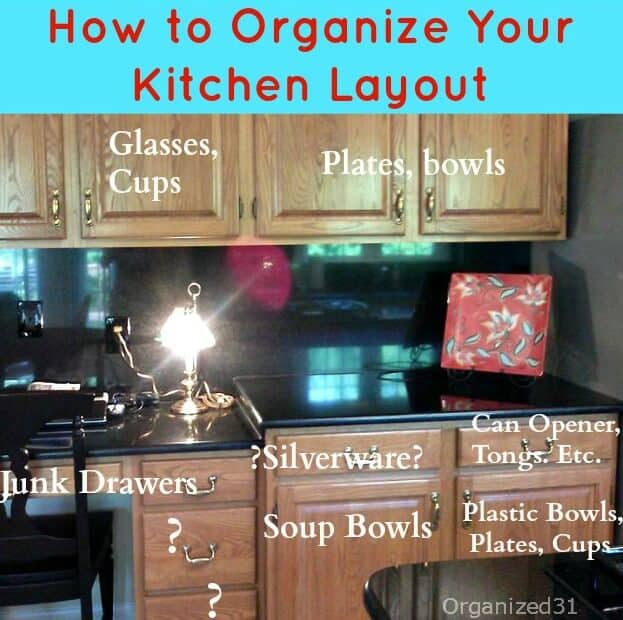
Credit: organized31.com
Frequently Asked Questions
How Do I Decide Where To Put Things In My Kitchen?
Arrange items based on frequency of use. Place frequently used items within easy reach. Store heavy items lower and lighter items higher. Group similar items together for efficiency. Ensure cooking essentials are near the stove. Organize food supplies in designated areas for quick access.
What Is The Proper Way To Arrange A Kitchen?
Organize a kitchen by grouping similar items together. Place frequently used items within easy reach. Arrange cookware near the stove and utensils near prep areas. Store food in designated zones, like pantry and fridge. Maintain clear countertops for efficient meal preparation.
Keep cleaning supplies accessible but separate from food.
How Do I Plan My Kitchen Layout?
Start by assessing your kitchen space and needs. Consider the work triangle for efficiency. Optimize storage with cabinets and drawers. Ensure sufficient counter space for food preparation. Choose quality lighting for visibility.
What Goes In Each Kitchen Zone?
The kitchen comprises five zones: Cooking, prep, storage, cleaning, and consumables. Cooking zone holds pots, pans, and utensils. Prep zone includes cutting boards, knives, and mixing bowls. Storage zone organizes dry goods and spices. Cleaning zone contains sink and dishwasher essentials.
Consumables zone stores fridge items and pantry staples.
Conclusion
Creating an organized kitchen layout enhances your cooking experience. Prioritize functionality and flow. Arrange items based on frequency of use. Keep essentials within arm’s reach. Group similar items together for efficiency. Use vertical space for added storage. Consider pull-out drawers for easy access.
Label containers to reduce clutter. A tidy kitchen saves time and reduces stress. Adjust the layout as needs change. Remember, a well-organized kitchen makes meal preparation enjoyable. Enjoy your cooking journey with an efficient setup.

I’m Abby Lu, a passionate home cook who loves simplifying everyday meals. At PlugChef.com, I share product reviews and cooking guides to help you find the best tools for your kitchen.
Related posts:
 What Type of Cooking Utensils are Safe: Expert Picks
 What Innovations Could Blenders Make: Unleashing Future Tech
 Smart Strategies to Organize a Small Kitchen: Maximize Space
 How to Organize a Kitchen Cabinet: Expert Tips & Tricks
 How to Organize Kitchen Drawers: Expert Tips and Tricks
 How to Organize a Corner Kitchen Cupboard: Expert Tips

