
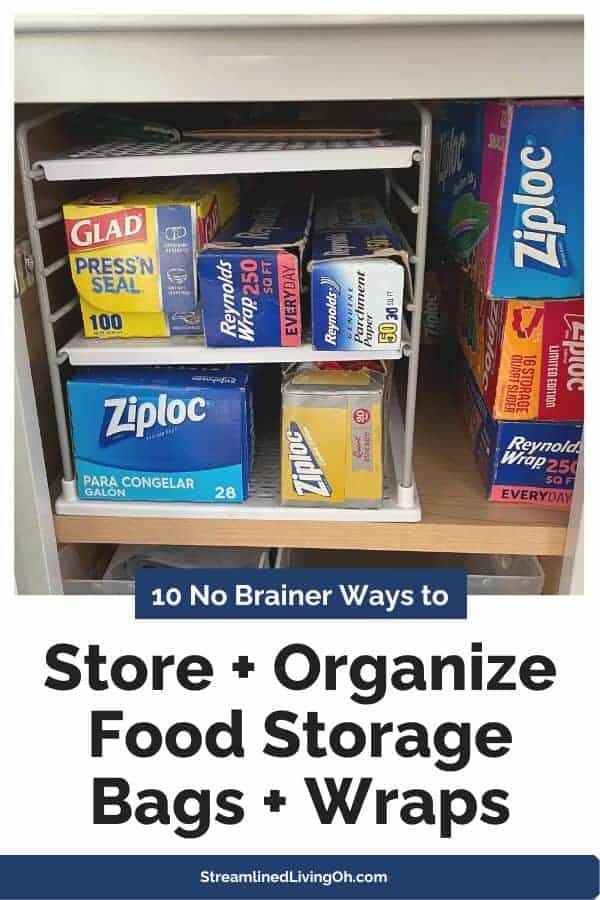
An efficient system for storing aluminum foil and plastic wrap saves time, reduces waste, and prevents the jammed, crumpled mess that turns a five-second reach into five minutes of searching. This guide shows how to pick the right location, choose or build dispensers, manage partial rolls and refills, and keep storage safe and eco-conscious — with step-by-step actions you can do today.
Quick overview: what works best
- Keep wraps close to where you prep and store food (near countertop, fridge, or pantry).
- Match product width to storage space before buying new rolls.
- Use dispensers or drawer organizers to stop rolls from unspooling.
- Store sharp-edge boxes and blades away from children and heat sources.
- Consider reusable alternatives (beeswax, silicone lids) to cut single-use wrap.
Decide the right spot in your kitchen
Choosing the correct location is the foundation of a lasting system. Think workflow: where do you most often use wraps — at the prep counter, inside the fridge, or when packing lunches?
- Near prep area: fastest access for everyday sealing and covering.
- Inside pantry or a countertop drawer: best for bulk storage and refills.
- Inside a cabinet door or on a backsplash: great when counter space is limited.
Measure before you commit. Check the inside width and height of the drawer or cabinet and compare with your typical roll lengths (common foil/plastic wrap roll widths are 12", 18", and 24"). If a roll is taller than the drawer opening, it will catch and crumple.
 Credit: www.amazon.com
Example of common household foil and plastic wrap rolls.
Credit: www.amazon.com
Example of common household foil and plastic wrap rolls.
Match the product to storage and use
Not all wraps are created equal. Choosing the right type and size avoids wasted space and frustration.
- By width: standard widths are usually 12" and 18"; heavy-duty or catering foil often comes at 24". If you store inside a narrow drawer, prefer 12" or cut the carton down first.
- By purpose: freezer-grade wrap or “freezer foil” and heavy-duty foil are thicker and should be stored with other bulk items because they’re less likely to tear in transit. Cling-style plastic wrap comes in different cling strengths — keep the fragile, thin rolls protected in a box or dispenser.
- By quantity: bulk rolls (e.g., 100+ feet) are best kept in pantry shelves or on a dedicated rod — not in a shallow drawer.
A common mistake is buying rolls that work for cooking but not for storage space; take a quick tape measure before replacing a roll.
Ready-made storage solutions and where to use them
Choose a solution that fits your kitchen layout and how you use wraps.
Drawer organizers
- Shallow, segmented organizers keep boxes flat and prevent sliding.
- Look for units with rubber feet or non-slip liners; they stop rolls from unspooling when you open the drawer.
- Best for kitchens with wide, under-counter drawers.
In-cabinet door racks
- Slim racks or rails mounted to the inside of cabinet doors use otherwise wasted space.
- Ideal for 12" and 18" rolls; check hinge clearance before installing.
- Good where countertop space is scarce.
Wall- or backsplash-mounted dispensers
- These free the countertop and put the cutter at a convenient height.
- Choose models with guarded blades to reduce cut risk.
- In practice, adhesive-mounted dispensers are easy to install, but use screws if you expect heavy use.
Vertical / magazine-holder method
- Place rolls vertically in magazine holders or wire bins so you can pull one without disrupting others.
- Works well in deep pantry shelves.
Freestanding dispensers (countertop)
- Useful for frequently used wraps; often include sharper, safer cutting edges than factory boxes.
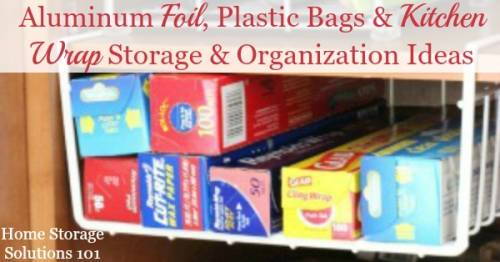 Credit: www.home-storage-solutions-101.com
Inside-cabinet solution using a mounted dispenser and shelf organization.
Credit: www.home-storage-solutions-101.com
Inside-cabinet solution using a mounted dispenser and shelf organization.
DIY ideas that actually work
If you want a low-cost, tailored option, these builds are proven in real kitchens.
Tension rod dispenser
- Install a small tension rod inside a cabinet or between two pantry shelves. Slide rolls onto the rod; use an elastic loop or rubber band at one end to keep the roll from unspooling.
- Pros: inexpensive, adjustable; Cons: watch sideways wobble with small rolls.
PVC pipe holders
- Cut a length of 1.5–2" PVC to the roll width, glue end caps with a center hole, and mount horizontally. Easy to slide rolls on/off.
- Pros: durable, inexpensive; Cons: requires tools and a secure mount.
Repurposed magazine holders
- Stand rolls upright in magazine holders on shelves, then label the front. Use one holder per wrap type for fast grab-and-go access.
Cut-down factory boxes
- If a box is too tall for your drawer, carefully open and flatten, then reassemble to a shorter height for easier storage. Tape to reinforce corners.
Storing partial rolls, refills and spares
A major source of clutter is loose partial rolls. Keep them tidy and ready.
- Single-roll plan: designate one active roll per dispenser or holder. Store extras in a labeled bin or a shelf below.
- Rewind method: if a partial roll unravels, lay it on a clean surface, fold the end over the roll tight, then secure with a small binder clip or masking tape.
- Refill boxes: keep a small bin for new, sealed rolls and another for opened partials. Rotate so older partials get used first.
Safety, food-safety, and heat concerns
Organization must be safe: keep blades guarded, plastics away from heat, and food-contact best practices in mind.
- Keep dispensers with exposed blades out of children’s reach and consider models with concealed cutters.
- Store plastic wrap away from direct heat and stovetops — plastic wrap is not intended for oven use; check manufacturer guidance before microwaving. For official food-contact and packaging guidance, see the U.S. Food and Drug Administration (FDA).
- For food storage decisions (e.g., how long to freeze leftovers that you’ll wrap in foil), consult trusted storage guidance. USDA and FDA materials provide current recommendations on safe food storage and handling; these resources help you choose when to use foil versus freezer-safe wrap (USDA).
A common mistake is storing boxes above a stove or in a hot cabinet; heat can weaken adhesives and affect the wrap. In practice, keep your wraps in a cool, dry place.
Eco-friendly swaps and storage adjustments
If you use a lot of single-use wrap, small changes reduce waste and make storage easier.
- Replace frequent-use plastic wrap with beeswax or silicone food covers for bowls and sandwiches. These behave differently (no sharp cutter needed) and are stored folded or stacked.
- Store reusable covers in a shallow basket or drawer organizer so they’re as easy to reach as single-use wraps.
- Recycle empty cardboard boxes where local programs accept them; collapse them to free space.
Maintain the system: checklist and schedule
A short routine keeps the organization working.
- Monthly: check for torn or damp boxes, throw away unusable partials, and restock a single active dispenser.
- Quarterly: measure inventory; donate or repurpose extra unopened rolls you won’t use.
- After heavy use (holidays): re-seat dispensers, replace dull blades, and reorganize drawer liners.
Step-by-step setup (15–30 minutes)
- Measure the intended storage space (width, depth, height).
- Sort all rolls by type and size.
- Choose a solution (drawer organizer, mounted dispenser, vertical bin).
- Install hardware (adhesive for light use, screws for heavier loads).
- Label slots or bins for “foil,” “plastic,” “freezer,” and “reusable covers.”
- Put one active roll in the dispenser and store extras neatly.
Frequently asked questions
Q: Where should I store heavy-duty foil and freezer wrap? A: Keep heavy-duty foil and freezer wrap on a pantry shelf or in a deep drawer. These thicker rolls often come in larger boxes; store them flat to prevent crushing and away from heat sources.
Q: Can I store plastic wrap in the fridge? A: Yes — you can store unused rolls in the fridge or freezer to improve cling for some brands, but it’s not required. Ensure the roll is dry and sealed in a plastic bag to prevent condensation or odors.
Q: How do I avoid cuts when using foil boxes with exposed blades? A: Replace factory boxes with a dispenser that has a guarded cutting edge or use dedicated scissors. If you keep the original box, position it so the blade faces inward and out of reach of children.
Q: Do I need to separate foil from plastic wrap? A: Organizing by material (foil, cling film, freezer wrap, reusable covers) speeds retrieval and prevents cross-contamination. For example, don’t store used plastic wrap near clean reusable covers.
Q: What’s the best way to label storage? A: Use a label maker or simple chalkboard/printed sticky labels and place them on the outward-facing edge of drawers or bins. Labels like “Foil — Everyday,” “Aluminum — Heavy Duty,” or “Reusable Covers” make decision-making immediate.
Conclusion
Storing foil and plastic wrap well is a small change with outsized benefits: less time wrestling with spills, fewer torn sheets, and a calmer prep area. Measure your space, pick one simple dispenser or organizer that fits your workflow, and commit to a 10–30 minute setup. In practice, one clear, labeled spot for active rolls and a nearby bin for spares will solve most problems.
Try one of the solutions above this week — install a tension rod or drawer organizer and notice how much quicker meal prep becomes.

I’m Abby Lu, a passionate home cook who loves simplifying everyday meals. At PlugChef.com, I share product reviews and cooking guides to help you find the best tools for your kitchen.
Related posts:
 How to Make a Fruit Basket for a Gift: Easy DIY Guide
 Basket Capacity And Usage Tips: Maximize Your Air Fryer Efficiency
 How to Choose Kitchen Appliances: Expert Tips Revealed
 Kitchen Cabinets With Black Stainless Steel Appliances: Modern Elegance
 White Kitchen Cabinets Stainless Steel Appliances: Timeless Elegance
 Top 10 Best Non-Toxic Cooking Utensils – Safe & Durable Choices for Healthy Homes

