
Freshly cut mushrooms bruise and spoil faster than whole ones. This guide gives tested, practical methods to keep sliced or chopped mushrooms tasting good—and safe—longer. You’ll get clear prep steps, storage options for short- and long-term use, quick troubleshooting, and sensible timelines so you waste less and cook better.
Quick overview: What to expect
- Raw cut mushrooms: best used within 24–48 hours in the fridge.
- Cooked mushrooms: keep 3–4 days refrigerated.
- Frozen (properly blanched or pre-cooked): maintain good quality for many months.
- Key failure modes: excess moisture (slime), prolonged dryness (shriveling), and mold.
Keep your refrigerator at safe temperatures (at or below 40°F / 4°C) to slow bacterial growth—this is standard food-safety guidance from the USDA. (See the USDA homepage for refrigerator safety recommendations.)
Choosing and preparing mushrooms for storage
Pick mushrooms that handle cutting well
Some varieties tolerate cutting and refrigeration better:
- Firm types: white button, cremini, portobello—hold texture when sliced.
- Meaty varieties: shiitake—good for cooking and freezing.
- Avoid very delicate types (enoki, some oysters) for extended storage; they become slimy quickly.
Look for firm caps, dry surfaces (not sticky), and a mild, earthy scent. Bruises, dark patches, or a sour smell indicate they’re past prime.
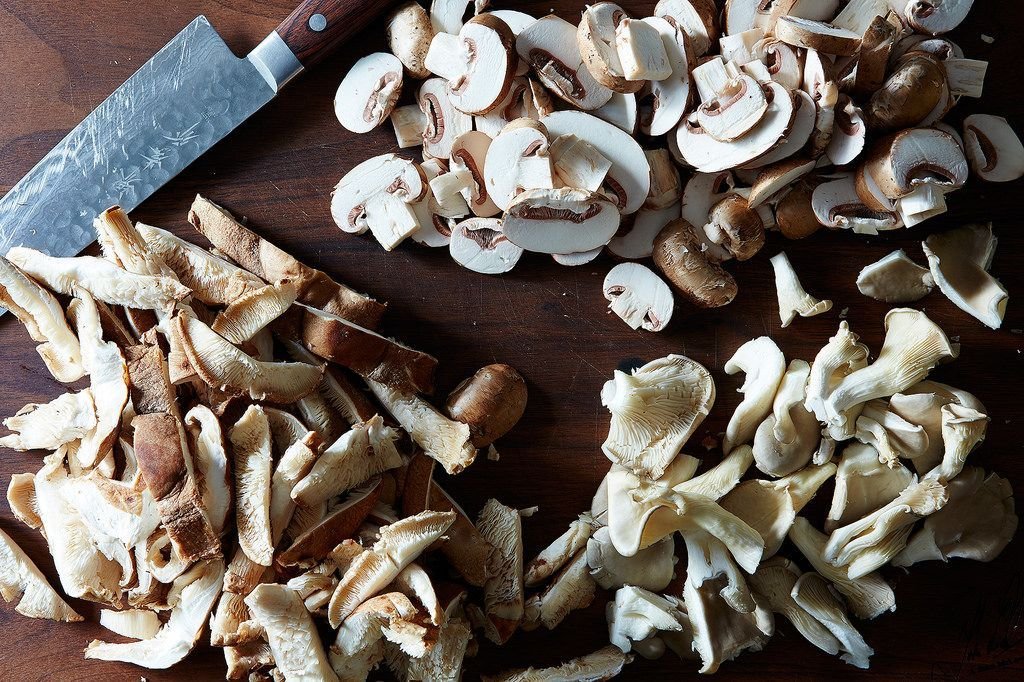
 Lightly sliced mushrooms ready for refrigeration or cooking.
Credit: food52.com
Clean carefully—don’t soak
Mushrooms absorb water like a sponge. In practice:
- Brush off soil with a soft brush or wipe with a barely damp paper towel.
- If very dirty, rinse quickly under cool running water, then pat dry immediately with paper towels.
- Do your final cleaning right before cutting if possible; less exposed surface helps them keep.
Cut with purpose
- Use a sharp knife to make clean slices; crushing speeds spoilage.
- For even cooking and storage, cut to uniform thickness (e.g., 1/8–1/4 inch slices).
- Trim only tough stems—avoid unnecessary trimming that increases exposed surface area.
Best short-term storage (refrigerator)
Short-term = same day to 48 hours. Goal: control moisture without suffocating the mushrooms.
Options that work reliably:
Paper-towel lined container (recommended)
- Spread cut mushrooms in a single layer or a shallow layer lined with paper towels.
- Cover loosely with a lid or leave the container slightly ajar to allow airflow.
- Replace the paper towel if it becomes damp.
Paper bag or breathable produce bag
- Place mushrooms in a brown paper bag or perforated produce bag with a paper towel inside.
- Fold or roll the top; avoid sealing completely.
Glass or plastic container with venting
- Use a shallow container to avoid crushing; line with paper towel and close the lid but leave a small gap or poke a hole for ventilation.
Practical tips:
- Store in the main fridge compartment (not the door) where temperature is most stable.
- Check after 24 hours: if any pieces show slime, remove them—sliminess spreads quickly.
Medium-term storage: cook then refrigerate or freeze
If you won’t use raw cut mushrooms within 48 hours, cook them before storing for longer fridge life or better freezer results.
- Cooked mushrooms refrigerated: up to 3–4 days (standard food-safety timeframe for cooked leftovers).
- Cooked mushrooms frozen: sautéing first (with a little oil or butter) freezes far better than freezing raw slices—less cell rupture, better texture on reheating.
Common cookware prep:
- Sauté sliced mushrooms in a hot pan until they release moisture and then brown. Cool quickly, then pack in airtight containers or freezer bags.
Freezing cut mushrooms (best method for long-term)
Freezing raw sliced mushrooms leaves them limp and watery when thawed. Two approaches give the best texture:
Blanch then freeze (recommended for many uses)
- Bring a pot of water to a rolling boil.
- Add sliced mushrooms and blanch 1–2 minutes depending on slice thickness.
- Immediately plunge into an ice bath to stop cooking.
- Drain and pat as dry as possible.
- Spread on a tray to flash-freeze 15–30 minutes (prevents clumping), then transfer to airtight freezer bags or vacuum-seal. Remove excess air.
- Label with date and contents.
Sauté then freeze (best flavor and texture for future hot dishes)
- Sauté until most liquid has evaporated and mushrooms are lightly browned.
- Cool quickly, portion, and freeze in airtight containers or freezer bags.
Packaging tips:
- Use vacuum sealer when possible to reduce freezer burn.
- Portion into meal-sized packets to avoid repeated thawing.
- Keep a freezer inventory to use oldest packs first.
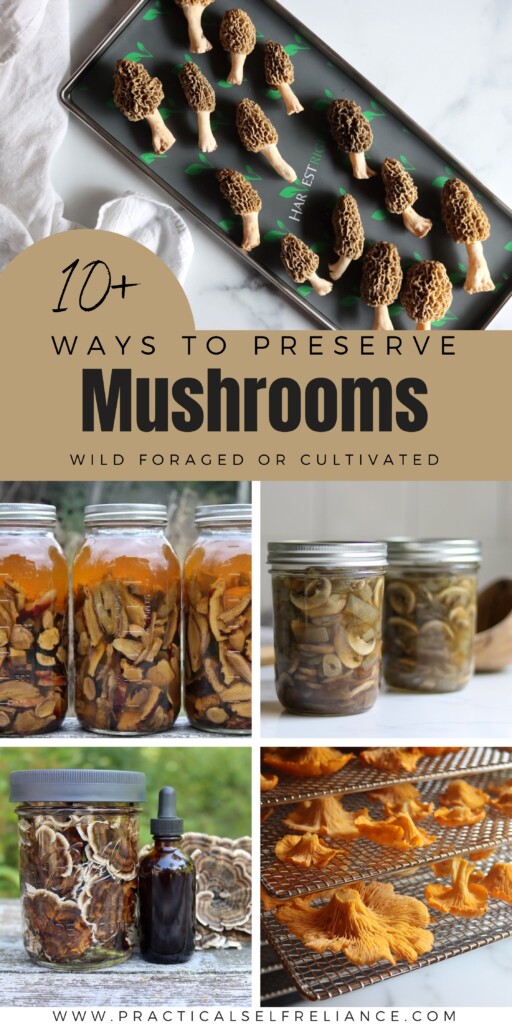 Credit: practicalselfreliance.com
How long will they keep? (practical timeline)
- Raw cut mushrooms (refrigerator): best used within 24–48 hours for quality.
- Cooked mushrooms (refrigerator): 3–4 days.
- Frozen (blanched or cooked): maintain peak quality for several months; many home cooks use 6–12 months for best texture and flavor.
Keep in mind: the USDA recommends storing perishable foods at or below 40°F (4°C) to reduce bacterial growth—this affects all timeframes.
Common mistakes and how to avoid them
- Mistake: sealing wet mushrooms in airtight containers. Result: condensation → slime. Fix: line container with paper towels and allow slight airflow.
- Mistake: washing and storing wet. Fix: clean only as needed and dry thoroughly.
- Mistake: overcrowding containers. Result: bruising and uneven cooling. Fix: use shallow layers.
- Mistake: freezing raw without blanching or pre-cooking leads to mushy texture on thaw. Fix: blanch or sauté first.
In practice, switching to the paper-towel/shallow-container method reduces sogginess most consistently.
Signs mushrooms are unsafe—when to discard
Never taste to test for spoilage. Throw out mushrooms that show:
- Persistent sliminess (not just slight dampness).
- Strong sour or off-putting odor.
- Visible mold (white fuzzy, green, or black patches).
- Extensive darkening, soft or spongy texture.
If only one piece is bad, remove it and inspect remaining pieces carefully before use.
Uses for stored mushrooms (ideas to rescue slightly limp ones)
- Sauté or roast: quick high heat restores texture and concentrates flavor.
- Soups, stews, and sauces: softer texture is fine; toss them in.
- Freezing after cooking: if you cooked mushrooms to revive them, freeze any leftovers for meal prep.
Troubleshooting: revive limp mushrooms?
If mushrooms are only slightly limp but not slimy:
- Pat dry and quickly sauté in a hot pan to restore firmness and color.
- Avoid trying to rehydrate or soak them—this makes texture worse.
FAQ
Q: Can I wash mushrooms before storing?
A: Avoid washing before storage. Clean with a brush or damp cloth and, if rinsed, dry immediately. Wash just before cooking when possible.
Q: Are airtight containers always bad?
A: Airtight containers are fine for short-term refrigerated storage if the mushrooms are dry and you add moisture-absorbing paper towels; they’re excellent for freezer storage (to avoid freezer burn).
Q: Can I freeze raw sliced mushrooms?
A: You can, but raw mushrooms tend to get limp after thawing. Blanching or pre-cooking preserves texture and flavor better.
Q: How do I handle leftover cooked mushrooms?
A: Cool quickly, refrigerate within two hours of cooking, and use within 3–4 days. For longer storage, freeze in portioned packs.
Conclusion
Storing cut mushrooms well is mostly about controlling moisture, temperature, and time. For everyday short-term storage, the paper-towel-lined, shallow container or paper-bag method in the main fridge compartment is the easiest and most reliable. If you want long-term convenience and better quality after thawing, blanch or sauté before freezing and store in airtight, labeled packets. Try one of these methods the next time you slice mushrooms—small changes will keep them fresher, cut waste, and make your meals better.
Quick action: next time you slice mushrooms, line a shallow glass container with paper towel and note how much longer they stay crisp—you’ll notice the difference.
For general refrigerator temperature and food-safety guidance, see the USDA homepage. For additional preservation techniques and extension advice, visit a university extension resource such as the University of Minnesota Extension.

I’m Abby Lu, a passionate home cook who loves simplifying everyday meals. At PlugChef.com, I share product reviews and cooking guides to help you find the best tools for your kitchen.
Related posts:
 How to Make a Fruit Basket for a Gift: Easy DIY Guide
 Do You Need a Basket? Essential Guide for Air Fryers
 What Blenders Do Tropical Smoothie Use: Expert Insights
Stainless Steel Vs White Kitchen Appliances: Ultimate Showdown
What Blenders Do Tropical Smoothie Use: Expert Insights
Stainless Steel Vs White Kitchen Appliances: Ultimate Showdown
 Kitchen Appliances for Wedding Registry: Must-Have Essentials
 Top 10 Best Non-Toxic Cooking Utensils – Safe & Durable Choices for Healthy Homes

