
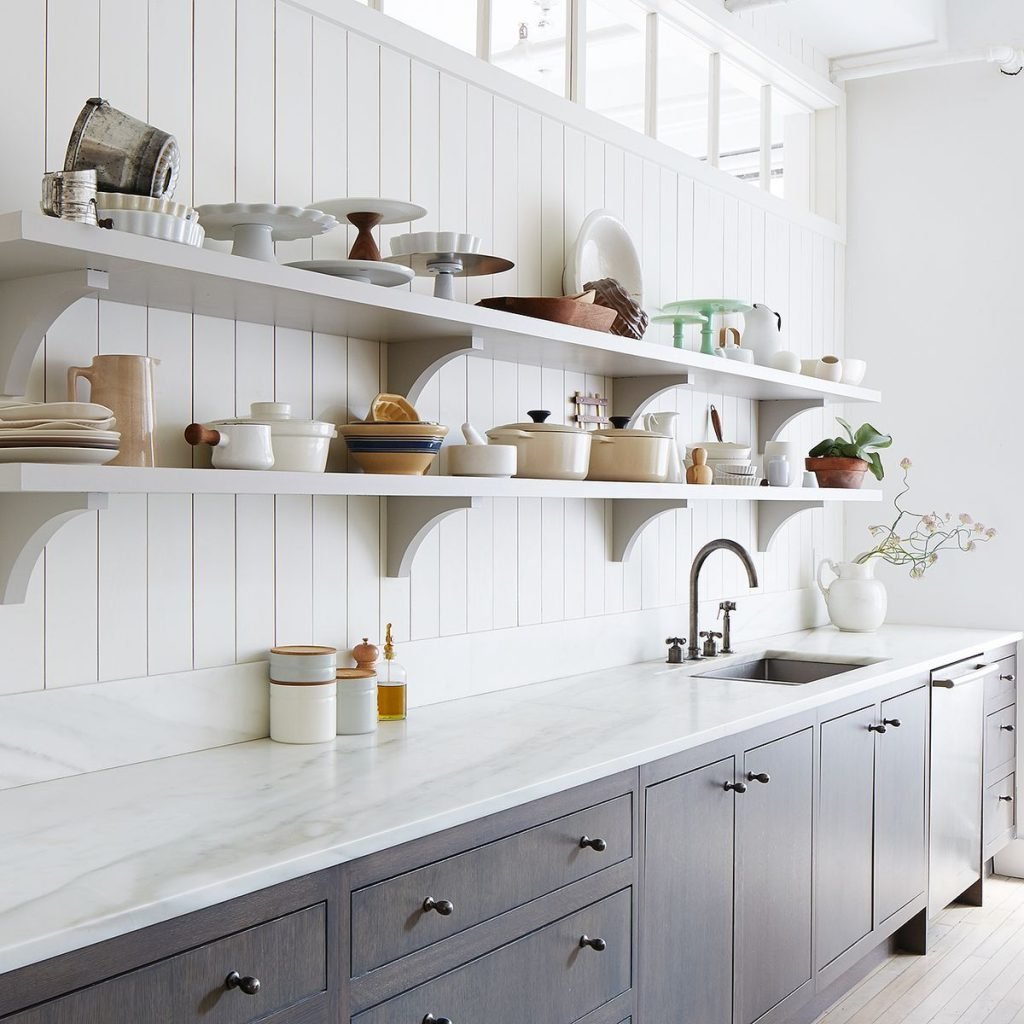
Imagine walking into your kitchen and finding everything exactly where you need it. No more searching for the elusive spice or rummaging through cluttered cabinets.
Organizing your kitchen can transform your cooking space into a haven of efficiency and peace. Do you often feel overwhelmed by the chaos in your kitchen? You’re not alone. Many people struggle to keep their kitchens tidy and functional. But with a few simple strategies, you can turn your kitchen into a well-organized masterpiece.
Discover the secrets to creating a kitchen where everything has its place, and every meal preparation becomes a breeze. Keep reading to learn how you can achieve this transformation and enjoy the benefits of a streamlined cooking environment.
Kitchen Layout Planning
Efficient kitchen layout planning enhances organization and workflow. Place frequently used items within easy reach. Clear countertops from clutter to maximize workspace.
Planning your kitchen layout is a crucial step in creating a functional and inviting space. A well-thought-out kitchen layout can make cooking more enjoyable and efficient. Whether you’re redesigning your existing kitchen or starting from scratch, understanding the fundamentals of layout planning can transform your culinary experience.Assessing Space And Needs
Start by evaluating the available space and identifying your specific needs. Do you have a small kitchen, or are you blessed with a larger area? The size of your kitchen will heavily influence your layout choices. Consider how you use your kitchen daily. Do you love hosting dinner parties, or is it more about quick meals for a busy family? Identifying your cooking and entertaining habits can help tailor the layout to your lifestyle. Take stock of your appliances and storage requirements. Avid bakers might need extra countertop space, while those with a penchant for gadgets may require additional storage solutions. Knowing what you need will guide the design process.Choosing Functional Zones
Divide your kitchen into functional zones to optimize workflow. The main zones to consider are the cooking, prepping, and cleaning areas. Arranging these zones efficiently can save you time and effort. The cooking zone should house your stove, oven, and microwave. Ensure this area is easily accessible from the prep zone, where you chop, mix, and prepare ingredients. Consider placing your fridge close to the prep area to streamline meal preparation. The cleaning zone revolves around the sink and dishwasher. Keep this area close to the prep and cooking zones to minimize the distance you carry dirty dishes. An organized cleaning zone can make post-meal cleanup a breeze. As you plan your kitchen layout, think about the flow of movement and how each zone interacts. Does the layout facilitate easy transitions between tasks? An intuitive kitchen design will enhance your cooking experience and make your time in the kitchen more enjoyable.
Credit: letshomebody.com
Storage Solutions
Organizing a kitchen requires smart storage solutions. These solutions help maintain a tidy and functional space. With clever techniques, it’s possible to make the most of available space. This ensures everything has its place and is easy to access.
Maximizing Cabinet Space
Cabinet space often goes underutilized. Use shelf risers to create layers. This allows stacking without clutter. Consider pull-out drawers for deep cabinets. They provide easy access to items at the back. Use dividers to separate pans and lids. This prevents a jumbled mess and saves time.
Utilizing Vertical Storage
Vertical storage is a smart way to save space. Install hooks under cabinets for mugs or utensils. Use tall shelves to store rarely-used items. Wall-mounted racks can hold pots and pans. This frees up counter space for daily tasks. Magnetic strips are great for knives, freeing up drawer space.
Efficient Workflow
Organizing a kitchen boosts efficiency and simplifies daily tasks. Group similar items together for easy access. Use labeled containers and shelves to reduce clutter and save time.
An efficient kitchen workflow is essential for a seamless cooking experience. Imagine whipping up your favorite meal without constantly searching for utensils or ingredients. By organizing your kitchen strategically, you can create a space that supports a smooth culinary process, saving time and reducing stress. Let’s dive into some practical tips to enhance your kitchen’s efficiency.Creating A Cooking Triangle
The concept of the cooking triangle focuses on positioning your stove, sink, and refrigerator in a triangular layout. This setup minimizes movement and maximizes efficiency. If you can easily pivot between these three key areas, you’ll find meal preparation becomes more intuitive and less cumbersome. Consider the distance between each point of the triangle. Ideally, you should be able to reach each area with minimal steps. This setup not only saves time but also helps in maintaining a clutter-free space as each task has a dedicated zone.Streamlining Meal Prep
Efficient meal prep starts with decluttering your countertops. Keep only the essentials within arm’s reach, like your favorite knife or a cutting board. This approach reduces distractions and helps you focus on the task at hand. Organize your pantry and fridge with meal prep in mind. Group similar items together, such as spices or canned goods, so you can easily grab what you need. Consider using clear containers to quickly identify ingredients, which can significantly cut down on prep time. Ask yourself if your kitchen setup truly supports your cooking habits. Are the tools you use most often easily accessible? Adapting your kitchen layout to your cooking style can transform how you experience meal preparation, making it a more enjoyable and efficient process.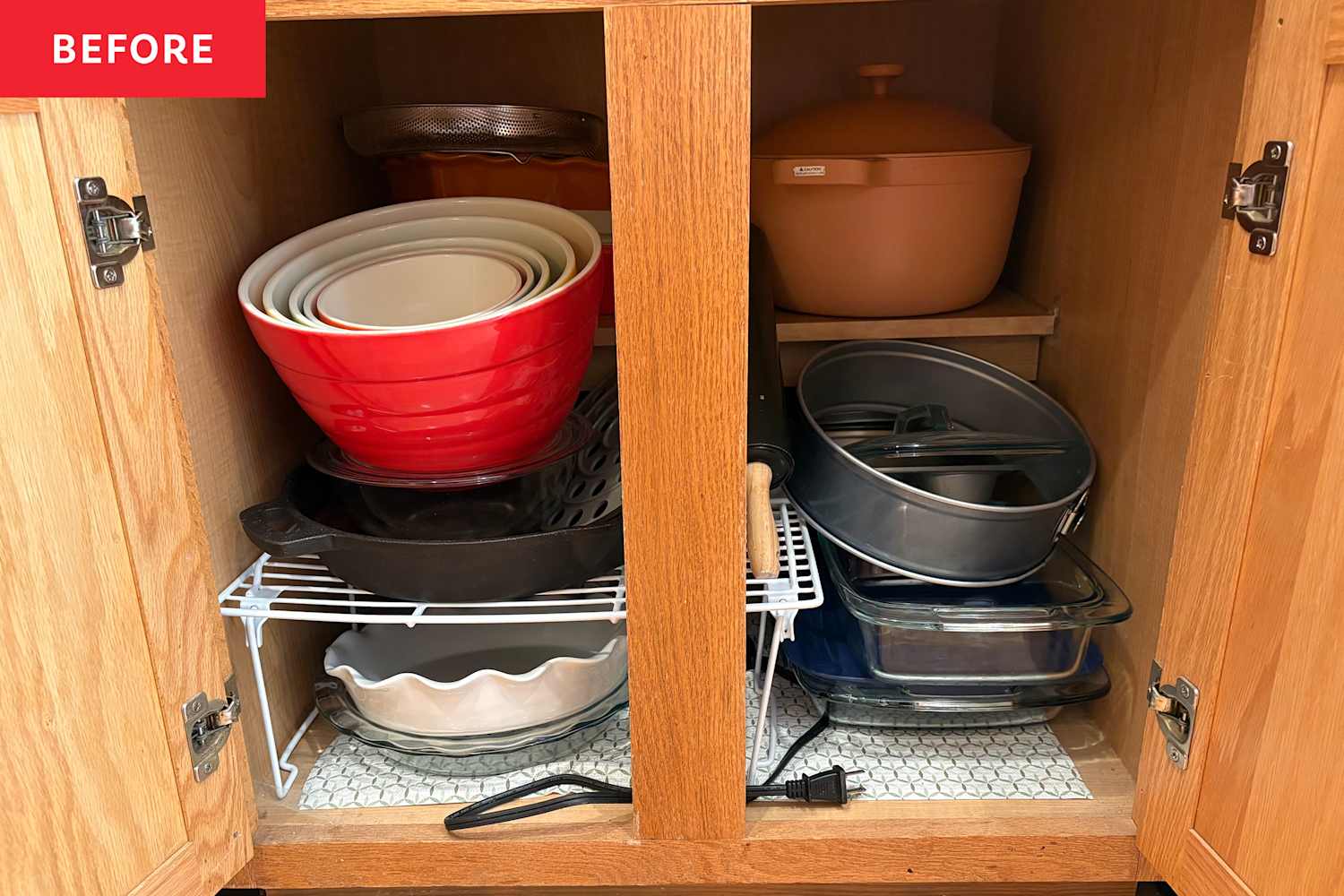
Credit: www.apartmenttherapy.com
Decluttering Techniques
Streamline your kitchen by grouping similar items together. Store frequently used utensils within easy reach. Clear countertops by using wall-mounted racks or shelves.
Organizing a kitchen can transform it into a space that inspires creativity and efficiency. One of the most effective ways to achieve this is through decluttering techniques. These techniques not only free up space but also make it easier to find and use what you need. Let’s dive into some actionable steps to help you get started.Identifying Unnecessary Items
Begin by assessing what you have. Open each cupboard and drawer, and take a close look at what’s inside. Ask yourself, “Do I use this regularly?” If the answer is no, it might be time to let it go. Think about duplicates. Do you really need three spatulas? Often, we hold onto items thinking we’ll use them someday, but they just add to the clutter. Consider donating or recycling items that are still in good condition but haven’t been touched in months. Be mindful of expired or unused food items. Check your pantry and fridge for anything that’s past its prime or something you bought on a whim but never used. Clearing these out can free up significant space and prevent waste.Implementing Minimalist Strategies
Embrace the “less is more” philosophy by keeping only what you truly need. Choose versatile items that serve multiple purposes, like a cast-iron skillet that can be used for frying, baking, and more. Adopt a one-in, one-out rule. Every time you bring a new item into the kitchen, commit to removing an old one. This helps maintain balance and prevents clutter from creeping back in. Consider open shelving as a minimalist approach to storage. It encourages you to keep only what you love and use frequently, as everything is on display. Plus, it adds a modern touch to your kitchen design. How would your kitchen look and feel if you adopted these strategies? Imagine the ease of cooking in a space where everything is organized and within reach. Decluttering can not only enhance your kitchen’s functionality but also make it a more enjoyable place to spend time.Organizing Tools And Utensils
Organize a kitchen by sorting tools and utensils by function and frequency of use. Place everyday items within easy reach. Store less-used tools in higher or lower cabinets.
Organizing your kitchen tools and utensils can transform your cooking space into a functional haven. Imagine reaching for a spatula without rummaging through a cluttered drawer or swiftly finding the right knife for your culinary masterpiece. A well-organized kitchen not only enhances efficiency but also elevates your cooking experience, making it more enjoyable and less stressful.Categorizing By Function
Start by grouping your kitchen tools based on their use. Place all your baking essentials, like measuring cups and rolling pins, in one section. Keep cooking utensils such as spatulas, ladles, and tongs in another. Consider the frequency of use as you categorize. Items you use daily should be most accessible. This simple strategy not only saves time but also keeps your kitchen looking tidy and organized.Using Drawer Dividers
Drawer dividers are a game-changer for organizing utensils. They prevent tools from mixing together, making it easy to find what you need without sifting through a mess. Choose adjustable dividers to fit different drawer sizes and depths. These are perfect for customizing spaces for large ladles or small teaspoons. You might discover a clever hack here: repurposing old ice cube trays or silicone molds as dividers for smaller items like bottle openers or corn holders. Have you tried this before? It’s an easy, cost-effective solution that can bring order to your kitchen chaos.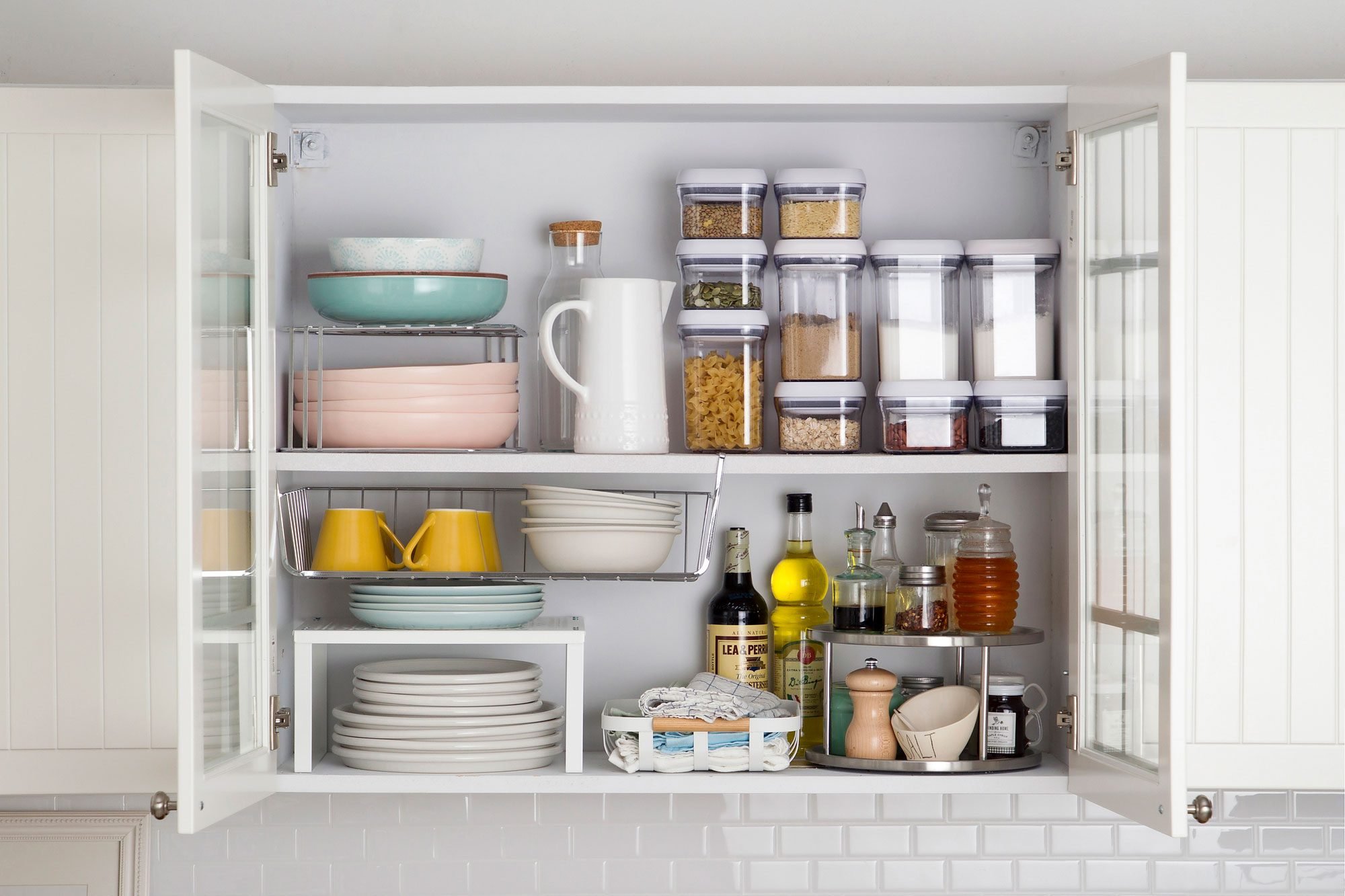
Credit: www.rd.com
Pantry Organization
Effective kitchen organization starts with sorting items by category. Store similar products together for easy access. Use clear containers to see contents quickly and save space. Labels can help everyone find what they need without confusion. Keep frequently used items within reach for a smooth cooking experience.
Organizing your kitchen pantry is like finding a secret weapon in your cooking arsenal. A well-organized pantry not only saves you time but also reduces stress and eliminates the frustration of searching for ingredients. It’s about creating a space where everything has its place and you can easily access what you need. Let’s dive into some practical tips to transform your pantry into a masterpiece of efficiency.Sorting Ingredients
Begin by taking everything out of your pantry. This might seem daunting, but it’s crucial to see exactly what you have. As you remove items, group similar ingredients together—pastas with pastas, grains with grains, and spices with spices. Once everything is out, evaluate the condition of your items. Toss anything expired or stale. Ask yourself if you really use that exotic spice you bought three years ago. If not, it might be time to let it go.Labeling And Rotation
Labels are your new best friend. Invest in a label maker or use simple sticker labels to mark each container. Include not just the name but also the expiration date. This makes it easy to know what to use first. Consider the concept of “first in, first out” for your pantry items. This means placing newer items behind the older ones. It ensures that nothing goes to waste and helps you stay on top of your inventory. Incorporate clear containers to see contents at a glance. This prevents the dreaded duplicate purchase, saving you money and space. Clear containers also add a visual appeal to your pantry, making it a joy to open. How satisfying would it be to open your pantry and instantly find what you need? Take these actionable steps, and transform your pantry into an organized, efficient space that will make your cooking experience delightful.Maintaining Order
Keeping a kitchen tidy can be a challenge. Maintaining order is essential for efficiency. A well-organized kitchen saves time and reduces stress. It allows you to easily find utensils, ingredients, and cookware. This section will guide you on maintaining order in your kitchen.
Regular Cleaning Routines
Regular cleaning is key to a tidy kitchen. Set aside specific days for cleaning. Wipe surfaces daily to remove crumbs and spills. Clean appliances weekly to prevent grime buildup. Monthly deep cleans keep the kitchen fresh. Use mild detergents to avoid damaging surfaces.
- Daily: Wipe counters and sweep floors.
- Weekly: Clean appliances and organize pantry.
- Monthly: Deep clean cabinets and scrub the floor.
Updating Organizational Systems
Organizational systems need regular updates. Assess your current setup. Are items easily accessible? Rearrange drawers and shelves for better accessibility. Use containers to group similar items together. Label shelves and containers to quickly find items.
- Reevaluate storage every few months.
- Use dividers in drawers for utensils.
- Label shelves to streamline cooking.
These practices help keep your kitchen orderly. Regular cleaning and updating systems enhance efficiency. An organized kitchen is a happy kitchen. Keep everything in its place, and enjoy the ease it brings.
Frequently Asked Questions
How Do I Decide Where To Put Things In My Kitchen?
Organize your kitchen by grouping items based on frequency of use. Keep frequently used items within easy reach. Store cookware near the stove, and place utensils close to food preparation areas. Use cabinets efficiently, and prioritize accessibility. Optimize space by using organizers and labels for easy identification.
What Is The Proper Way To Arrange A Kitchen?
Organize your kitchen by grouping similar items together. Keep frequently used items within easy reach. Arrange pots, pans, and utensils near the stove. Store dishes and glasses near the dishwasher or sink. Utilize cabinets and shelves efficiently for optimal space.
Maintain a clutter-free countertop for a clean look.
What Is The Best Way To Layout A Kitchen?
Optimize kitchen layout by using the work triangle. Position sink, stove, and fridge for efficiency. Ensure ample counter space. Choose smart storage solutions for utensils and appliances. Maintain clear paths for movement. Personalize design to suit cooking habits and family needs.
Keep aesthetics and functionality balanced for a harmonious space.
What Are The Four Steps To Organizing A Kitchen?
Organize your kitchen in four steps: declutter items, categorize essentials, optimize storage space, and maintain cleanliness regularly.
Conclusion
Organizing a kitchen transforms your cooking space. It’s about simplicity and function. Start small and prioritize essentials. Use clear containers for easy access. Label shelves for quick finding. Choose smart storage solutions for pots and pans. Keep countertops clutter-free. Regular cleaning keeps everything fresh.
Make it a family effort. Involve everyone in maintaining order. This creates a pleasant environment. Cooking becomes enjoyable and stress-free. Your kitchen serves you better. A well-organized kitchen enhances daily life. It’s achievable with consistent effort. Begin today for a happier kitchen experience.

I’m Abby Lu, a passionate home cook who loves simplifying everyday meals. At PlugChef.com, I share product reviews and cooking guides to help you find the best tools for your kitchen.
Related posts:
 What Type of Cooking Utensils are Safe: Expert Picks
 What Innovations Could Blenders Make: Unleashing Future Tech
 Smart Strategies to Organize a Small Kitchen: Maximize Space
 How to Organize a Kitchen Cabinet: Expert Tips & Tricks
 How to Organize Kitchen Drawers: Expert Tips and Tricks
 How to Organize a Corner Kitchen Cupboard: Expert Tips

