
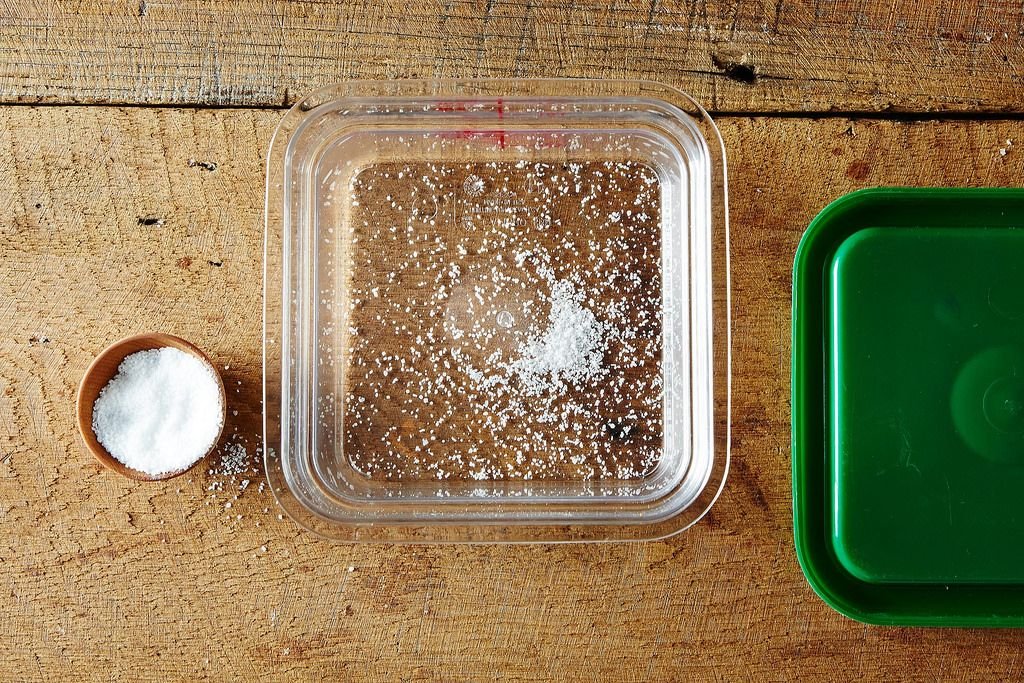
Have you ever opened a plastic food container only to be greeted by an unpleasant smell? You’re not alone.
Those lingering odors can be incredibly frustrating, especially when you want your food to stay fresh and appetizing. Whether it’s the scent of last night’s dinner or the strong aroma of spices, these smells can be stubborn and hard to eliminate.
But don’t worry; you’re about to discover effective ways to banish those odors for good. Imagine reaching into your cupboard and finding containers that smell as clean as they look. Intrigued? Let’s dive into the simple, yet powerful techniques that can make this your reality. Your kitchen experience is about to get a whole lot fresher!

Credit: www.youtube.com
Common Causes Of Odors
Lingering odors in plastic food containers often stem from foods like garlic, onion, and spices. Absorb smells using baking soda or vinegar solutions. Clean thoroughly to keep containers fresh.
Plastic food containers are incredibly convenient, but they often harbor lingering odors that can make your next meal less than appetizing. Understanding the common causes of these odors can help you effectively tackle the problem. Let’s dive into why your containers might smell and what you can do about it.Food Residues
Food residues are one of the top culprits for odors in plastic containers. Even a tiny bit of leftover curry or tomato sauce can cling to the container and produce a persistent smell. Have you ever opened a container expecting fresh salad and instead been greeted by the ghost of last week’s chili? To prevent this, ensure you rinse your containers immediately after use and avoid storing highly aromatic foods for long periods.Plastic Material Properties
The type of plastic used in your containers can also contribute to odor retention. Certain plastics are more porous, allowing smells to seep in and stick around. This is why some containers seem to permanently smell like onions or garlic no matter how much you wash them. Consider investing in higher-quality, less porous plastic containers or glass alternatives for storing particularly pungent foods.Improper Cleaning
Improper cleaning is another reason why odors persist in plastic containers. A quick rinse might not be enough to remove all the smell-inducing residues. Do you ever wash your containers and find they still smell afterward? Try using a mixture of baking soda and warm water for a thorough clean. Scrubbing all corners and crevices ensures every bit of residue is removed. Proper drying is also crucial; moisture can exacerbate odors. Taking these causes into account, which one do you think affects your containers the most? Addressing the root of the problem will lead you to a fresher kitchen experience.
Credit: uvilunchbox.com
Quick Cleaning Solutions
Plastic food containers often retain smells. Quick cleaning solutions can help. These methods use everyday items found at home. They are simple and effective.
Read on to learn easy ways to freshen your containers.
Baking Soda Paste
Mix baking soda with water. Form a thick paste. Apply inside the container. Let it sit for 30 minutes. Rinse thoroughly with warm water. Baking soda neutralizes odors.
Vinegar Soak
Fill the container with equal parts vinegar and water. Let it soak for an hour. Vinegar breaks down strong smells. After soaking, wash with dish soap. Rinse well to remove vinegar residue.
Lemon Juice Rinse
Squeeze fresh lemon juice into the container. Add a little water. Swirl the mixture around. Allow it to sit for 15 minutes. Lemon juice has natural deodorizing properties. Rinse with warm water to finish.
Deep Cleaning Techniques
Plastic food containers can trap odors over time. Deep cleaning is essential to eliminate stubborn smells. These techniques will help restore freshness to your containers.
Bleach And Water Mixture
Mix one tablespoon of bleach with a gallon of water. Submerge the container completely in the solution. Leave it to soak for 30 minutes. Rinse thoroughly with clean water afterward. Bleach kills odor-causing bacteria, leaving containers fresh.
Activated Charcoal Method
Activated charcoal absorbs odors effectively. Place a small piece inside the container. Close the lid tightly and leave it overnight. Charcoal draws out trapped smells, revitalizing the container. Repeat if necessary for strong odors.
Sunlight Exposure
Natural sunlight neutralizes odors in plastic. Place the container outside in direct sunlight. Leave it for several hours. Sunlight’s UV rays break down odor molecules. This method is simple and eco-friendly. Rotate the container for even exposure.

Credit: uvilunchbox.com
Prevention Tips
Plastic containers often trap food odors. This can be frustrating. Preventing these smells is easier than removing them. Follow these prevention tips to keep your containers fresh.
Proper Storage Practices
Store containers in a cool, dry place. Avoid direct sunlight. Sunlight can cause plastics to release odors. Keep lids off when storing empty containers. This helps air circulate and reduces trapped smells.
Regular Cleaning Routine
Wash containers immediately after use. Use warm, soapy water for cleaning. This removes food residues that cause smells. Rinse thoroughly to eliminate soap odors. Dry containers completely before storing them.
Choosing Odor-resistant Containers
Consider investing in odor-resistant plastic containers. These are designed to prevent smells. They use materials that do not absorb odors easily. Look for containers labeled as odor-resistant. These are often more effective at staying fresh.
Alternative Cleaning Products
Plastic food containers often trap unwanted odors. Removing these smells can be challenging with ordinary cleaning methods. Alternative cleaning products offer effective solutions without harsh chemicals. Explore commercial deodorizers and natural enzyme cleaners below.
Commercial Deodorizers
Commercial deodorizers quickly eliminate stubborn odors. They contain specialized formulas targeting smell molecules in plastics. These products are available in sprays or wipes. Easy to use and widely available in stores. Ensure the deodorizer is safe for food-contact surfaces. Read instructions carefully before use.
Natural Enzyme Cleaners
Natural enzyme cleaners break down odor-causing substances. Enzymes digest the organic materials causing smells. These cleaners are eco-friendly and non-toxic. Perfect for those avoiding chemicals. Simply apply and let the enzymes work their magic. Rinse the container thoroughly afterward. Leaves containers fresh and ready for use.
When To Replace Containers
Plastic food containers can trap odors, making them unpleasant. Baking soda and vinegar are effective for removing these smells. Replace containers when persistent odors linger despite cleaning efforts. Regularly inspect for stains or damage, ensuring food safety and freshness. Choose glass for odor-resistant storage options.
Dealing with stubborn odors in plastic food containers can be frustrating. Despite your best cleaning efforts, some smells just refuse to leave. But did you know that sometimes it’s not about how you clean but when you should replace your containers? Recognizing the right time to say goodbye to your trusty food savers can save you from unwanted odors and food safety hazards.Signs Of Wear And Tear
Plastic containers don’t last forever. Over time, they can develop cracks, scratches, and warping. These imperfections can trap odors and harbor bacteria, making them difficult to clean properly. Check your containers regularly. Are there any visible stains or cloudiness that won’t go away, even after washing? These are signs that your container has reached the end of its life. Also, pay attention to the lids. A tight seal is crucial for keeping food fresh and odor-free. If the lid no longer fits snugly, it’s time for an upgrade.Persistent Odors
Sometimes, no amount of vinegar or baking soda can rid a container of a persistent smell. If you’ve tried all the tricks and the odor lingers, it might be time to retire that container. Consider what foods you frequently store. Spicy or strong-smelling dishes like curry can leave lasting scents. If these odors persist, even after thorough cleaning, it might be a sign that the plastic has absorbed the smell permanently. Have you noticed a strange taste in your leftovers? That’s another clue. If food tastes off, despite being stored for a short time, it could be due to lingering odors affecting the flavor. Replacing containers isn’t just about maintaining freshness; it’s about ensuring your meals remain appetizing and safe. Regularly evaluating your collection can make a big difference. Have you checked your containers lately?Frequently Asked Questions
How Do You Get Bad Smells Out Of Plastic Containers?
Remove odors from plastic containers by washing them with a mixture of baking soda and warm water. Let them soak for a few hours. Rinse thoroughly, then dry completely. For tough smells, leave containers open and place them in direct sunlight for a day to naturally eliminate odors.
How To Get The Smell Of Rotten Cheese Out Of Plastic Tupperware?
To eliminate rotten cheese odor from plastic Tupperware, scrub with baking soda paste. Rinse thoroughly. Soak in vinegar solution for 30 minutes. Air dry completely. Ensure proper ventilation during drying. Repeat if needed. This method effectively neutralizes odors and restores freshness to your container.
How To Get Smell Out Of Silicone Food Containers?
To remove odor from silicone containers, wash with warm soapy water, rinse, and air dry. Use baking soda paste or vinegar soak for stubborn smells. Avoid harsh chemicals to maintain silicone integrity. Regular cleaning ensures freshness and longevity of your containers.
Why Do Plastic Containers Smell Bad?
Plastic containers smell bad due to trapped odors from previous contents or chemical reactions. Porous material absorbs food or detergent odors. Washing with vinegar or baking soda can help remove smells. Proper airing and cleaning prevent odor buildup. Avoid storing food for long durations to minimize smell.
Conclusion
Removing smells from plastic containers is easier than you think. Try these simple methods. Use baking soda or vinegar for effective results. Always wash containers thoroughly. Dry them well to prevent odors. Store them with lids off for better air circulation.
Regular maintenance keeps containers smelling fresh. Enjoy using your containers without lingering smells. Fresh containers mean fresh food. Share these tips with friends. Everyone deserves odor-free containers. Keep experimenting to find what works best for you. Happy cleaning!

I’m Abby Lu, a passionate home cook who loves simplifying everyday meals. At PlugChef.com, I share product reviews and cooking guides to help you find the best tools for your kitchen.
Related posts:
 What Type of Cooking Utensils are Safe: Expert Picks
 What Innovations Could Blenders Make: Unleashing Future Tech
 Smart Strategies to Organize a Small Kitchen: Maximize Space
 How to Organize a Kitchen Cabinet: Expert Tips & Tricks
 How to Organize Kitchen Drawers: Expert Tips and Tricks
 How to Organize a Corner Kitchen Cupboard: Expert Tips

