
Is your fridge a chaotic mess, making it hard to find what you need when you need it? Imagine opening your fridge and everything is right where it should be – fresh, accessible, and perfectly organized.
This isn’t just a dream; it can be your reality. A well-organized fridge isn’t just visually pleasing; it can save you time, reduce food waste, and even help you eat healthier. Curious about how to transform your fridge into an orderly oasis?
Stick around to discover simple, practical tips that will revolutionize the way you store your food. Get ready to unlock the secrets of fridge organization that will make your life easier and your meals more enjoyable. Let’s dive into the art of fridge organization and turn your kitchen chaos into a streamlined success!
Credit: www.100daysofrealfood.com
Optimal Shelf Arrangement
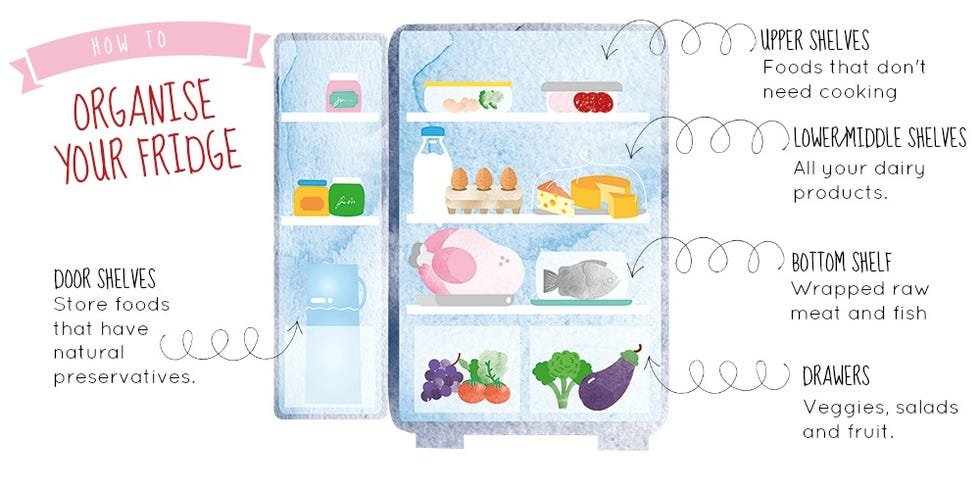
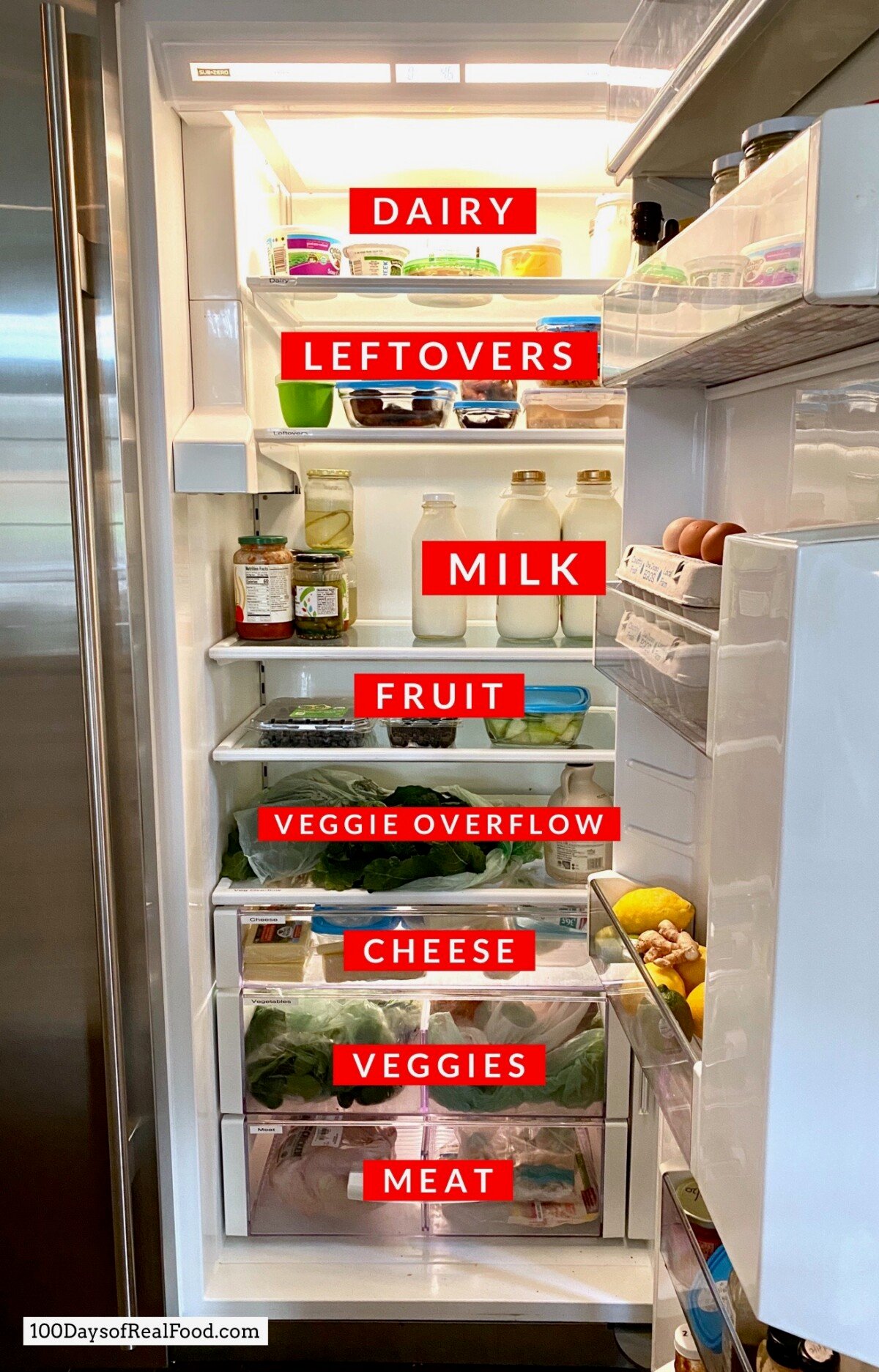
Proper fridge organization boosts freshness and efficiency. Store dairy on middle shelves for easy access. Place meats on lower shelves to prevent dripping onto other foods.
Organizing your fridge efficiently is more than just keeping it tidy; it’s about maximizing the freshness of your food and reducing waste. A well-organized fridge can make meal prep easier, save you money, and ensure that nothing gets lost at the back. Let’s dive into the best ways to arrange each shelf in your fridge for optimal storage and convenience.Top Shelf Strategies
The top shelf tends to maintain a consistent temperature, making it ideal for foods that don’t spoil quickly. Store leftovers, ready-to-eat foods, and beverages here. If you enjoy a late-night snack, keep your yogurt or dessert in this easy-to-reach spot. Consider using clear containers to store your leftovers. This makes it easier to see what you have and reduces the chance of forgetting about them. Do you remember that time you discovered a forgotten meal hiding in the back? A clear container could have saved it.Middle Shelf Optimization
The middle shelf is the heart of your fridge, where the temperature is quite stable. Store dairy products like milk, cheese, and eggs here to keep them fresh longer. If you love crafting a perfect cheese platter, this is the prime spot for your selection. Organize items by size and frequency of use. Keep taller items at the back and shorter ones in front. This makes it easy to grab what you need without shuffling everything around.Bottom Shelf Utilization
The bottom shelf is the coldest part of your fridge, making it perfect for storing raw meat and seafood. Use a separate bin or tray to contain any potential drips, ensuring that cross-contamination doesn’t occur. This strategy helps maintain food safety in your kitchen. If you’ve ever found your vegetables wilting too soon, consider storing them in a crisper drawer instead. The bottom shelf should be reserved for items that truly benefit from colder temperatures. Are you storing your groceries in a way that maximizes their lifespan? Consider rearranging to make the most of your fridge space. In essence, by thoughtfully arranging each shelf, you can enhance your kitchen efficiency. How you organize your fridge can transform your daily routine, making cooking and snack time more enjoyable and less wasteful.Door Storage Solutions
Organizing the fridge door is crucial for easy access and freshness. This section explores effective storage solutions for your fridge door. The door is the warmest part of the fridge. Proper organization helps keep items fresh longer.
Condiments And Beverages
Condiments are best stored in the fridge door. Their high acidity keeps them safe here. Group similar sauces together for quick access. Place taller bottles at the back, shorter ones at the front. This makes it easier to find what you need. Beverages fit well in the door too. Use shelves to separate different drinks. This prevents spills and saves space. Store milk and juices in the main fridge area. They need colder temperatures to stay fresh.
Egg And Dairy Placement
Eggs should not be stored in the fridge door. They stay fresh longer in the cooler main section. Use a designated egg holder in the fridge. Cheese and butter can be stored in the door. They have a longer shelf life than other dairy. Keep them wrapped to maintain freshness. Use separate sections for butter and cheese. This keeps them organized and easy to find.
Drawer Organization
Organizing a fridge involves placing dairy on the top shelf, meats in the lower drawer, and fruits in crisper bins. This method keeps everything fresh and easily accessible. Arrange condiments in the door for convenient reach.
Organizing your fridge drawers can be a game-changer in maintaining freshness and maximizing space. Have you ever spent too long digging through your fridge, only to find wilted vegetables or squished fruits? Drawer organization can prevent that frustration. It’s all about knowing where to place each item for optimal preservation and easy access. Let’s dive into the details of how to organize your fridge drawers effectively.Vegetable Drawer Insights
Your vegetable drawer is not just a random storage space; it’s a dedicated zone that can significantly extend the life of your greens. Keep leafy vegetables like spinach and lettuce in breathable bags or containers. This reduces excess moisture and prevents them from getting soggy. Did you know that root vegetables like carrots and radishes can last longer if kept dry? Wrap them in paper towels to absorb any moisture. Consider placing a small bowl of baking soda in the drawer to minimize odors and keep things fresh.Fruit Storage Tips
Storing fruits properly can enhance their flavor and longevity. Avoid storing fruits and vegetables together. Fruits emit ethylene gas, which can cause vegetables to spoil faster. Have you ever tasted an apple that seemed less crisp than usual? Keeping apples separate from other fruits can maintain their crunch. Use your fruit drawer to store berries in a single layer to prevent them from getting squished. A clever tip is to use a paper towel at the bottom of the drawer to absorb any excess moisture, keeping your fruits fresh and delicious. Organizing your fridge drawers isn’t just about tidiness; it’s about preserving the taste and health benefits of your produce. Are you ready to transform your fridge into a haven for fresh food?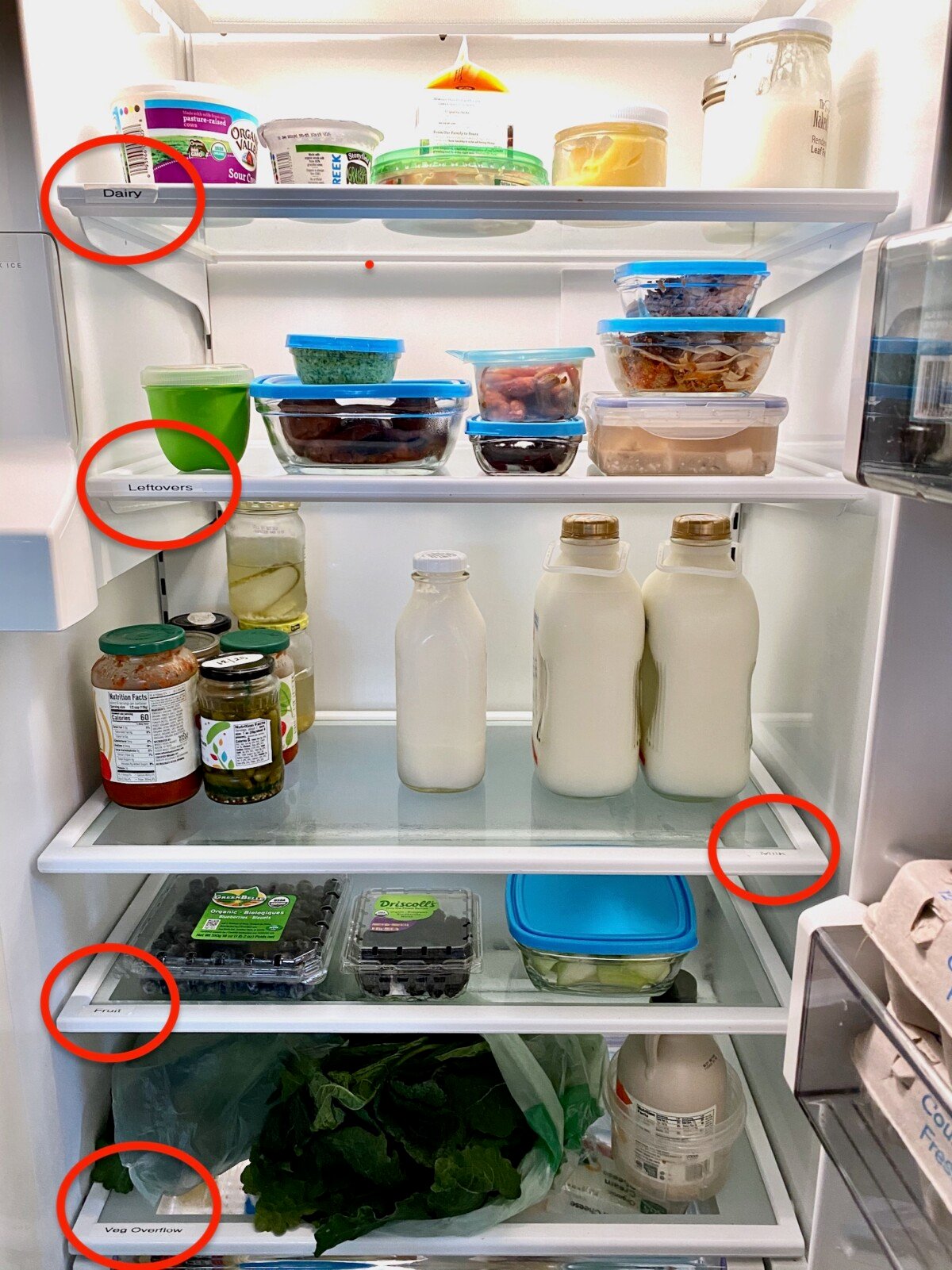
Credit: www.100daysofrealfood.com
Temperature Settings
Organizing a fridge starts with setting the right temperature. Keeping it at 37°F ensures food stays fresh. Place milk and eggs in the middle shelves, where temperatures remain stable. Store fruits and vegetables in crisper drawers for optimal freshness.
Organizing your fridge might seem mundane, but getting the temperature settings right can make a huge difference. It’s not just about keeping things cool; it’s about making sure your food stays fresh longer. You might be surprised how much a few degrees can affect the quality of your groceries. Have you ever wondered why your lettuce wilts or your milk spoils faster than expected? It could be your fridge’s temperature settings.Ideal Temperature Range
Your fridge should be set between 37°F (2.7°C) and 40°F (4.4°C). This range is perfect for keeping your food safe and fresh. Anything warmer might encourage bacteria growth. Anything colder could freeze your produce and ruin its texture. Do you keep a thermometer in your fridge? It’s a handy tool that ensures your settings are accurate. You might find your fridge’s built-in thermometer isn’t as precise as you’d think.Adjustments For Seasons
Seasonal changes can affect how your fridge operates. In summer, your fridge might work harder to maintain temperature due to the warmer ambient air. Consider lowering the temperature slightly to compensate for this. In winter, when your kitchen is cooler, you might increase the temperature a notch to prevent overcooling. This simple adjustment can save energy and keep your food at just the right chill. Have you noticed a spike in your energy bill during certain seasons? Your fridge’s temperature could be playing a role. Adjusting settings can help optimize efficiency without compromising food safety. Remember, your fridge is more than just a cooling box—it’s a key player in your kitchen’s ecosystem. How are you using your fridge’s temperature settings to your advantage?Labeling And Tracking
Labeling and tracking items in the fridge ensures easy access and reduces waste. Clear labels help identify contents quickly, while tracking expiration dates keeps food fresh. Organize by categories like dairy, meats, and vegetables for efficient storage.
Organizing your fridge goes beyond just stacking items neatly. It’s about ensuring every item is easily accessible and consumed before it goes bad. Labeling and tracking can transform your fridge from a chaotic mess into a functional space that saves time and reduces waste. Imagine opening your fridge and instantly knowing what needs to be used soon and what is still fresh. This clarity is within reach with effective labeling and tracking.Labeling Techniques
Labeling is a simple yet powerful tool. Use clear, easy-to-read labels to identify contents and dates. Stick labels on containers, bottles, and jars. You can use a permanent marker or invest in some reusable fridge labels. Consider color-coding for different food types. For example, green labels for veggies, blue for dairy, and red for meats. This adds an extra layer of organization. Make sure labels are placed where you can easily see them. Avoid the back or bottom of containers.Expiration Date Monitoring
Keeping track of expiration dates is crucial. Nobody likes finding a forgotten yogurt in the back that’s long expired. Use labels to note expiration dates or purchase containers with built-in date trackers. Create a system to check your fridge weekly. This prevents surprises and ensures fresh food is consumed on time. Consider setting reminders in your phone for items nearing their expiration. This proactive approach helps you plan meals around what’s about to expire. Think about how much food you throw away each month. Could tracking expiration dates reduce this waste? It’s worth exploring. Organizing your fridge may seem like a minor task, but the impact on your daily routine and grocery shopping is significant. Are you ready to transform your fridge into a well-organized haven?Common Mistakes
Organizing a fridge might seem simple. But many make common mistakes. These mistakes can lead to wasted food. And even health risks. Understanding these errors helps in better fridge management.
Overloading The Fridge
Too many items in a fridge can block air vents. This prevents proper cooling. Foods spoil faster. Space is crucial for air circulation. A crowded fridge struggles to maintain temperature. This leads to higher energy consumption. And increased electricity bills.
Improper Food Placement
Each part of a fridge serves a purpose. The top shelf is the warmest. It’s ideal for drinks or leftovers. Raw meat should be on the bottom shelf. This prevents drips and contamination. Vegetables and fruits need separate drawers. This keeps them fresh longer. Eggs do best in their original carton. Not on the fridge door.
Maintenance And Cleaning
Arranging a fridge properly maximizes space and keeps food fresh. Place raw meat on lower shelves to avoid contamination. Store dairy products in the middle for consistent temperature. Keep fruits and vegetables in separate drawers to maintain freshness. Regularly clean and organize for optimal performance.
Keeping your fridge clean and well-maintained is essential for extending its lifespan and ensuring your food stays fresh. A well-organized fridge not only saves time but also reduces food waste. You might be surprised at how a few simple habits can make a huge difference. Let’s dive into some practical tips for maintaining and cleaning your fridge effectively.Routine Cleaning Schedule
Establishing a routine cleaning schedule is crucial for fridge maintenance. Aim to clean your fridge every month. Remove all items, and wipe down shelves and drawers with a mixture of water and baking soda. This simple solution helps eliminate sticky spills and stains. Take a few moments to check expiration dates and toss expired items. This prevents overcrowding and keeps your food safe. Regularly cleaning the exterior, including the door handles, can also prevent grime buildup. A quick wipe with a damp cloth keeps it looking shiny and new.Dealing With Odors
Fridge odors can be unpleasant and affect the taste of your food. An easy fix is placing an open box of baking soda inside the fridge. It absorbs unwanted odors and keeps the air fresh. Remember to replace it every three months for best results. Have you tried using activated charcoal? It’s another effective option for odor control. Just place a small bowl in the fridge, and it will work wonders. You can also try storing a slice of lemon or a few coffee grounds in a bowl. These natural deodorizers can add a pleasant scent without affecting your food. Maintaining a clean and organized fridge doesn’t have to be a chore. By following these simple tips, you can create a more efficient and pleasant space. Are there any other tips you’ve found helpful in keeping your fridge in top shape?:max_bytes(150000):strip_icc()/HowToOrganizeYourRefridgerator_Color_1-2000-82ccab726a494a6daa9275c239df53de.jpg)
Credit: www.marthastewart.com
Frequently Asked Questions
How Should Items In A Refrigerator Be Arranged?
Store raw meat on the bottom shelf to prevent leaks. Keep dairy products in the middle shelves. Place fruits and vegetables in the crisper drawers. Store condiments and drinks in the door compartments. Maintain an organized, clutter-free arrangement for optimal air circulation and freshness.
In What Order Should Things Go In The Fridge?
Store raw meat on the bottom shelf to prevent contamination. Place dairy products in the middle. Keep fruits and vegetables in crisper drawers. Arrange condiments and drinks in the door for easy access. Ensure leftovers are stored in airtight containers on the top shelf.
Where Should Milk Be Stored In The Fridge?
Store milk on the fridge’s bottom shelf, away from the door. This area maintains a consistent, cold temperature.
What Is The Correct Layout Of Food In A Fridge?
Store raw meat on the bottom shelf to prevent drips. Keep dairy in the middle. Place fruits and vegetables in separate drawers. Use the top shelf for leftovers and ready-to-eat foods. Store condiments in the fridge door. This layout ensures optimal freshness and reduces contamination risk.
Conclusion
A well-organized fridge keeps food fresh and reduces waste. It helps you find items faster. Store similar foods together for easy access. Label shelves and containers for clarity. Keep raw meats on the bottom shelf. This prevents drips on other foods.
Use bins for small items like sauces. Regularly clean to avoid odors and spills. Check expiration dates often. This keeps your food safe and your fridge tidy. Organizing your fridge saves time and money. It also makes meal prep easier.
An organized fridge is a happy fridge. Enjoy stress-free cooking and dining!

I’m Abby Lu, a passionate home cook who loves simplifying everyday meals. At PlugChef.com, I share product reviews and cooking guides to help you find the best tools for your kitchen.
Related posts:
 What Type of Cooking Utensils are Safe: Expert Picks
 What Innovations Could Blenders Make: Unleashing Future Tech
 Smart Strategies to Organize a Small Kitchen: Maximize Space
 How to Organize a Kitchen Cabinet: Expert Tips & Tricks
 How to Organize Kitchen Drawers: Expert Tips and Tricks
 How to Organize a Corner Kitchen Cupboard: Expert Tips

