
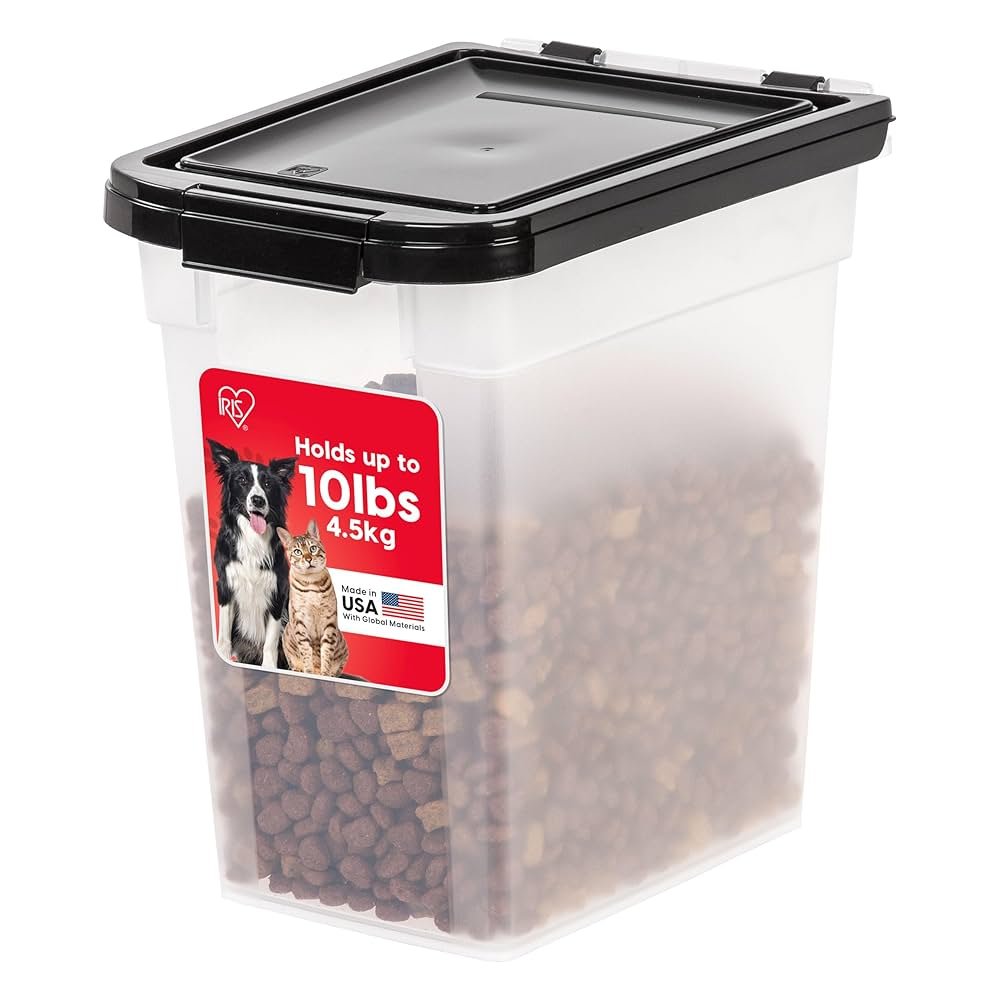
When it comes to feeding your furry friend, you want to ensure that every meal is as fresh and nutritious as possible. But how long does dry dog food really last in an airtight container?
This question might have crossed your mind, especially if you buy in bulk or want to keep your pet’s food fresh and safe. You’ll uncover the secrets to maximizing the shelf life of dry dog food, ensuring your pup gets the best with every bite.
Imagine the peace of mind knowing your dog’s meals are always at their best quality. Stick around to learn how you can make that happen with just a few simple tips.
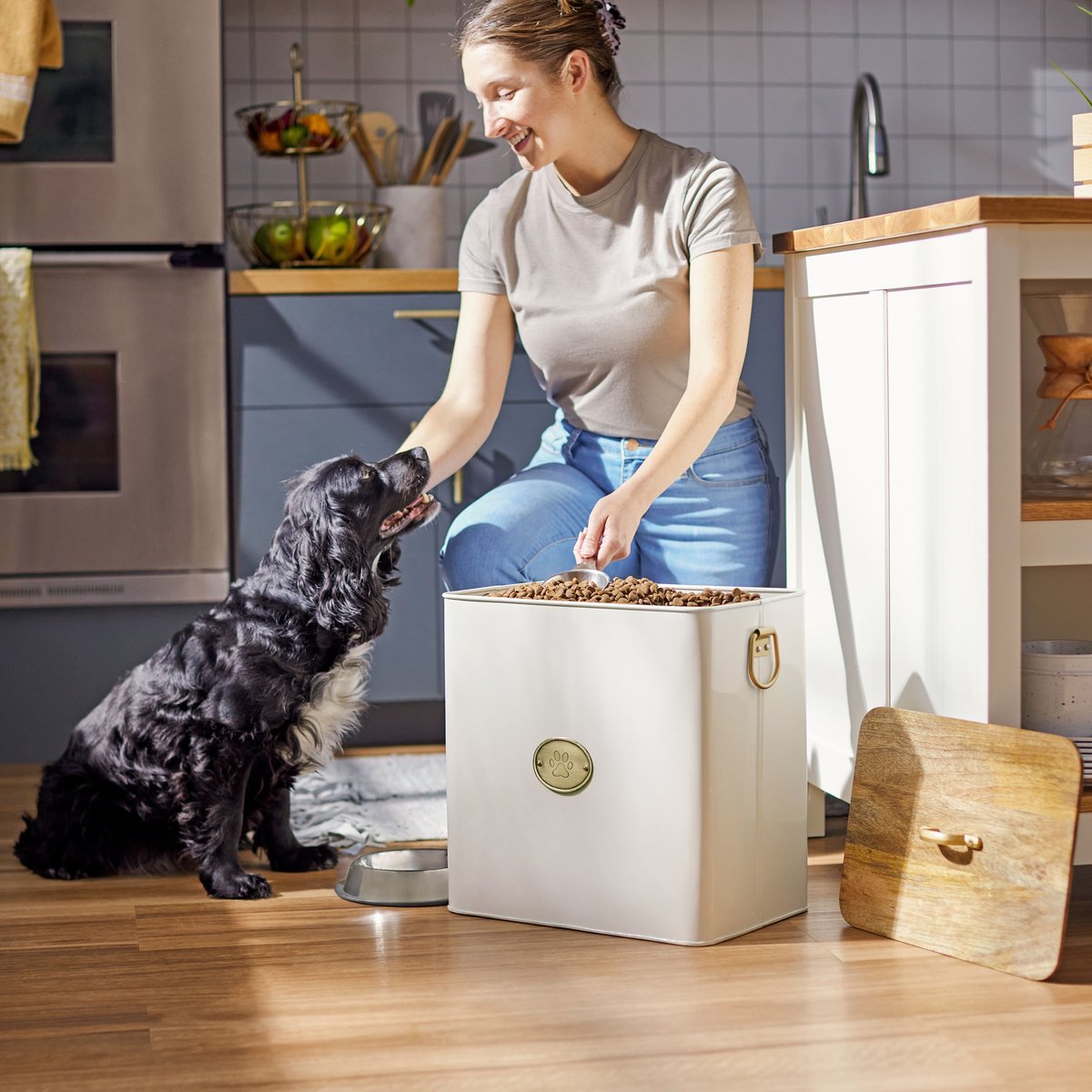
Credit: www.chewy.com
Factors Affecting Shelf Life
Dry dog food offers convenience and is a staple for many pet owners. Its longevity can vary based on several factors. Understanding these factors helps maintain freshness. An airtight container is a great start. But what else impacts shelf life? Let’s dive into key elements.
Storage Temperature
Temperature plays a critical role in preserving dog food. Cool environments extend its shelf life. Warm temperatures can spoil it faster. Aim for a stable, cool place. Avoid areas near heaters or direct sunlight. This keeps the food fresh for your furry friend.
Humidity Levels
Humidity can affect dry dog food quality. High humidity introduces moisture into the food. Moisture can lead to mold and spoilage. Store dog food in dry places. Basements or bathrooms might not be ideal. Keep it dry to ensure your dog enjoys fresh meals.
Exposure To Light
Light exposure can degrade dog food nutrients. It can also alter taste and smell. Use opaque containers to block light. Store containers away from windows and bright areas. This helps maintain the food’s nutritional value. Your dog deserves the best nutrients every meal.

Credit: www.poochandmutt.co.uk
Benefits Of Airtight Containers
Airtight containers play a crucial role in preserving dry dog food. They extend the shelf life of kibble by keeping it fresh and safe. These containers offer various benefits that are essential for maintaining food quality.
Preventing Moisture Ingress
Moisture is the enemy of dry dog food. Airtight containers effectively block moisture from entering. This keeps the kibble dry and crisp. Wet food can spoil quickly and lose its nutritional value.
Preserving Nutrient Quality
Exposure to air can degrade the nutrients in dog food. Airtight containers seal out oxygen. This helps maintain the food’s nutritional quality. Your pet gets the full benefit of the vitamins and minerals.
Keeping Pests Away
Pests love to invade open food bags. Airtight containers lock pests out. This ensures the kibble stays clean and uncontaminated. Your dog enjoys healthy meals free from unwanted guests.
Signs Of Spoiled Dog Food
Keeping your dog’s food fresh is crucial for their health and happiness. But how can you tell when dry dog food has gone bad, even in an airtight container? Recognizing the signs of spoiled dog food is essential to avoid feeding your furry friend something that might harm them. Let’s explore the key indicators of spoiled dog food.
Changes In Smell
Our pets might be the first to notice when something smells off. Trust your nose, too. Spoiled dog food often emits an unpleasant odor. It might smell sour, rancid, or just different from its usual aroma. If you notice this, it’s time to question whether the food is still safe.
Did you know that dogs have an incredible sense of smell? Your dog might refuse to eat if the scent doesn’t pass their sniff test. Consider that a clear warning.
Texture Alterations
The feel of the kibble matters. Fresh dry dog food maintains a consistent texture. Spoiled food might become unusually soft, sticky, or even powdery. If you spot these changes, it’s a sign that the food might not be safe anymore.
Imagine picking up a piece of kibble, expecting it to be firm, and finding it crumbles instantly. That’s your cue to rethink serving it to your pet.
Presence Of Mold
Mold is a clear indicator that the food has gone past its prime. It can appear as fuzzy patches or colored spots on the kibble. Even if you spot just a little mold, it’s best to discard the entire batch. Mold can be toxic to dogs.
You wouldn’t eat bread with mold, right? Apply the same caution to your dog’s food. Check the container regularly to catch any early signs.
Keeping an eye out for these signs ensures your pet’s meals remain safe and nutritious. Take a moment to inspect their food before serving. How often do you check your dog’s food for freshness?
Best Practices For Storage
Storing dry dog food correctly extends its freshness and nutritional value. Proper storage practices ensure your furry friend gets the best from every meal. Let’s explore how to store dry dog food effectively.
Ideal Storage Locations
Choose a cool, dry place for your dog’s food. Avoid direct sunlight, which can spoil the food. The pantry or a kitchen cabinet can be perfect. Ensure the area is free from pests and moisture. Consistent temperature keeps the food fresh longer.
Regular Container Cleaning
Clean the airtight container regularly to prevent mold and bacteria. Use mild soap and water, then dry thoroughly. This routine keeps your dog’s food safe and fresh. A clean container also reduces the risk of food contamination.
Labeling And Rotating Stock
Label each container with the purchase date. This helps monitor the food’s freshness. Rotate stock by using older food first. This practice ensures nothing goes to waste. It also keeps your dog’s meals fresh and nutritious.
Extending Shelf Life Tips
As a pet owner, you know that keeping your furry friend’s food fresh is crucial. Dry dog food, when stored properly, can maintain its flavor and nutritional value for longer periods. But how can you ensure it stays in top condition? Let’s explore some practical tips for extending the shelf life of dry dog food when stored in an airtight container.
Buying Smaller Quantities
Purchasing smaller quantities of dog food can be a game-changer. By doing so, you reduce the risk of food going stale or losing its nutritional punch. Smaller bags allow you to use up the food before it sits for too long.
Have you ever opened a large bag only to find it lasted months? Opting for smaller bags ensures your dog enjoys fresher meals. Plus, it’s easier to manage storage and rotation.
Think about the space in your pantry. Smaller bags are easier to store and keep organized. You won’t have to worry about finding room for a bulky sack.
Monitoring Expiry Dates
Keeping an eye on expiry dates is essential. It helps you avoid feeding your dog food that’s past its prime. Make it a habit to check these dates when purchasing and storing food.
Sometimes, we forget to look at expiry dates, especially during a busy shopping trip. But taking a moment to check can save your dog from eating less nutritious food. It also ensures you’re not wasting money on expired products.
Have you ever bought a bag with a closer expiry date than expected? Knowing the timeline helps you plan meals and manage your inventory wisely.
Using Oxygen Absorbers
Oxygen absorbers can significantly extend the life of dry dog food. These small packets help to keep the food fresh by reducing the presence of oxygen. It’s a simple yet effective tool to preserve quality.
Imagine opening a bag that’s been stored for weeks, and it smells as fresh as day one. Oxygen absorbers can make this a reality. They prevent oxidation, which can lead to loss of flavor and nutrients.
Consider adding them when you first open a bag. They can keep your dog’s meals tasting great and full of the nutrition they need. Have you tried them yet?
By focusing on these tips, you can keep your dog’s food fresh and nutritious for longer. Your furry friend deserves the best! What strategies do you use to preserve pet food? Share your thoughts in the comments!
Common Myths Debunked
Storing dry dog food in an airtight container extends its freshness. It can last for up to 18 months when kept sealed. Proper storage prevents spoilage and maintains nutritional value, ensuring your furry friend gets the best from their meals.
Common Myths Debunked You might think storing dry dog food is straightforward. But there are myths that lead to wasted food and potential health issues for your pet. Let’s tackle these myths and ensure your furry friend gets the freshest meals possible.Airtight Equals Infinite Freshness
Airtight containers are great, but they don’t promise eternal freshness. While they protect against air and moisture, nutrients in dog food naturally degrade over time. Even in the best container, food can lose its quality if stored too long. It’s important to check expiration dates and regularly rotate stock. Have you ever noticed your dog being less enthusiastic about their kibble? It could be that the food has lost its flavor or nutritional value due to extended storage.All Containers Are The Same
Not all airtight containers offer the same level of protection. Some are made from materials that can leach chemicals over time. Others might not seal as tightly as advertised. Opt for containers specifically designed for pet food. Look for BPA-free materials and robust sealing mechanisms. I once used a simple plastic bin, thinking it would suffice. But my dog’s food turned stale faster than expected. Switching to a high-quality pet food container made a noticeable difference.Room Temperature Is Best
Keeping dog food at room temperature seems logical, right? However, temperature fluctuations can affect food quality. A cool, dry place is ideal for storing dry dog food. Extreme heat or cold can impact both taste and nutrition. Think about where you store your dog’s food. Is it near a heat source or exposed to sunlight? These factors can speed up spoilage, leaving your dog’s food less appealing and nutritious. Reconsider your storage habits with these insights in mind. Your dog’s health and happiness could depend on it.
Credit: www.amazon.com
Frequently Asked Questions
Does Dog Food Need To Be Stored In An Airtight Container?
Dog food should be stored in an airtight container. This keeps it fresh, prevents spoilage, and protects from pests. Proper storage maintains nutritional value and flavor. Use a clean, dry container to ensure the best quality for your pet’s meals.
Always check the manufacturer’s guidelines for specific storage instructions.
What Is The 80 10 10 Rule For Dog Food?
The 80 10 10 rule for dog food comprises 80% protein, 10% fruits and vegetables, and 10% grains. This balanced diet helps ensure optimal nutrition for your dog, promoting health and vitality. Always consult a veterinarian for specific dietary needs tailored to your pet’s health.
How Long Does It Take For Dry Dog Food To Go Rancid?
Dry dog food can go rancid in 12 to 18 months if stored properly. Exposure to heat, moisture, or air can shorten its shelf life. Keep it in a cool, dry place and use airtight containers for optimal freshness. Always check the expiration date before feeding your dog.
How To Store Dry Dog Food For Long Term?
Store dry dog food in airtight containers to keep it fresh. Keep it in a cool, dry place. Avoid direct sunlight to maintain nutritional quality. Check expiration dates regularly to ensure freshness. Use smaller bags to prevent spoilage.
Conclusion
Storing dry dog food properly ensures it lasts longer. Airtight containers help maintain freshness. They prevent moisture and pests from spoiling the food. Check expiration dates for safety. Regularly inspect food for changes in smell or texture. Keep containers in a cool, dry place.
This helps preserve the food’s quality. Always buy from trusted brands for best results. This keeps your dog healthy and happy. Proper storage saves money and reduces waste. Enjoy peace of mind with fresh food. Your dog deserves the best care.
Keep food fresh and nutritious.

I’m Abby Lu, a passionate home cook who loves simplifying everyday meals. At PlugChef.com, I share product reviews and cooking guides to help you find the best tools for your kitchen.
Related posts:
 What Type of Cooking Utensils are Safe: Expert Picks
 What Innovations Could Blenders Make: Unleashing Future Tech
 Smart Strategies to Organize a Small Kitchen: Maximize Space
 How to Organize a Kitchen Cabinet: Expert Tips & Tricks
 How to Organize Kitchen Drawers: Expert Tips and Tricks
 How to Organize a Corner Kitchen Cupboard: Expert Tips

