
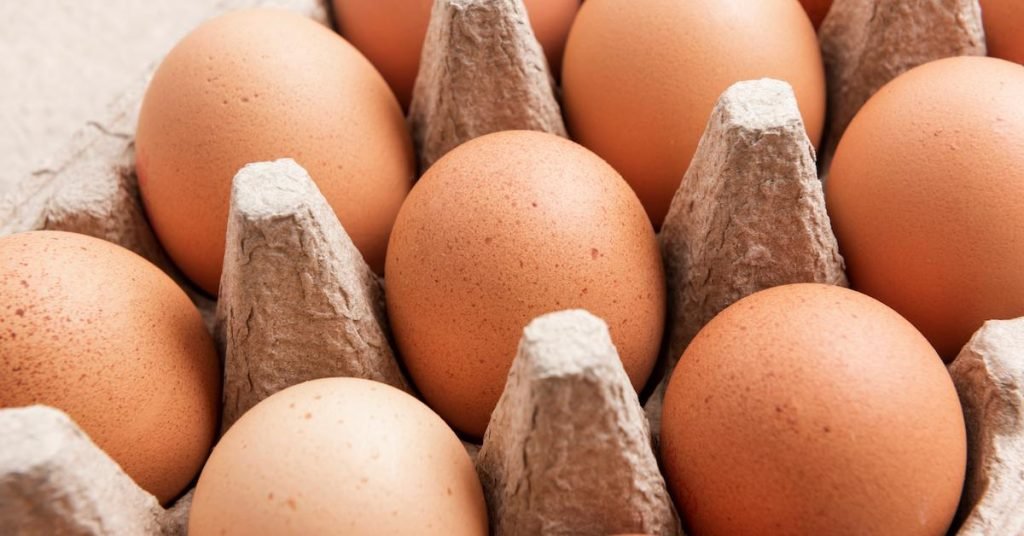
Have you ever stood in front of your open fridge, staring at that carton of organic eggs, and wondered if they’re still good to use? You’re not alone.
Many people are unsure about the shelf life of organic eggs and how to ensure they stay fresh. Knowing how long these eggs last can prevent food waste and keep your meals safe and delicious. In this guide, you’ll uncover the secrets to maximizing the lifespan of your organic eggs.
You’ll learn practical tips to store them effectively and signs that tell you when it’s time to toss them out. Keep reading to make the most of your organic eggs and ensure every dish you whip up is both safe and tasty!

Credit: www.tasteofhome.com
Shelf Life Of Organic Eggs
When you buy organic eggs, you might wonder how long they can safely sit in your fridge before they spoil. The shelf life of organic eggs is crucial for maintaining their quality and taste, and knowing how to store them properly can save you from unnecessary waste and potential health risks.
Understanding Expiration Dates
The expiration date on organic egg cartons is often a guideline for optimal freshness rather than a strict deadline. Eggs can often last beyond this date if stored correctly. Always check for any signs of spoilage before consuming eggs that are close to or past their expiration date.
Proper Storage Techniques
To maximize the shelf life of your organic eggs, keep them in their original carton. The carton protects them from absorbing refrigerator odors and helps maintain consistent humidity levels. Place the carton on a shelf rather than the fridge door, where temperature fluctuations are more common.
Checking Egg Freshness
Wondering if your eggs are still fresh? Perform a simple water test. Fill a bowl with water and gently place the egg inside. Fresh eggs will sink and lay flat, while older eggs might stand upright or float. It’s a quick and easy method to check egg freshness without cracking them open.
Signs Of Spoilage
Be alert for signs of spoilage, such as an off smell or unusual color when you crack them open. These are clear indicators that the eggs are no longer safe to eat. If in doubt, discard them to avoid health risks.
Personal Experience With Longevity
Once, I found a carton in the back of my fridge that was a month past its expiration date. Using the water test, I discovered they were still good to use. This taught me the importance of checking eggs before discarding them, potentially saving money and reducing waste.
How do you ensure your organic eggs stay fresh for as long as possible? Implementing these practical techniques will help you enjoy your eggs while minimizing waste. Remember, proper storage and checking freshness are key to extending the life of your organic eggs.

Credit: www.facebook.com
Factors Affecting Freshness
Organic eggs stored in the fridge can remain fresh for three to five weeks. Several factors affect their freshness, including temperature fluctuations and proper storage. Keeping eggs in their original carton helps maintain quality by reducing moisture loss and preventing absorption of strong odors.
Factors affecting the freshness of organic eggs in the fridge are crucial. These factors determine how long your eggs remain fresh and safe to consume. Understanding these elements can help you store your eggs better, prolonging their usability.Storage Conditions
Storage conditions play a vital role in egg freshness. Keeping eggs in a consistent temperature is essential. Fridge temperature should remain between 35°F and 40°F. This prevents bacterial growth and maintains quality. Avoid placing eggs in the fridge door. The door’s temperature fluctuates frequently, reducing freshness. Instead, store eggs on a middle shelf where the temperature is stable.Egg Quality
Egg quality greatly affects how long eggs stay fresh. Organic eggs tend to have thicker shells. This helps protect them from bacteria and extends freshness. Fresh eggs have a vibrant yolk and clear whites. Check the yolk consistency when you crack an egg. If the yolk is firm, the egg is fresh.Packaging Materials
The packaging materials used for eggs can influence their shelf life. Cardboard cartons are better than plastic. They allow air circulation and absorb excess moisture. This keeps eggs fresh longer. Ensure the cartons are not damaged. Damaged packaging can expose eggs to contaminants, reducing their lifespan.Best Practices For Storing Organic Eggs
Organic eggs are a delightful addition to any kitchen. Their rich taste and nutritional benefits make them a favorite for many. But how long can they last in your fridge? The secret lies in how you store them. Let’s dive into the best practices for storing organic eggs to ensure they remain fresh and safe.
Ideal Temperature
Temperature plays a crucial role in preserving the freshness of organic eggs. Keep your fridge set between 35°F to 40°F (1.6°C to 4.4°C). This range helps maintain the quality of the eggs while preventing spoilage.
Have you ever wondered why some eggs last longer than others? It could be the temperature. Too warm, and the eggs spoil faster; too cold, and they risk freezing.
Proper Placement In Fridge
Where you place your eggs in the fridge matters. Store them in the main body of the fridge, not the door. The door temperature fluctuates when opened, which can impact the eggs’ longevity.
Did you know eggs can last up to five weeks when stored properly? Keeping them in the main compartment ensures a consistent temperature, helping them stay fresh.
Avoiding Contamination
Contamination is a silent enemy of your eggs. Keep them away from strong-smelling foods like onions and garlic. Eggs can absorb odors through their shells.
Consider using a designated egg container. It provides an extra layer of protection from odors and prevents cross-contamination.
What steps do you take to ensure your eggs remain uncontaminated? A little care goes a long way in preserving their quality.
By following these best practices, your organic eggs can stay fresh longer, allowing you to enjoy their rich flavors without worry. How do you store your eggs? Share your tips and experiences in the comments below!

Credit: www.facebook.com
Signs Of Egg Spoilage
Knowing how to tell if eggs are spoiled can save you from foodborne illnesses. Organic eggs might last longer, but they can spoil too. Here are some signs to look for when checking your eggs.
Visual Indicators
Inspect the shell first. A good egg has a smooth, unbroken shell. Cracks or slime on the shell can mean bacteria is inside. Hold the egg up to a light. A fresh egg shows a small air pocket. A large pocket means the egg is old.
Smell And Texture Changes
Crack the egg open into a bowl. A bad smell means the egg is spoiled. Fresh eggs have a neutral scent. Check the texture too. A fresh egg’s white is thick and stands up. If it’s runny, the egg is likely old.
Expiration Dates
Look for dates on the carton. Use-by and sell-by dates help gauge freshness. Eggs often last a week after the sell-by date. But always check other signs first. Dates are not the only indicator of freshness.
Extending Egg Freshness
Organic eggs can last up to three weeks in the fridge. Proper storage is key for maintaining their freshness. Keep eggs in their original carton and place them in the coldest part of the fridge.
Extending the freshness of organic eggs is vital for those who cherish their quality. Proper storage methods can significantly impact how long eggs remain fresh. Understanding the best practices ensures you enjoy your organic eggs to the fullest. Let’s explore effective strategies to maintain egg freshness.Using Egg Containers
Storing eggs in dedicated containers helps maintain their quality. These containers offer protection from bumps and cracks. They often come with a lid to keep eggs safe from odors. Using containers also helps organize your fridge space. Choose containers made of durable materials. This way, they last longer and provide better support for your eggs.Regular Checks
Inspect eggs regularly to ensure they remain fresh. Check for cracks or unusual spots. Discard any eggs with damage or odd appearance. Smelling eggs can also help detect spoilage. Fresh eggs have no strong odor. Regular checks prevent consuming spoiled eggs. It’s a simple yet effective way to ensure egg quality.Freezing Eggs
Freezing eggs can extend their shelf life significantly. Crack eggs into a bowl and beat them lightly. Pour the mixture into ice cube trays for easy use. Once frozen, transfer the cubes to airtight bags. This method preserves eggs for months. Remember, freezing changes egg texture slightly. They are best used in cooked dishes after thawing.Frequently Asked Questions
Do Organic Eggs Go Bad In The Fridge?
Organic eggs can spoil in the fridge over time. Store them properly to extend freshness. Typically, they remain good for 3-5 weeks. Check for off smells or unusual textures to determine spoilage. Proper refrigeration helps maintain quality and safety. Always prioritize freshness for the best taste and nutritional value.
How Can You Tell If Organic Eggs Are Still Good?
Check freshness by placing eggs in water. Fresh eggs sink; old ones float. Crack to inspect smell.
What Is The Lifespan Of Organic Eggs?
Organic eggs last about 3-5 weeks if kept in the fridge. Check expiration dates for freshness. Store them properly to maintain quality. Always look for signs of spoilage before use. Ensure eggs are kept at a consistent, cool temperature to maximize shelf life.
Are Eggs Still Good After 2 Months In The Refrigerator?
Eggs can remain fresh for up to two months in the refrigerator. Always check the expiration date on the carton. Perform a freshness test by placing eggs in water; fresh eggs sink, while expired ones float. Store eggs in their original carton to maintain quality.
Conclusion
Organic eggs can last in the fridge for several weeks. Proper storage is key. Keep them in their original carton. Place them on a shelf, not the fridge door. This helps maintain a steady temperature. Always check for freshness before use.
Perform the water test. Fresh eggs sink; old ones float. Smell is another indicator. A bad odor means they’re no longer good. Enjoy your eggs while they’re fresh. They offer great taste and nutrition. Store them right, and they’ll last longer.
Stay informed for the best kitchen practices. Happy cooking!

I’m Abby Lu, a passionate home cook who loves simplifying everyday meals. At PlugChef.com, I share product reviews and cooking guides to help you find the best tools for your kitchen.
Related posts:
 What Type of Cooking Utensils are Safe: Expert Picks
 What Innovations Could Blenders Make: Unleashing Future Tech
 Smart Strategies to Organize a Small Kitchen: Maximize Space
 How to Organize a Kitchen Cabinet: Expert Tips & Tricks
 How to Organize Kitchen Drawers: Expert Tips and Tricks
 How to Organize a Corner Kitchen Cupboard: Expert Tips

