
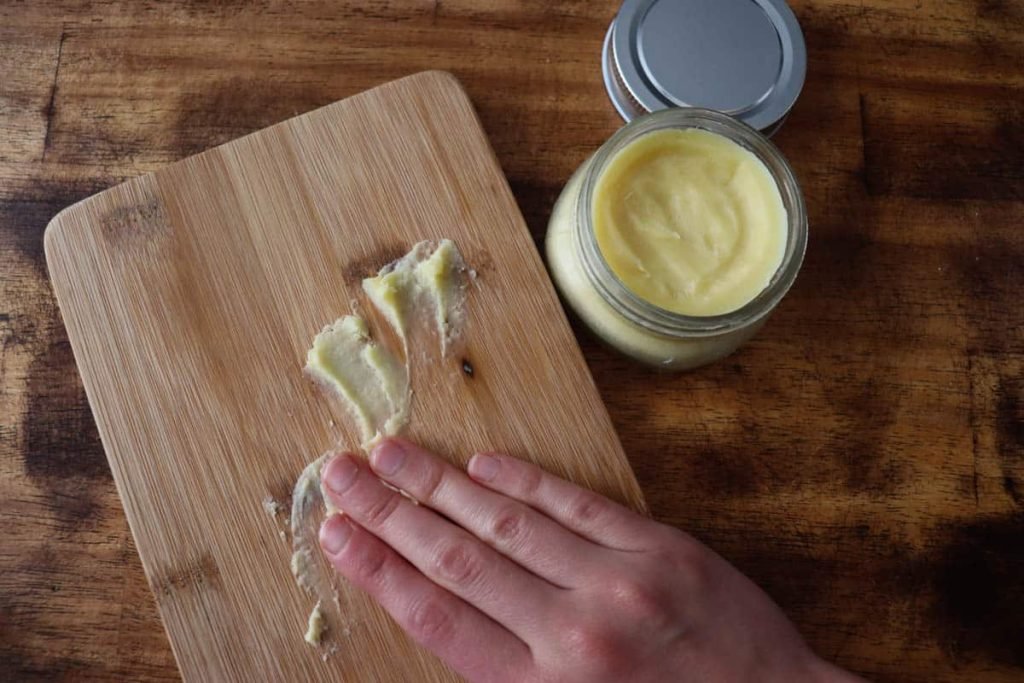
Imagine slicing fresh vegetables or juicy steaks on your cutting board, only to realize the surface is rough and stained. You want to maintain its pristine condition and ensure it’s safe for food preparation.
That’s where sealing comes in. Knowing what to seal your cutting boards with can transform them from worn-out to wonderfully durable. It’s more than just a protective measure; it’s about preserving the integrity of your kitchen tools and enhancing their longevity.
As you explore this guide, you’ll uncover the secrets to achieving a smooth, resilient surface that resists water and stains. You’ll learn which sealants are best for your cutting boards and how they can make a significant difference in your cooking experience. Whether you’re a culinary enthusiast or someone who simply enjoys cooking at home, this knowledge is essential. Dive in to discover how the right seal can transform your kitchen routine, ensuring each cut is as perfect as the first.
Choosing The Right Oil
Choosing the right oil to seal your cutting board is crucial for maintaining its durability and hygiene. The oil you select can deeply affect the board’s performance and longevity. But how do you know which oil suits your cutting board best? Let’s dive into the benefits of various oils and some you should steer clear of.
Mineral Oil Benefits
Mineral oil is a top choice for sealing cutting boards. It’s colorless, odorless, and tasteless, making it perfect for kitchen use. This oil is food-safe and penetrates deeply into the wood, enhancing its natural beauty while providing a protective barrier.
Mineral oil prevents the wood from drying and cracking. It’s affordable and widely available, making it accessible for everyone. Next time you’re at the store, consider grabbing a bottle to ensure your cutting board stays in prime condition.
Coconut Oil Advantages
Coconut oil is another popular option, offering a natural scent and antibacterial properties. Many people prefer its pleasant aroma and the added layer of defense against bacteria. However, make sure to use refined coconut oil to avoid any residue buildup.
Refined coconut oil doesn’t go rancid easily, making it a reliable choice for kitchen use. It’s a great way to keep your cutting board looking fresh while adding a subtle tropical scent to your kitchen.
Walnut Oil Features
Walnut oil adds a rich sheen to your cutting board and is known for its quick drying feature. It’s a natural, food-safe option that enriches the wood’s grain. Walnut oil doesn’t leave a sticky residue, making it a favorite among culinary enthusiasts.
If you’re allergic to tree nuts, however, this oil might not be suitable for you. Always consider any allergies before choosing walnut oil for your cutting board.
Avoiding Vegetable Oils
While you might think any oil will do, vegetable oils are a no-go for sealing cutting boards. They can turn rancid over time, leading to unpleasant odors and potential health risks. Vegetable oils don’t penetrate the wood properly, which can leave your board vulnerable to damage.
Stick to oils designed for wood preservation. Ask yourself: Is the convenience worth the risk? Choosing a proper oil ensures your cutting board remains a safe and reliable kitchen tool.
Your cutting board deserves the best. Selecting the right oil not only preserves its integrity but also keeps your food preparation safe and enjoyable. What oil will you choose next? The decision can make all the difference in your kitchen experience.
Natural Wax Options
Sealing cutting boards keeps them in top condition. Natural waxes are a popular choice. They protect and enhance wood surfaces. These waxes are safe and eco-friendly. They provide a durable finish. Let’s explore some natural wax options.
Beeswax Properties
Beeswax is a trusted choice for sealing cutting boards. It provides a natural barrier against moisture. This wax is food-safe and leaves a pleasing scent. Beeswax has antibacterial properties. These properties help keep your board clean. It also gives the board a subtle shine. It enhances the wood’s natural beauty.
Applying beeswax is simple. Warm the wax and spread it evenly. Let it soak in and wipe off the excess. The result is a smooth, protected surface. Beeswax can be mixed with mineral oil. This improves its spreading ability. Beeswax is an affordable and effective choice.
Carnauba Wax Uses
Carnauba wax is another natural option. This wax comes from the leaves of Brazilian palm trees. It is known for its hardness and glossy finish. Carnauba wax offers excellent water resistance. It protects the cutting board from stains and spills.
This wax is also food-safe. It’s perfect for use in kitchens. Carnauba wax provides a long-lasting finish. It requires less frequent applications. Applying carnauba wax involves buffing the wax onto the board. It results in a lustrous and durable surface. Carnauba wax is a premium choice for cutting board care.
Commercial Finishes
Sealing cutting boards with mineral oil or beeswax creates a protective layer. This layer guards against moisture and bacteria. Regular application ensures durability and maintains the board’s natural look.
When it comes to maintaining cutting boards, selecting the right finish can make a significant difference in their longevity and functionality. Commercial finishes offer a reliable solution, providing durability while ensuring your food remains safe. But how do you choose the right one for your needs? Let’s dive into some popular options and their benefits.Food-safe Polyurethane
Polyurethane is a popular choice for sealing cutting boards, thanks to its tough and waterproof nature. While standard polyurethane isn’t food-safe, there are specific formulations designed to be safe for surfaces that come in contact with food. Imagine how much easier it would be to clean your cutting board if it repels water and stains. A food-safe polyurethane finish provides just that. It creates a protective barrier, keeping moisture and bacteria from penetrating the wood. Have you ever worried about your cutting board warping over time? With polyurethane, this concern diminishes. It maintains the board’s integrity, even after repeated washings. Just make sure you choose a product labeled as food-safe to ensure your meals remain healthy.Shellac For Cutting Boards
Shellac is another excellent option for sealing cutting boards. Derived from natural resin, it offers a glossy finish that’s both appealing and functional. Shellac dries quickly, allowing you to reapply coats without a lengthy wait. If you’re short on time, this is a significant advantage. Additionally, once dry, shellac is non-toxic, making it a safe choice for kitchen use. Consider the ease of refreshing your cutting board’s appearance. Shellac can be easily touched up, ensuring your board looks pristine even after regular use. Plus, it provides a durable surface that can withstand daily kitchen tasks. Choosing between polyurethane and shellac might seem daunting, but each has its benefits tailored to different needs. Have you tried either of these on your cutting boards? How did they perform? Share your experiences and insights to help others make informed decisions.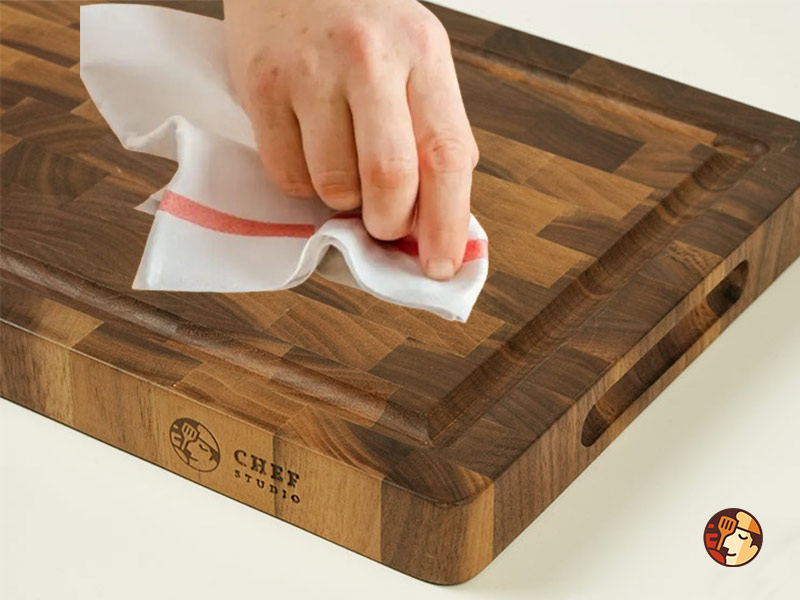
Credit: en.chefstudio.vn
Application Techniques
Choosing the right sealant for cutting boards is crucial for durability. Food-safe oils like mineral oil protect wood surfaces effectively. Regular application ensures longevity and prevents damage from moisture and bacteria.
When sealing cutting boards, proper application techniques ensure durability and safety. The right methods keep the board smooth and protected. This section explains how to achieve the best results. Follow these steps for a well-sealed cutting board.Preparation Steps
First, clean your cutting board thoroughly. Use warm water and mild soap. Rinse and let it air dry completely. Sand the surface with fine-grit sandpaper. This smooths out any rough spots. Wipe away dust with a damp cloth. Ensure the board is completely dry before applying oil. This ensures the oil absorbs well.Applying Oil Evenly
Choose a food-safe mineral oil or beeswax. Pour a small amount on the board. Use a clean, soft cloth or paper towel. Spread the oil in circular motions. Cover the entire surface evenly. Don’t forget the edges and corners. Let the oil soak in for 20 minutes. Wipe off any excess oil with a clean cloth.Buffing And Polishing
After oiling, buff the board. Use a dry, lint-free cloth. Rub the surface in circular motions. This polishes the board and enhances shine. Repeat the process if needed. For extra protection, apply beeswax. Rub it onto the board and buff again. This creates a smooth, glossy finish. Your cutting board is now ready for use.Maintaining The Finish
Keeping your cutting board in top condition requires regular care. The finish protects the board from moisture and bacteria. A well-maintained finish ensures longevity and safety. Follow these guidelines to preserve the beauty of your cutting board.
Regular Reapplication
Reapply oil or wax to your cutting board every month. This helps maintain the protective layer. Use food-grade mineral oil for a safe option. Let the oil soak in overnight for best results. Buff the board with a clean cloth for a smooth finish. Regular reapplication keeps the board looking new.
Cleaning Best Practices
Clean your cutting board after each use. Use warm water and mild soap for washing. Avoid soaking the board to prevent damage. Dry it immediately with a towel to avoid moisture buildup. Use vinegar or lemon juice for extra sanitation. Proper cleaning practices maintain the finish and hygiene.

Credit: tulipsandtwill.com
Common Mistakes
Choosing the right sealant for cutting boards is crucial. Many mistakenly use vegetable oils, leading to rancidity. Opt for mineral oil or beeswax to ensure safe, long-lasting protection without odor.
When sealing cutting boards, ensuring proper care and maintenance is crucial. However, many people make common mistakes that can compromise the board’s longevity and functionality. Understanding these pitfalls can save you time, money, and frustration.Over-oiling Issues
Applying too much oil might seem like a good idea, but it can lead to problems. Excess oil can create a sticky surface that attracts dust and debris. I once made this mistake with my wooden cutting board, thinking more oil would enhance its look and feel. Instead, it became a magnet for crumbs, and I had to clean it more frequently than usual. So, how much oil is enough? A thin, even coat is usually sufficient. You want the oil to penetrate the wood, not sit on top of it. Are you using the right amount of oil, or is your board looking greasier than a pizza box?Ignoring Drying Times
After applying oil, it’s vital to allow proper drying time. Impatience can lead to a tacky surface that never truly dries. I learned this the hard way when I rushed the process, only to find my board still sticky the next day. Letting the oil soak in overnight usually does the trick. The wood needs time to absorb the oil fully, ensuring a smooth, functional surface. Are you giving your cutting board the time it needs to properly dry, or are you jumping the gun? Avoiding these common mistakes can make all the difference in maintaining your cutting board’s quality. Pay attention to your oiling habits and drying times to ensure your cutting board remains in top condition.
Credit: hempshields.com
Frequently Asked Questions
What Is The Best Thing To Seal A Cutting Board With?
Use food-grade mineral oil to seal a cutting board. It protects wood and prevents drying or cracking. Apply regularly for best results.
What Is The Food-safe Sealant For Cutting Boards?
Use food-grade mineral oil as a sealant for cutting boards. It’s safe, non-toxic, and easy to apply. Regular application helps maintain the board’s condition and prevents cracks. Beeswax can also be mixed with mineral oil for added protection. Always ensure products are labeled as food-safe before use.
What Is A Good Substitute For Mineral Oil On A Cutting Board?
Use food-grade coconut oil as a substitute for mineral oil on cutting boards. It conditions and protects wood effectively. Beeswax mixed with coconut oil also works well, offering added durability and a natural finish. Ensure oils are food-safe to maintain hygiene and prevent rancidity.
Does A Cutting Board Need To Be Sealed?
Sealing wooden cutting boards is essential to prevent damage and bacteria buildup. Use food-safe mineral oil regularly. Plastic boards don’t need sealing but should be sanitized. Proper maintenance ensures longevity and hygiene. Keep your cutting board dry and clean to maintain its condition.
Regular care will enhance its durability.
Conclusion
Sealing your cutting board keeps it safe and long-lasting. Choose the right sealant for best results. Mineral oil, beeswax, and coconut oil are popular choices. Each offers unique benefits and protection. Regular sealing prevents damage and bacteria growth. Keep your board clean and dry.
Regular maintenance ensures its durability. Make sealing a habit for optimal board health. Enjoy cooking on a well-cared-for surface. Your cutting board will thank you. Happy cooking!

I’m Abby Lu, a passionate home cook who loves simplifying everyday meals. At PlugChef.com, I share product reviews and cooking guides to help you find the best tools for your kitchen.
Related posts:
 What Type of Cooking Utensils are Safe: Expert Picks
 What Innovations Could Blenders Make: Unleashing Future Tech
 Smart Strategies to Organize a Small Kitchen: Maximize Space
 How to Organize a Kitchen Cabinet: Expert Tips & Tricks
 How to Organize Kitchen Drawers: Expert Tips and Tricks
 How to Organize a Corner Kitchen Cupboard: Expert Tips

