
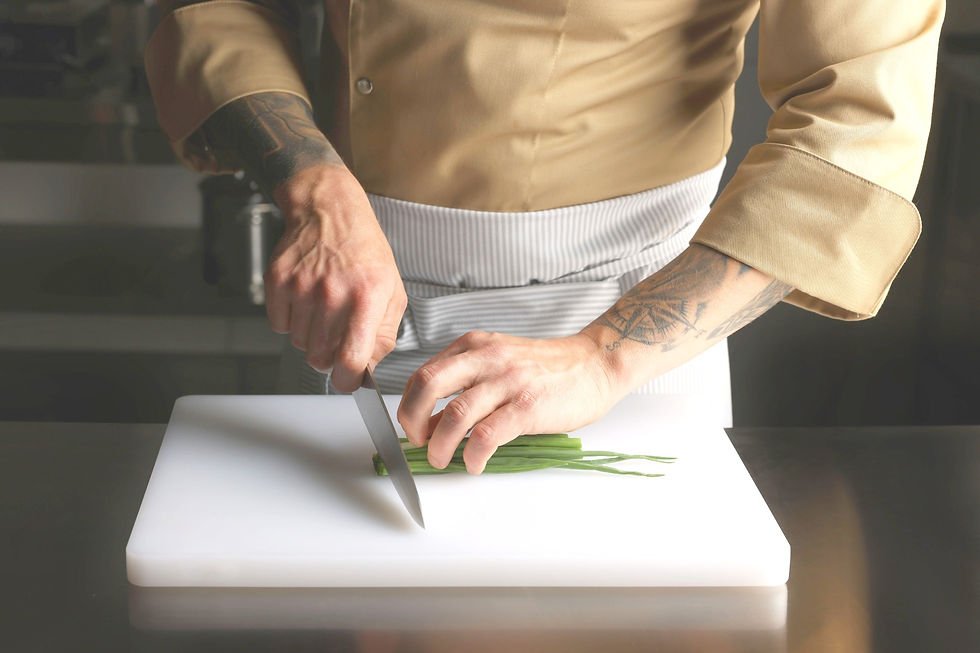
Are you confident that the cutting board in your kitchen is truly safe? You might not think much about it, but the type of cutting board you use can significantly impact your health and safety.
From food contamination risks to potential knife damage, choosing the right cutting board is more crucial than you might realize. We’ll explore what makes a cutting board safe and why it matters for you and your loved ones. Stick with us as we uncover the secrets to making smarter, safer choices in your kitchen.
Your culinary creations—and your peace of mind—depend on it.

Credit: www.amazon.com
Materials For Cutting Boards
Choosing the right material for your cutting board can make all the difference in your kitchen experience. Each material offers unique benefits and potential drawbacks. Are you aware of how the type of cutting board you choose can affect your food preparation? Let’s explore the different materials and see which might be the best fit for you.
Wood Options
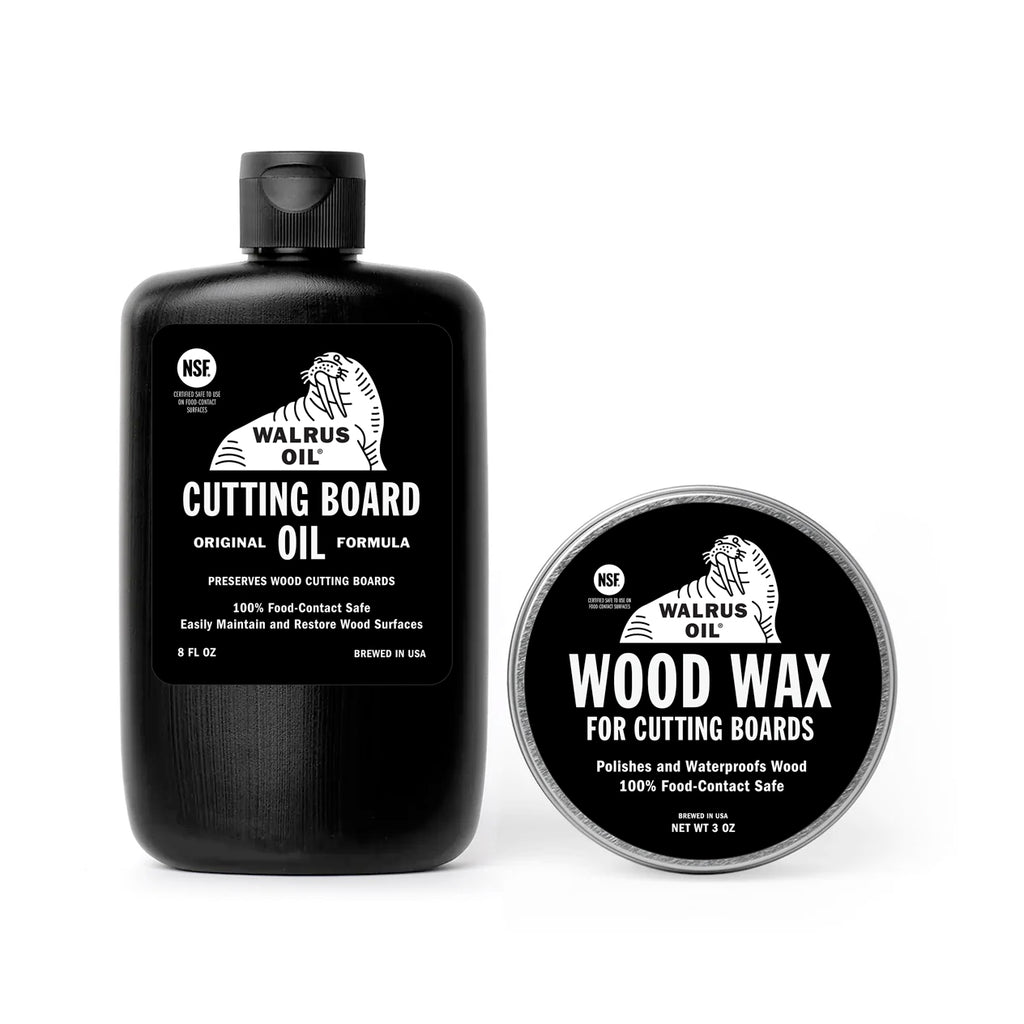
Wooden cutting boards are a classic choice, often praised for their durability and knife-friendly surface. Many chefs swear by hardwoods like maple and walnut, which resist bacteria and maintain their quality over time. Picture yourself slicing through fresh vegetables on a sturdy maple board; there’s a certain satisfaction in knowing your tools are both effective and timeless. However, remember that wood requires regular maintenance, like oiling, to prevent cracking.
Plastic Choices
Plastic cutting boards are popular for their affordability and ease of cleaning. They’re often lightweight and come in various colors, allowing you to separate boards for different food types, reducing cross-contamination. Imagine having a vibrant set of boards, each designated for meats, veggies, and fruits. While convenient, be mindful of deep cuts from knives that can harbor bacteria over time. Do you sanitize your plastic boards regularly?
Bamboo Alternatives
Bamboo cutting boards offer an eco-friendly option, combining sustainability with style. They’re harder than typical wood, which can be both a pro and a con—great for durability but tough on knives. Do you prefer supporting sustainable practices in your kitchen? Bamboo might be your go-to choice. Just like wood, bamboo boards need occasional oiling to keep them in top condition.
Glass And Marble Considerations
Glass and marble cutting boards add a sleek aesthetic to your kitchen, perfect for those who love a modern touch. They’re non-porous, making them easy to clean and highly resistant to bacteria. Can you imagine the elegance a marble board brings to your countertop? But beware, these materials are harsh on knives and can easily dull their blades. Consider whether the look is worth the trade-off in knife health.
After considering these materials, which cutting board aligns with your culinary needs and lifestyle? Your choice can significantly impact your cooking efficiency and kitchen ambiance.
Credit: walrusoil.com
Safety Features
Choosing the right cutting board is crucial for kitchen safety. It ensures food preparation is both efficient and hygienic. Understanding the safety features of a cutting board helps in making the right choice. Let’s explore some essential features.
Non-slip Surfaces
A cutting board with a non-slip surface is safer. It stays in place during use. This prevents accidents while chopping or slicing. Look for boards with rubber or silicone grips. They provide extra stability on the countertop. A stable board reduces the risk of injury.
Knife Friendliness
A safe cutting board is kind to your knives. It should not dull them quickly. Wooden and plastic boards are often better for knives. They have a softer surface. This helps maintain your knife’s sharpness. Avoid glass or marble boards. They are tough on knife edges.
Antimicrobial Properties
Some cutting boards come with antimicrobial properties. These features help reduce bacterial growth. Bamboo and certain plastics have natural antimicrobial traits. This keeps your board cleaner and safer for food preparation. Regular cleaning is still important. It ensures your board remains hygienic.
Size And Thickness
The size and thickness of a cutting board matter significantly. These factors influence its usability and effectiveness in the kitchen. A well-chosen cutting board enhances safety and convenience during food preparation.
Standard Dimensions
Cutting boards come in various sizes to suit different tasks. Small boards, around 8×10 inches, are great for quick jobs. Medium boards, typically 10×14 inches, offer more space for chopping. Large boards, 12×18 inches or bigger, accommodate more ingredients. Choose a size that fits your kitchen space and cooking needs.
Weight And Portability
Thicker boards tend to be heavier, providing stability while cutting. Thinner boards are lighter, easier to move and store. Consider how often you’ll transport your board. A heavy board might be cumbersome for frequent relocation. Lightweight boards are ideal for easy handling. Balance between weight and stability is key for a functional cutting board.
Maintenance And Durability
Maintaining a cutting board extends its life and ensures safety. Regular care prevents bacteria buildup and keeps the board looking fresh. Different materials require unique maintenance approaches, affecting their durability. Let’s explore how cleaning and material choices impact a cutting board’s lifespan.
Cleaning Methods
Cleaning a cutting board properly is crucial for hygiene. For wooden boards, use mild soap and warm water. Avoid soaking them, as water can cause warping. After washing, dry immediately with a towel. For plastic boards, a dishwasher is safe. Ensure they are thoroughly dried to prevent bacterial growth. Vinegar or lemon juice can help remove odors from any board.
Longevity Of Materials
Different materials offer varying levels of durability. Wooden boards are long-lasting with proper care. They are gentle on knives and naturally antibacterial. Plastic boards are budget-friendly and easy to clean. Though, they may wear faster with heavy use. Bamboo boards are durable and eco-friendly, but can be hard on knives. Glass and marble boards are stylish but may damage blades quickly. Choosing the right material ensures a longer lifespan for your board.
Eco-friendly Options
Choosing an eco-friendly cutting board is a wise decision. It supports sustainability and reduces waste. These options balance practicality and environmental responsibility. They are crafted using materials that are kind to the earth.
Sustainable Materials
Look for cutting boards made from bamboo. Bamboo is a renewable resource. It grows quickly and regenerates easily. This makes it a sustainable choice. Cork is another great option. It’s harvested without harming the tree. This ensures long-term sustainability. Both materials are durable and resistant to bacteria.
Recyclable Choices
Consider boards made from recycled plastic. These are sturdy and eco-friendly. They help reduce landfill waste. Glass cutting boards are another recyclable choice. They are easy to clean and hygienic. Both options are durable and long-lasting. They ensure less need for replacements.
Price Considerations
Choosing the right cutting board involves various considerations. One of the key factors is price. It affects the type of material, durability, and features. Finding a balance between cost and quality ensures a good investment. Let’s explore the different price ranges available.
Budget-friendly Options
For those on a tight budget, affordable cutting boards are available. These boards often use plastic or bamboo. They are lightweight and easy to clean. Despite their low cost, they can be quite durable. Good choices for everyday kitchen use. They may lack advanced features but serve basic needs well. Always check for safety certifications, even with low-cost options.
Premium Selections
Premium cutting boards come with higher price tags. They often use hardwoods like maple or walnut. These boards offer durability and aesthetic appeal. They resist knife marks better than cheaper boards. Some even feature juice grooves or built-in compartments. Ideal for those who cook frequently or value kitchen aesthetics. Premium boards often last longer, justifying their cost over time.
Expert Recommendations
Choosing the right cutting board ensures kitchen safety and hygiene. Experts suggest looking for cutting boards that resist bacteria and are durable. Materials like bamboo and plastic are often recommended. They are gentle on knives and easy to clean. The board’s surface should not dull knives. It should also be non-porous to prevent bacteria growth.
Experts also emphasize the importance of size and weight. A board should be large enough for various tasks but not too heavy. It should have a non-slip base to ensure stability during use. Let’s explore some top brands and customer reviews to guide your choice.
Top Brands
Several brands stand out for their safe cutting boards. OXO offers boards with non-slip edges for stability. Their boards are dishwasher safe, making cleaning simple. John Boos is known for wooden boards that are durable and knife-friendly. They offer a variety of sizes to fit any kitchen need. Epicurean provides eco-friendly boards made from sustainable materials. These are lightweight yet sturdy, and they resist bacteria growth.
Customer Reviews
Customer feedback often highlights the practical aspects of cutting boards. Users appreciate OXO boards for their grip and ease of cleaning. Many find John Boos boards to be long-lasting and visually appealing. They often mention the board’s ability to endure heavy use. Epicurean boards receive praise for their eco-friendly nature and lightweight design. Customers often note their durability and ease of maintenance.

Credit: www.amazon.com
Frequently Asked Questions
What Is The Safest Material For A Cutting Board?
Bamboo is the safest material for cutting boards. It’s durable, non-porous, and resistant to bacteria. Bamboo requires less maintenance and is eco-friendly. Unlike plastic, bamboo doesn’t dull knives easily. Its natural antimicrobial properties make it an ideal choice for kitchen use.
Choose bamboo for a hygienic and sustainable option.
How Do You Know A Cutting Board Is Safe?
Check for smooth surfaces with no deep grooves to prevent bacteria growth. Ensure it’s made of food-safe materials. Regularly sanitize and inspect for cracks or discoloration. Replace if excessively worn. Use separate boards for raw meats and vegetables to avoid cross-contamination.
What Is The Healthiest Option For A Cutting Board?
Bamboo cutting boards are the healthiest option. They are durable, eco-friendly, and naturally resistant to bacteria. Bamboo is also gentle on knives, ensuring their longevity. It absorbs less moisture, reducing the risk of bacteria growth. Choose a high-quality bamboo board for a sustainable and hygienic kitchen tool.
What Is The Most Sanitary Type Of Cutting Board To Use?
Bamboo cutting boards are the most sanitary. They resist moisture and bacteria better than plastic or wood. Bamboo is eco-friendly, easy to clean, and naturally antimicrobial, making it an excellent choice for maintaining kitchen hygiene. Regular cleaning and proper maintenance ensure optimal sanitary conditions.
Conclusion
Choosing the right cutting board keeps your kitchen safe. Focus on materials that resist bacteria. Wood and plastic are popular choices. Both need regular cleaning. Keep them dry to prevent mold. Use separate boards for meat and vegetables. This prevents cross-contamination.
Consider size and weight for easy handling. Affordable options abound, so no need to overspend. Read reviews for customer feedback. A well-chosen cutting board lasts years. Your kitchen stays clean, and meals safe. Simple choices, big impact. Keep safety in mind always.
Happy cooking!

I’m Abby Lu, a passionate home cook who loves simplifying everyday meals. At PlugChef.com, I share product reviews and cooking guides to help you find the best tools for your kitchen.
Related posts:
 What Type of Cooking Utensils are Safe: Expert Picks
 What Innovations Could Blenders Make: Unleashing Future Tech
 Smart Strategies to Organize a Small Kitchen: Maximize Space
 How to Organize a Kitchen Cabinet: Expert Tips & Tricks
 How to Organize Kitchen Drawers: Expert Tips and Tricks
 How to Organize a Corner Kitchen Cupboard: Expert Tips

