
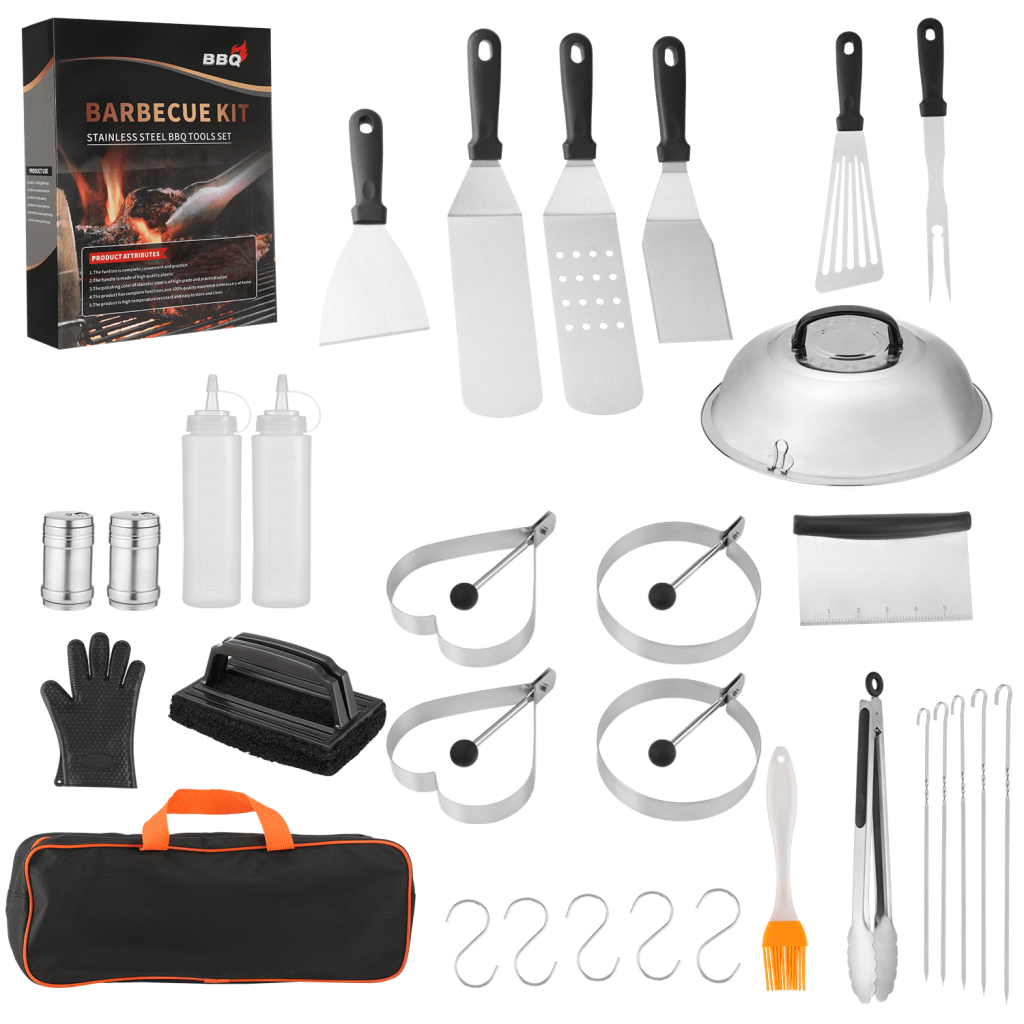
Are you tired of dealing with greasy, grimy grill utensils after a great barbecue session? We get it—cleaning those tools can feel like a daunting task.
But what if there was an easier way? Imagine effortlessly maintaining your grill utensils, ensuring they’re always ready for your next cookout. With the right approach, you can transform cleaning from a chore into a simple, satisfying routine. Stick with us, and you’ll discover effective, no-fuss techniques that will not only extend the life of your utensils but also enhance your grilling experience.
Dive in and let’s make your grill utensils shine like new!
Essential Cleaning Tools
Cleaning grill utensils is crucial for maintaining hygiene and extending their life. Using the right cleaning tools makes this task easier and more effective. Below are essential tools that will help you clean your grill utensils properly.
Wire Brushes
Wire brushes are perfect for scrubbing off tough residue. Their bristles can reach into grooves and scrape off stubborn grime. Choose a brush with durable bristles for best results.
Scrapers
Scrapers remove baked-on food particles efficiently. They come in various shapes to suit different utensils. Use a scraper after grilling to keep surfaces clean.
Scouring Pads
Scouring pads help remove stains without damaging the surface. They work well on both metal and non-stick utensils. Opt for a pad with a comfortable grip for easy handling.
Cleaning Cloths
Cleaning cloths wipe away grease and moisture. They are excellent for polishing utensils after washing. Choose a soft cloth to avoid scratching surfaces.
Dish Soap
Dish soap is essential for breaking down grease. It works well with warm water to clean all types of grill utensils. Use a soap that is gentle on hands yet effective on grime.
:max_bytes(150000):strip_icc()/ses-product-grilling-tools-donna-currie-23-24370846b28b47c3b20e9b05ca95be6d.jpeg)
Credit: www.thespruceeats.com
Choosing Safe Cleaning Products
Cleaning grill utensils can be a daunting task. Choosing the right cleaning products is crucial. Safe products ensure your health and the longevity of your utensils. This section will guide you in selecting safe cleaning solutions. It will help maintain a clean and healthy grilling experience.
Choosing Natural Ingredients
Natural ingredients are gentle on your grill utensils. They are also safe for your hands. Baking soda and vinegar are popular choices. They clean effectively without harsh chemicals. Lemon juice is another excellent option. It cuts through grease and leaves a fresh scent.
Avoiding Toxic Chemicals
Many commercial cleaners contain toxic chemicals. These can be harmful if ingested. Avoid products with ammonia or bleach. These can damage the utensils and affect the food. Check labels carefully. Choose products that are labeled non-toxic or biodegradable.
Reading Product Labels
Always read the labels before buying cleaning products. Look for safety certifications. These indicate the product is safe for use. Eco-friendly labels are a good sign. They mean the product is safe for the environment. This ensures both safety and sustainability.
Testing Products On Small Areas
Test new cleaning products on a small utensil area first. This checks for any adverse reactions. It ensures the product is safe for your specific utensils. Observe any changes in color or texture. If safe, proceed with cleaning the entire utensil.
Pre-cleaning Preparation
Begin by gathering all grill utensils. Ensure they are free from leftover food. Use a brush to remove debris.
Preparing to clean your grill utensils can make the task faster and more efficient. Before diving in, gather your cleaning tools—such as a stiff brush, mild dish soap, and a cloth. You might think this is a no-brainer, but having everything ready can save you from unnecessary trips to the kitchen. Now, let’s talk about the power of soaking.Soaking Techniques
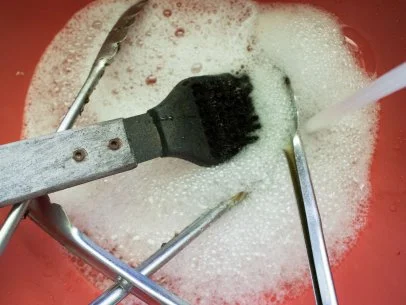
Soaking your grill utensils is like giving them a spa day. Fill a sink or bucket with warm, soapy water and let the utensils sit for at least 15 minutes. This step softens the stubborn grime and makes your cleaning job much easier. If your utensils are particularly greasy, add a splash of vinegar to the water. The acidity can help break down the grease. Have you tried adding baking soda? It enhances the cleaning power, especially for those charred bits that refuse to budge.Scraping Off Residue
After soaking, it’s time to tackle the residue. Use a stiff brush to scrape off any remaining food particles. Scraping might seem tedious, but it’s crucial for a clean grill experience. Consider using a wooden scraper for a more eco-friendly option. It’s gentle on your utensils while still effectively removing debris. Have you ever felt the satisfaction of seeing a completely clean utensil emerge? It’s like uncovering a hidden treasure. When you see that gleaming spatula or fork, you’ll know it was worth the effort. Now, you’re ready for your next grilling adventure, armed with clean tools.
Credit: www.amazon.com
Cleaning Different Utensil Materials
Cleaning grill utensils involves using warm soapy water and a sturdy brush to remove food residues. Rinse thoroughly to ensure no soap remains on the utensils. For stubborn grease, try a mixture of baking soda and water to scrub away residue effectively.
Cleaning Different Utensil Materials Cleaning grill utensils can be a straightforward process, but different materials require distinct approaches. Whether you’re working with stainless steel, cast iron, or non-stick surfaces, understanding the nuances can make all the difference in preserving their longevity and performance. Have you ever scrubbed a cast iron skillet only to find it rusting the next day? Or perhaps your non-stick spatula lost its coating after a vigorous cleaning session? Let’s dive into the specifics so you can avoid these common pitfalls.Stainless Steel
Stainless steel is durable and less prone to rust, making it a popular choice for grill utensils. Use warm, soapy water and a soft sponge to clean your stainless steel tools. This prevents scratches and maintains their shine. For tougher stains, a mixture of baking soda and water can act as a gentle scrub. You’ll appreciate how easily stains lift off without damaging the material. Avoid abrasive cleaners; they can dull the finish and leave behind ugly marks.Cast Iron
Cast iron utensils require a bit more care but reward you with excellent heat retention. After cooking, wipe them down with a damp cloth to remove food residue. This helps preserve the seasoned surface that prevents sticking. If you need a deeper clean, use a mix of kosher salt and warm water to scrub the surface gently. Did you know that soap can strip away the seasoning? So, skip it to keep your cast iron in top condition. Once clean, dry thoroughly and apply a thin layer of oil to prevent rusting.Non-stick Surfaces
Non-stick surfaces are convenient but can be delicate. Use a soft cloth or sponge with mild dish soap for cleaning. This approach avoids scratching the non-stick coating, which can degrade over time. For stubborn food particles, soaking the utensil in warm water can loosen the debris without any harsh scrubbing. Ever wondered why your non-stick pans lose their slick feel? It’s often due to overheating, so be gentle even during cleaning to prolong their life.Deep Cleaning Methods
Grill utensils often accumulate stubborn grime and grease. Regular cleaning isn’t enough for these persistent residues. Deep cleaning methods offer a thorough cleanse, ensuring your tools are spotless and ready for use.
Baking Soda Paste
Baking soda is a natural scrub that works wonders. Mix it with water to create a thick paste. Apply the paste generously on the utensils. Let it sit for 30 minutes. This allows the soda to break down the grease. Scrub with a brush to remove the loosened dirt. Rinse thoroughly with warm water. Baking soda leaves no harmful residue. It’s safe for all grill tools.
Vinegar Solutions
Vinegar is a powerful cleaner. Mix equal parts of vinegar and water in a spray bottle. Spray the solution on the greasy areas. Let it rest for 20 minutes. The acid in vinegar dissolves tough grime. Scrub the utensils with a sponge or brush. Rinse off with warm water. Vinegar also removes odors, leaving your tools fresh. This method is environmentally friendly and effective.
Credit: www.hgtv.com
Drying And Storing Utensils
Keeping grill utensils clean is only half the job. Proper drying and storing ensure they last longer. Wet utensils can rust or develop bacteria. Drying them thoroughly is crucial. Proper storage keeps them ready for next use.
Air Drying Tips
Place utensils on a dish rack. Allow them to air dry completely. Ensure each utensil is spaced out. This helps air circulate freely. Use a clean towel to pat them dry. Avoid using a damp towel. It might add moisture instead.
Preventing Rust
Rust is a common enemy of metal utensils. Ensure utensils are completely dry before storing. Store them in a dry, cool place. Consider using a utensil holder. This keeps them upright and separated. Avoid stacking them while wet.
Maintaining Cleanliness
Cleaning grill utensils ensures safe and tasty barbecues. Begin by soaking them in warm, soapy water to loosen grime. Scrub with a brush, paying attention to crevices, then rinse thoroughly. Dry completely to prevent rust, storing them in a clean, dry place.
Regular maintenance keeps your grill tools in top condition.
Keeping your grill utensils clean is essential for both hygiene and optimal cooking performance. Imagine flipping those juicy burgers with a spatula that’s seen better days. Not the most appetizing thought, right? Maintaining cleanliness ensures that your tools are always ready for action, ensuring every barbecue session is a success. Let’s dive into how you can keep your grill utensils in top shape with regular maintenance and seasonal deep cleans.Regular Maintenance
Regular maintenance is key to keeping your grill utensils in pristine condition. After each use, take a few minutes to clean your tools. Start by rinsing them under warm water to remove any food particles. Use a mild dish soap with a sponge to scrub away grease and residue. For stubborn spots, a baking soda paste works wonders. Rinse thoroughly and dry with a clean cloth to prevent rust. Storing your utensils properly also impacts their cleanliness. Hang them up or place them in a dedicated drawer. This prevents them from gathering dust or grime in between uses.Seasonal Deep Cleans
While regular upkeep is vital, giving your grill utensils a seasonal deep clean takes their longevity to another level. Consider doing this at the start and end of the grilling season. Begin by soaking them in a mixture of vinegar and water. This helps break down any lingering grease and disinfects the tools. A wire brush can be handy for scrubbing metal parts, but be gentle to avoid scratches. For wooden handles, a light rub with mineral oil can prevent drying and cracking. Lastly, inspect your utensils for any signs of wear and tear. Are there any loose handles or bent spatulas? Addressing these issues promptly ensures your grilling gear is always ready for the next cookout. Maintaining cleanliness in your grill utensils doesn’t just benefit your cooking; it also extends the life of your tools. So, what’s your next step? Ready to give your grill utensils the care they deserve?Common Cleaning Mistakes
Cleaning grill utensils might seem straightforward, but many people fall into common traps that can damage their tools or make cleaning more difficult than it needs to be. You might think you’re doing everything right, but are you unknowingly making mistakes? It’s time to find out and perfect your cleaning routine.
Avoiding Harsh Chemicals
One common mistake is reaching for harsh chemicals to clean your grill utensils. These can corrode metal and strip away protective coatings. Instead, consider using milder alternatives like baking soda or vinegar. These are effective and less abrasive.
Have you ever noticed a lingering chemical smell or taste after cleaning your utensils? That’s likely a sign you’re using products that are too strong. Stick to natural ingredients for a fresh and clean outcome.
Proper Scrubbing Techniques
Another mistake is using the wrong scrubbing technique. Aggressive scrubbing can scratch and damage your utensils. Use a soft brush or sponge and scrub gently, especially on non-stick surfaces.
Think back to the last time you scrubbed your grill fork like you were trying to remove a century-old stain. Did it help, or did it just wear out the utensil? Focus on steady, even strokes instead of brute force.
Are you scrubbing with the grain of the metal? This can prevent scratches and extend the lifespan of your tools. It’s a simple change that can make a big difference.
By avoiding these common cleaning mistakes, you can ensure your grill utensils remain in top condition, ready for many more delicious barbecues. Have you been unknowingly sabotaging your cleaning efforts? It’s time to adjust your approach for better results. Remember, cleaning is about care, not just getting rid of grime.
Frequently Asked Questions
How To Clean Barbecue Utensils?
Clean barbecue utensils with warm soapy water and a scrub brush. Rinse thoroughly and dry completely. For stubborn residue, soak in vinegar and baking soda solution. Regularly check for rust and replace worn tools. Store utensils in a dry place to prevent moisture damage.
How Often Should You Clean The Grill And Grill Utensils?
Clean the grill after each use to prevent buildup and ensure food safety. Wash grill utensils with hot, soapy water after every grilling session. Regular cleaning maintains hygiene and extends the lifespan of your equipment. Consider deep cleaning every month for optimal performance.
What Is The Best Way To Clean A Grill Pan?
Scrub the grill pan with warm soapy water and a non-abrasive sponge. Dry thoroughly to prevent rust. For stubborn residues, soak in vinegar and baking soda solution. Rinse and dry completely. Regularly season your grill pan with oil to maintain its non-stick surface and enhance longevity.
How To Clean Grease Off Of The Sides Of A Grill?
Use a grill brush and warm soapy water to scrub off grease. Rinse with clean water. Dry completely to prevent rust. For stubborn spots, apply a baking soda paste, let it sit, then scrub. Regular cleaning maintains your grill’s performance and extends its lifespan.
Conclusion
Cleaning grill utensils is simple yet essential. Clean tools last longer. A clean grill gives better flavor. Start with warm soapy water. Scrub gently to remove grease. Dry thoroughly to prevent rust. Store them properly to keep them fresh. Regular cleaning makes grilling more enjoyable.
Your meals taste better too. Remember, clean tools equal happy grilling. Enjoy your next barbecue with clean, shiny utensils. Keep these tips handy for future use. Happy grilling!

I’m Abby Lu, a passionate home cook who loves simplifying everyday meals. At PlugChef.com, I share product reviews and cooking guides to help you find the best tools for your kitchen.
Related posts:
 What Type of Cooking Utensils are Safe: Expert Picks
 What Innovations Could Blenders Make: Unleashing Future Tech
 Smart Strategies to Organize a Small Kitchen: Maximize Space
 How to Organize a Kitchen Cabinet: Expert Tips & Tricks
 How to Organize Kitchen Drawers: Expert Tips and Tricks
 How to Organize a Corner Kitchen Cupboard: Expert Tips

