
Have you ever wondered how self-healing cutting mats manage to stay smooth and intact, even after countless cuts and slices? If you’ve spent any time crafting, sewing, or working with precise cutting tools, you’ve probably encountered these magical surfaces.
They seem almost too good to be true, offering a perfect cutting foundation without showing wear and tear. But how exactly do they work? Understanding the science behind these mats can transform your crafting experience, saving you time and money.
Imagine never having to worry about your mat deteriorating or affecting the accuracy of your cuts. By the end of this article, you’ll not only know the secret behind their self-healing abilities but also how to choose and care for one to enhance your creative projects. Let’s dive into the fascinating world of self-healing cutting mats and discover how they can become an indispensable tool in your crafting arsenal.

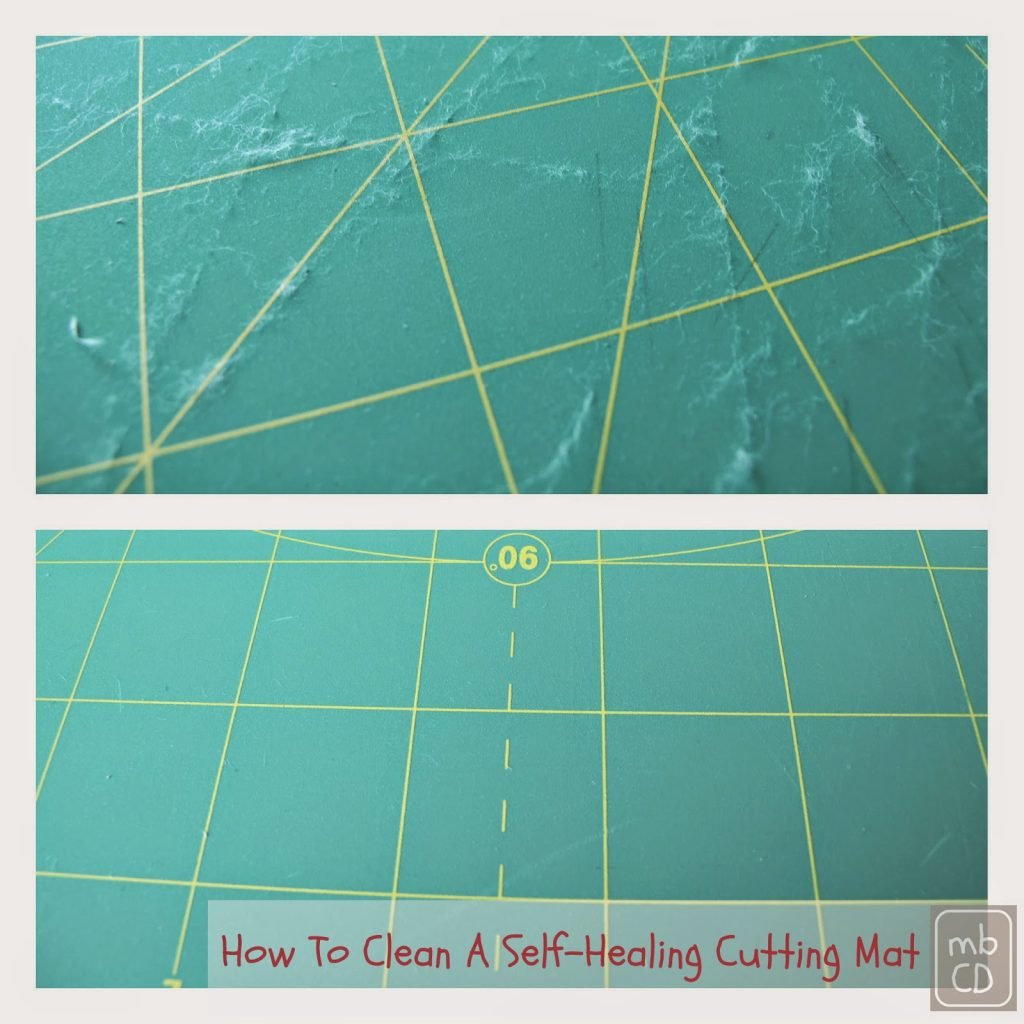
Credit: madebychrissied.blogspot.com
What Are Self-healing Cutting Mats?
Self-healing cutting mats are essential tools for crafters and artists. These mats protect your work surface from cuts and scratches. They provide a resilient surface for cutting paper, fabric, and other materials. Unlike regular mats, self-healing mats have a unique ability to recover from cuts. This feature keeps the surface smooth and reliable for future use.
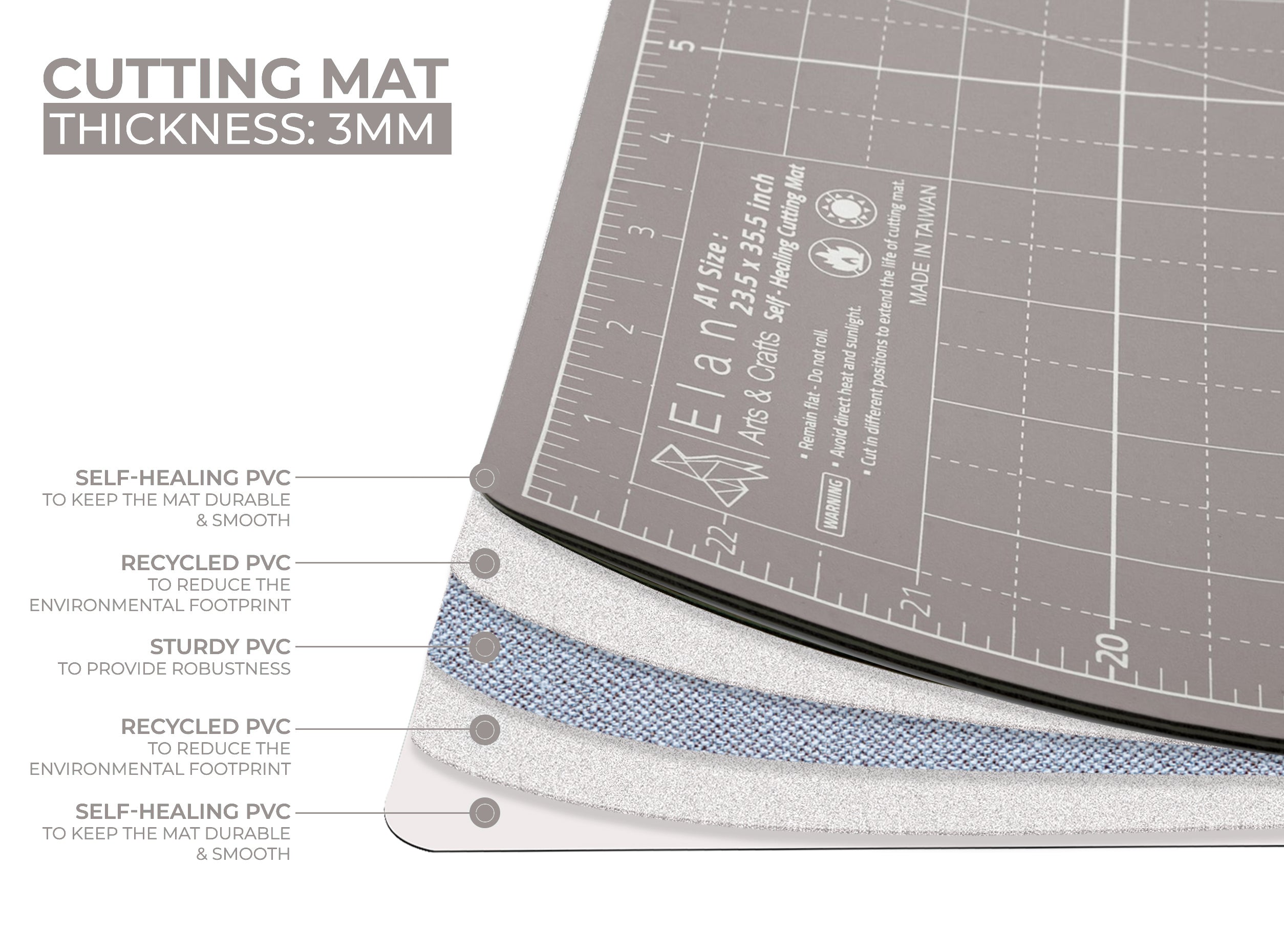
Self-healing cutting mats are made of multiple layers of material. These materials are often vinyl or rubber composites. The outer layer is soft yet durable. This allows the mat to absorb cuts without permanent damage. The layers beneath work together to close cuts over time. This process is what gives the mat its self-healing properties.
Why Choose Self-healing Mats?
Self-healing mats offer several advantages. They extend the life of cutting tools by providing a smooth surface. This helps maintain sharp edges on blades. These mats also reduce the risk of injuries. A stable surface minimizes slip-ups while cutting. Long-lasting and easy to maintain, they are a smart investment for creative professionals.
How Do They Recover From Cuts?
When a blade cuts the surface, the top layer separates slightly. The layers beneath absorb the impact and close the cut. The mat returns to its original state after a short period. This process is quick and efficient. It ensures the mat remains smooth for accurate cutting.
Benefits Of Using Self-healing Mats
These mats offer a clean and safe workspace. They prevent scratches and marks on tables. They are easy to clean and maintain. Simply wipe the surface to remove residue. Their durability means less frequent replacements. This saves time and money over the years.
Materials Used In Self-healing Mats
Self-healing cutting mats are essential tools for crafters, artists, and designers. They provide a smooth surface for precise cuts. These mats are designed to “heal” after cuts, making them durable and long-lasting. Understanding the materials used in these mats can help you appreciate their functionality.
Polymeric Composition
The core material in self-healing mats is polymer. Polymers give the mat its unique healing ability. They are soft yet resilient. When you cut, the polymer allows the blade to pass through. The surface then closes up, leaving no visible marks. This composition increases the mat’s lifespan.
Layered Construction
Self-healing mats often have multiple layers. This layered construction enhances durability. Each layer plays a role in self-healing. The top layer takes the initial cut. The lower layers support and stabilize the surface. These layers work together to maintain the mat’s integrity.
The combination of polymeric composition and layered construction makes these mats reliable. They can withstand regular use while maintaining their quality. Understanding these materials helps you choose the right mat for your needs.
Mechanism Behind Self-healing
Self-healing cutting mats are a favorite among crafters and artists. But how do they work? These mats possess a unique ability to recover from cuts and scratches. This feature keeps them looking and performing like new. The secret lies in their special construction and materials. They consist of multiple layers that allow them to heal over time. Let’s explore this fascinating process further.
Surface Recovery Process
The surface recovery process is a key element in self-healing cutting mats. When a blade cuts the mat, it does not permanently damage the surface. Instead, the mat’s layers separate temporarily and then close back together. This closing action happens due to the mat’s unique materials. The mat surface seems to heal itself. The process keeps the mat smooth and safe for future use.
Role Of Elasticity
Elasticity plays a crucial role in self-healing mats. These mats are made from flexible materials, like PVC or rubber. This flexibility allows the mat to bend without breaking. As a result, the mat can absorb the impact of a sharp blade. Once the blade is removed, the mat returns to its original shape. This elasticity ensures the mat remains durable and effective over time.
Benefits Of Self-healing Mats
Self-healing cutting mats are a game-changer for anyone who regularly works with sharp tools. These mats offer several benefits that make crafting, sewing, or any other cutting tasks more efficient and enjoyable. You’ll find that investing in a self-healing mat can save you time and money in the long run, while also improving the overall quality of your projects.
Durability And Longevity
One of the standout benefits of self-healing mats is their durability. Unlike regular cutting surfaces, these mats can withstand repeated cuts without showing significant wear. Their unique surface composition allows them to recover quickly after each cut.
Imagine never having to replace your cutting mat because of unsightly scratches or grooves. This means you can focus on your projects rather than worrying about the condition of your tools. When you invest in a self-healing mat, you get a long-lasting companion for your creative endeavors.
Protecting Cutting Tools
Have you ever noticed how your scissors or rotary cutters dull over time? Self-healing mats help preserve the sharpness of your cutting tools. The mat’s surface is designed to be gentle on blades, reducing the wear and tear they experience.
Using a self-healing mat can extend the life of your cutting tools, saving you from frequent replacements or sharpening. Your tools stay sharper longer, which enhances your precision and efficiency. Have you considered how much easier your projects could be with consistently sharp tools?
When you choose a self-healing cutting mat, you’re not just purchasing a surface to work on. You’re choosing a partner that enhances your crafting experience by making it more seamless, efficient, and ultimately more enjoyable.
Common Uses In Various Crafts
Self-healing cutting mats are essential in many craft activities. They protect surfaces from damage and keep blades sharp. Their unique design allows them to withstand repeated cuts without showing wear. Let’s explore their common uses in various crafts.
Quilting And Sewing
Quilters need precision and accuracy. Self-healing mats provide a stable cutting surface. They help maintain fabric integrity. Quilters can easily cut patterns without damaging tables. These mats also protect rotary cutters, keeping them sharp. Sewing enthusiasts benefit from the same features. They ensure clean and accurate fabric cuts.
Model Making And Prototyping
Model makers require precision for detailed designs. Self-healing mats offer a reliable surface for cutting. They prevent damage to delicate parts. They support prototyping by allowing repeated cuts. Designers can easily create and modify models. These mats enhance the precision of tools, ensuring accurate cuts every time.
Credit: www.elansupplies.com
Maintenance And Care Tips
Self-healing cutting mats are essential tools for any crafter or artist. They help maintain the sharpness of blades and provide a smooth surface for cutting. To ensure longevity, proper maintenance and care are crucial. Regular care prevents damage and ensures smooth operation. Follow these tips to keep your cutting mat in top condition.
Cleaning Techniques
Keep your mat clean to extend its life. Use a soft brush to remove scraps and debris. Gently wash with mild soap and water if needed. Avoid harsh chemicals. They can damage the mat’s surface. Dry the mat thoroughly before storing it.
Proper Storage Practices
Store your mat flat. This prevents warping. Avoid direct sunlight. Heat can cause the mat to lose its self-healing properties. Keep the mat away from sharp objects when not in use. This prevents accidental cuts or scratches. A clean, dry place ensures the mat stays in good condition.
Choosing The Right Cutting Mat
Choosing the right cutting mat can improve your crafting experience. Not all mats are the same. They differ in size, thickness, and quality. Understanding these differences is key. This ensures you make an informed decision.
Size Considerations
Size matters when selecting a cutting mat. Small mats fit tight spaces. They are easy to store. Larger mats provide more room for bigger projects. They can accommodate various tools and materials. Measure your workspace before buying. This ensures the mat fits perfectly.
Thickness And Quality
Thickness impacts the mat’s durability and performance. Thicker mats last longer. They withstand more cuts. Thin mats are lightweight and portable. Quality is crucial too. High-quality mats self-heal better. They maintain a smooth surface after cuts. This prolongs the mat’s life and keeps your projects neat.

Credit: www.firstmats.co.uk
Myths And Misconceptions
Self-healing cutting mats often come with a sense of mystery. People frequently share myths and misconceptions about their abilities. Some believe these mats repair themselves magically. Others think they can withstand any cutting tool. These misunderstandings can lead to unrealistic expectations. It’s crucial to separate fact from fiction.
Limitations Of Self-healing
Self-healing cutting mats do have limitations. They are not immune to wear and tear. Sharp blades can still damage them over time. Heavy pressure can create permanent grooves. These mats are not invincible. Regular maintenance is necessary to prolong their life.
Clarifying Performance Expectations
Understanding performance is key to using self-healing mats effectively. They can close minor cuts. But they do not completely erase deep cuts. Their surface may appear smooth after light use. This does not mean they are untouched. Expect gradual wear with frequent use. Proper care can help maintain their surface.
Frequently Asked Questions
Are Self-healing Mats Actually Self-healing?
Self-healing mats close cuts made by blades, extending their lifespan. The surface stays smooth after usage. Made from durable materials, they protect work surfaces effectively. Regular use doesn’t degrade their quality, ensuring long-lasting performance. Perfect for crafting and cutting tasks, they offer convenience and reliability.
How Long Do Self-healing Cutting Mats Last?
Self-healing cutting mats typically last several years. Longevity depends on frequency of use and proper maintenance. Regular cleaning and rotating the mat can extend its lifespan. Avoid exposing it to extreme temperatures or direct sunlight to maintain durability. Proper care ensures longer-lasting performance.
How Does A Cutting Mat Heal?
A cutting mat heals through its self-healing surface, made from flexible materials that close cuts. The surface consists of tiny, separate pieces that don’t retain deep cuts, allowing it to “heal” after being sliced. This feature ensures durability and prolonged usability for various cutting tasks.
How To Refresh A Self-healing Cutting Mat?
Clean the mat with warm water and mild soap. Allow it to dry flat. Use cool water to rejuvenate the mat’s surface. Regularly rotate the mat to ensure even wear. Avoid sharp tools to maintain its self-healing properties.
Conclusion
Self-healing cutting mats are an essential tool for many crafters. They provide a smooth surface that repairs itself. This means fewer scars and longer mat life. The secret lies in their special material layers. These layers close up after being cut.
Easy maintenance keeps them in top shape. Simply clean and store properly. Investing in one is wise for any cutting project. They enhance precision and protect your workspace. Understanding their benefits can improve your crafting experience. So, consider adding a self-healing mat to your toolkit.
It could make your crafting smoother and more enjoyable.

I’m Abby Lu, a passionate home cook who loves simplifying everyday meals. At PlugChef.com, I share product reviews and cooking guides to help you find the best tools for your kitchen.
Related posts:
 What Type of Cooking Utensils are Safe: Expert Picks
 What Innovations Could Blenders Make: Unleashing Future Tech
 Smart Strategies to Organize a Small Kitchen: Maximize Space
 How to Organize a Kitchen Cabinet: Expert Tips & Tricks
 How to Organize Kitchen Drawers: Expert Tips and Tricks
 How to Organize a Corner Kitchen Cupboard: Expert Tips

