
Imagine slicing through fresh vegetables on a beautiful bamboo cutting board, feeling the satisfaction of each precise cut. Bamboo cutting boards not only enhance your kitchen aesthetics but also offer durability and sustainability.
However, to keep your bamboo cutting board in prime condition, it requires a bit of love and care. Have you ever wondered how to maintain your bamboo cutting board so it lasts for years? This guide will walk you through simple steps that will keep your cutting board looking new and ensure it’s always ready for your culinary adventures.
Let’s dive in and discover how you can extend the life of your bamboo cutting board, making every meal preparation a delightful experience.
Choosing The Right Bamboo Cutting Board
Regularly oil bamboo cutting boards to keep them from cracking. Clean with mild soap and warm water. Never soak in water. Store in a dry place. Keep them away from heat to maintain their shape.
Choosing the right bamboo cutting board is crucial. It affects your cooking experience and board longevity. Bamboo is eco-friendly, durable, and resistant to moisture. Selecting the best board involves considering several factors. You need to know what makes a board high-quality. You also need to think about size and thickness. These elements will help you make a smart purchase.Quality Indicators
High-quality bamboo cutting boards have a smooth surface. This prevents food particles from getting trapped. Look for boards made from mature bamboo. Mature bamboo is stronger and less likely to crack. A good board should be glued with non-toxic adhesives. This ensures your food stays safe. The board should also have uniform color. Uneven coloring may indicate poor craftsmanship.Size And Thickness Considerations
Size matters when choosing a cutting board. Large boards offer more space for chopping. They are great for big meals. Smaller boards are easier to store. They work well for quick tasks. Thickness affects durability. Thicker boards are more resistant to warping. They offer better stability during use. Consider what you cook most often. Choose a board that fits your needs.Initial Preparation Steps
Begin with cleaning the bamboo cutting board using warm water and mild soap. Dry it completely to prevent mold. Regular oiling keeps the board from drying out and cracking.
Initial preparation steps are crucial for maintaining your bamboo cutting board, ensuring it lasts for years and remains a safe surface for food preparation. These steps are simple yet effective, setting the foundation for a cutting board that resists warping and cracking. By following these initial steps, you’ll keep your cutting board not only functional but also aesthetically pleasing.Cleaning Before First Use
Before using your bamboo cutting board, a good clean is essential. Simply rinse it under warm water and use a mild dish soap to remove any dust or residue from the manufacturing process. Avoid soaking the board in water as bamboo is sensitive to prolonged moisture exposure. Instead, gently scrub the surface using a soft sponge. After washing, dry the board immediately with a clean towel. You might wonder why this initial cleaning is so important. Picture this: you wouldn’t wear a new shirt without washing it first, right? The same principle applies here—cleaning ensures that your cutting board is ready for food contact.Applying Mineral Oil
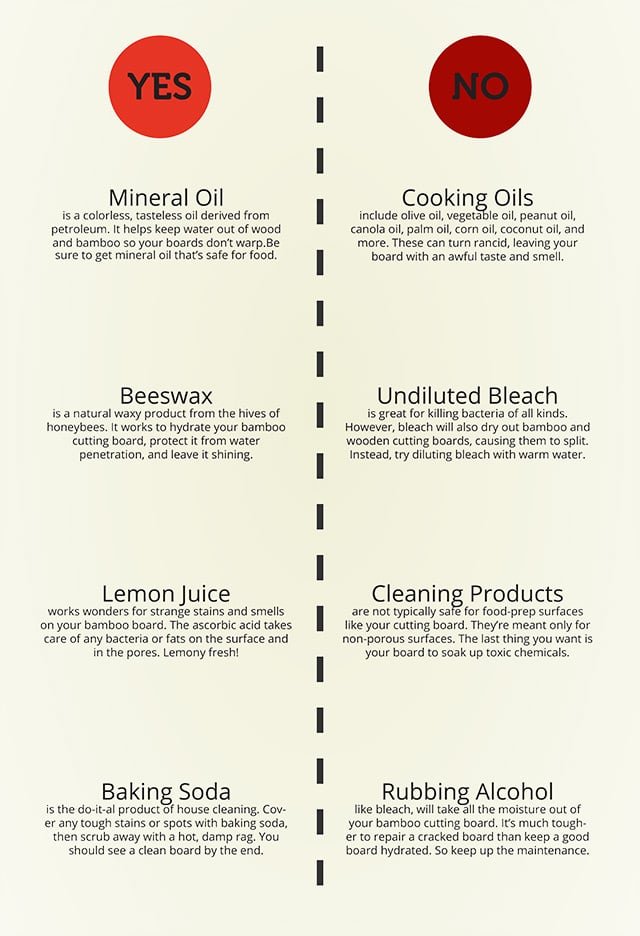
Once your board is dry, it’s time to apply mineral oil. This step is not just a recommendation but a necessity to keep your bamboo cutting board in top shape. Use a clean cloth or paper towel to apply a generous amount of food-grade mineral oil. Make sure to cover the entire surface and edges. Let the oil soak in for at least 20 minutes, allowing the bamboo to absorb the moisture it needs. Why mineral oil? It acts as a protective barrier against water and stains. Without this protective layer, your board can become a breeding ground for bacteria. After the oil has soaked in, wipe off any excess with a dry cloth. Consider repeating this oiling process a few times before the board’s first use to ensure maximum saturation. Have you ever thought about how a little care can extend the life of a product? This is one of those cases where a small effort can make a big difference. Taking these initial preparation steps will give you peace of mind and confidence every time you use your bamboo cutting board.Daily Maintenance Practices
Maintaining a bamboo cutting board daily keeps it fresh and hygienic. Simple care can extend its life and preserve its beauty. Follow easy steps to ensure your bamboo cutting board remains in top condition.
Proper Cleaning Techniques
Wash your bamboo cutting board with mild soap and warm water. Avoid using harsh detergents. They can damage the natural fibers. Scrub gently with a sponge or soft brush. Rinse thoroughly to remove all soap residue.
After cleaning, dry the cutting board immediately. This prevents water absorption and swelling. Never soak the board in water. It can lead to warping and cracking.
Drying And Storing
Dry the bamboo cutting board with a clean towel. Ensure it is completely dry before storing. Moisture leads to mold and bacteria growth. Store the board in a dry and well-ventilated area.
Place the cutting board upright or flat. Avoid direct sunlight which can cause fading. Proper storage maintains its natural color and texture.

Credit: totallybamboo.com
Deep Cleaning Methods
Maintaining a bamboo cutting board involves using gentle cleaning methods. Wash with mild soap and warm water. Occasionally, rub with mineral oil to prevent cracking. Dry thoroughly to avoid moisture damage.
Maintaining your bamboo cutting board ensures its longevity and keeps your kitchen hygienic. While regular cleaning with soap and water is essential, sometimes your board needs a deeper clean to tackle stubborn stains and lingering odors. Below, you’ll find effective methods to restore your bamboo cutting board to its pristine condition.Removing Stains And Odors
Stubborn stains on your bamboo cutting board can be frustrating. A simple yet effective solution is to use a paste made from baking soda and water. Apply the paste to the stained area, let it sit for a few minutes, then scrub gently with a soft brush or sponge. Lemon can also be your ally in removing odors and stains. Cut a lemon in half and rub it directly on the board. The natural acidity of lemon helps lift stains and neutralizes any unpleasant smells. Do you have a favorite food that leaves your board with a lingering odor? Try sprinkling coarse salt over the board, then use a damp cloth to scrub it. This technique not only helps with odors but also provides a gentle exfoliation to the board’s surface.Using Natural Disinfectants
Keeping your cutting board germ-free is crucial. Vinegar is a natural disinfectant that can help. Simply spray white vinegar on the board and let it sit for a few minutes before rinsing with warm water. Alternatively, a hydrogen peroxide solution can be used. Pour a small amount over the board, ensuring it reaches all areas. Let it stand for a couple of minutes, then wipe clean with a damp cloth. Have you ever considered the power of tea tree oil? Add a few drops to a cup of water, then use a clean cloth to wipe your board. This method not only disinfects but also leaves a refreshing scent. Remember, deep cleaning your bamboo cutting board doesn’t have to be a chore. With these methods, you can easily keep your board in excellent condition and ready for your next culinary creation. What’s your go-to method for deep cleaning? Share your tips in the comments!Periodic Conditioning
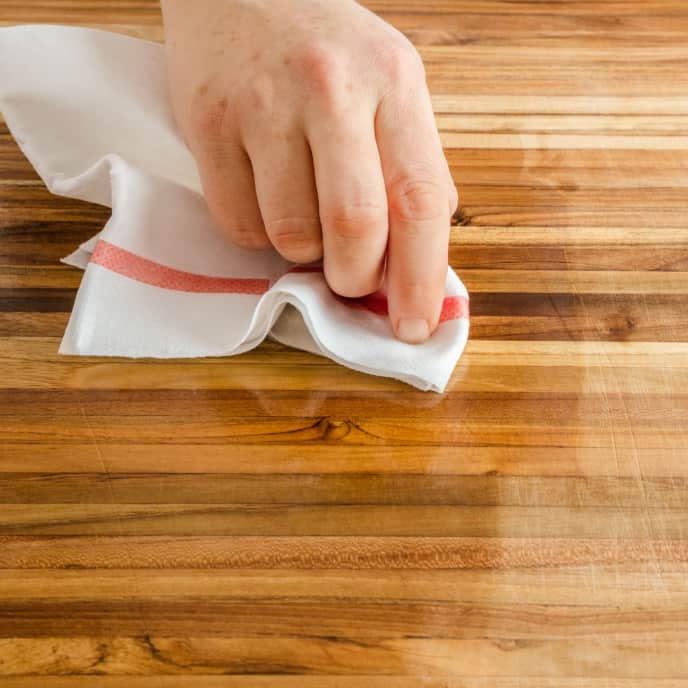
Maintaining a bamboo cutting board isn’t just about cleaning; it’s also about keeping it in peak condition through periodic conditioning. Regularly oiling your board ensures its longevity and beauty. Without this, you risk your board becoming dry and cracked, diminishing its effectiveness and appearance.
How often should you oil your bamboo cutting board? Generally, every month is a good rule of thumb, but it depends on usage. If you’re like me and use your board daily, consider oiling it more frequently. Feel the surface of your board — if it feels rough or dry, it’s time for conditioning.
Observing changes in texture is crucial. A well-conditioned board will feel smooth and hydrated. This tactile feedback can guide you better than any calendar reminder. Do you notice your board showing signs of wear? It might be crying out for some nourishment.
Not all oils are created equal when it comes to conditioning bamboo. Mineral oil is a popular choice due to its affordability and effectiveness. Ensure the oil you choose is food-safe — you wouldn’t want any harmful substances on your board.
Consider using coconut oil for a natural alternative. It’s my go-to choice due to its pleasant scent and natural antibacterial properties. But remember, it can solidify in cooler temperatures, so apply it in a warm environment. What’s your preferred oil for conditioning?
Experimenting with different oils can offer unique benefits. But always make sure they are suitable for bamboo. Your choice could enhance your board’s lifespan significantly, transforming your kitchen experience.
Credit: www.americastestkitchen.com
Avoiding Common Mistakes
Proper care keeps bamboo cutting boards lasting longer. Clean with warm water and mild soap, then dry immediately. Avoid soaking to prevent warping or cracking. Regular oiling maintains the board’s natural moisture, ensuring durability and performance.
Maintaining a bamboo cutting board is essential for its longevity. Many people make mistakes that harm their boards. Understanding these errors can prevent damage. Simple care tips can help keep your board in great shape.Preventing Cracks And Splits
Bamboo cutting boards can crack if not cared for properly. Moisture is a leading cause of cracks. Always dry the board immediately after washing. Store it in a dry place. Avoid leaving it in water for long periods. Regular oiling helps keep the board moisturized. Use mineral oil or a board conditioner. Apply it once a month for best results. This will help prevent splits and cracks.Avoiding Dishwasher Damage
Dishwashers can harm bamboo boards. The heat and water can warp the board. Handwashing is always recommended. Use mild soap and warm water. Rinse thoroughly and dry immediately. Never soak the board in the sink. This helps maintain its structure and appearance. Proper care ensures your board lasts for years.Extending The Lifespan
Keep your bamboo cutting board in top shape by regularly applying mineral oil. Clean it with mild soap and water, then dry thoroughly. Avoid soaking to prevent warping. These simple steps can help extend its lifespan.
A bamboo cutting board is an indispensable tool in any kitchen, offering durability and a touch of elegance. But to truly get the most out of your bamboo cutting board, extending its lifespan is crucial. By focusing on proper handling techniques and regular inspections, you can ensure that this kitchen staple remains in top condition for years.Handling Techniques
How you handle your bamboo cutting board can significantly impact its longevity. Always use both hands to pick it up to avoid putting stress on one side. After washing, dry it immediately with a towel to prevent moisture absorption, which can cause warping. Avoid using one side exclusively; alternate sides to ensure even wear. Use a damp cloth instead of submerging it in water for cleaning. This simple practice helps maintain its shape and prevents cracking.Regular Inspection For Damage
Regularly inspecting your bamboo cutting board can save you from sudden disappointments. Check for small cracks or splits that could harbor bacteria. If you find any, consider sanding them down and applying a bit of mineral oil to seal the surface. Look for signs of warping, which can occur if the board is left wet for too long. If you notice any bending, try placing it on a flat surface with a weight on top to help it return to its original shape. Have you noticed any changes in the board’s texture or appearance? It might be time for a light sanding and a fresh coat of mineral oil. Regular upkeep can make a significant difference in preserving its natural beauty and functionality. By taking these steps, you can ensure your bamboo cutting board remains a reliable and attractive asset in your kitchen. What adjustments will you make to extend your cutting board’s lifespan? Your proactive care can keep it looking as good as new.
Credit: totallybamboo.com
Eco-friendly Disposal Options
Bamboo cutting boards require gentle care to ensure longevity. Regular oiling with food-safe mineral oil keeps them moisturized. Avoid soaking them in water; instead, wipe clean with a damp cloth.
Maintaining a bamboo cutting board involves not only regular cleaning but also considering how to dispose of it responsibly when it’s time to say goodbye. Bamboo is a sustainable resource, making it important to ensure its disposal aligns with eco-friendly practices. Let’s explore some green disposal options that can help you minimize your environmental impact.Recycling Methods
Recycling bamboo cutting boards can be straightforward if you know where to look. Many recycling centers accept bamboo as a recyclable material. It’s worth checking with local facilities to see if they can process bamboo. You might be surprised to learn that some creative recycling initiatives accept bamboo for upcycling. Some community programs turn old bamboo items into new products like furniture or decorative pieces. Give them a call and see if they have a use for your board. If you’re uncertain about local recycling options, websites like Earth911 can help you find nearby centers that accept bamboo. It’s a small step that contributes to a larger cause.Composting Bamboo Boards
Did you know bamboo can be composted? It’s a natural material that breaks down well over time. If you have a compost bin at home, consider adding your bamboo cutting board to the mix. Start by cutting the board into smaller pieces. This speeds up the decomposition process. Place it in your compost pile and let nature do the rest. Don’t have a compost bin? Many cities offer composting programs. Reach out to your local waste management services and inquire about community composting. It’s a great way to turn waste into something beneficial for the environment. Have you ever thought about how your everyday choices impact the planet? By recycling or composting bamboo cutting boards, you contribute to sustainable living. Making a conscious choice today can lead to a greener tomorrow. Wouldn’t you agree?Frequently Asked Questions
Do Bamboo Cutting Boards Need To Be Oiled?
Yes, oil bamboo cutting boards regularly. Oiling prevents drying, cracking, and warping. Use food-grade mineral oil for best results. Apply oil monthly or when the board appears dry. Proper maintenance extends the board’s lifespan. Keep it looking fresh and functional with routine care.
How Do I Maintain A Bamboo Cutting Board?
Clean your bamboo cutting board with warm, soapy water after each use. Dry it immediately to prevent warping. Apply mineral oil monthly to maintain its moisture. Avoid soaking and placing it in a dishwasher. Store in a dry area to prevent mold and bacteria growth.
What Is The Best Way To Seal A Bamboo Cutting Board?
Seal a bamboo cutting board with food-grade mineral oil. Clean the board first and dry it completely. Apply the oil generously and let it soak overnight. Wipe off any excess oil the next day. Repeat monthly to maintain the board’s quality and prevent drying or cracking.
Is It Necessary To Season A Bamboo Cutting Board?
Yes, seasoning a bamboo cutting board is necessary. It protects against moisture damage and maintains its durability. Use food-grade mineral oil for seasoning. Apply oil evenly and let it absorb overnight. Regular maintenance extends the board’s lifespan and keeps it hygienic.
Seasoning also enhances its appearance and prevents cracking.
Conclusion
Caring for your bamboo cutting board is simple. Keep it dry after washing. Use warm soapy water, then towel dry. Apply food-safe oil monthly. This prevents cracks and warping. Avoid soaking in water. Never use a dishwasher. Board stays strong and durable.
Bamboo is eco-friendly. A perfect choice for your kitchen. Regular care extends its life. Enjoy cooking with a clean, smooth surface. Protect your board, enjoy its benefits longer. Follow these steps for a lasting kitchen tool. Bamboo cutting boards offer beauty and function.
Proper maintenance is key. Your board will thank you.

I’m Abby Lu, a passionate home cook who loves simplifying everyday meals. At PlugChef.com, I share product reviews and cooking guides to help you find the best tools for your kitchen.
Related posts:
 What Type of Cooking Utensils are Safe: Expert Picks
 What Innovations Could Blenders Make: Unleashing Future Tech
 Smart Strategies to Organize a Small Kitchen: Maximize Space
 How to Organize a Kitchen Cabinet: Expert Tips & Tricks
 How to Organize Kitchen Drawers: Expert Tips and Tricks
 How to Organize a Corner Kitchen Cupboard: Expert Tips

