
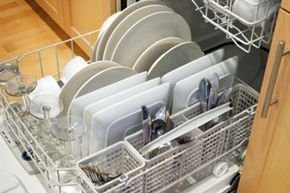
Have you ever stood in your kitchen, staring at a pile of dirty dishes, and wondered if you can just toss your cutting boards into the dishwasher? If you’ve ever questioned whether this simple act could save you time or potentially ruin your favorite kitchen tool, you’re in the right place.
This dilemma isn’t just about convenience; it’s about preserving the quality and longevity of your cutting boards. Imagine the peace of mind knowing you’re cleaning them the right way, without risking damage. As you read on, you’ll discover the answers you need, along with tips that might just transform your kitchen routine.
Don’t you owe it to yourself to uncover the truth about dishwasher safety for cutting boards? Let’s dive in!
Types Of Cutting Boards
Choosing the right cutting board for your kitchen is crucial not only for food safety but also for ease of cleaning. You might often wonder if your cutting board can go in the dishwasher. The answer varies depending on the material. Let’s explore the different types of cutting boards and their dishwasher compatibility.
Wooden Boards
Wooden cutting boards are a favorite among chefs and home cooks. They provide a sturdy surface and prevent knife dulling. However, putting them in the dishwasher can be a bad idea. The heat and moisture can warp the wood and cause it to crack. Consider hand washing your wooden board with warm soapy water. Dry it immediately to preserve its quality.
Plastic Boards
Plastic cutting boards are practical and usually dishwasher safe. They’re lightweight and come in various colors to prevent cross-contamination. Be mindful of deep cuts, though. Bacteria can hide in those grooves. Regularly replace your plastic boards to ensure a safe cooking environment. Toss them in the dishwasher for easy cleaning.
Bamboo Boards
Bamboo boards offer an eco-friendly option. They are harder than typical wooden boards, making them less prone to knife scars. However, bamboo can also suffer in the dishwasher. Like wood, the heat can cause them to warp. Hand wash your bamboo board to extend its life. Consider using mineral oil to maintain its sheen.
Glass And Composite Boards
Glass boards are dishwasher safe and easy to clean. They’re great for cutting fruits and veggies but can dull knives quickly. Composite boards, made from resin or other materials, are also safe for the dishwasher. These boards are durable and resist stains. However, they can be heavy, making them less convenient for everyday use.
Have you ever tossed a cutting board in the dishwasher, only to regret it later? Knowing the material of your cutting board is key to maintaining its longevity. What steps will you take to preserve your favorite kitchen tool?
Dishwasher Safety For Cutting Boards
Dishwasher safety for cutting boards is crucial for kitchen hygiene. Many wonder if dishwashers are safe for their cutting boards. The answer varies based on material and dishwasher settings. Understanding how dishwashers affect cutting boards helps in maintaining their quality.
Water Temperature Effects
High temperatures in dishwashers can warp wooden boards. Plastic boards might withstand heat better. However, excessive heat can damage any cutting board. It may lead to cracks or deformation. Always check your dishwasher’s temperature settings.
Detergent Impact
Detergents are powerful cleaning agents. They can strip natural oils from wooden boards. This may result in dry and brittle surfaces. For plastic boards, detergents are less harmful. Ensure you use mild detergent for all types of boards.
Drying Cycles
Drying cycles are fast in dishwashers. They can cause wooden boards to dry too quickly. This rapid drying may lead to splits or cracks. Plastic boards are usually safe during drying cycles. Always monitor the drying settings for optimal safety.
Wooden Board Care Tips
Proper care extends the life of wooden cutting boards. These boards offer durability and style. They need specific care to maintain their quality. Here are essential wooden board care tips.
Hand Washing Recommendations
Wash wooden boards by hand. Use warm, soapy water after each use. Scrub gently to remove food particles. Rinse thoroughly to prevent soap residue. Dry immediately with a towel. Avoid soaking the board. This prevents water absorption and damage.
Oiling And Conditioning
Regular oiling keeps wooden boards strong. Use food-grade mineral oil for best results. Apply oil every month or when the board looks dry. Spread oil evenly over the surface. Let the board absorb the oil overnight. Wipe off excess oil the next day. Conditioning prevents cracks and preserves the board’s surface.
Avoiding Warping And Cracks
Warping occurs when boards absorb excess moisture. Store boards away from heat sources. Keep them in a dry, ventilated area. Never leave boards in water or wet places. Check for cracks regularly. Repair minor cracks with wood filler. Preventing warping extends the board’s lifespan.

Credit: www.reddit.com
Plastic Board Maintenance
Putting plastic cutting boards in the dishwasher is often safe. It cleans them thoroughly, removing food particles and bacteria. Always check the manufacturer’s guidelines to ensure the board is dishwasher-friendly.
Plastic cutting boards are popular in many kitchens. They’re durable and easy to clean. But improper care can shorten their lifespan. Proper maintenance ensures they stay safe and effective. Here’s how to keep your plastic cutting board in top shape.Safe Dishwasher Use
Plastic boards can often go in the dishwasher. This is a convenient cleaning method. The hot water and detergent remove food particles and bacteria. Place the board on the top rack. This prevents warping from high heat. Check the manufacturer’s instructions before use.Preventing Stains And Odors
Stains and odors can develop over time. Rinse the board immediately after use. This reduces the chance of stains setting in. Use a mixture of baking soda and water to scrub stubborn stains. For odors, a vinegar rinse works well. Let the board air dry completely.Longevity And Replacement
Even with care, plastic boards wear down. Deep cuts can harbor bacteria. Check your board regularly for damage. Replace it when the surface becomes rough. A smooth surface ensures safer food prep. Regular inspection keeps your kitchen safe.Bamboo Board Considerations
Bamboo cutting boards are popular for their durability and eco-friendliness. They offer a unique aesthetic appeal in any kitchen. But can you safely clean them in the dishwasher? Let’s explore what you need to consider for bamboo boards.
Cleaning Techniques
Bamboo boards require gentle cleaning methods. Dishwashers use high heat and strong detergents. These can damage bamboo. Handwashing is the safest option. Use warm water and mild soap. Scrub gently with a soft brush. This helps maintain the board’s natural look.
Never soak bamboo boards in water for long periods. Excessive moisture can warp the material. Dry your board immediately after washing. Use a clean towel for best results.
Preventing Splintering
Bamboo can splinter if not cared for properly. Avoid harsh scrubbing. This reduces the risk of splintering. Regularly oil your bamboo board. Use food-grade mineral oil. Oiling helps preserve the board’s surface. It prevents drying and cracking.
Inspect your board routinely for any signs of wear. Address any issues promptly. This ensures the board remains smooth and safe for use.
Sustainability Benefits
Bamboo is a highly sustainable material. It grows quickly and requires minimal resources. Choosing bamboo supports eco-friendly practices. It reduces reliance on less sustainable materials. This makes bamboo an excellent choice for environmentally conscious individuals.
By properly caring for your bamboo board, you extend its lifespan. This minimizes waste. It aligns with a sustainable lifestyle. Bamboo boards offer both functionality and environmental benefits.
Glass And Composite Board Insights
Explore whether cutting boards made of glass or composite materials are dishwasher safe. Glass cutting boards generally withstand dishwashers well. Composite boards might warp or degrade over time if washed this way. Always check manufacturer instructions to ensure proper care.
If you’ve ever stood at your kitchen sink, staring at a pile of dirty dishes, you might have wondered if tossing your cutting boards into the dishwasher is a good idea. Glass and composite cutting boards often find themselves at the center of this debate. They promise durability and style, but how do they fare in the dishwasher? Let’s break it down.Durability And Heat Resistance
Glass cutting boards are usually heat-resistant. They handle the high temperatures of a dishwasher without breaking a sweat. Composite boards, made from materials like resin and wood fibers, also boast strong durability. However, constant exposure to heat can wear them down over time. Is it worth risking your favorite board’s longevity for convenience? Consider the frequency of your dishwasher use. A quick hand wash might be a better choice for occasional use.Cleaning And Maintenance
Both glass and composite boards are relatively easy to clean. Glass doesn’t absorb odors or stains, making it a breeze to rinse off. Composite boards, meanwhile, resist moisture. Yet, dishwashers can be harsh on them. Over time, the detergent and hot water might dull their finish. Are you prepared to sacrifice a little shine for ease?Risk Of Knife Damage
Glass boards have a reputation for dulling knives quickly. Their hard surface is unforgiving on knife edges. Composite boards, while gentler, can still pose a risk. When you toss these boards in the dishwasher, they might jostle with other items. This movement can exacerbate knife damage, leaving you with dull tools. Do you want to spend more time sharpening your knives than actually using them? In the quest for convenience, weigh these factors carefully. Your cutting board’s longevity, cleanliness, and your knife’s sharpness might depend on it. Do you think the ease of using a dishwasher outweighs the potential risks?General Safety Tips
Ensuring the safety of your kitchen tools is essential. Cutting boards, in particular, require careful handling. This is due to their frequent contact with various food items. Here, we will discuss general safety tips for maintaining your cutting boards effectively.
Avoiding Cross-contamination
Cross-contamination poses a serious health risk. Use separate boards for raw meat, vegetables, and cooked foods. This practice minimizes the transfer of bacteria. Clean each board thoroughly after use. Hot water and soap are effective cleaning agents. Regular sanitation can prevent the spread of harmful germs.
Regular Inspection And Replacement
Inspect your cutting boards regularly for damage. Deep cuts and grooves can harbor bacteria. Replace boards with excessive wear. Wooden boards are more prone to damage than plastic ones. A smooth surface ensures better hygiene. A damaged board can compromise food safety.
Proper Storage
Proper storage keeps your cutting boards in good condition. Store them in a dry, upright position. This prevents moisture buildup. Moisture can lead to mold growth. A dry environment prolongs the board’s lifespan. Ensure they are completely dry before storing. This practice preserves their quality and safety.
Credit: www.reddit.com
Credit: www.reddit.com
Frequently Asked Questions
Is It Okay To Put A Wood Cutting Board In The Dishwasher?
Putting a wood cutting board in the dishwasher can damage it. The high heat and moisture may cause warping or cracking. Hand wash with mild soap and water for best results. Regularly oil the board to maintain its quality and longevity.
Avoid dishwasher exposure to protect your cutting board.
Which Cutting Boards Can Go In The Dishwasher?
Plastic and stainless steel cutting boards are dishwasher safe. Bamboo and wooden boards should be hand washed to prevent damage. Always check the manufacturer’s guidelines to ensure proper cleaning. Avoid placing boards with heavy wear in the dishwasher to maintain their quality and longevity.
Can You Wash All Cutting Boards In The Dishwasher?
Not all cutting boards are dishwasher-safe. Plastic boards usually are, but wooden ones can warp or crack. Bamboo boards may also be sensitive to dishwasher heat. Check the manufacturer’s guidelines to ensure safe cleaning. Always prioritize the board’s material to maintain its longevity and effectiveness.
Why Are Wooden Cutting Boards Not Dishwasher-safe?
Wooden cutting boards can warp or crack in dishwashers. The heat and water exposure damage the wood fibers. This can lead to splitting or warping. Hand washing with mild soap is recommended for wooden boards. Regular oiling also helps maintain their condition.
Conclusion
Dishwasher cleaning for cutting boards depends on the material. Plastic boards handle dishwashers well. Wooden boards may warp and crack. Bamboo boards are durable but require care. Read labels and care instructions for safety. Hand-washing is safer for delicate boards.
Use mild soap and warm water. Dry thoroughly to prevent mold. Regular maintenance extends board life. Choose cleaning methods wisely. Preserve your kitchen tools with proper care. Keep your cutting boards in top condition. Happy cooking!

I’m Abby Lu, a passionate home cook who loves simplifying everyday meals. At PlugChef.com, I share product reviews and cooking guides to help you find the best tools for your kitchen.
Related posts:
 What Type of Cooking Utensils are Safe: Expert Picks
 What Innovations Could Blenders Make: Unleashing Future Tech
 Smart Strategies to Organize a Small Kitchen: Maximize Space
 How to Organize a Kitchen Cabinet: Expert Tips & Tricks
 How to Organize Kitchen Drawers: Expert Tips and Tricks
 How to Organize a Corner Kitchen Cupboard: Expert Tips

