
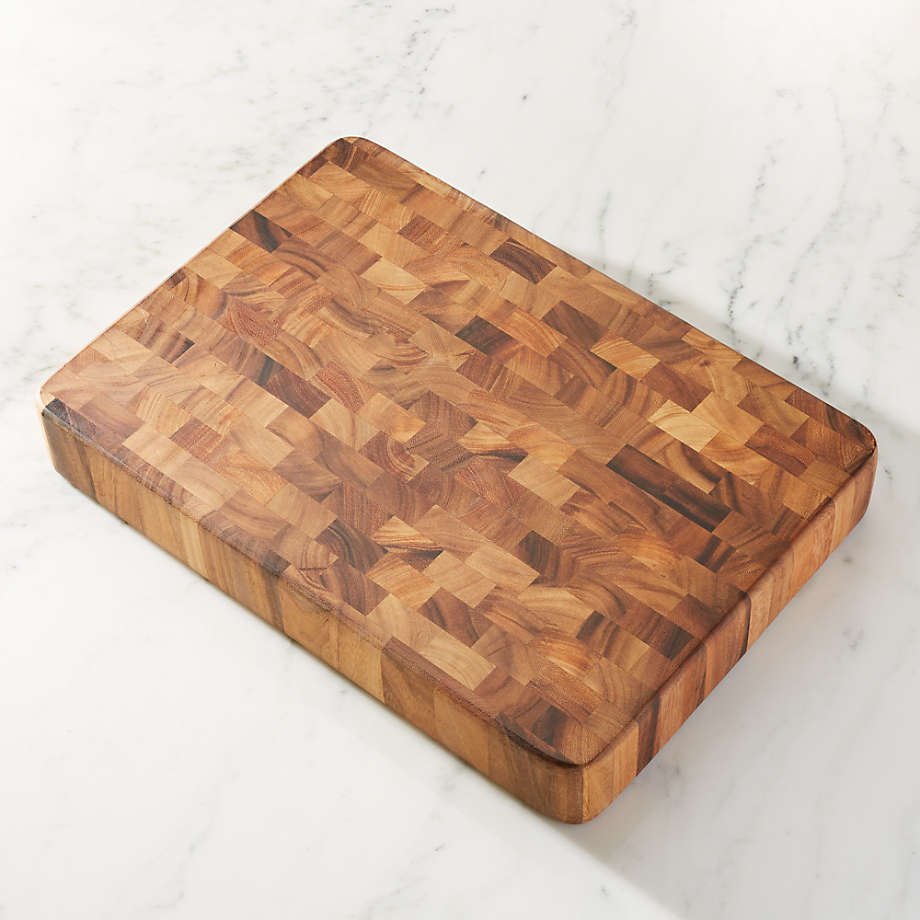
Have you ever wondered why some cutting boards look different from others? If you’re looking to elevate your kitchen game, you might want to consider an end grain cutting board.
This isn’t just a regular piece of wood for chopping vegetables; it’s a tool that enhances your cooking experience. Imagine a board that not only looks stunning but also protects your knives and lasts longer. With its unique construction, an end grain cutting board offers benefits that might surprise you.
Curious to know what makes this type of board a must-have in your kitchen arsenal? Let’s dive into the world of end grain cutting boards and discover why it could be the perfect choice for you.
Credit: grainwoods.com
End Grain Vs. Edge Grain
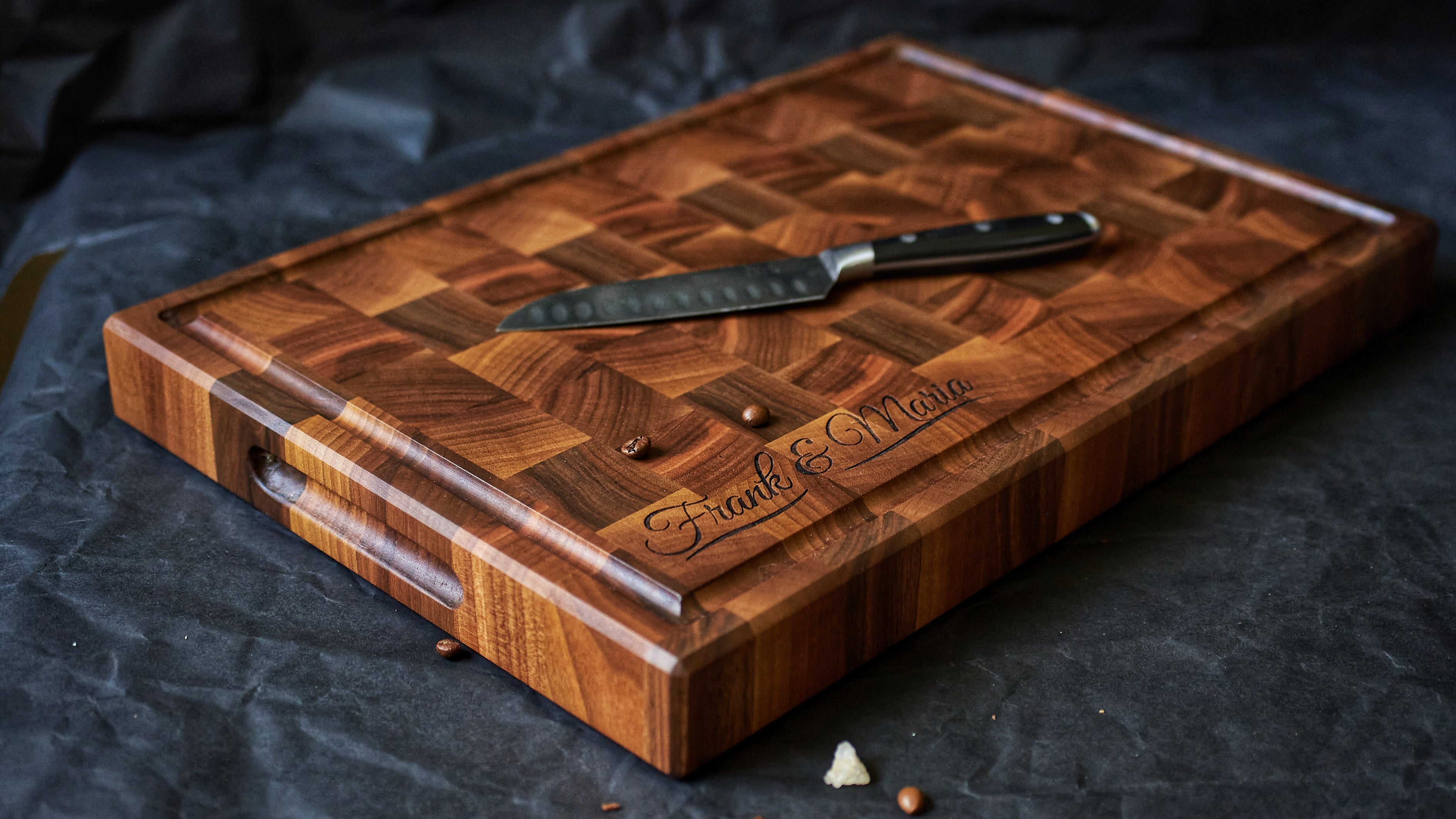
Choosing the right cutting board can be challenging. End grain and edge grain cutting boards are two popular options. They differ in appearance and functionality. Understanding these differences helps make informed decisions.
Material Composition
End grain boards are made by arranging wood fibers vertically. This exposes the ends of the wood fibers. Edge grain boards have wood fibers laid horizontally. Both types use similar wood like maple or walnut. The difference lies in the fiber orientation.
Durability And Longevity
End grain boards are known for their durability. The vertical fibers absorb knife impacts. This prevents deep cuts and extends the board’s life. Edge grain boards are less resistant to knife impacts. They may show wear faster due to horizontal fibers.
Benefits Of End Grain Boards
End grain cutting boards show the wood’s end fibers, making them durable and knife-friendly. These boards heal themselves after cuts. Wood fibers absorb impacts, keeping knives sharper longer.
When it comes to elevating your kitchen game, an end grain cutting board can be a game changer. These boards, crafted with the wood fibers standing upright, offer a unique set of benefits that you won’t find in other cutting boards. Let’s dive into why an end grain board might be the perfect addition to your kitchen arsenal.Knife Friendliness
Your knives will thank you for choosing an end grain board. Unlike traditional boards, the vertical orientation of wood fibers in end grain boards allows the knife to slip between the fibers rather than cut through them. This not only keeps your knives sharper for longer but also gives you a smoother chopping experience. Imagine slicing through a ripe tomato without squishing it. That’s the magic of end grain boards. You’ll notice less resistance, making your cooking prep more enjoyable and efficient.Self-healing Properties
End grain boards have a fascinating ability to “heal” themselves. The wood fibers tend to close back up after being cut, reducing the appearance of knife marks. This means your board will look new and fresh even after years of use. Have you ever noticed how some cutting boards become a scarred mess over time? With an end grain board, the self-healing property ensures longevity, saving you money in the long run.Aesthetic Appeal
End grain boards are not just functional; they are a feast for the eyes. The unique pattern created by the end grain wood is visually striking and can add a touch of elegance to your kitchen. Think of it as a piece of art that doubles as a kitchen tool. Whether you’re hosting a dinner party or just love a beautiful kitchen, an end grain board can be a stunning centerpiece. So, have you ever considered how your choice of cutting board could impact your cooking experience? With the benefits of knife friendliness, self-healing properties, and aesthetic appeal, an end grain board might just be the upgrade your kitchen needs.Choosing The Right Wood
Choosing the right wood for an end grain cutting board is crucial. Different woods offer unique benefits and aesthetics. Whether seeking durability or visual appeal, each wood type brings something special. Understanding these characteristics helps in making an informed decision.
Popular Wood Types
Maple is a top choice for cutting boards. It is hard and dense. This makes it resistant to scratches and dents. Walnut offers rich color and grain patterns. It is softer than maple but still durable. Cherry wood has a smooth texture and warm hue. It darkens over time, adding character. Bamboo is eco-friendly and strong. It’s lightweight and budget-friendly. Each wood has distinct features and benefits.
Sustainability Considerations
Sustainability matters in choosing wood. Bamboo grows quickly and replenishes fast. It’s a sustainable choice. Maple and cherry are often sourced from managed forests. This ensures long-term availability. Walnut can be sustainably harvested with careful practices. Selecting wood from ethical sources supports conservation. Choosing sustainable wood helps protect the environment. It supports responsible forestry practices.
Maintenance Tips
An end grain cutting board is crafted from wood fibers that absorb knife impact, prolonging the blade’s sharpness. Regular oiling prevents drying and cracking, keeping the board durable. Cleaning with mild soap and warm water maintains hygiene, ensuring safe food preparation.
Maintaining your end grain cutting board is crucial to ensure its longevity and performance. A well-cared-for board not only looks good but also serves as a reliable kitchen tool for years. Let’s dive into some practical maintenance tips that will keep your cutting board in top shape.Cleaning And Sanitizing
Start by rinsing your cutting board with warm water immediately after use. This prevents food particles and juices from drying on the surface. Use a mild dish soap and a soft sponge to scrub the board gently. Avoid soaking the board or using a dishwasher, as excessive moisture can cause warping or cracking. After cleaning, dry the board thoroughly with a clean towel. Standing it upright helps it dry completely. Sanitizing is equally important. Mix a solution of one tablespoon of white vinegar to one cup of water. Wipe the board with this mixture to kill bacteria and neutralize odors. Remember to rinse and dry it well afterward.Regular Oiling
A dry cutting board is prone to cracks, affecting its durability. Regular oiling is your board’s best defense. Food-grade mineral oil is a popular choice, as it is safe and effective. Apply the oil using a clean cloth or paper towel. Rub it in the direction of the grain to ensure even coverage. Let the oil soak in for a few hours or overnight. Wipe off any excess oil with a clean cloth. Your board should have a rich, hydrated appearance. Consider oiling your board once a month or when it starts to look dry. Have you ever noticed your cutting board looking dull or feeling rough? Regular oiling not only enhances its look but also improves its performance. Don’t underestimate this simple yet powerful maintenance step. By following these steps, you’ll keep your end grain cutting board in pristine condition, ready to handle all your culinary adventures. How will you make these maintenance tips part of your kitchen routine?Diy End Grain Cutting Board
Creating your own end grain cutting board can be a rewarding project, offering both functionality and a touch of elegance to your kitchen. Unlike ordinary cutting boards, end grain boards are known for their durability and self-healing properties. When you make one yourself, you get to personalize the design and size to fit your needs perfectly. Plus, the sense of achievement you feel every time you use it is unmatched. Have you ever wondered what goes into crafting these beautiful kitchen tools?
Tools And Materials Needed
- Wood:Choose hardwoods like maple, walnut, or cherry for their strength and aesthetic appeal.
- Saw:A table saw or miter saw is essential for cutting precise pieces.
- Clamps:You’ll need these to hold the wood pieces together during glue-up.
- Wood glue:Opt for a waterproof adhesive to ensure longevity.
- Sander:A random orbital sander will help you achieve a smooth finish.
- Mineral oil:This will be used to condition the board once it’s completed.
Having the right tools and materials is crucial. Imagine trying to cut hardwood without a proper saw—it would be a frustrating experience. So, gather your supplies and set up your workspace for success.
Step-by-step Process
- Cut the Wood:Slice your hardwood into uniform strips. Precision is key for a neat pattern.
- Arrange the Pieces:Lay out the strips in a checkerboard pattern. This is where your creativity shines.
- Glue and Clamp:Apply wood glue between the strips and clamp them tightly. Wait for it to dry completely.
- Cut Again:Once dry, cut the board into sections to expose the end grain. This is the magic moment.
- Re-glue and Clamp:Glue and clamp the sections together, forming your final board.
- Sand Smooth:Use a sander to smooth out any rough edges. Feel that silky finish beneath your fingers.
- Oil the Board:Apply mineral oil generously to condition the wood. Watch as it brings out the grain’s beauty.
Each step is a building block toward crafting a piece of art. Can you imagine the satisfaction of seeing your creation come to life? As you move through the process, remember the importance of patience and precision. It’s easy to rush, but taking your time will pay off with a stunning end product.
Creating your own end grain cutting board isn’t just about the end result. It’s a journey of craftsmanship that challenges your skills and rewards your efforts. Are you ready to start this exciting project?

Credit: elliscustomcreations.com
Common Myths
End grain cutting boards are often thought to be fragile. This is not true. They are durable and gentle on knives. Many believe they are hard to clean. Yet, proper care keeps them sanitary. Misunderstandings persist, but these boards remain a favorite for chefs.
End grain cutting boards are a popular choice in many kitchens, thanks to their durability and aesthetic appeal. However, they are surrounded by several myths that might make you second guess your purchase. Let’s clear up some misconceptions.Warping Issues
One myth is that end grain cutting boards warp easily. Have you ever been hesitant to buy one because of this? The truth is, warping is mostly due to improper care rather than a flaw in the board itself. Proper maintenance is key. Regularly oil your board to keep it hydrated. Avoid soaking it in water or leaving it in damp conditions. My own end grain board has stayed flat for years with just a little TLC. Think about it: Would you neglect your favorite pair of shoes? Your board deserves the same care.Cost Vs. Value
Many people think end grain cutting boards are overpriced. This myth often leads to settling for cheaper alternatives that wear out quickly. End grain boards may have a higher upfront cost, but they offer lasting value. Imagine buying a new board every few months because it splits or dulls your knives. Over time, the expenses add up. With an end grain board, you’re investing in quality. They are gentle on knives, reducing sharpening frequency. Plus, they are visually stunning, adding charm to your kitchen. Isn’t it better to invest once in a product that lasts and performs well? Consider the long-term benefits over initial costs. Your kitchen, and your cooking, deserve it.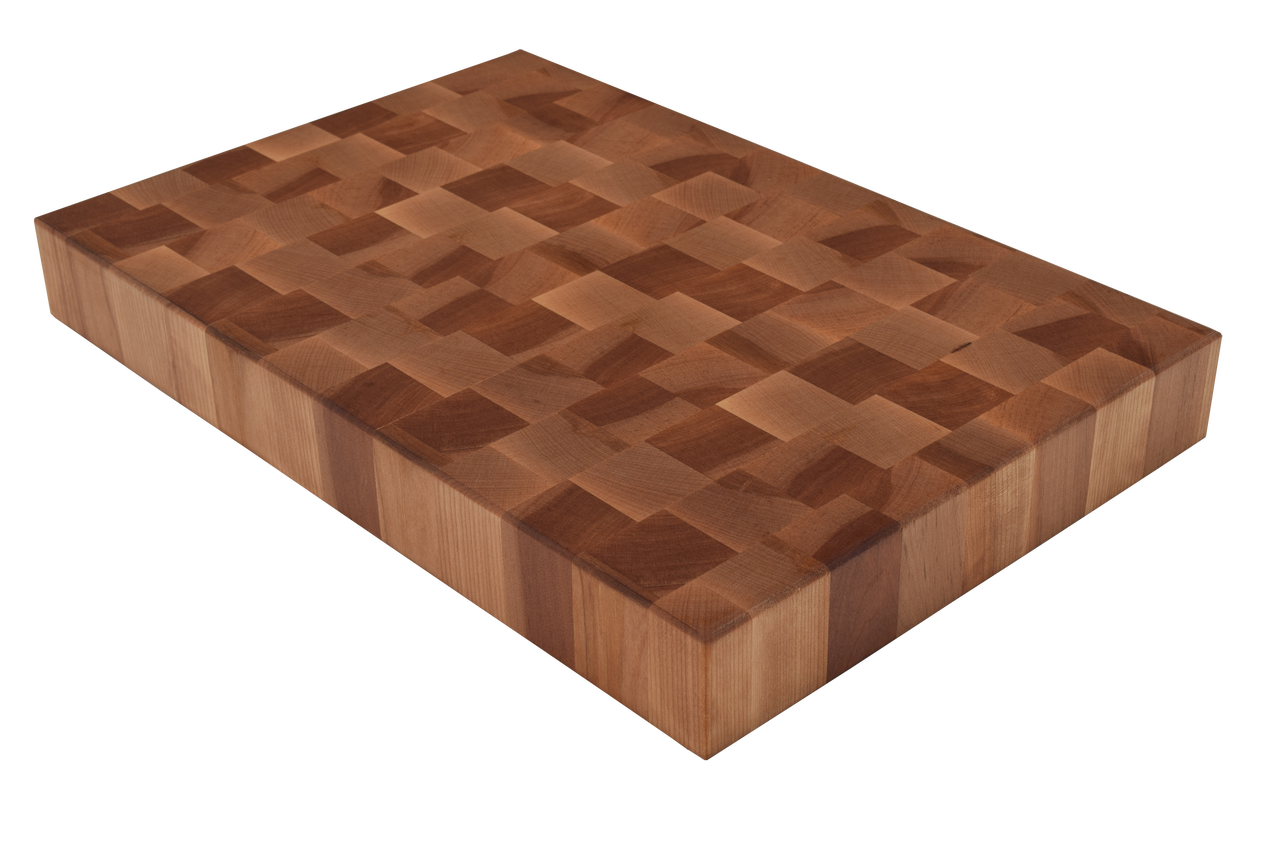
Credit: hardwood-lumber.com
Frequently Asked Questions
Is End Grain Better For Cutting Boards?
End grain cutting boards are superior. They are durable and gentle on knives. They resist scratches and bacteria. Their unique wood pattern adds aesthetic appeal. Choose end grain for a long-lasting, efficient kitchen tool.
What Is The Disadvantage Of An End Grain Cutting Board?
End grain cutting boards can be more expensive and require regular maintenance. They are prone to moisture absorption. Frequent oiling is necessary to prevent warping. These boards are also heavier, making them less portable. Knife marks are more visible, demanding frequent sanding to maintain a smooth surface.
What Type Of Cutting Board Is The Most Sanitary?
Plastic cutting boards are the most sanitary. They are easy to clean and dishwasher safe. Plastic surfaces resist bacteria better than wood. Regular cleaning and sanitization ensure hygiene. Always choose quality, non-porous plastic boards for optimal safety. Replace them when excessively worn or scratched to maintain cleanliness.
Which Grain Is Best For Cutting Boards?
Edge grain is ideal for cutting boards. It offers durability, resists cuts, and maintains a smooth surface. This type of grain is less prone to warping and ensures longevity. Edge grain boards are easy to clean and maintain, making them a popular choice for kitchens.
Conclusion
End grain cutting boards offer unique benefits for kitchen use. They are gentle on knives. They reduce wear and tear. These boards have a distinct look. They enhance any kitchen style. Easy to maintain. Just oil regularly. They last longer with proper care.
Their durability is impressive. Great for everyday cooking tasks. Consider them for your kitchen needs. They combine function and style. Perfect for chefs and home cooks. Make meal prep enjoyable and efficient. A smart investment for your culinary space. Enjoy cutting and chopping with ease.

I’m Abby Lu, a passionate home cook who loves simplifying everyday meals. At PlugChef.com, I share product reviews and cooking guides to help you find the best tools for your kitchen.
Related posts:
 What Type of Cooking Utensils are Safe: Expert Picks
 What Innovations Could Blenders Make: Unleashing Future Tech
 Smart Strategies to Organize a Small Kitchen: Maximize Space
 How to Organize a Kitchen Cabinet: Expert Tips & Tricks
 How to Organize Kitchen Drawers: Expert Tips and Tricks
 How to Organize a Corner Kitchen Cupboard: Expert Tips

