
Imagine reaching for your cutting board only to find it dry, cracked, or stained. Not exactly what you want when preparing a delicious meal, right?
You might not realize it, but your cutting board needs a little TLC to stay in top shape. Mineral oil is the secret weapon in your kitchen arsenal, ready to transform your board from lackluster to lustrous. But how do you use it effectively?
This guide is your ticket to a pristine cutting board that’s both functional and beautiful. You’ll learn the easy steps to oil your cutting board with mineral oil, ensuring it stays in perfect condition for years to come. By the end, you’ll feel confident and empowered to take action, knowing that your kitchen will benefit from this simple yet impactful routine. Keep reading to discover how this small task can lead to big results in your culinary endeavors.
Why Use Mineral Oil
Mineral oil is a popular choice for oiling cutting boards. It offers several benefits that make it ideal for keeping your cutting board in top condition. Understanding why mineral oil is preferred can help you maintain your kitchen tools effectively.
Why Mineral Oil Is Safe
Mineral oil is food-safe. It’s non-toxic and won’t spoil over time. This makes it perfect for surfaces that come into contact with food. Using mineral oil ensures your cutting board remains safe for food preparation.
Benefits For Wood
Mineral oil penetrates deeply into the wood. It keeps the wood hydrated and prevents it from drying out. This reduces the risk of cracks and splits. A well-oiled board lasts longer.
Maintains Board Appearance
Regular application of mineral oil enhances the board’s appearance. It brings out the natural color and grain. This keeps your cutting board looking fresh and attractive.
Easy To Apply
Mineral oil is simple to use. Apply it using a clean cloth. Rub it evenly over the board. Allow it to soak overnight. This ensures complete absorption and provides the best results.
Cost-effective Choice
Mineral oil is affordable. It’s readily available at most stores. You don’t need special tools or skills to apply it. This makes it a practical choice for maintaining your cutting board.
Choosing The Right Mineral Oil
Selecting the right mineral oil keeps your cutting board in top shape. Clean the board well. Apply mineral oil evenly. Let it soak for a few hours. Repeat monthly to maintain freshness and durability.
Choosing the right mineral oil for your cutting board is crucial in maintaining its beauty and functionality. A well-oiled board enhances your kitchen’s aesthetics and ensures the surface remains smooth for chopping. However, picking just any mineral oil isn’t enough; selecting one that is food-safe and free from harmful additives is essential.Food-safe Options
When shopping for mineral oil, prioritize food-safe options. These oils are specifically designed for use on surfaces that come into contact with food. Look for oils labeled as “food-grade” or “USP” (United States Pharmacopeia) to ensure safety. Why is this important? Because your cutting board is where you prepare meals for your family. Using the right oil protects them from harmful substances while keeping your board in top shape.Avoiding Harmful Additives
Many mineral oils on the market contain additives that can be harmful. Some oils might include fragrances or colors that are not safe for food contact. Always check the label for any additional ingredients. Imagine using an oil with unwanted chemicals that could seep into your food. Not a pleasant thought, right? By choosing an additive-free oil, you safeguard your health and maintain the quality of your cutting board. Think about the peace of mind you get knowing your kitchen tools are safe. Isn’t that worth a little extra attention to the products you buy?Preparing The Cutting Board
Oiling a cutting board keeps it in good shape. Start by cleaning the board well. Then, apply mineral oil evenly. Let the oil soak for a few hours. Finally, wipe off extra oil with a clean cloth. This process helps the board stay strong and prevents cracks.
When you’re ready to oil your cutting board with mineral oil, preparation is key. A well-prepared surface ensures the oil penetrates evenly and protects the wood. You don’t want to rush this step; taking the time to prepare the board properly can extend its life and enhance its appearance. Think of it as giving your cutting board a spa treatment.Cleaning The Board
Start by cleaning your cutting board thoroughly. Use mild dish soap and warm water to wash the surface. Scrub gently to remove any food particles or residue. Avoid soaking the board, as excess water can warp the wood. A clean board is essential for the oil to be absorbed effectively. Have you ever noticed a sticky residue after preparing certain foods? That’s why cleaning is crucial. It ensures the oil isn’t blocked by leftover grime.Drying The Surface
Once the board is clean, drying it properly is your next step. Use a clean towel to pat the board dry. Make sure there’s no moisture left, as oil and water don’t mix well. Consider letting the board air dry for a few minutes. A completely dry surface is necessary for optimal oil absorption. Remember a time when you rushed and ended up with a blotchy finish? Taking a few extra minutes for drying can make all the difference.
Credit: totallybamboo.com
Applying Mineral Oil
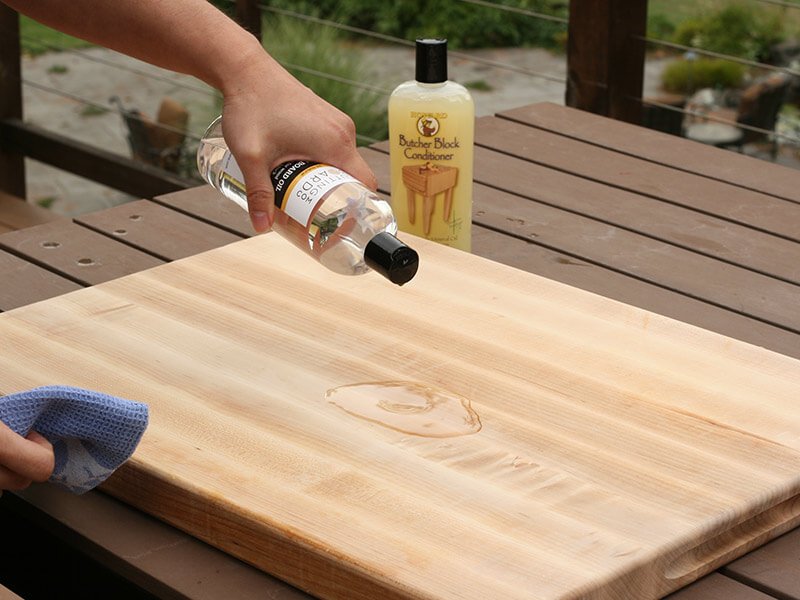
Applying mineral oil to a cutting board keeps it in good condition. First, clean the board thoroughly and dry it. Then, pour a small amount of mineral oil onto the surface and spread it evenly with a cloth. Let it soak overnight for maximum protection.
Repeat monthly for best results.
Applying mineral oil to your cutting board not only enhances its appearance but also extends its life. It’s a simple process that anyone can master. Imagine the satisfaction of seeing your worn-out board transform into a sleek, shiny kitchen tool. Let’s dive into the essentials of oiling your cutting board, ensuring it remains a reliable companion in your culinary adventures.Tools Needed
Before you start, gather a few basic tools. You’ll need a clean, soft cloth or paper towels. A bottle of food-grade mineral oil is crucial—it’s safe and effective for wooden surfaces. Finally, have a soft-bristled brush on hand, which can help you reach any grooves or edges.Step-by-step Process
1. Clean the Board Thoroughly Start by washing your cutting board with warm water and mild dish soap. Ensure it’s completely dry before applying any oil. Any moisture can hinder the oiling process. 2. Apply the Mineral Oil Pour a small amount of mineral oil onto the board. If you’ve ever polished a piece of furniture, you’ll know that less is more. Start with a modest amount; you can always add more if needed. 3. Spread the Oil Evenly Use your cloth or paper towel to spread the oil across the board’s surface. Work in the direction of the wood grain for the best absorption. If you’ve ever painted a wall, you’ll appreciate the importance of even strokes. 4. Let It Absorb Allow the oil to soak into the wood for a few hours, or overnight if possible. This step is crucial for deep nourishment. Think of it like letting a sponge soak up water—patience pays off. 5. Wipe Off Excess Oil Once the board has absorbed the oil, use a clean cloth to wipe away any excess. You want the surface to feel smooth and not greasy. 6. Repeat as Needed Depending on how often you use your board, this process should be repeated monthly or whenever the wood appears dry. Have you ever wondered how often you should oil your board? Frequent use and washing can dry it out faster. By making oiling a regular habit, you ensure your cutting board remains in top shape. So, next time you notice it looking a bit dull, remember this simple routine. Your kitchen deserves tools that are as hardworking as you are!Allowing Oil To Penetrate
Let the mineral oil soak into your cutting board to keep it looking its best. Apply evenly for deep nourishment. Regular oiling extends the life and beauty of your board.
Allowing mineral oil to penetrate your cutting board is crucial. It ensures longevity and optimal performance. Proper penetration keeps the board hydrated and resistant to damage. Mineral oil acts as a barrier. It prevents moisture from seeping in. This process enhances the board’s durability. The wood retains its natural beauty and stays smooth. A well-oiled cutting board also resists stains and odors. This step is essential for maintaining your kitchen tools.Recommended Duration
Leave the oil to penetrate for at least overnight. This gives the board time to absorb the oil. Some boards may need longer. Check for dryness. If dry, apply more oil. Ensure the oil covers the entire surface.Signs Of Proper Absorption
The board should appear darker. This indicates absorption. Touch the surface. It should feel smooth, not greasy. Look for a uniform sheen. If the board absorbs well, it feels nourished. There should be no dry patches. The board should resist water. Test by sprinkling a few drops.Removing Excess Oil
Oiling a cutting board with mineral oil helps prevent drying and cracking. Apply a generous amount, letting the oil soak in overnight. Wipe away any excess to keep the board in perfect condition.
After applying mineral oil to your cutting board, it’s important to remove any excess to prevent a sticky surface. Leaving too much oil can create an uneven finish, affecting the board’s performance and appearance. Ensuring a smooth finish not only enhances the board’s longevity but also maintains its aesthetic appeal.Tools For Removal
To effectively remove excess oil, you’ll need a few simple tools. A soft cloth or paper towel works well for absorbing the surplus. Some people prefer microfiber cloths for their gentle texture and efficiency. You might also consider using a plastic scraper. It’s handy for lifting any oil that hasn’t absorbed into the wood. Just be gentle to avoid scratching the surface.Ensuring A Smooth Finish
Once you’ve removed the excess oil, the next step is to ensure a smooth finish. Gently buff the surface with a clean cloth. This process helps distribute any remaining oil evenly across the board. Inspect your board under light to check for any shiny spots. These are tell-tale signs of excess oil that needs more attention. Have you noticed how a beautifully oiled board seems to glow? That’s the result of careful oil removal and finishing touches. It’s a rewarding process that reflects your care and attention to detail. Don’t rush this step; a few extra minutes can make all the difference. Your cutting board deserves the best care for the countless meals it helps prepare.Maintaining Your Cutting Board
Maintaining your cutting board is crucial for its longevity and hygiene. Regular care ensures your board remains a trusty kitchen companion. Mineral oil is a popular choice for keeping wooden boards in top condition. It helps prevent drying and cracking. Let’s explore how to maintain your cutting board effectively.
Regular Oiling Schedule
Establishing a regular oiling schedule keeps your cutting board in peak condition. Aim to oil your board once a month. New boards may need oiling weekly for the first month. Apply a generous amount of mineral oil. Let the oil soak in for a few hours. Wipe off excess oil with a clean cloth. This routine helps maintain a smooth surface.
Cleaning Tips
Proper cleaning is essential for a healthy cutting board. Wash your board with warm, soapy water after each use. Avoid soaking it in water to prevent warping. Dry your board immediately with a clean towel. For stubborn stains or odors, use a lemon and salt scrub. Rub the board with half a lemon and coarse salt. Rinse well and dry thoroughly. These steps keep your board fresh and ready for use.

Credit: totallybamboo.com
Common Mistakes To Avoid
Keeping your cutting board in top-notch condition requires regular maintenance, and oiling with mineral oil is crucial. However, many people fall into common pitfalls that can damage the board rather than preserve it. Let’s explore some frequent mistakes you should avoid when oiling your cutting board.
Over-oiling
It might seem like more oil means better protection, but over-oiling can lead to a sticky, greasy surface. This excess oil attracts dust and grime, making your board less hygienic. When I started out, I thought slathering on extra oil would make my board last longer. Instead, it turned into a dirt magnet. Apply a thin, even layer and let it soak in overnight. Your board should feel smooth, not oily.
Using Incorrect Products
Not all oils are created equal for cutting boards. Using cooking oils like olive or vegetable oil can lead to rancidity and unpleasant odors. I once tried using olive oil, thinking it was a natural choice. A week later, my board smelled off, and I realized I was encouraging bacteria growth. Stick to food-grade mineral oil, which doesn’t spoil and keeps your board safe for food preparation.
Have you ever considered what your cutting board absorbs? Choosing the right oil isn’t just about maintenance; it’s about hygiene and food safety. Ensure your board remains clean by avoiding common mistakes and using the right products.
Benefits Of Proper Maintenance
Oiling a cutting board with mineral oil extends its life. It prevents cracks and keeps the surface smooth. Proper maintenance ensures the board stays hygienic and durable for years.
Proper maintenance of your cutting board isn’t just about keeping it looking nice. It’s about ensuring its functionality and safety over time. Oiling your cutting board with mineral oil offers several benefits that you might not have considered.Longevity Of The Board
Regular oiling extends the life of your cutting board. Think of it as a small investment that pays off in the long run. A well-maintained board doesn’t crack or warp easily, meaning you won’t need to replace it as often. Have you ever noticed how some cutting boards split after a few months? That usually happens because they weren’t properly maintained. Keeping your board oiled helps it resist the wear and tear of daily use. When you oil your board, you fill in those tiny scratches and cuts. This prevents moisture from seeping in, which can lead to damage over time. You’ll be amazed at how a simple task can save you money and hassle.Hygienic Advantages
A well-oiled board is a cleaner board. When you oil your cutting board, you create a barrier that keeps bacteria and food particles from getting stuck in the wood. This makes your kitchen safer for food preparation. Have you ever wondered why some boards start to smell? That’s often due to food bits getting trapped and harboring bacteria. Regular oiling can help prevent this, keeping your board fresh and odor-free. By maintaining your cutting board, you’re not just keeping it clean but also protecting your family’s health. Isn’t it reassuring to know that a little maintenance can make such a big difference? Isn’t it fascinating how a simple habit like oiling your cutting board can impact its longevity and hygiene? It makes you think about what other small habits could improve your kitchen. What’s your go-to maintenance tip for your kitchen tools? Let us know in the comments!
Credit: www.amazon.com
Frequently Asked Questions
How Long Should I Let A Cutting Board Soak In Mineral Oil?
Let the cutting board soak in mineral oil for 15-20 minutes. Allow it to absorb fully for best results. Wipe off excess oil with a clean cloth. Repeat monthly for optimal maintenance.
How Often Should I Apply Mineral Oil To A Wood Cutting Board?
Apply mineral oil to your wood cutting board once a month. Regular oiling maintains moisture and prevents cracking. Ensure the board is clean before applying. Let the oil soak overnight for best results. Adjust frequency based on usage and climate conditions.
What Is The Best Oil For Oiling A Cutting Board?
Use food-grade mineral oil for oiling cutting boards. It prevents drying and cracking. It’s safe and odorless. Regular application maintains the board’s quality. Avoid vegetable oils, they can become rancid. Mineral oil is cost-effective and widely recommended for wood preservation.
What Is The Best Oil For Cutting Boards?
Mineral oil is ideal for cutting boards. It’s food-safe and prevents wood from drying out. It penetrates deeply to protect against moisture. Unlike other oils, it doesn’t spoil or turn rancid. Regular application ensures your cutting board remains in top condition and prolongs its lifespan.
Conclusion
Oiling a cutting board is simple and effective. Mineral oil keeps it smooth and strong. Regular oiling prevents cracks and dryness. This care extends the board’s life. Follow these steps for best results. Clean it first, then apply oil evenly.
Let it soak for a few hours. Repeat every few months to maintain its condition. A well-oiled board ensures safe and easy chopping. It enhances kitchen hygiene too. Remember, a little care goes a long way. Keep your cutting board happy and healthy with mineral oil.
Enjoy your cooking adventures!

I’m Abby Lu, a passionate home cook who loves simplifying everyday meals. At PlugChef.com, I share product reviews and cooking guides to help you find the best tools for your kitchen.
Related posts:
 What Type of Cooking Utensils are Safe: Expert Picks
 What Innovations Could Blenders Make: Unleashing Future Tech
 Smart Strategies to Organize a Small Kitchen: Maximize Space
 How to Organize a Kitchen Cabinet: Expert Tips & Tricks
 How to Organize Kitchen Drawers: Expert Tips and Tricks
 How to Organize a Corner Kitchen Cupboard: Expert Tips

