
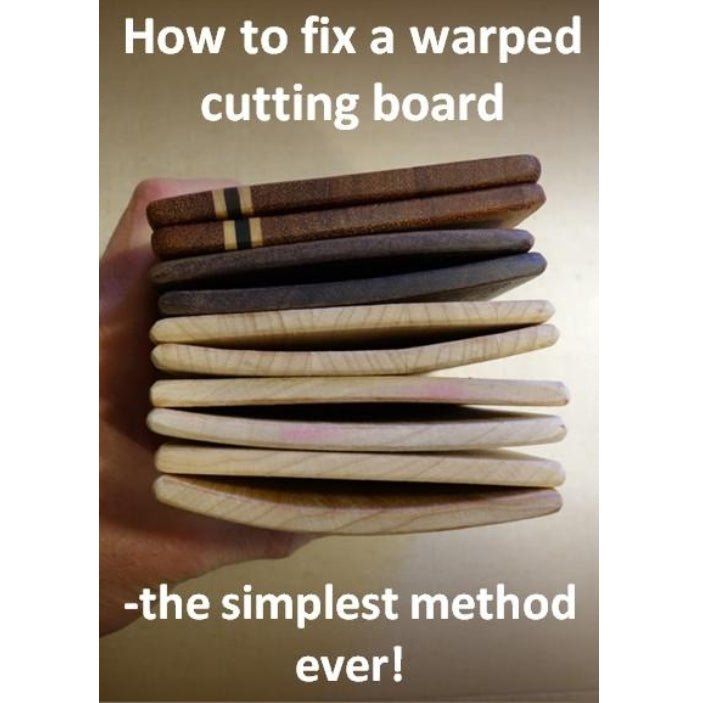
Have you ever reached for your cutting board, only to find it wobbling on your kitchen counter? A warped cutting board can be a real nuisance, making meal prep feel like a balancing act.
But don’t worry, you don’t need to toss it out just yet. You might be surprised to learn that with a few simple techniques, you can restore your cutting board to its flat and functional state. Imagine the satisfaction of slicing and dicing on a sturdy surface once again.
This guide will walk you through the steps to fix your warped cutting board, so you can get back to cooking with ease. Ready to rescue your kitchen essential? Let’s dive in!
Identifying The Warp
Identifying a warp in your cutting board can be challenging, especially if you’re not sure what to look for. But once you know the signs, you can easily spot a warped board and take steps to fix it. Whether you’re chopping vegetables for a salad or slicing a juicy steak, a flat cutting surface is crucial for precision and safety.
Signs Of A Warped Board
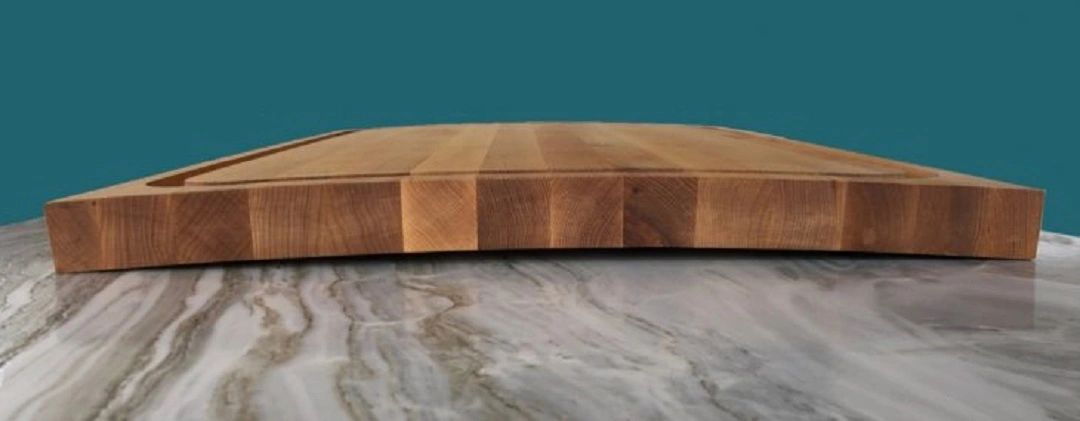
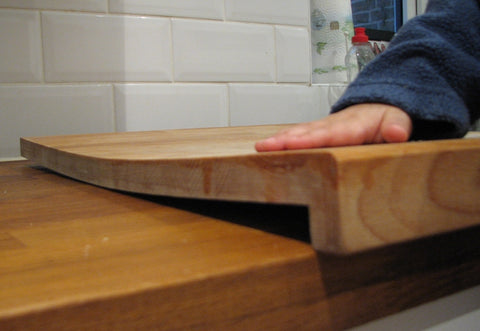
A warped cutting board won’t sit flat on your countertop. You might notice it rocking back and forth as you chop. Another telltale sign is uneven slices. If your veggies look like they’ve gone through a roller coaster, your board might be the culprit. Also, check for gaps between the board and the surface when you apply pressure on different corners.
Have you noticed any of these signs with your board recently? It might be time to take action.
Causes Of Warping
Understanding why your cutting board warped can help prevent future issues. Moisture is a primary cause. Washing your board and not drying it thoroughly can lead to warping. Another reason is exposure to extreme temperature changes. Placing a hot pot directly on your board can cause it to warp.
Think about your routine. Do you leave your cutting board wet after washing? Or maybe you place it near a heat source? Small habits might be affecting your board more than you realize.
Identifying and addressing these issues can save you from tossing out a perfectly good cutting board. What adjustments can you make today to extend the life of your kitchen tools?
Credit: rvacuttingboards.com
Preparation Steps
Fixing a warped cutting board needs careful preparation. This ensures a smooth process and effective results. The right preparation can save time and prevent mistakes. Follow these steps for a successful fix.
Gathering Materials
Start by collecting all the necessary items. You will need a large flat surface, warm water, and towels. Also, gather some heavy books or weights. Each item plays a vital role in the process.
A large flat surface helps in straightening the board. Warm water softens the wood fibers. Towels absorb excess moisture. Heavy books or weights apply pressure to flatten the board. Having everything ready makes the task easier.
Safety Precautions
Safety is important during the process. Warm water can be hot, so handle it with care. Avoid burns by testing the water temperature first.
Ensure the flat surface is stable. A shaky surface can cause accidents. Place the cutting board carefully to prevent slips. Always use dry towels to avoid electric shocks if near outlets. Being cautious ensures a safe and smooth process.
Moisture Treatment
If your cutting board has become warped, moisture treatment can be a game-changer. This technique leverages water to restore the board’s shape, offering a simple yet effective solution. Let’s dive into two methods that can help you fix your warped cutting board using moisture.
Using Water For Correction
Did you know that water can be your ally in fixing a warped cutting board? The trick lies in using just the right amount. Start by soaking your cutting board in lukewarm water. This might sound counterintuitive, but the water helps wood fibers relax and realign.
Once submerged, let it sit for about 10-15 minutes. Be cautious not to over-soak, as this can damage the wood. After soaking, place the board on a flat surface, and let it dry naturally. The weight of the board and the drying process can help flatten it.
Have you ever tried this method? What were your results? It’s fascinating how a simple water bath can make a difference.
Applying Damp Cloth Method
If soaking sounds risky, consider the damp cloth method. This is perfect for those wary of over-wetting their board. Start by dampening a cloth with warm water. Make sure it’s not dripping wet, just moist enough to impart humidity.
Place the cloth over the warped area, then press down gently. Leave it for about 30 minutes. The moisture from the cloth penetrates the wood, allowing it to regain its original form. Afterward, remove the cloth and let the board air dry.
Why not give it a try? It’s a low-risk way to harness the power of moisture for your warped cutting board.
Credit: www.earlywooddesigns.com
Heat Application
Warped cutting boards can often be fixed with heat application. Simply soak the board in warm water for 15 minutes. Then, place it on a flat surface and cover with a damp towel. Apply a gentle iron heat until the board straightens.
When your beloved cutting board becomes warped, it can feel like a small kitchen disaster. But don’t toss it out just yet. Using heat is a practical approach to restore its shape. This method is straightforward and accessible to everyone. Let’s dive into two effective techniques to tackle this issue.Ironing Technique
Have you ever thought of using an iron to fix your cutting board? It might sound unconventional, but it’s surprisingly effective. First, place a damp towel over the warped area of the board. Heat your iron to a medium setting. Gently press the iron onto the towel, moving it in circular motions. This helps the wood absorb moisture and relax back into shape. Repeat the process if necessary. Just be patient and check the board’s progress frequently. This technique can save you from buying a new one.Sun Exposure Method
Harnessing the power of sunlight can also rectify a warped cutting board. Lay the board on a flat surface outside, with the warped side facing up. The sun’s heat encourages the wood to expand and flatten naturally. Keep an eye on the board to avoid overexposure. Too much sun can dry out the wood, leading to cracks. A couple of hours should suffice. Have you experienced the satisfaction of seeing a warped board return to form under the sun? It’s a simple yet rewarding fix. Give it a try and you might find a new appreciation for the sun’s natural abilities. By applying these techniques, you can extend the life of your cutting board. Which method will you try first?Weight Pressing Technique
Fix a warped cutting board using the weight pressing technique. Place a damp towel on the board, then add a heavy item on top. Leave it for several hours to flatten the board effectively.
The weight pressing technique is a simple method for fixing warped cutting boards. This approach uses pressure to flatten the wood. It is effective and requires common household items. No special tools or skills needed. Anyone can do it with ease.Applying Even Pressure
Ensure pressure is evenly distributed across the board. Place the cutting board on a flat surface. Use a towel or cloth underneath to protect your counter. The board must be completely flat before starting. A warped board may have uneven spots. Make sure all parts receive the same amount of pressure. This prevents further warping or damage. Monitor the board closely during the process.Using Heavy Objects
Select heavy objects to apply pressure. Books or pots work well. They are common and easy to find. Place them carefully on the board. Ensure they cover the entire surface. This ensures even pressure on all areas. Check the board regularly. Adjust objects if needed. Leave the board under pressure for several hours. For best results, let it sit overnight. Remove objects and check the board’s flatness. Repeat if necessary.Preventing Future Warping
Prevent future warping of your cutting board by storing it upright and in a dry place. Regularly oil the board to maintain its moisture balance and prevent cracks. Avoid soaking in water, as this can lead to further warping.
Preventing future warping of your cutting board is essential to prolong its life and maintain its functionality. A warped cutting board can be a nuisance in the kitchen, making it hard to chop ingredients evenly. By taking a few simple steps, you can keep your cutting board in top condition and avoid the frustration of dealing with a warped surface.Proper Storage Tips
Proper storage is the first line of defense against warping. Always store your cutting board on a flat surface. This prevents pressure from being applied unevenly, which can lead to warping. Avoid leaning your cutting board against walls or other objects. This might save space, but it can also cause the board to bend over time. Instead, consider using a dedicated rack to keep your cutting boards upright without pressure. Temperature and humidity play a big role in warping. Store your board away from direct sunlight and heat sources like ovens or dishwashers. Extreme conditions can cause the wood to expand and contract, leading to warping.Regular Maintenance
Regular maintenance can significantly reduce the risk of warping. Make it a habit to oil your cutting board once a month. Use a food-safe mineral oil to nourish the wood and keep it from drying out. Clean your board promptly after use. Use warm water and a gentle soap, then dry it thoroughly. Leaving it wet can cause the wood to absorb water, leading to warping. Consider this: Have you ever been frustrated by a warped board after neglecting these simple steps? By dedicating just a few minutes to maintenance, you can save yourself this hassle. Taking care of your cutting board doesn’t have to be a chore. With these tips, you’ll find it easy to keep your board in perfect shape. What steps will you take today to ensure your cutting board stays flat and functional?When To Seek Professional Help
Professional help is necessary if the cutting board remains warped after multiple attempts to flatten it. Persistent warping might indicate deeper issues, needing expert intervention to prevent further damage or health risks.
When you notice your cutting board has warped beyond your DIY skills, it might be time to consider professional help. It’s okay to admit that some tasks are better left to experts. After all, a well-maintained cutting board is essential for a clean and efficient kitchen. Let’s explore when to call in the pros and how to find the right service.Recognizing Severe Warping
How can you tell when your cutting board is beyond self-repair? If it has a significant curve that affects its stability, you’re dealing with severe warping. A warped board can cause accidents in the kitchen, as it wobbles under pressure. Does your board rock like a seesaw on your counter? This is a clear sign of trouble. When the warping is so pronounced that the board doesn’t lay flat, it’s time for professional intervention. Severe warping might also lead to cracks or splits, which are more than just aesthetic issues. These imperfections can harbor bacteria, posing health risks. If your board shows these signs, seeking professional help is a wise choice.Choosing A Professional Service
Now that you’ve decided to seek help, how do you choose the right service? Start by researching local woodworking shops or furniture repair services. Many of these professionals have the skills to restore your cutting board to its original form. Ask for recommendations from friends or family who have had similar repairs done. You could also check online reviews to gauge the quality and reliability of potential services. When contacting a service, inquire about their experience with cutting boards specifically. A shop that regularly works with kitchen items will be better equipped to handle the unique challenges of your board. Consider the cost and compare it to the price of a new board. Sometimes, professional repair is a cost-effective option that extends the life of a cherished kitchen tool. Would you prefer to restore a beloved board or start fresh with a new one? The choice is yours, but now you know how to make an informed decision.
Credit: virginiaboyskitchens.com
Frequently Asked Questions
How Do You Straighten A Warped Cutting Board?
Submerge the warped cutting board in warm water for 10-15 minutes. Place it on a flat surface. Apply gentle pressure with weights until it dries completely. Repeat if necessary for best results.
Can You Flatten A Warped Board?
Yes, you can flatten a warped board. Use moisture, clamps, and heat to reshape it. Sand the board after flattening for a smooth finish.
What Causes A Cutting Board To Warp?
A cutting board warps due to uneven moisture exposure. Water causes wood fibers to expand and contract. Rapid temperature changes, improper cleaning, or soaking in water also contribute to warping. Regularly oiling the board and avoiding dishwasher use helps maintain its shape.
Keep it dry and store it flat to prevent warping.
How To Unwarp A Butcher Block?
Place the butcher block on a flat surface. Apply moisture evenly using a damp cloth. Weigh it down with heavy objects. Let it sit for 24-48 hours. Repeat if necessary until the block flattens. Apply mineral oil to maintain condition.
Conclusion
Fixing a warped cutting board can be simple. Start with proper cleaning. Use warm water and mild soap. Dry it immediately to prevent warping. For minor warps, try using moisture and pressure. Wet the board slightly and place a heavy object on it.
Let it sit for a few hours. For severe warps, consider sanding it down. Apply mineral oil regularly to maintain its condition. Remember, prevention is key. Store your cutting board properly. Keep it away from direct sunlight and heat. Follow these steps for a smooth, flat cutting board.
Enjoy your cooking experience!

I’m Abby Lu, a passionate home cook who loves simplifying everyday meals. At PlugChef.com, I share product reviews and cooking guides to help you find the best tools for your kitchen.
Related posts:
 What Type of Cooking Utensils are Safe: Expert Picks
 What Innovations Could Blenders Make: Unleashing Future Tech
 Smart Strategies to Organize a Small Kitchen: Maximize Space
 How to Organize a Kitchen Cabinet: Expert Tips & Tricks
 How to Organize Kitchen Drawers: Expert Tips and Tricks
 How to Organize a Corner Kitchen Cupboard: Expert Tips

