
Imagine slicing through a fresh loaf of bread or chopping vibrant vegetables on a surface that’s not only durable but eco-friendly. You’re probably wondering, is bamboo good for a cutting board?
As someone who values both functionality and sustainability in your kitchen, you deserve to know if bamboo is the right choice for you. This introduction is just the beginning of unlocking the secrets behind bamboo cutting boards. Discover how they can enhance your cooking experience, protect your knives, and contribute to a greener planet.
Intrigued? You should be. Stick around to find out why bamboo might just be the perfect addition to your culinary toolkit.
Bamboo Characteristics
Bamboo has emerged as a popular material for cutting boards. Its unique characteristics make it an attractive choice for kitchens. But what exactly sets bamboo apart? Let’s delve into its sustainability and durability.
Sustainability
Bamboo is celebrated for its eco-friendly nature. Unlike hardwoods, bamboo grows incredibly fast, reaching maturity in just three to five years. This rapid growth means that it can be harvested frequently without deforestation concerns.
Have you ever thought about how your choices impact the planet? Opting for bamboo can be a step towards reducing your carbon footprint. It’s a renewable resource that regenerates quickly, making it a sustainable option for environmentally conscious consumers.
Durability
Bamboo is known for its strength. Despite being a grass, its fibers are harder than most woods. This characteristic makes bamboo cutting boards tough and long-lasting.
If you’ve ever had a cutting board that quickly showed knife marks, you’ll appreciate bamboo’s resilience. Bamboo cutting boards resist scratches and can withstand heavy use. Their durability ensures you won’t have to replace them frequently, saving you money in the long run.
Have you considered how a durable cutting board could simplify your cooking routine? With bamboo, you get a reliable surface that stands the test of time, supporting your culinary endeavors without constant wear and tear.
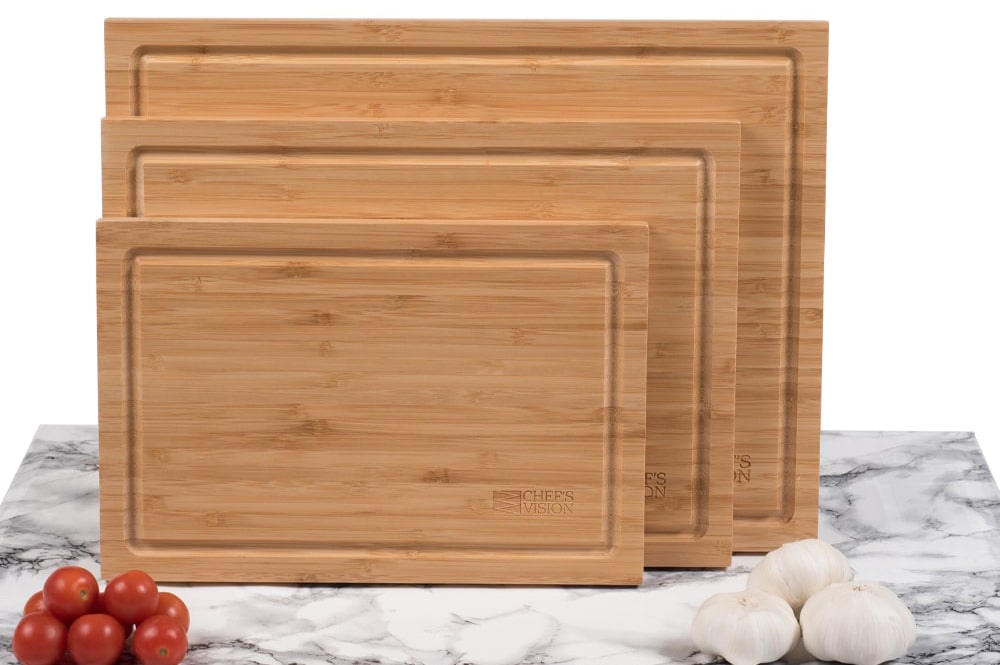
Credit: chefsvisionknives.com
Benefits Of Bamboo Cutting Boards
Bamboo cutting boards offer a range of benefits for your kitchen. They are a popular choice due to their sustainable nature. Bamboo is a renewable resource. It grows quickly and requires fewer resources. This makes it an excellent choice for eco-conscious consumers. Additionally, bamboo cutting boards are known for their durability and affordability. Let’s explore the specific advantages they bring to your cooking space.
Eco-friendly Choice
Bamboo is a sustainable resource. It grows much faster than traditional wood. This rapid growth reduces environmental impact. Bamboo can be harvested in just a few years. This makes it an excellent choice for those who care about the planet. Choosing bamboo means supporting sustainable practices.
Knife Preservation
Bamboo cutting boards are gentle on knives. The surface is firm yet forgiving. This helps keep your knife blades sharp. A sharp knife is safer and more efficient. Bamboo’s smooth surface reduces wear and tear. Your knives will last longer with bamboo.
Cost-effectiveness
Bamboo cutting boards are affordable. They offer great value for their price. Bamboo is less costly than many hardwoods. It is durable, so it won’t need replacing often. This makes bamboo an economical choice for any kitchen.
Comparing Bamboo To Other Materials
When choosing the right cutting board for your kitchen, the material plays a crucial role in its performance and longevity. Bamboo is often recommended for its durability and eco-friendliness. But how does it stack up against other common materials like wood and plastic? Let’s dive into the specifics and see how bamboo fares in these comparisons.
Wood Vs. Bamboo
Wooden cutting boards are a staple in many kitchens. They offer a classic look and are gentle on knife edges. However, they can absorb odors and stains over time. Bamboo, on the other hand, is less porous, making it more resistant to bacteria and odors.
One day while chopping veggies on my old wooden board, I noticed a lingering smell from last night’s garlic. Switching to bamboo made a noticeable difference—no more unwanted scents. Bamboo boards are also lighter and easier to handle, making them a favorite for quick kitchen tasks.
Consider your maintenance routine: Wooden boards often require regular oiling, whereas bamboo is low-maintenance. Do you prefer spending less time on upkeep?
Plastic Vs. Bamboo
Plastic boards are popular due to their affordability and dishwasher-friendly nature. Yet, they can be harsh on knives and tend to wear out quickly, leaving grooves that can harbor bacteria. Bamboo offers a sturdier surface that remains gentle on your blades.
I once used a plastic board for a barbecue party, only to find it scratched beyond repair by the end of the day. Bamboo boards hold up better to vigorous chopping and slicing without showing signs of wear. They also bring an aesthetic appeal to your kitchen setup.
If you’re keen on sustainability, bamboo is a renewable resource, unlike plastic. Have you considered how your kitchen choices impact the environment?
Choosing the right material for your cutting board ultimately depends on your priorities—whether it’s durability, hygiene, or environmental impact. So, which one speaks to your kitchen needs?

Credit: chefsvisionknives.com
Care And Maintenance
Bamboo cutting boards are popular for their durability and eco-friendliness. Proper care and maintenance can prolong their lifespan. This ensures they remain a staple in your kitchen. Regular cleaning and preventive measures help maintain their natural beauty.
Cleaning Tips
To clean a bamboo cutting board, use warm water and mild soap. Avoid soaking it in water. This prevents warping and maintains the board’s integrity. After washing, dry the board immediately with a towel. Allow it to air dry completely before storing. Occasionally, use a mixture of vinegar and water to disinfect the surface.
Avoiding Cracks
Prevent cracks by oiling your bamboo board regularly. Use food-grade mineral oil or bamboo oil. Apply a thin layer over the entire surface. Let it soak for a few hours, then wipe off the excess. Avoid placing the board in direct sunlight. Keep it away from extreme temperatures. These practices ensure your bamboo cutting board stays in excellent condition.
Common Concerns
Bamboo cutting boards are popular for their durability and eco-friendliness. Yet, some people have common concerns about their use. Are they really water-resistant? Do they cause allergies? Let’s explore these issues.
Water Resistance
Bamboo is naturally water-resistant. It does not absorb moisture easily. This makes it a good choice for kitchen use. Proper care keeps it from warping or cracking. Regular oiling helps maintain its water resistance. Avoid soaking bamboo boards in water. This ensures they last longer.
Potential Allergies
Some worry about allergies from bamboo. Bamboo itself is not usually allergenic. Contact allergies from bamboo are rare. Yet, some boards have added chemicals. These might cause reactions. Check for boards with no added chemicals. This minimizes allergy risks.
Choosing The Right Bamboo Cutting Board
Bamboo cutting boards are popular for their durability and eco-friendliness. They resist knife scarring and are easy to clean. Bamboo’s natural properties also make it less likely to harbor bacteria, offering a hygienic option for your kitchen.
Choosing the right bamboo cutting board can elevate your kitchen experience, both in terms of functionality and aesthetics. Bamboo is a popular choice, known for its durability and eco-friendly nature. But how do you select the best one for your needs? Here’s a guide to help you navigate the options and make the right decision.Size Considerations
When selecting a bamboo cutting board, size is a crucial factor. Think about the space on your countertop and the types of meals you typically prepare. A large board is ideal if you enjoy cooking meals with lots of ingredients, as it provides ample space to chop without crowding. However, a smaller board might be more practical for quick meal prep or if you have limited storage. I once opted for a board that was too big for my tiny kitchen, and it ended up being more of a nuisance than a help. Consider what will fit best in your kitchen and suit your cooking style.Thickness Matters
The thickness of a bamboo cutting board can influence its durability and performance. Thicker boards are generally more stable and less likely to warp over time. If you do a lot of heavy chopping or use a cleaver, a thicker board will provide the support you need. On the other hand, thinner boards are lighter and easier to move around, making them a good option if you need to carry your board from counter to table. However, they might not last as long with frequent, heavy use. What’s more important to you: mobility or longevity? By considering these aspects, you can choose a bamboo cutting board that perfectly suits your kitchen needs. Would you prioritize size, thickness, or perhaps another feature entirely?
Credit: www.kitchenknifeguru.com
Frequently Asked Questions
What Are The Disadvantages Of Bamboo Cutting Boards?
Bamboo cutting boards can dull knives quickly due to their hard surface. They may absorb stains and odors easily. Regular oiling is required to prevent cracking. Some boards may splinter over time. Bamboo is less resistant to heat and moisture compared to other materials.
Are Bamboo Cutting Boards Safe For Raw Meat?
Bamboo cutting boards are generally safe for raw meat. They are durable and naturally antimicrobial. Ensure thorough cleaning after use. Use separate boards for meat and vegetables to prevent cross-contamination. Regular maintenance, like oiling, helps maintain their condition and safety.
What’s A Better Cutting Board, Wood Or Bamboo?
Wood cutting boards are durable and gentle on knives, ideal for heavy chopping. Bamboo is eco-friendly, harder, and less porous, which reduces bacteria growth. Choose wood for longevity, bamboo for sustainability. Both options offer unique benefits, depending on your priorities.
Does A Bamboo Cutting Board Last?
Yes, a bamboo cutting board can last long with proper care. It’s durable, resistant to knife marks, and eco-friendly. Regular oiling and avoiding soaking help maintain its quality. Bamboo’s natural antimicrobial properties also make it a hygienic choice for kitchen use.
Conclusion
Bamboo cutting boards offer many benefits. They are eco-friendly and durable. Lightweight, yet sturdy. They resist knife scars better than others. Easy to clean and maintain. Bamboo doesn’t dull knives quickly. It’s a smart choice for kitchens. Affordable, too. Suitable for everyday use and special occasions.
Keeps your kitchen stylish and functional. Consider bamboo for your next cutting board purchase. A wise decision for both you and the environment. Explore the benefits today and enjoy a cleaner kitchen experience. Your cooking will thank you.

I’m Abby Lu, a passionate home cook who loves simplifying everyday meals. At PlugChef.com, I share product reviews and cooking guides to help you find the best tools for your kitchen.
Related posts:
 What Type of Cooking Utensils are Safe: Expert Picks
 What Innovations Could Blenders Make: Unleashing Future Tech
 Smart Strategies to Organize a Small Kitchen: Maximize Space
 How to Organize a Kitchen Cabinet: Expert Tips & Tricks
 How to Organize Kitchen Drawers: Expert Tips and Tricks
 How to Organize a Corner Kitchen Cupboard: Expert Tips

