
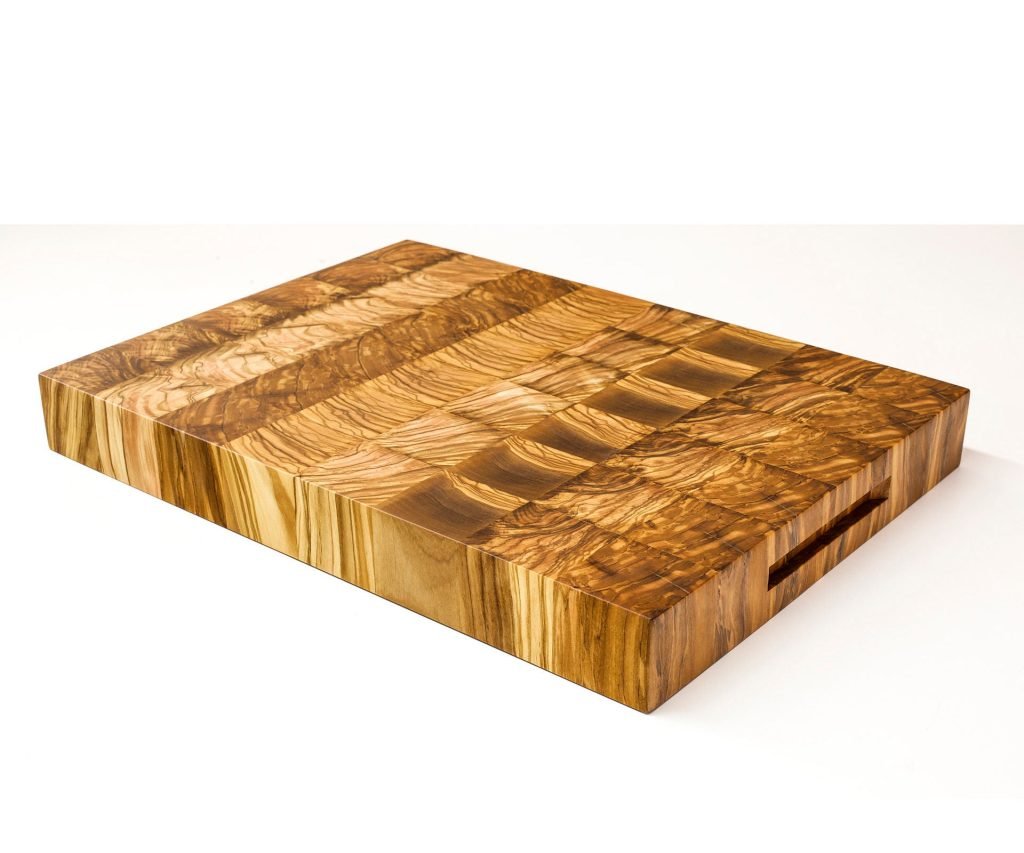
Imagine you’re in your kitchen, ready to prepare a delicious meal. You reach for your cutting board, but pause, wondering if you’ve chosen the right one.
Could olive wood be the answer to all your culinary needs? You deserve a cutting board that not only looks stunning but also performs exceptionally well, and olive wood might just be the perfect choice. It’s not only about aesthetics; it’s about functionality and durability.
As you continue reading, you’ll discover why olive wood cutting boards might be the best investment for your kitchen. Get ready to uncover the surprising benefits and unique features that make olive wood a standout choice. Keep reading to find out how this remarkable material can elevate your cooking experience and make every meal preparation a pleasure.
Olive Wood Characteristics
Olive wood offers a hard, durable surface, ideal for cutting boards. Its unique grain and resistance to moisture make it a preferred choice. The board’s natural beauty and longevity enhance kitchen experiences.
Olive wood has been gaining popularity as a choice material for cutting boards, and for good reason. Its unique characteristics make it stand out in the kitchen, offering both functionality and aesthetic appeal. Whether you’re a seasoned chef or a home cook, olive wood cutting boards might just be the upgrade you need.Natural Hardness
Olive wood is renowned for its natural hardness. This quality makes it an ideal surface for chopping, slicing, and dicing. Unlike softer woods, olive wood resists deep cuts, which means your board will look new for longer. This hardness also protects your knives, preventing them from dulling quickly. Have you ever noticed how some cutting boards seem to wear down your blades? With olive wood, you can enjoy the balance of a sturdy surface that’s still gentle on your knives.Unique Grain Patterns
One of the standout features of olive wood is its unique grain patterns. Each piece of olive wood is a work of art, with swirling patterns and rich, warm tones. When you choose an olive wood cutting board, you’re not just selecting a kitchen tool; you’re adding a piece of natural beauty to your home. These patterns ensure that no two boards are exactly alike, making your cutting board a one-of-a-kind item. Imagine preparing your meals on a board that feels both personal and special. This distinctive appearance can even make kitchen tasks feel more enjoyable.Sustainability
Sustainability is a growing concern for many consumers. Olive wood, sourced responsibly, is a sustainable choice. Olive trees are typically harvested for their fruit, and the wood is a byproduct, ensuring that no part of the tree goes to waste. Using olive wood aligns with eco-friendly practices, reducing your carbon footprint. By choosing an olive wood cutting board, you’re supporting sustainable forestry practices. Isn’t it satisfying to know that your kitchen choices can contribute to a healthier planet? Olive wood cutting boards offer a blend of durability, beauty, and sustainability that’s hard to beat. Have you considered adding this remarkable material to your kitchen arsenal?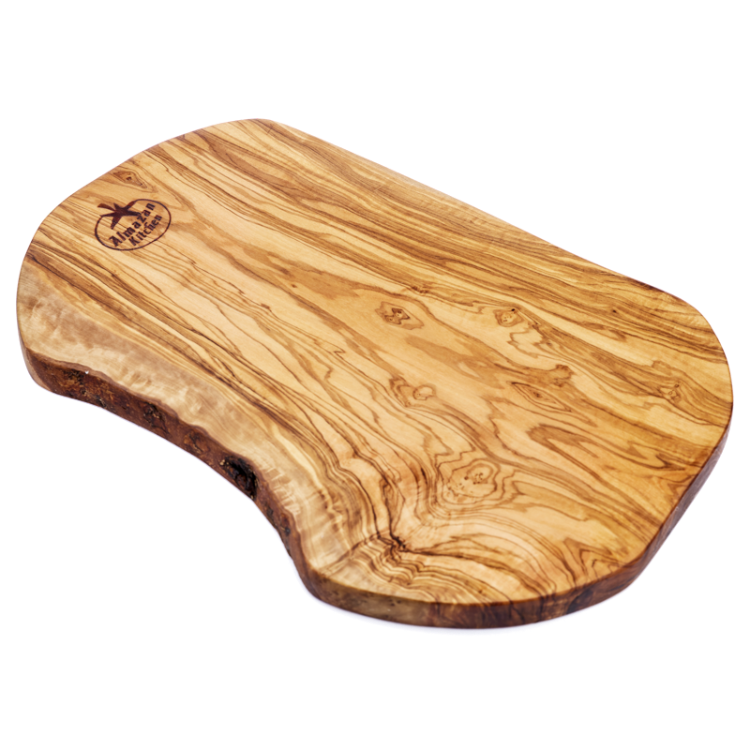
Credit: almazankitchen.com
Benefits Of Olive Wood Cutting Boards
Olive wood cutting boards offer durability and unique beauty. Their dense grain resists stains and odors, ensuring lasting freshness. Naturally antibacterial properties make them a safe choice for food preparation.
Thinking about upgrading your kitchen tools? Olive wood cutting boards might be your perfect match. They are gaining popularity for a reason. Let’s dive into the benefits that make them a standout choice.Durability And Longevity
Olive wood is incredibly dense and strong. This means your cutting board can withstand heavy chopping without getting damaged. It might just outlast many other kitchen tools you own. Ever worried about your cutting board warping or cracking? Olive wood’s natural oils help prevent these issues, ensuring it stays in great shape for years. You could be using it for your culinary adventures for a long time.Aesthetic Appeal
Imagine a cutting board that doubles as a centerpiece on your kitchen counter. Olive wood’s unique grain patterns make it visually stunning. Each board is like a piece of art, with no two looking the same. Its rich, warm tones can complement any kitchen decor. Whether you’re preparing a meal or displaying a cheese platter, olive wood adds a touch of elegance.Natural Antibacterial Properties
Concerned about germs lingering on your cutting board? Olive wood has natural antibacterial properties. This means it can help reduce the risk of bacteria spreading in your kitchen. Why settle for materials that absorb and retain bacteria? Olive wood’s dense surface makes it less likely to harbor harmful germs. It’s an extra layer of protection for your family’s health. Have you ever experienced the benefits of an olive wood cutting board? If not, you might be missing out on a game-changer for your kitchen. Its advantages go beyond just being a place to chop veggies.Comparing Olive Wood To Other Woods
Choosing the right wood for a cutting board is crucial. Each type of wood offers unique benefits and characteristics. Olive wood is known for its distinct appearance and durability. Let’s explore how olive wood measures up against other popular choices.
Maple Vs. Olive Wood
Maple is a classic choice for cutting boards. It’s hard and dense, making it durable. Olive wood, on the other hand, is softer but more resistant to scratches. Maple has a uniform, light color. Olive wood features a striking grain pattern. The natural oils in olive wood help protect against bacteria. Maple requires regular oiling to maintain its condition.
Bamboo Vs. Olive Wood
Bamboo is sustainable and eco-friendly. It grows faster than other woods. Olive wood comes from older trees, often as a byproduct. Bamboo is lightweight but can dull knives quickly. Olive wood is heavier and gentler on knives. Bamboo boards often warp over time. Olive wood remains stable and retains its shape.
Teak Vs. Olive Wood
Teak is known for its resistance to water. It contains natural oils that repel moisture. Olive wood also has natural oils, offering similar water resistance. Teak is very hard and can withstand heavy use. Olive wood is slightly softer, yet still durable. Teak often has a uniform color. Olive wood’s grain pattern varies, adding character.

Credit: www.amazon.com
Care And Maintenance
Olive wood offers durability and beauty for cutting boards. Its natural oils resist bacteria, ensuring safe food preparation. Regular oiling keeps the wood vibrant and prevents drying or cracking.
Olive wood cutting boards are not just beautiful; they’re practical too. Their unique grain patterns make them a kitchen centerpiece, but their charm comes with responsibilities. Proper care and maintenance can extend their lifespan and keep them looking gorgeous. Let’s dive into the essentials of caring for your olive wood cutting board.Cleaning Techniques
Cleaning your olive wood cutting board is simple yet crucial. After each use, wipe it down with a damp cloth. A mild soap can be used for tougher stains, but avoid soaking it in water. Water can warp the wood and dull its shine. Remember, a quick rinse is always better than a prolonged soak. Vinegar can be a great natural disinfectant. Mix equal parts of water and white vinegar and gently wipe the board. This helps maintain hygiene without harsh chemicals.Regular Oiling
Oiling your olive wood board is essential to keep it hydrated. A dry board can crack easily, while a well-oiled one remains smooth and resilient. Use food-grade mineral oil or beeswax to rub into the surface. Apply the oil generously, let it sit for a few hours, and then wipe off the excess. This routine not only preserves the wood but enhances its natural beauty. Have you ever noticed how an oiled board seems to glow? It’s worth the extra effort.Avoiding Damage
Your cutting board is strong, but not indestructible. Avoid using it as a surface for pounding or cutting with heavy force. The wood can dent or chip, losing its charm. Extreme temperatures are also a threat. Don’t place hot pots or pans directly on the board. Heat can cause the wood to split or bend. Think of your cutting board as a valued kitchen companion that deserves gentle treatment. By following these care tips, your olive wood cutting board can remain a stunning and functional part of your kitchen. How do you plan to protect your wooden treasure?Potential Drawbacks
Olive wood cutting boards boast beauty and durability. Yet, they do have drawbacks. Understanding these can help in making an informed choice.
Cost Considerations
Olive wood is often expensive. Its unique grain adds to its cost. High demand and limited supply drive prices up. Compared to other woods, olive wood may strain budgets.
Availability Issues
Olive wood isn’t always easy to find. Its limited growth regions contribute to scarcity. Not all stores stock it. Buyers might face challenges in sourcing genuine olive wood.
Susceptibility To Moisture
Olive wood can be vulnerable to moisture. It requires regular oiling to maintain condition. Excessive water exposure can warp or crack it. Proper care is crucial to prolong its life.
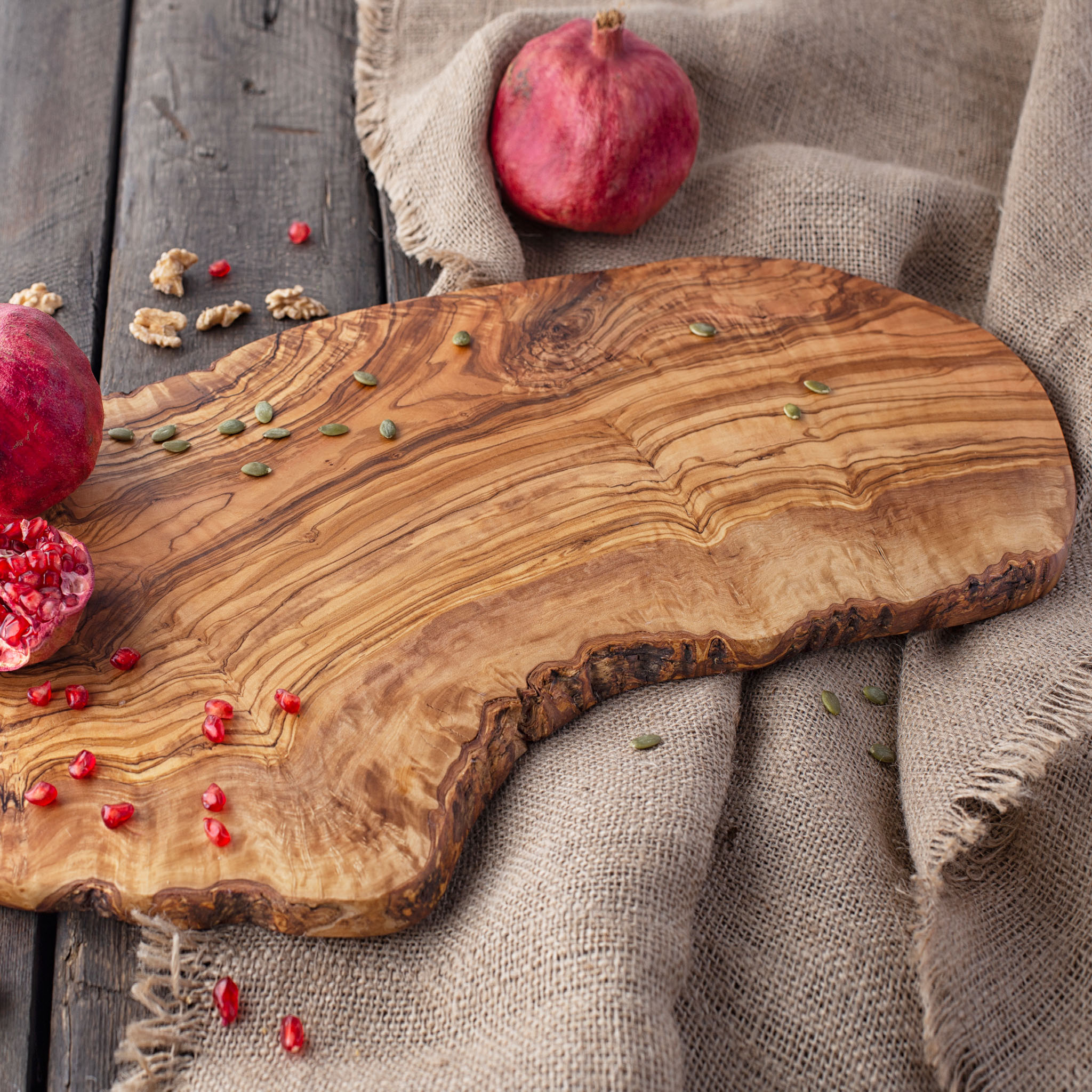
Credit: forest-decor.com
Choosing The Right Olive Wood Board
Olive wood offers durability and a unique grain pattern, making it an excellent choice for cutting boards. Its dense texture resists knife marks and maintains its smooth surface over time. Plus, the natural oils in olive wood provide antibacterial properties, enhancing kitchen hygiene.
Choosing the right olive wood board can enhance your kitchen experience. Olive wood offers durability and a unique aesthetic. Each board has a distinct grain pattern. This adds character to your kitchen space. But how do you choose the perfect one for your needs? Consider key factors like size, finish, and price balance. These will guide you to the ideal olive wood cutting board.Size And Thickness
The size of your olive wood board matters. Large boards provide ample space for chopping. They are great for preparing large meals. Smaller boards are easier to store. They suit kitchens with limited space. Thickness affects durability. Thicker boards last longer. They resist warping better over time. Thin boards are lighter and easier to handle.Finish Options
Finishes protect your board and enhance its look. Some boards come with a natural finish. This highlights the wood’s grain and color. Others have a food-safe oil finish. This adds an extra layer of protection. Oiled boards require regular maintenance. This keeps them looking fresh and new.Price And Quality Balance
Price varies with quality and craftsmanship. High-quality boards are an investment. They tend to last longer. Less expensive boards might not be as durable. Balance your budget with quality needs. Look for sales or discounts on high-quality boards. This can provide value without breaking the bank.Frequently Asked Questions
Is Olive Wood Ok For Cutting Boards?
Yes, olive wood is excellent for cutting boards. It is durable, dense, and resistant to odors and stains. Its unique grain pattern adds a stylish touch to kitchens. Regular oiling maintains its condition, ensuring longevity. It’s a great choice for both functionality and aesthetics.
What Are The Disadvantages Of Olive Wood?
Olive wood can be expensive and prone to cracking. It requires regular maintenance to prevent drying out. Its density makes it challenging to work with, especially for beginners. The wood’s natural oils can cause issues with certain finishes. Availability can be limited, increasing its cost.
What Woods To Avoid For Cutting Boards?
Avoid using soft woods like pine, cedar, and fir for cutting boards. They are prone to scratches and harbor bacteria. Oak and ash can also be problematic due to their open grain structure, which absorbs moisture. Opt for hardwoods like maple, walnut, or cherry for safe and durable cutting boards.
Is Olive Wood Non-toxic?
Yes, olive wood is non-toxic and safe for use in kitchen utensils. It has natural antibacterial properties. This makes it an excellent choice for food preparation. Olive wood is durable, resistant to odors, and maintains its quality over time. Its unique grain pattern adds aesthetic appeal to kitchen items.
Conclusion
Olive wood makes an excellent choice for cutting boards. Durable and beautiful. Its natural oils resist bacteria. Easy to maintain with regular oiling. Adds elegance to any kitchen. Safe for knives, preserving their sharpness. Each piece is unique, offering character.
Sustainable option with environmental benefits. Perfect for everyday use and special occasions alike. Choose olive wood for a reliable cutting surface. Enhance your cooking experience with its charm. A smart investment for your culinary tools. Enjoy the blend of function and style.

I’m Abby Lu, a passionate home cook who loves simplifying everyday meals. At PlugChef.com, I share product reviews and cooking guides to help you find the best tools for your kitchen.
Related posts:
 What Type of Cooking Utensils are Safe: Expert Picks
 What Innovations Could Blenders Make: Unleashing Future Tech
 Smart Strategies to Organize a Small Kitchen: Maximize Space
 How to Organize a Kitchen Cabinet: Expert Tips & Tricks
 How to Organize Kitchen Drawers: Expert Tips and Tricks
 How to Organize a Corner Kitchen Cupboard: Expert Tips

