
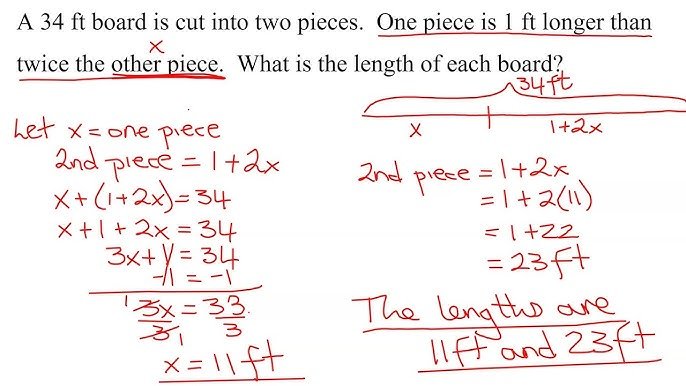
Imagine you’re faced with a 31-foot board, and you need to cut it into two pieces. Sounds simple, right?
But what if these pieces need to serve different purposes, perhaps for a special project you have in mind? Suddenly, this straightforward task transforms into a decision that demands your attention and skill. As you contemplate the cut, you might find yourself weighing the possibilities and the impact each choice will have on your end goal.
We’ll delve into the intriguing world of woodworking and decision-making, exploring the factors you should consider when dividing materials. We’ll provide insights that could sharpen your planning skills, ensuring that every cut you make is precise and purposeful. Whether you’re a seasoned craftsman or a curious beginner, understanding these nuances can enhance your approach to any project. So, are you ready to discover how this simple act of cutting can lead to a masterpiece? Let’s dive in and unlock the potential hidden within your 31-foot board.
Choosing The Right Tools
Cutting a 31-foot board into two pieces requires choosing the right tools for precise results. Accurate measurements ensure clean cuts, minimizing waste. Proper saw selection enhances safety and efficiency, making the task straightforward.
Choosing the right tools for cutting a 31-foot board is crucial to ensure precision and efficiency. Whether you’re a seasoned woodworker or a DIY enthusiast, the tools you select can make a significant difference in your project’s outcome. Let’s dive into the options available, and see how you can make the best choice for your cutting needs.Hand Tools Vs. Power Tools
Hand tools have a certain charm, offering simplicity and control. A handsaw or a miter box can provide the precision needed for clean cuts. You feel every stroke, and there’s a satisfaction in doing things manually. On the other hand, power tools can save you time and effort. Circular saws or jigsaws are great for cutting large boards quickly. They might be louder, but they deliver speed and accuracy that hand tools can’t match. Which option suits you better? Think about your comfort level and the size of your project. Sometimes, a combination of both might be the best answer.Essential Cutting Equipment
When cutting a board, it’s not just about saws. You need measuring tools to ensure accuracy. A good tape measure and a square can help keep your cuts straight and true. Consider clamps to hold your board steady while you work. This prevents unwanted movement and ensures safety. Safety gear is also essential. Always wear protective goggles and gloves. Your safety is paramount, and these tools help protect you from splinters and debris. In my early days of woodworking, I underestimated the importance of clamps. One slip taught me that having the right equipment makes all the difference. What’s your experience with cutting boards? Are there tools you swear by? Choosing the right tools is not just about the equipment itself, but also about how they fit into your workflow. The right choice can transform a daunting task into a rewarding experience.Measuring Techniques
Measuring techniques are crucial when cutting a 31-foot board into two precise pieces. Accuracy can save you time and prevent costly errors. Whether you’re a seasoned woodworker or a DIY enthusiast, mastering these techniques can elevate your projects. Have you ever wondered how professionals achieve such precision?
Marking The Cut Line
The first step in ensuring a perfect cut is marking the cut line clearly. A pencil works well for this task. If you need something more visible, try a chalk line.
Align your marking tool with the measurements you’ve decided on. Double-check your measurements before committing to the line. An old trick is to measure twice and cut once.
Consider using a straightedge or a long ruler to keep the line straight. This ensures the cut is accurate and reduces errors.
Using Measuring Tapes And Squares
Measuring tapes are a staple tool in woodworking. They are flexible and can measure long distances with ease.
Choose a tape that has clear markings. This will help you avoid mistakes due to unclear measurements. A tape with a locking mechanism can hold your measurement in place as you prepare to mark the board.
Squares are excellent for ensuring your cut lines are at perfect right angles. They provide guidance and help maintain consistency in your cuts. Imagine the satisfaction of seeing perfectly aligned pieces after the cut!
Combining these tools can lead to a more accurate cut. What measuring tools do you rely on for precision? Share your thoughts and experiences in the comments below!
Cutting Methods
Understanding cutting methods for a 31-foot board is crucial. Different techniques offer varied results. Choosing the right method ensures precision and efficiency. Let’s explore some common cutting methods.
Straight Cuts
Straight cuts are simple and effective. Use a saw to divide the board evenly. Ensure the blade is sharp for clean cuts. Measure twice, cut once. This prevents mistakes and wastage. Straight cuts are ideal for uniform pieces.
Angled And Miter Cuts
Angled cuts add versatility. They create pieces with unique shapes. Miter cuts form precise angles. Perfect for intricate projects. Use a miter saw for accuracy. Adjust the angle setting as needed. Angled cuts enhance design possibilities.
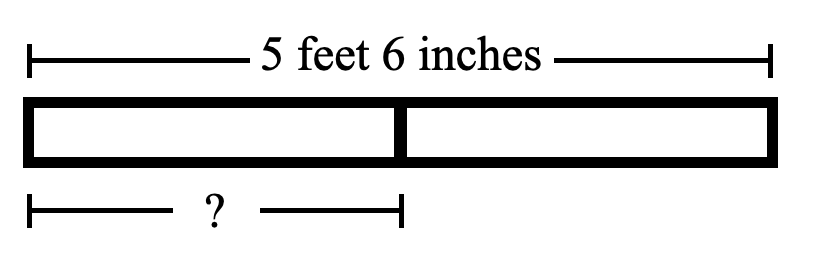
Credit: exam.actexam.net
Ensuring Precision
Cutting a board into two precise pieces requires careful attention. Precision is key to achieving the desired outcome. Even a small error can affect the final result. To ensure perfect cuts, focus on accurate measurements and tool alignment.
Double-checking Measurements
Always verify your measurements before cutting. Use a reliable measuring tape or ruler. Check the board length several times. Measure twice, cut once. Confirm the exact points where you need to cut. Double-checking avoids costly mistakes.
Aligning The Cutting Tool
Proper alignment of the cutting tool is crucial. Ensure the saw blade is straight and sharp. Position the tool directly along the marked line. A misaligned tool can cause uneven cuts. Adjust the angle carefully before starting. Perfect alignment leads to smooth, clean cuts.
Safety Precautions
Cutting a 31-foot board requires careful attention to safety. Ensuring a secure environment is crucial to prevent accidents. Proper safety precautions can make the process smooth and risk-free.
Protective Gear
Wear protective gloves to safeguard your hands from sharp edges. Safety goggles are essential to protect your eyes from wood splinters. Use ear protection if the cutting tool is noisy. A dust mask can shield your lungs from harmful particles. Strong boots guard your feet from falling debris.
Safe Cutting Practices
Choose a stable surface for cutting the board. Ensure the cutting tool is sharp for smooth operation. Keep fingers away from the blade during the process. Mark the board clearly where it needs to be cut. Double-check measurements to avoid mistakes. Maintain a clear workspace to prevent trip hazards.

Credit: www.teacherspayteachers.com
Post-cut Finishing
A 31-foot board split into two pieces requires smoothening for a polished look. Post-cut finishing ensures clean edges and surfaces. This process enhances the board’s usability for various projects.
After cutting a 31-foot board into two pieces, the next crucial step is post-cut finishing. This process ensures that the pieces are not only functional but also aesthetically pleasing. Attention to detail during this stage can make a significant difference in the board’s final look and feel.Sanding And Smoothing Edges
Once the board is cut, rough edges can be an issue. Sanding these edges will make the board safer to handle and enhance its appearance. Use medium-grit sandpaper to smooth out any splinters or jagged parts. Think about the last time you touched a perfectly smooth wooden surface. You want your board to evoke that same sensation. Consistent sanding ensures uniformity across the edges, creating an attractive finish. Remember, the goal is to achieve a smooth, even surface that feels good to the touch.Inspecting For Accuracy
After sanding, it’s essential to inspect the cut pieces for accuracy. Are both pieces the right size? Does their length meet your requirements? Use a tape measure to double-check the dimensions. A small error here can lead to big problems later on. This step might seem trivial, but it ensures that the pieces fit perfectly into their intended space. If you’ve ever assembled furniture, you know the frustration of parts that don’t align. Avoid that by verifying your measurements now. Taking the time to inspect thoroughly can save you from headaches down the road. Have you ever had a project go sideways because of overlooked details? Catching mistakes early is key. By focusing on these post-cut finishing steps, you ensure the board is not only cut correctly but also ready for whatever project you have in mind. What other finishing touches could elevate your woodworking projects?
Credit: www.instagram.com
Frequently Asked Questions
How Long Are The Pieces Of A 36 Foot Board Cut Into Two Pieces One Piece Is Twice As Long As The Other?
The longer piece of the board is 24 feet, while the shorter piece is 12 feet. The board is divided such that one piece is twice as long as the other.
How Many Boards Each 2 Feet 8 Inches Long Can Be Cut From A Board 16 Feet Long If There Is No Waste?
You can cut six boards, each 2 feet 8 inches long, from a 16-foot board without any waste.
How Many 1/3 Foot Long Sections Can Be Cut From A Board That Is 5 Feet Long?
You can cut 15 sections of 1/3 foot each from a 5-foot long board. Divide 5 by 1/3 to calculate this.
When A 120 Centimeter Long Board Is Cut Into Two Pieces One Piece Is 5 Times As Long As The Other Piece?
The board is cut into two pieces measuring 20 cm and 100 cm. The longer piece is 5 times the shorter.
Conclusion
Cutting a 31-foot board into two pieces is straightforward. Measure carefully for accurate cuts. The pieces can serve various purposes. Maybe a new shelf or a sturdy bench. Always prioritize safety while sawing. Using the right tools is essential. The size of each piece depends on your needs.
Plan before cutting to avoid mistakes. Now, the board can fulfill its potential. A successful cut opens possibilities. Woodworking can be rewarding. Create something useful with the pieces. Enjoy the satisfaction of a job well done. Keep exploring new projects.
Your skills will grow over time.

I’m Abby Lu, a passionate home cook who loves simplifying everyday meals. At PlugChef.com, I share product reviews and cooking guides to help you find the best tools for your kitchen.
Related posts:
 What Type of Cooking Utensils are Safe: Expert Picks
 What Innovations Could Blenders Make: Unleashing Future Tech
 Smart Strategies to Organize a Small Kitchen: Maximize Space
 How to Organize a Kitchen Cabinet: Expert Tips & Tricks
 How to Organize Kitchen Drawers: Expert Tips and Tricks
 How to Organize a Corner Kitchen Cupboard: Expert Tips

