
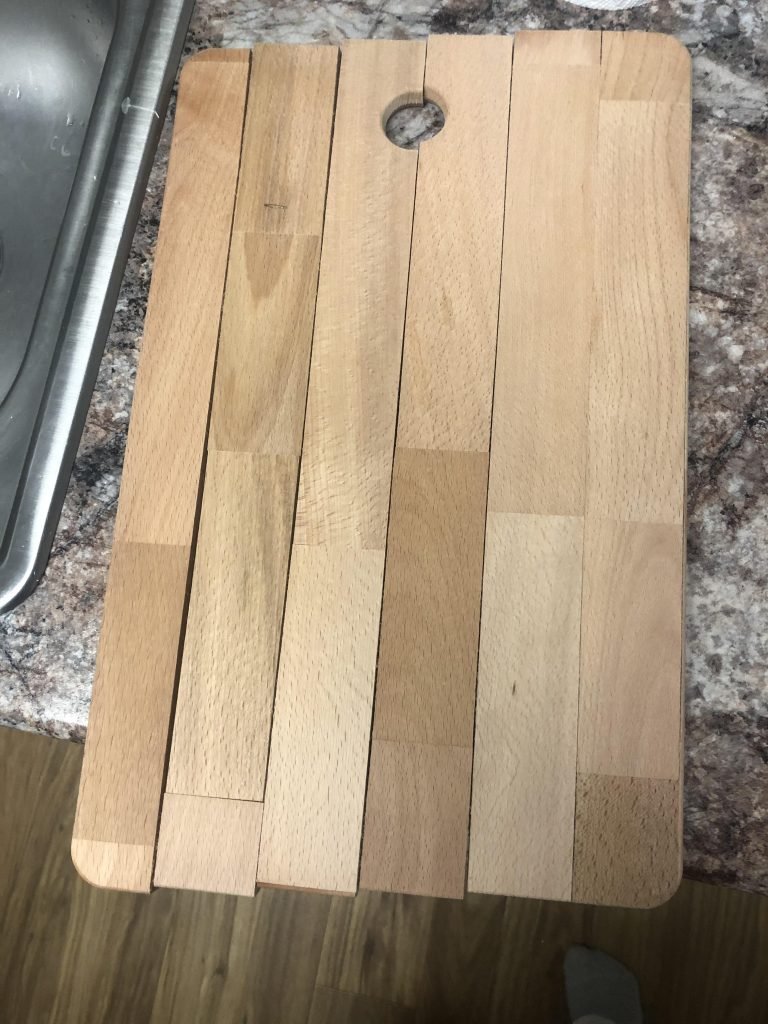
Have you ever wondered if your trusty wood cutting board can take a spin in the dishwasher? You’re not alone.
Many people face this dilemma in their kitchen routine. You want to keep your cutting board clean and safe for food prep, but you also want to avoid the hassle of hand washing. Before you make a decision that could affect the longevity of your cutting board, let’s dive into the reasons why this popular kitchen tool may or may not be suited for the dishwasher.
Understanding the impact on your cutting board could transform your daily kitchen tasks, making them easier and more efficient. Keep reading to uncover the truth and discover the best practices to preserve your wooden board’s integrity and functionality.
Credit: www.reddit.com
Material Matters
Wood cutting boards don’t belong in the dishwasher. High heat and water can warp and crack the wood. Hand washing with mild soap ensures longevity and hygiene.
Material Matters Choosing the right cutting board for your kitchen is crucial, especially when it comes to maintenance and longevity. A common question among home cooks is whether wood cutting boards can go in the dishwasher. The answer lies in understanding the material of your cutting board.Types Of Wood Cutting Boards
Wood cutting boards come in various types, each with its own characteristics. Common options include maple, walnut, cherry, and bamboo. Each type has different hardness, durability, and maintenance needs. You might have noticed that bamboo boards, though technically grass, are often lumped with wood due to their similar properties. But can all of these be tossed into the dishwasher without a second thought?Porosity And Water Absorption
Wood is porous, meaning it can absorb water and other substances. Some woods, like maple, are less porous, making them slightly more resistant to water absorption. However, even the toughest wood can warp, crack, or split when exposed to excessive moisture in a dishwasher. Imagine your beautiful walnut board emerging from a dishwasher cycle warped and cracked. It’s a sad sight and an expensive mistake. How does the porosity affect your cleaning routine? It means you must be mindful of how you clean and dry your wood cutting board. Excessive water exposure can lead to bacteria growth and a shorter lifespan. So, next time you think about tossing your wood cutting board in the dishwasher, consider its material. How do you plan to keep it in shape for years to come?
Credit: www.instagram.com
Impact Of Dishwasher On Wood
Placing a wood cutting board in a dishwasher can damage it. Dishwashers clean with high heat and moisture. These elements are tough on wood. Understanding the impact of a dishwasher on wood is crucial for preserving your cutting board.
Heat And Moisture Effects
Dishwashers use intense heat to dry dishes. This heat can dry out wood quickly. Wood needs moisture to maintain its strength. Excessive heat strips the wood of natural oils. Over time, this can cause the wood to become brittle.
Moisture is another concern. Dishwashers spray water at high pressure. This saturates the wood. Wood absorbs water easily. Too much moisture makes the wood swell. Swelling can lead to uneven surfaces. This affects the cutting board’s usability.
Potential For Warping And Cracking
Wood is sensitive to temperature changes. Heat followed by moisture can warp wood. Warping alters the shape of the cutting board. A warped board is hard to use. It may wobble during chopping.
Cracking is a risk too. Drying heat can create cracks in wood. Cracks harbor bacteria. This makes the cutting board unsafe. Cracked boards are also difficult to repair. Repeated exposure worsens the condition.
Protect your cutting board from dishwashers. Hand wash instead. Preserve its quality and lifespan.
Proper Cleaning Methods
Placing a wood cutting board in the dishwasher can damage its surface. Heat and water cause warping and splitting. Hand wash with mild soap and warm water for best care.
Maintaining the cleanliness of your wood cutting board is crucial to ensure it remains a safe and hygienic tool in your kitchen. Wood is porous and can absorb food particles and bacteria if not cleaned properly. So, how do you clean a wood cutting board effectively without compromising its integrity? Let’s dive into some proper cleaning methods that will keep your board in pristine condition.Handwashing Techniques
Handwashing your wood cutting board is the best way to preserve its quality. Start by rinsing the board with warm water to remove any loose food particles. Use a mild dish soap and a soft sponge to gently scrub the surface. Avoid using steel wool or abrasive pads as they can scratch the wood. Once clean, rinse the board thoroughly with warm water. Make sure no soap remains, as this can soak into the wood and affect its longevity.Best Cleaning Products
Choosing the right cleaning products can make all the difference. Opt for mild, eco-friendly dish soaps that are free of harsh chemicals. These soaps are not only safe for the wood but also kind to the environment. White vinegar is an excellent natural disinfectant. You can mix it with water in a spray bottle and spritz the board after washing. This helps to kill bacteria without causing damage to the wood. Another effective option is hydrogen peroxide. Apply it directly to the board, let it sit for a few minutes, then rinse thoroughly. It’s a great way to sanitize your board without leaving any chemical residue. Have you ever noticed lingering odors on your cutting board? Lemon juice is a natural deodorizer. Simply rub half a lemon on the surface, let it sit for a minute, and rinse. It leaves your board smelling fresh and clean. Remember, taking the time to hand wash and select the right cleaning products can extend the life of your wood cutting board. It’s worth the effort to keep this kitchen essential in top shape. How do you clean your board? Share your tips in the comments!Maintenance Tips
Maintaining a wood cutting board ensures its longevity and hygiene. Proper care prevents warping and bacterial growth. Follow these simple tips to keep your cutting board in top shape.
Regular Oiling
Wood cutting boards need regular oiling. Use food-grade mineral oil for this task. Apply the oil generously on the board’s surface. Let the oil soak in overnight. This keeps the wood from drying out and cracking.
A well-oiled board repels moisture. Moisture can cause wood to warp and split. Oiling also enhances the board’s appearance. It gives the wood a rich, beautiful finish.
Storage Recommendations
Store your cutting board in a dry, cool place. Avoid direct sunlight as it can warp the wood. Ensure the board is completely dry before storing. Moisture can lead to mold growth.
Store the board upright or flat. Upright storage prevents moisture build-up. Flat storage keeps the board from bending. Proper storage extends the board’s life.
Alternatives To Dishwashing
Dishwashing can be harsh on wood cutting boards, potentially causing warping, cracking, or dulling their surface. Fortunately, there are alternatives that can clean and sanitize your board effectively without compromising its integrity. These methods are easy, natural, and safe, ensuring your board remains in top shape for all your culinary adventures.
Natural Cleaning Solutions
Using natural ingredients can be just as effective as commercial cleaners. Consider using a mixture of vinegar and water to wipe down your cutting board. This solution is not only antibacterial but also helps in deodorizing. You can also use lemon juice combined with coarse salt to scrub stubborn stains or odors. Simply sprinkle salt on the board, cut a lemon in half, and use it to rub the salt into the surface. This not only cleans but also gives your board a fresh scent.
Another option is baking soda. This versatile powder can be sprinkled directly onto the board, followed by a gentle scrub with a damp cloth. Baking soda is excellent for absorbing odors and lifting stains. Have you ever noticed a lingering garlic smell on your board? Baking soda could be your answer to neutralizing it. These natural solutions are not only effective but also environmentally friendly.
Sanitizing Without Damage
Sanitizing your wood cutting board doesn’t have to mean subjecting it to harsh chemicals. A simple mixture of water and hydrogen peroxide can sanitize your board without causing damage. Spray the solution onto the board and let it sit for a few minutes before rinsing with warm water. This method is gentle yet effective in killing bacteria.
Alternatively, consider using steam. If you have a handheld steam cleaner, it can be a powerful tool for sanitizing your cutting board. The heat from the steam eliminates germs without soaking the wood, which is crucial in preventing warping. It’s worth asking: do you want a clean board without the risk of damage? Steam cleaning might be the solution you’re looking for.
Remember, maintaining a wood cutting board isn’t just about cleaning. It’s about preserving its quality for the long run. How do you protect your board while keeping it spotless? These alternatives offer practical ways to maintain hygiene without compromising the board’s condition.

Credit: www.reddit.com
Signs Of Damage
Placing a wood cutting board in the dishwasher can cause warping, cracking, and fading. High heat and strong detergents damage wood fibers, shortening the board’s lifespan. Hand washing with mild soap is recommended to maintain its quality.
Putting wood cutting boards in the dishwasher can cause damage. This damage affects the board’s lifespan and functionality. It’s important to recognize signs of wear and tear. Knowing these signs helps maintain your kitchen tools and ensures safety.When To Replace Your Board
Check for deep grooves and cracks. These can harbor bacteria, making the board unsafe. Warping is another sign. A bent or twisted board won’t sit flat. This makes cutting difficult and dangerous. If the board feels spongy or soft, it may be rotting. A rotten board should be replaced immediately. A foul odor that doesn’t disappear after cleaning is also a warning. This suggests deep-seated bacteria or mold.Repairing Minor Damage
Minor scratches and shallow cuts can be sanded down. Use fine-grit sandpaper for a smooth finish. After sanding, apply mineral oil. This seals the wood and prevents further damage. For small cracks, use wood glue. Clamp the board until the glue dries. Regular oiling helps maintain the board’s condition. It keeps the wood hydrated and less prone to damage.Frequently Asked Questions
What Is The Best Way To Clean My Wooden Cutting Board?
Clean your wooden cutting board with hot, soapy water. Rinse thoroughly and dry with a clean towel. Use white vinegar or lemon juice for deep cleaning. Sprinkle salt or baking soda, scrub gently, then rinse. Avoid soaking or using the dishwasher to prevent damage.
How Do I Know If My Cutting Board Is Dishwasher Safe?
Check the manufacturer’s label or packaging for dishwasher-safe symbols. Look for terms like “dishwasher safe” or specific care instructions. Plastic and silicone boards are usually dishwasher safe, while wooden boards are not. Always follow the manufacturer’s guidelines for best results.
Is There A Dishwasher Safe Wooden Cutting Board?
Wooden cutting boards are generally not dishwasher safe. Dishwashers can cause warping, cracking, and damage to the wood. Hand wash wooden boards with mild soap and water to preserve their lifespan. Always dry thoroughly to prevent moisture-related damage. Regular oiling helps maintain and protect the wood.
Why Can’t You Put Wood In The Dishwasher?
Wood warps and cracks in dishwashers due to heat and moisture exposure. It loses its finish and can harbor bacteria. Hand wash wooden items to maintain their quality and longevity.
Conclusion
Putting wood cutting boards in the dishwasher isn’t advisable. The heat and water damage the wood. Cracking and warping occur over time. The board loses its original look and feel. Handwashing is the safest method. Use mild soap and warm water.
Dry immediately to prevent moisture buildup. This keeps your board sturdy and long-lasting. Also, avoid soaking it for long periods. Regular oiling maintains its natural shine. Following these simple steps ensures your cutting board remains in top condition. Your kitchen tools deserve proper care and attention.
Keep them safe and functional with mindful cleaning practices.

I’m Abby Lu, a passionate home cook who loves simplifying everyday meals. At PlugChef.com, I share product reviews and cooking guides to help you find the best tools for your kitchen.
Related posts:
 What Type of Cooking Utensils are Safe: Expert Picks
 What Innovations Could Blenders Make: Unleashing Future Tech
 Smart Strategies to Organize a Small Kitchen: Maximize Space
 How to Organize a Kitchen Cabinet: Expert Tips & Tricks
 How to Organize Kitchen Drawers: Expert Tips and Tricks
 How to Organize a Corner Kitchen Cupboard: Expert Tips

