
Imagine stepping into your kitchen, ready to prepare a delicious meal. You glance at your cutting board, wondering if it’s really up to the task.
That’s when you hear about end grain cutting boards, and you can’t help but be curious. What makes them different? Why are chefs and cooking enthusiasts raving about them? As you delve into this article, you’ll uncover the secrets behind these sought-after kitchen tools.
Learn how they can transform your cooking experience, protect your knives, and add a touch of elegance to your culinary space. Are you ready to discover why an end grain cutting board might just be the upgrade your kitchen needs? Keep reading to find out!
Credit: grainwoods.com
End Grain Cutting Board Basics
End grain cutting boards are popular in many kitchens. They offer durability and unique aesthetics. These boards are ideal for chopping and dicing.
Definition And Characteristics
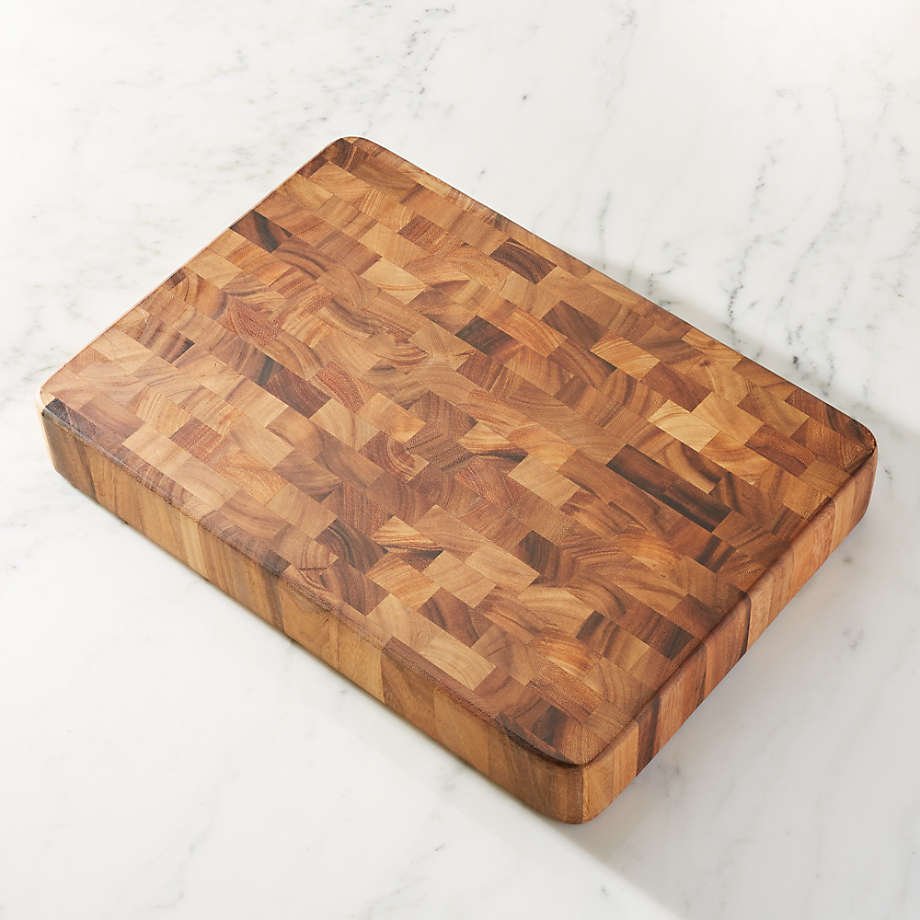
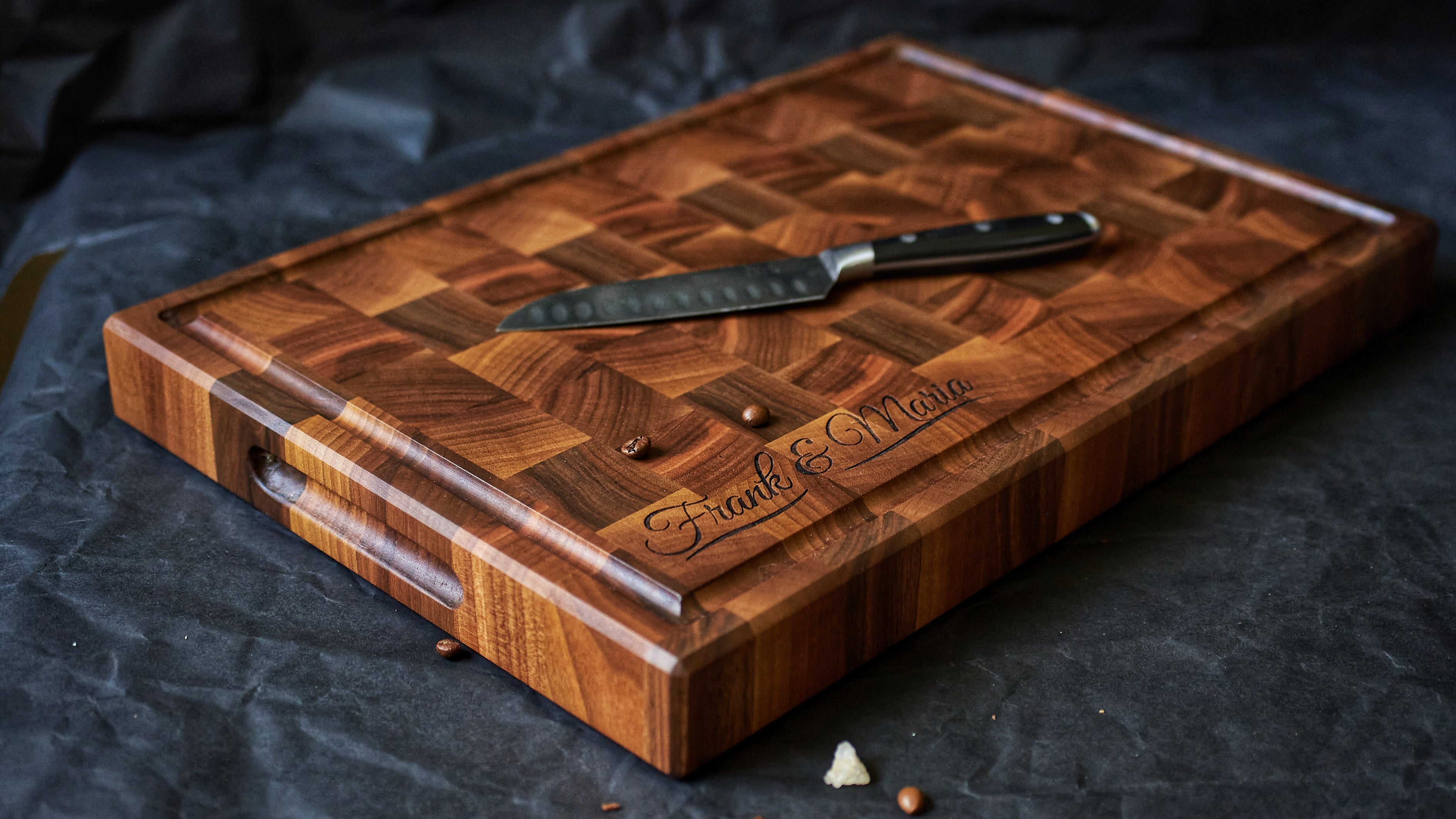
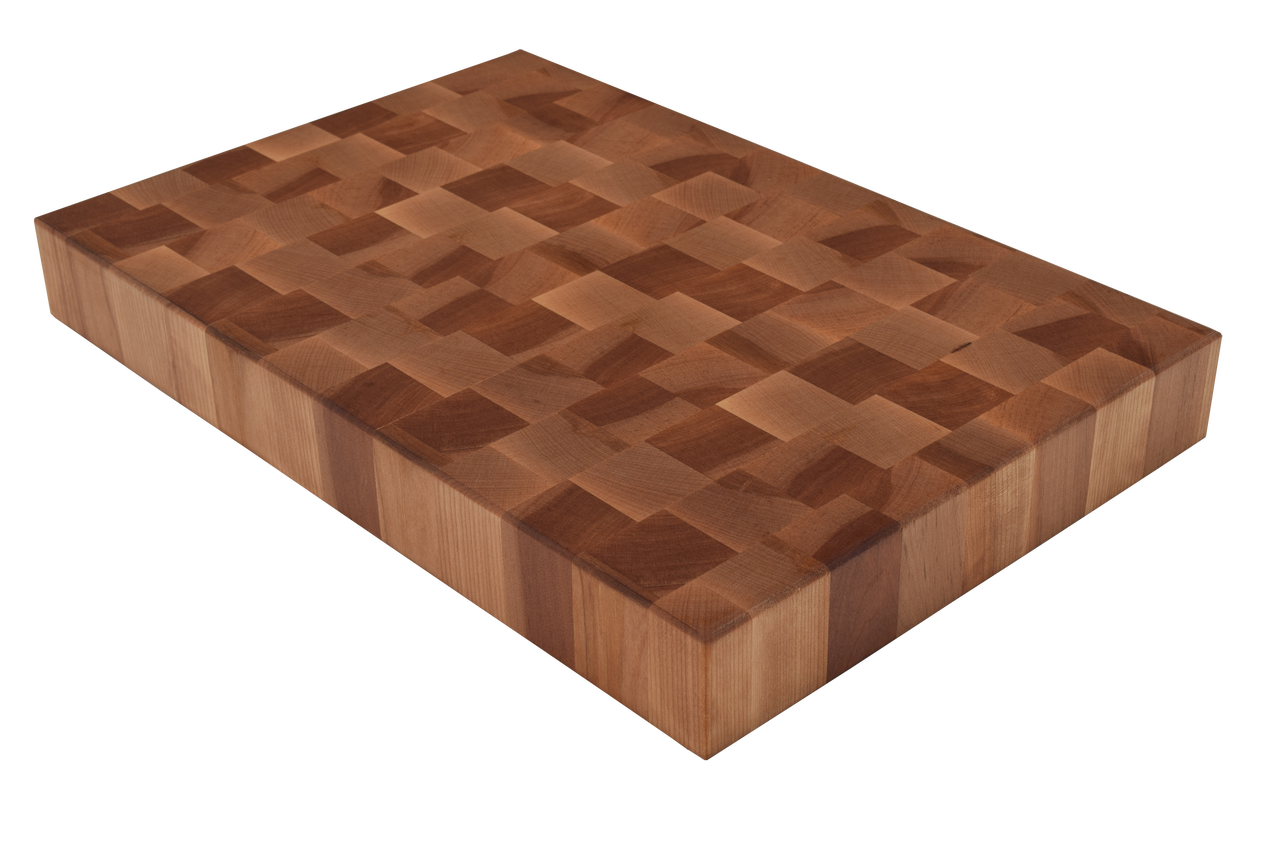
An end grain cutting board is made from the end pieces of wood. The grain faces upward. This design absorbs knife impacts better. It prevents dulling your blades. The board’s surface shows a checkerboard pattern. This pattern is distinctive and eye-catching. End grain boards are thicker and heavier. They provide a stable cutting surface.
Materials Used
Various woods are used for end grain boards. Maple, walnut, and cherry are common choices. Each wood offers unique properties. Maple is known for its strength and light color. Walnut has a rich, dark hue. Cherry offers a warm, reddish tone. These woods are durable and resist moisture. They maintain their shape over time.

Credit: elliscustomcreations.com
Manufacturing Process
The manufacturing process of an end grain cutting board is intricate. It begins with selecting the right materials. This ensures durability and aesthetic appeal. The next step involves precise construction techniques. These techniques highlight the natural beauty of the wood.
Wood Selection
Choosing the right wood is essential. Hardwoods like maple, walnut, and cherry are popular. They provide strength and longevity. Each type of wood offers unique colors and patterns. These natural variations enhance the board’s visual appeal.
Construction Techniques
The construction process starts with cutting the wood into strips. These strips are then arranged with the grain facing up. This orientation makes the board durable. It also provides a self-healing surface. The strips are glued together, forming a block. After drying, the block is sanded to a smooth finish. This ensures a flat and even surface.
Finally, a food-safe oil is applied. This protects the wood and enhances its color. The result is a beautiful and functional kitchen tool.
Benefits Of End Grain Boards
End grain cutting boards display wood fibers vertically, offering a durable surface. Their unique structure minimizes knife dulling and maintains sharpness longer. These boards absorb impacts, making them ideal for heavy chopping while showcasing a beautiful, intricate pattern.
When you step into a kitchen, the cutting board might not be the first thing to catch your eye, but it’s a tool that plays a vital role in daily meal prep. Among the various types of cutting boards, end grain boards stand out for their unique construction and remarkable benefits. They are not just a choice for professional chefs but are becoming increasingly popular among home cooks. Let’s dive into the benefits of end grain boards and why they might be the perfect addition to your kitchen.Durability And Longevity
End grain cutting boards are known for their exceptional durability. The wood fibers in these boards stand upright, allowing the board to withstand heavy chopping without significant wear. This design mimics the way a tree naturally grows, providing strength and resilience. Imagine investing in a cutting board that lasts for years, even with daily use. That’s what end grain boards offer. Unlike flat grain boards, which may show knife marks quickly, end grain boards self-heal, meaning the cuts close up naturally. This feature contributes to their long lifespan, saving you the hassle and expense of frequent replacements.Knife Friendliness
Have you ever noticed how some cutting boards tend to dull your knives faster? End grain boards are a game-changer in this aspect. The vertical grain structure allows the knife to go between the fibers rather than cutting across them. This reduces the impact on the knife’s edge, keeping it sharper for longer. Picture slicing through a ripe tomato with ease, thanks to a sharp knife maintained by your end grain board. This knife-friendly nature not only makes cooking more enjoyable but also keeps your kitchen tools in top shape. It’s a small change that can make a big difference in your cooking experience. Incorporating an end grain cutting board into your kitchen not only enhances functionality but also adds a touch of craftsmanship and beauty. Have you considered how an end grain board could transform your cooking routine? With durability and knife friendliness on its side, it’s a decision that benefits both you and your kitchen.Comparing End Grain With Other Types
End grain cutting boards are a favorite among chefs. They offer durability and unique beauty. But how do they stack up against other types? Let’s explore the differences.
End Grain Vs. Edge Grain
End grain boards show the wood’s rings on the surface. This makes them resistant to knife marks. Edge grain boards have parallel wood strips. These boards are less durable than end grain. Edge grain boards are often cheaper. They work well for light chopping.
End Grain Vs. Plastic Boards
Plastic boards are lightweight and dishwasher safe. But they dull knives faster than end grain boards. End grain boards offer a natural surface. This is gentler on blades. Plastic boards come in various colors. End grain boards boast natural beauty. Plastic boards can harbor bacteria. End grain boards require simple oil maintenance. This keeps them clean and fresh.
Caring For Your End Grain Board
End grain cutting boards are prized for their durability and beauty. Proper care extends their lifespan and keeps them looking great. Regular cleaning and maintenance are key to preserving your board.
Cleaning Tips
Clean your end grain board after each use. Use warm water and mild dish soap. A soft sponge or cloth works best. Scrub gently to remove food particles. Avoid submerging the board in water. Excessive moisture can cause warping or cracking. Rinse thoroughly and pat dry with a clean towel.
Consider using a vinegar solution for deeper cleaning. Mix equal parts water and white vinegar. This helps sanitize without harsh chemicals. Never put your board in the dishwasher. The heat and detergent can damage the wood.
Maintenance And Oiling
Oiling keeps your board hydrated and prevents drying. Dry wood can crack or split over time. Use food-grade mineral oil or beeswax for best results. Apply oil evenly across the surface. Let the oil soak in for several hours. Wipe away any excess with a clean cloth.
Regular oiling maintains the wood’s protective layer. Aim to oil your board once a month. If the board feels dry, increase oiling frequency. Avoid using vegetable oils, as they can go rancid. Proper maintenance helps your board look and function well.
Credit: hardwood-lumber.com
Choosing The Right End Grain Board
Choosing the right end grain cutting board is essential for your kitchen. It not only enhances your cooking experience but also adds to your kitchen’s aesthetic. An end grain board shows the wood’s natural beauty. It also provides a durable surface for chopping. This section will guide you through the key considerations in choosing the perfect board.
Size And Thickness Considerations
The size of your board depends on your kitchen space and needs. For small kitchens, a compact board is better. It fits easily and stores well. For larger kitchens, bigger boards offer more space to work. Thickness is crucial for durability. Thicker boards last longer and withstand heavy chopping. A board at least 1.5 inches thick is recommended. It provides stability and reduces warping.
Design And Aesthetic Preferences
Design plays a vital role in your choice. End grain boards come in various patterns. They offer unique visual appeal. Some have simple, elegant designs. Others showcase intricate wood patterns. Your board should match your kitchen style. Consider the wood type. Each wood type has different colors and grains. Walnut, maple, and cherry are popular choices. They offer distinct shades and textures.
Common Misconceptions
End grain cutting boards often attract myths and misconceptions. Many believe these boards are hard to maintain or not durable. This confusion can make you hesitant to choose one. Let’s clear up the common misunderstandings.
Myths About Maintenance
Some think end grain boards require too much care. This isn’t true. Routine cleaning with mild soap and water is enough. Dry it immediately to avoid warping. Regular oiling helps maintain its condition. Use food-grade mineral oil for best results. This keeps the board looking good and functional. Avoid soaking in water. This can damage the wood over time. A little care goes a long way.
Misunderstandings On Durability
People often doubt the durability of end grain boards. They worry about splitting or cracking. End grain is actually very strong. The wood fibers stand vertically. This design absorbs knife impacts better. It makes cuts less noticeable. It also helps the board last longer. Proper care enhances its lifespan. Don’t use harsh chemicals. Stick to gentle cleaning methods. A well-maintained board can last years. It can even become a kitchen favorite.
Frequently Asked Questions
Is An End Grain Cutting Board Better?
End grain cutting boards are durable and gentle on knives. They resist scratches and have a unique look. These boards absorb impacts, maintaining knife sharpness. Their wood fibers naturally heal, prolonging board life. They’re excellent for frequent chopping, making them a preferred choice for many chefs and home cooks.
What Is The Disadvantage Of An End Grain Cutting Board?
End grain cutting boards require more maintenance and can be expensive. They may also be prone to warping or cracking if not properly cared for.
How To Know If A Cutting Board Is End Grain?
Check the board’s surface for visible wood grain patterns. End grain boards show small square or rectangular pieces. These sections absorb knife cuts better, offering durability. The pattern often resembles a checkerboard or mosaic. Feel the surface; it should be slightly softer than other cutting boards.
What Type Of Cutting Board Is The Most Sanitary?
Bamboo cutting boards are highly sanitary. They resist bacteria growth and are easy to clean. Opt for boards with non-porous surfaces like plastic or tempered glass for added hygiene. Regular cleaning and proper maintenance enhance their sanitary properties.
Conclusion
End grain cutting boards are durable and gentle on knives. They offer a unique pattern that adds charm to any kitchen. These boards absorb impacts, keeping your knife sharp. Their natural beauty enhances the cooking experience. Regular oiling keeps them in good shape.
Choose end grain for quality and style in your kitchen. Enjoy its sturdy nature and beautiful design. It’s a smart choice for every home cook. Discover the difference it makes in your culinary adventures. Keep your kitchen stylish and functional with this timeless piece.

I’m Abby Lu, a passionate home cook who loves simplifying everyday meals. At PlugChef.com, I share product reviews and cooking guides to help you find the best tools for your kitchen.
Related posts:
 What Type of Cooking Utensils are Safe: Expert Picks
 What Innovations Could Blenders Make: Unleashing Future Tech
 Smart Strategies to Organize a Small Kitchen: Maximize Space
 How to Organize a Kitchen Cabinet: Expert Tips & Tricks
 How to Organize Kitchen Drawers: Expert Tips and Tricks
 How to Organize a Corner Kitchen Cupboard: Expert Tips

