
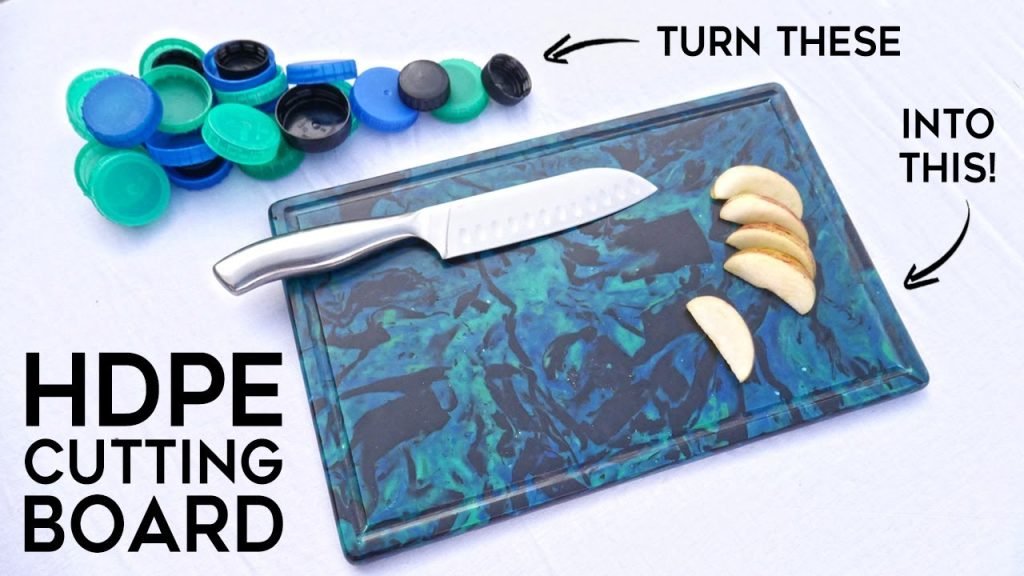
When you step into your kitchen, the plastic cutting board is likely one of the first tools you reach for. It’s durable, convenient, and easy to clean, but have you ever stopped to wonder what it’s actually made of?
Understanding the materials behind your everyday kitchen items can not only enhance your culinary experience but also influence your purchasing decisions. Imagine confidently selecting the best cutting board for your needs, knowing exactly what goes into its creation. Dive into the fascinating world of plastic cutting boards and discover how their composition impacts their performance and longevity in your kitchen.
Keep reading to uncover the secrets behind this essential kitchen staple and empower your next choice with knowledge.
Credit: www.acs.org
Types Of Plastic Cutting Boards
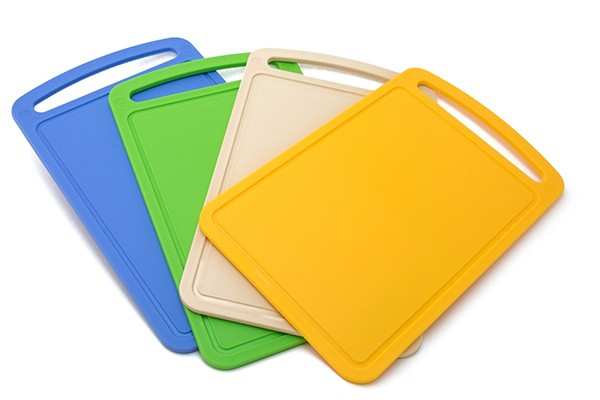
Plastic cutting boards have become an essential part of kitchens worldwide. They offer durability and ease of cleaning that often surpasses their wooden counterparts. But not all plastic cutting boards are created equal. If you’re about to buy one, understanding the types available can help you make the best choice. Let’s explore the different kinds of plastic cutting boards and what makes each unique.
Polyethylene Boards
Polyethylene cutting boards are a popular choice among both home cooks and professional chefs. Their dense and sturdy surface makes them ideal for heavy-duty chopping. They resist absorbing odors and stains, making them excellent for cutting a variety of foods. Imagine slicing a juicy tomato without worrying about its red stain sticking around for days.
These boards are often used in commercial kitchens due to their durability. If you’ve ever visited a restaurant kitchen, you’ve likely seen chefs using these boards. They’re easy to clean, which is a huge plus after a busy dinner service. You’ll appreciate how a quick rinse is often enough to prepare them for the next culinary task.
Polypropylene Boards
Polypropylene boards are known for their versatility. They’re slightly softer than polyethylene, which makes them more forgiving on your knives. Ever noticed how your knives seem to dull faster on some cutting boards? Polypropylene might be the solution you need. This material is gentle enough to preserve your knife’s sharp edge.
These boards are also lightweight, making them easy to move around the kitchen. You can effortlessly switch between tasks, carrying your board from the counter to the sink. Plus, they’re available in many colors, so if you love coordinating your kitchen accessories, polypropylene boards offer a fun way to do just that.
Acrylic Boards
Acrylic cutting boards bring a touch of elegance to your kitchen. They often have a glass-like appearance, making them visually appealing on any countertop. If aesthetics matter to you, acrylic might be the cutting board you’ve been searching for. However, they can be less forgiving on knives, and you might need to sharpen your blades more often.
Despite this, acrylic boards are sturdy and resist scratches well. They provide a smooth surface that’s perfect for intricate chopping tasks. Think of preparing delicate herbs or finely dicing onions without leaving marks on the board. Their unique look and functionality might surprise you, offering more than just a pretty face in the kitchen.
Have you ever thought about how the choice of cutting board can impact your cooking experience? With these insights, you can choose a board that matches your needs and enhances your culinary adventures. Whether you prioritize durability, knife preservation, or aesthetics, there’s a plastic cutting board out there for you.

Credit: www.youtube.com
Features Of Plastic Materials
Plastic cutting boards are often made of polyethylene or polypropylene. These materials are durable and resist moisture. They provide a safe surface for food preparation.
Plastic cutting boards are a staple in kitchens around the world, favored for their practicality and ease of maintenance. These boards are crafted from various types of plastic materials, each with unique features that make them ideal for culinary tasks. Understanding the characteristics of these materials can help you choose the best cutting board for your needs.Durability And Strength
Plastic cutting boards are often made from materials like polyethylene and polypropylene. These plastics are known for their durability and strength. They can withstand heavy chopping without cracking or breaking. Have you ever noticed how your plastic cutting board stays intact even after years of daily use? That’s the robust nature of these materials at work. They’re perfect for both amateur cooks and professional chefs.Resistance To Stains And Odors
One of the standout features of plastic cutting boards is their resistance to stains and odors. Unlike wooden boards, plastic does not absorb juices from meats and vegetables. This means that even after cutting garlic or onions, your board won’t retain their pungent smell. A quick wash and it’s ready for the next task, ensuring your food tastes as it should.Flexibility And Ease Of Use
Plastic materials offer flexibility in design and use. They come in various sizes, colors, and thicknesses, making them versatile for different kitchen tasks. Have you ever used a flexible cutting board to funnel chopped veggies into a pot? This adaptability makes plastic boards incredibly convenient. Their lightweight nature also means you can easily move them around the kitchen. In choosing a plastic cutting board, think about what features matter most to you. Is it the durability, the ease of cleaning, or the flexibility? Each feature enhances your cooking experience in unique ways. Which one resonates with your kitchen needs?Safety Concerns
Plastic cutting boards are popular in many kitchens. They are lightweight and easy to clean. But what about safety concerns? It’s important to understand the risks associated with them. These boards can affect food safety and knife performance.
Food Safety Standards
Plastic cutting boards must meet food safety standards. These standards ensure they are safe for food preparation. Boards should be non-toxic and free from harmful chemicals. They must be easy to sanitize to prevent bacteria growth. Regular cleaning helps maintain their safety.
Impact Of Knives On Surface
Knives can damage plastic cutting boards. Cutting can create grooves and scratches. These marks can harbor bacteria and make cleaning difficult. A smooth surface is essential for hygiene. It’s crucial to replace boards when they become too damaged. This ensures continued food safety.
Environmental Impact
Plastic cutting boards are a staple in many kitchens, cherished for their durability and ease of use. However, the environmental impact of these boards is a growing concern. As you chop your veggies, have you considered what happens to these boards once they wear out? Let’s delve into their recyclability and explore alternatives that could benefit the planet.
Recyclability Of Plastic Boards
Plastic cutting boards are often made from polyethylene or polypropylene, materials that are technically recyclable. Yet, the recycling process is not straightforward. Many recycling facilities do not accept them due to contamination risks or lack of specific recycling infrastructure.
When you throw away a plastic board, it typically ends up in a landfill, contributing to long-term environmental harm. It’s disheartening when you realize how few end up getting recycled. Is it worth considering a community recycling program that specifically targets kitchen items?
Some companies offer take-back programs for plastic boards, aiming to keep them out of landfills. This concept encourages manufacturers to become more responsible for the life cycle of their products. Could this be a solution you’re willing to support?
Alternatives To Plastic
Switching from plastic cutting boards to eco-friendly alternatives is another way to reduce environmental impact. Bamboo boards are rapidly gaining popularity due to their sustainability. They grow quickly and don’t require harmful pesticides, making them a greener choice.
Wooden cutting boards offer durability and can be resurfaced, extending their lifespan. They might be pricier upfront, but they often last longer, saving you money in the long run. Isn’t investing in a quality board for your kitchen worth considering?
Glass and stainless steel boards are other options that are non-porous and easy to clean. Although not as gentle on knives, they can be a part of your kitchen toolkit for specific tasks. How do you weigh the convenience of these materials against their impact on your kitchen tools?
As you decide on your next cutting board, consider its environmental footprint. Every choice matters. Wouldn’t it be fulfilling to know that your kitchen practices are contributing to a healthier planet?
Care And Maintenance
Plastic cutting boards are crafted from durable materials like polyethylene or polypropylene. These materials resist moisture and bacteria, ensuring safe food preparation. Their non-porous nature makes them easy to clean, enhancing kitchen hygiene.
Plastic cutting boards are a kitchen staple for many homes. They offer durability and ease of use. Proper care extends their lifespan. Maintaining cleanliness is crucial to avoid bacteria build-up. Regular maintenance ensures they remain in top condition.Cleaning Techniques
Cleaning plastic cutting boards is simple yet effective. Rinse them with warm water immediately after use. This prevents food particles from sticking. Use a mild dish soap and a soft sponge. Scrub the surface gently to remove stains. Avoid using abrasive pads as they can scratch the board. For deep cleaning, mix baking soda with water to form a paste. Apply it on stubborn stains and let it sit for a few minutes. Then, scrub gently and rinse. For sanitizing, a mixture of vinegar and water works well. Spray it on the board, let it sit, and rinse thoroughly.Best Practices For Longevity
To extend the life of your plastic cutting board, avoid high temperatures. Do not place them in the dishwasher. Hand wash them instead. This prevents warping and damage. Store them upright to allow air circulation. Proper drying is essential to prevent mold. Use a towel or air dry completely before storing. Inspect regularly for deep cuts. Replace them if they have excessive grooves. These can harbor bacteria. Rotate boards to avoid wear and tear. Use different boards for raw meat and vegetables. This reduces contamination risks. Proper care ensures your cutting boards stay safe and functional. Follow these practices to maintain hygiene and durability. Your cutting boards will remain a reliable kitchen tool for years.
Credit: www.cuttingboardcompany.com
Frequently Asked Questions
What Kind Of Plastic Is Used In Cutting Boards?
Cutting boards often use high-density polyethylene (HDPE) plastic. HDPE is durable, non-porous, and food-safe. It’s easy to clean and resistant to bacteria. This plastic is ideal for kitchen use due to its sturdy nature and ability to withstand frequent knife impacts.
How Unhealthy Are Plastic Cutting Boards?
Plastic cutting boards can harbor bacteria if not cleaned properly. Scratches can trap food particles, increasing contamination risk. Choose BPA-free options to reduce chemical exposure. Proper maintenance, like regular cleaning and replacing damaged boards, minimizes health risks. Consider using wood or bamboo for a more hygienic choice.
What Is The Healthiest Cutting Board Material?
Bamboo is the healthiest cutting board material. It’s eco-friendly, antimicrobial, and gentle on knives. Bamboo resists moisture, reducing bacteria growth. It offers durability and easy maintenance, making it ideal for kitchens. Choose bamboo for a safe and sustainable cutting board option.
Do Chefs Prefer Wood Or Plastic Cutting Boards?
Chefs often prefer wood cutting boards for their durability and knife-friendliness. They provide a stable surface and resist bacteria when properly maintained. Plastic boards are also popular for their ease of cleaning and affordability, making them suitable for different tasks.
Both have their advantages, depending on the chef’s needs.
Conclusion
Plastic cutting boards offer durability and convenience. Often made from polyethylene, these boards resist wear. They are easy to clean. Perfect for any kitchen task. Available in different sizes and colors. They suit various cooking needs. Choosing the right one depends on preference.
Ensure it meets your cooking style. Check for safety and quality. Regular cleaning keeps them hygienic. Ideal for chopping vegetables and meats. Affordable and versatile. They remain popular in households. Remember to replace worn-out boards. Keep your kitchen tools in top shape.
Make cooking easy and enjoyable. Explore options for your kitchen today.

I’m Abby Lu, a passionate home cook who loves simplifying everyday meals. At PlugChef.com, I share product reviews and cooking guides to help you find the best tools for your kitchen.
Related posts:
 What Type of Cooking Utensils are Safe: Expert Picks
 What Innovations Could Blenders Make: Unleashing Future Tech
 Smart Strategies to Organize a Small Kitchen: Maximize Space
 How to Organize a Kitchen Cabinet: Expert Tips & Tricks
 How to Organize Kitchen Drawers: Expert Tips and Tricks
 How to Organize a Corner Kitchen Cupboard: Expert Tips

