
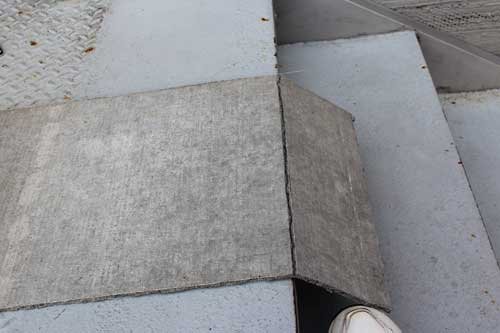
When you decide to tackle a DIY project involving concrete board, the first step is knowing how to cut it correctly. This essential skill can be the difference between a professional-looking finish and a rough, uneven surface.
Cutting concrete board doesn’t have to be intimidating or complicated. Imagine the satisfaction of a perfectly installed board that fits seamlessly into your space. If you’ve ever wondered how professionals achieve those clean lines, you’re about to uncover their secrets.
Get ready to empower yourself with the knowledge and techniques that will make your project not only easier but also more enjoyable. By the end of this article, you’ll have the confidence to cut concrete board like a pro, ensuring your project stands out for all the right reasons.
Credit: blog.mosaicartsupply.com
Essential Tools
Cutting concrete board requires specific tools for precision. A circular saw equipped with a carbide-tipped blade effectively slices through the tough material. Safety gear, including goggles and gloves, ensures protection during the cutting process.
Cutting concrete board requires the right tools for a clean finish. Using the correct equipment makes the task easier and safer. Beginners and seasoned DIYers alike need these essential tools. Let’s explore them to understand their importance in achieving precise cuts.1. Circular Saw
A circular saw is a powerful tool for cutting concrete boards. It provides clean, straight cuts. Use a diamond blade for best results. This blade handles the board’s toughness well. Always wear safety goggles. Protect your eyes from flying debris.2. Utility Knife
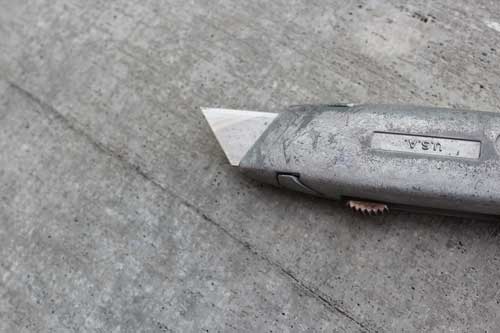
A utility knife is perfect for scoring the board. It’s ideal for small or intricate cuts. Press firmly to score the surface. Snap the board along the scored line. This method works well for straight cuts.3. Jigsaw
A jigsaw is useful for cutting curves. It handles complex shapes with ease. Use a carbide-grit blade. This type of blade is durable and efficient. Remember to cut slowly. This prevents the blade from overheating.4. Drill
A drill is necessary for creating starter holes. These holes help guide your saw. Use a masonry drill bit. It easily pierces through the board. Proper drilling reduces the risk of cracks.5. Safety Gear
Safety gear is crucial when cutting concrete boards. Use goggles to shield your eyes. Wear gloves to protect your hands. A dust mask prevents inhalation of particles. Safety should always be a priority.Safety Precautions
Cutting concrete board requires attention to safety. It’s crucial to avoid accidents and ensure precision. This guide highlights essential precautions for cutting concrete board effectively.
Wear Protective Gear
Safety goggles shield your eyes from dust and debris. Dust masks prevent inhalation of harmful particles. Heavy-duty gloves protect your hands from sharp edges. Ear protection guards against noise, reducing the risk of hearing loss.
Ensure Proper Ventilation
Concrete board cutting generates dust. Work in a well-ventilated area. Open windows or use fans to circulate air. This helps disperse dust, making the environment safer.
Secure The Work Area
Clear the workspace of unnecessary items. Ensure the board is stable before cutting. Use clamps to hold the board firmly in place. This prevents movement and ensures precise cuts.
Check Equipment Condition
Inspect tools before use. Ensure blades are sharp and in good condition. Dull blades can lead to uneven cuts and accidents. Check power cords for damage to avoid electrical hazards.
Use Correct Cutting Techniques
Maintain a steady hand while cutting. Follow the marked lines carefully. Apply consistent pressure to avoid cracking the board. Practice on a small piece first to perfect your technique.
Preparing The Work Area
Preparing your work area is crucial before cutting concrete board. A well-organized space ensures safety and efficiency. It sets the stage for a smooth cutting process. Start by clearing clutter from the area. Ensure you have ample room to maneuver tools and materials. This reduces the risk of accidents and mishaps.
Clear The Workspace
Remove any unnecessary items from your work area. This includes tools, materials, and debris. A tidy space enhances focus and accuracy. It also prevents stumbling over items.
Ensure Proper Lighting
Good lighting is essential for cutting concrete board accurately. Check that your workspace is well-lit. Use additional lamps if needed. Bright light helps you see markings and cut lines clearly.
Ventilate The Area
Cutting concrete board produces dust. Proper ventilation reduces dust inhalation. Open windows or use fans to improve airflow. Consider wearing a mask for added protection.
Gather Necessary Tools
Have all tools within reach before starting. This includes saws, measuring tape, and safety gear. Organize them on a workbench or table. This saves time and minimizes interruptions.
Protect Surrounding Surfaces
Concrete dust can damage nearby surfaces. Cover floors and furniture with plastic sheeting. This keeps them clean and damage-free. Secure the sheeting with tape to prevent movement.
Measuring And Marking
Measuring and marking are crucial steps in cutting concrete board. Accurate measurements and proper marking ensure a precise cut. This helps in fitting the board perfectly in its designated place.
Accurate Measurements
Start by gathering essential tools like a tape measure and pencil. Measure twice to confirm the dimensions. This avoids costly mistakes. Mark the measurements on the concrete board carefully. Remember to record both the length and width. This step helps in cutting the board to the right size.
Marking Techniques
Use a straight edge or ruler for clean, straight lines. A pencil or chalk works well for marking. Ensure the marks are visible. For curved cuts, use a template. Draw the curve precisely. Recheck the marks before cutting. This ensures accuracy and efficiency.
Cutting Methods
Cutting concrete board requires precision and proper tools. Use a circular saw with a carbide blade for clean cuts. Always wear safety gear to protect from dust and debris.
Cutting concrete board can be a daunting task if you don’t know where to start. But with the right tools and techniques, you can achieve clean and precise cuts. Whether you’re tackling a DIY project or a professional job, understanding the different methods to cut concrete board will save you time and effort. Let’s delve into the most effective cutting techniques that will help you get the job done right.Score And Snap Technique
The score and snap method is a simple and effective way to cut concrete board. All you need is a carbide-tipped scoring tool and a straight edge. First, use the straight edge to guide your scoring tool along the cut line. Apply steady pressure to make a deep score. Once you’ve scored the line, place the board on a flat surface with the scored line over the edge. Snap the board downwards with firm pressure. This technique is perfect for straight cuts and minimizes dust and debris. It’s a great option if you’re working in tight spaces or trying to avoid the mess of power tools.Using A Circular Saw
A circular saw is your go-to tool for cutting concrete board quickly and efficiently. Ensure you have a blade designed for cutting cement board. Carbide-tipped or diamond blades are ideal. Mark your cut line clearly before starting. Always wear safety goggles and a dust mask to protect yourself from flying debris. When cutting, maintain a steady hand and let the saw do the work. The circular saw is excellent for long, straight cuts, making it a favorite for professionals. Have you ever watched dust fly while cutting? It’s a sight to behold, but always prioritize safety.Jigsaw For Curved Cuts
For those intricate curved cuts, the jigsaw is your best friend. Use a blade specifically designed for cement board to ensure smooth operation. Secure the board firmly before you start cutting to prevent movement. The jigsaw’s versatility allows for creative shapes and curves, giving you more freedom in your project design. Ever tried shaping a concrete board into a curve with a jigsaw? The precision is incredibly satisfying. This method is particularly useful when you need to fit the board around pipes or other obstacles. Are you ready to give your project the unique edge it deserves?Managing Dust
Cutting concrete board can create a lot of dust. Use a circular saw with a carbide-tipped blade. Work outdoors if possible to minimize indoor dust. Wear a mask and goggles for safety. Keep your workspace clean by using a vacuum or dust control system.
Cutting concrete board can be a dusty task, but managing the dust is crucial for both your health and the quality of your project. Dust can irritate your eyes and lungs, and settle everywhere, creating a cleanup headache. So how do you keep it under control while keeping your focus on the task at hand?Use Proper Safety Gear
Always wear a dust mask or respirator to protect your lungs. Safety goggles will shield your eyes from irritating particles. Consider wearing gloves and long sleeves to keep dust off your skin.Choose The Right Cutting Tools
Selecting the right tools can significantly reduce dust. A score-and-snap method using a utility knife creates minimal dust compared to a power saw. When using a saw, opt for a circular saw with a vacuum attachment.Set Up A Dust Collection System
If you’re using power tools, connect them to a vacuum. This setup captures dust at the source. It also reduces cleanup time and keeps your workspace tidy.Work In A Well-ventilated Area
Cut concrete boards outdoors if possible. If you’re indoors, open windows and use fans to direct dust outside. Ensuring good airflow can make a big difference in dust management.Dampen The Surface
Lightly mist the concrete board with water before cutting. This helps to weigh down the dust and prevent it from becoming airborne. However, be cautious not to soak the material, as excessive moisture can weaken it.Clean Up Immediately After Cutting
Once you’ve finished cutting, clean up the dust straight away. Use a vacuum with a HEPA filter to capture fine particles. This keeps your work area safe and ready for the next task. Managing dust isn’t just about reducing your cleanup time. It’s about ensuring you can breathe easy and work comfortably. Have you ever thought about how dust impacts your project? Keeping it under control might just be the key to a smoother, more enjoyable experience.Finishing Touches
Cutting concrete board requires a few careful steps. Start with measuring and marking the board accurately. Use a carbide-tipped scoring knife or a circular saw with a masonry blade for precise cuts. Ensure safety by wearing protective gear.
Finishing touches are crucial when working with concrete board. They ensure your project not only looks professional but also stands the test of time. Whether you’re a seasoned DIY enthusiast or a beginner, mastering this step makes all the difference.Cleaning The Edges
After cutting, take a moment to inspect the edges of the concrete board. They may have rough or uneven spots. Use a rasp or sandpaper to smooth these out, ensuring a clean finish. Cleaning the edges prevents future issues like chipping or cracking. It also makes the application of finishes or adhesives easier and more effective. Don’t rush this step; a little patience here goes a long way.Sealing The Surface
Sealing the surface of your concrete board is essential for durability. Choose a high-quality sealant to protect against moisture and damage. This step is particularly important if your board will be exposed to water or humidity. Apply the sealant evenly across the surface using a brush or roller. Ensure complete coverage, especially on the edges, where water can easily seep in. Allow the sealant to dry thoroughly before proceeding with any additional work.Final Checks
Before wrapping up, conduct a thorough inspection of your work. Check for any missed spots or imperfections. Addressing these now saves you time and effort in the long run. Consider how your concrete board will fit into the overall project. Is everything aligned correctly? Does the board sit flush with adjoining pieces? A careful final check can prevent future headaches.Reflect On Your Work
Take a moment to reflect on the process. What worked well? What would you do differently next time? This reflection not only improves your skills but also boosts confidence for future projects. As you admire your completed work, consider the satisfaction of a job well done. Each project is a learning experience, and each finishing touch brings you closer to mastering your craft. What new techniques will you try next time?:max_bytes(150000):strip_icc()/SPR-cut-cement-backer-board-5071220-part-01-step-04_53594-9ae32d572f594a76aa1bc0c76f9ed375.jpg)
Credit: www.thespruce.com
Common Mistakes
Cutting concrete board can be tricky. Many make mistakes by using the wrong tools or cutting too fast. Always score the board first to prevent cracks. Proper support is crucial to avoid breakage.
Cutting concrete board can be tricky, especially if you’re new to the process. Mistakes often occur, and they can be costly in terms of both time and materials. Understanding common pitfalls can save you from frustration and ensure your project goes smoothly. Let’s dive into some frequent errors people make and how you can avoid them.Using The Wrong Tools
Selecting inappropriate tools is a common mistake. Many people assume any saw will do, but concrete board requires specific cutting tools. Trying to cut it with a wood saw can lead to damage and uneven cuts. Using a carbide-tipped scoring tool or a diamond blade saw is essential for clean, precise edges. Evaluate your toolkit and ensure you have the right equipment before starting.Neglecting Safety Measures
Safety is often overlooked when cutting concrete board. Dust from cutting can be harmful if inhaled. Always wear a dust mask and safety goggles. Consider using a fan or a vacuum attachment to minimize airborne particles. Your health is as important as the project outcome.Incorrect Measurements
Inaccurate measurements can lead to wasted material and time. Double-check your measurements before cutting. Remember the old saying: Measure twice, cut once. Use a straight edge to mark your lines clearly. This ensures accuracy and avoids the hassle of redoing cuts.Rushing The Process
It’s tempting to rush through the cutting process, especially when you’re eager to see results. However, haste often leads to mistakes. Take your time to prepare and cut slowly and steadily. This not only improves accuracy but also reduces the risk of breaking the board. Patience is your friend here.Ignoring Manufacturer Instructions
Each concrete board brand may have specific cutting instructions. Overlooking these can lead to improper handling and damage. Always read the manufacturer’s guidelines before you begin. They provide valuable insights tailored to their product. Are you following the correct procedure for your specific board? Avoiding these common mistakes can make your concrete board cutting experience much more successful. Reflect on your past projects—have you made any of these errors? What will you do differently next time?Maintenance Tips
Concrete boards are durable and reliable for construction projects. Proper maintenance ensures their longevity and functionality. Regular checks and care help prevent damage and enhance performance. Below are some maintenance tips to keep your concrete boards in top condition.
Regular Cleaning
Clean concrete boards with a soft brush and mild detergent. Avoid harsh chemicals. Rinse thoroughly with water to remove all cleaning residues. This prevents build-up of grime and maintains the board’s strength.
Inspect For Damage
Check boards regularly for cracks or chips. Address minor damages immediately. Small issues can grow if left unattended. Timely repairs ensure safety and durability.
Seal The Surface
Apply a sealant to protect the board from moisture. Sealing prevents water absorption, reducing risk of cracking. Follow the manufacturer’s instructions for best results.
Store Properly
Store concrete boards in a dry, covered area. Moisture exposure can weaken the boards. Keep them elevated to prevent ground contact. Proper storage extends the life of your boards.
Use Protective Gear
Wear safety gear during maintenance activities. Gloves and goggles protect from dust and debris. Safety should always be a priority.

Credit: www.wikihow.com
Frequently Asked Questions
What Is The Best Tool To Cut Cement Board With?
A carbide-tipped scoring knife is ideal for cutting cement board. For straight cuts, use a circular saw with a carbide blade. For intricate cuts or curves, a jigsaw with a carbide-grit blade works best. Ensure proper safety gear like goggles and a mask to protect from dust.
What Is The Easiest Way To Cut Concrete Board?
Use a carbide-tipped scoring tool to cut concrete board easily. Score the board deeply, then snap it along the scored line. This method is simple, clean, and efficient, ensuring precise cuts without power tools. Always wear safety gear to protect against dust and debris during cutting.
Do I Need A Special Blade To Cut Cement Board?
Use a carbide-tipped blade to cut cement board effectively. Standard blades may wear out quickly. Ensure the blade is suitable for masonry materials to achieve clean cuts. Proper tools prevent damage to the board and enhance precision in cutting tasks.
Always follow safety guidelines while handling cutting equipment.
Can You Cut Cement Board Like Drywall?
Cement board cannot be cut like drywall. Use a carbide-tipped scoring tool for cement board. Scoring and snapping work well. Always wear protective gear due to dust and debris. Cement board requires different tools compared to drywall for a clean cut.
Conclusion
Cutting concrete board is straightforward with the right tools. Measure carefully before you start. Use a pencil to mark cuts. A carbide-tipped saw works best for cutting. Wear safety goggles and a dust mask. Keep your workspace clean and organized.
Practice patience for precise cuts. Smooth edges with sandpaper for a clean finish. Check the edges for sharpness. Consider safety always. Cutting concrete board can be simple with practice. Follow these tips for better results. Your projects will look professional and neat.
Enjoy the process and stay safe.

Hi, I’m Daniel Brooks—a food lover and kitchen gear enthusiast. I enjoy testing cookware, utensils, and gadgets to see what really works in everyday cooking. At PlugChef.com, I share honest reviews, comparisons, and simple guides to help you choose the best tools for a safer, smarter, and more enjoyable kitchen.
Related posts:
 What Type of Cooking Utensils are Safe: Expert Picks
 What Innovations Could Blenders Make: Unleashing Future Tech
 Smart Strategies to Organize a Small Kitchen: Maximize Space
 How to Organize a Kitchen Cabinet: Expert Tips & Tricks
 How to Organize Kitchen Drawers: Expert Tips and Tricks
 How to Organize a Corner Kitchen Cupboard: Expert Tips

