
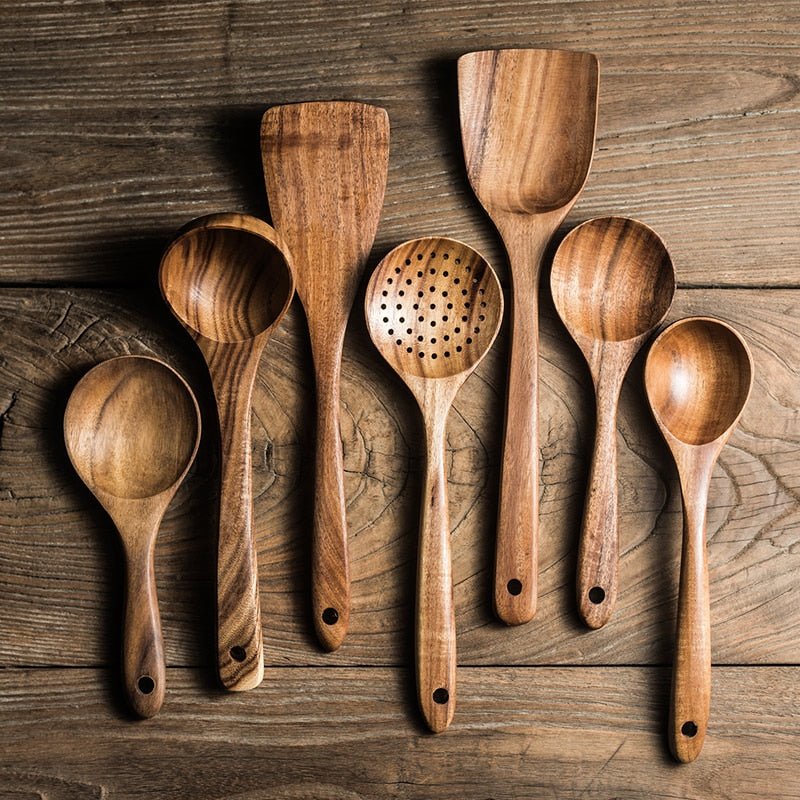
Are you on a quest to find the perfect cooking utensils for your kitchen? You might have stumbled upon teak utensils and wondered about their safety.
Teak wood has gained popularity for its durability and elegant appearance, but is it really safe for cooking? Before you make a decision, it’s essential to understand the facts behind these beautiful tools. Imagine effortlessly stirring a pot of soup with a teak spoon, knowing it’s not only stylish but also safe for your family.
We’ll dive into the world of teak cooking utensils, exploring their benefits, potential drawbacks, and what makes them a choice worth considering. Get ready to uncover everything you need to know to ensure your kitchen remains a safe haven for culinary creativity. Let’s get started!

Credit: www.amazon.com
Teak Wood Characteristics
Teak wood is a popular choice for cooking utensils. It offers unique characteristics that make it appealing. The natural beauty and functionality of teak wood set it apart. Here, we explore its durability, strength, and natural oils.
Durability And Strength
Teak wood is known for its exceptional durability. It withstands regular use in the kitchen without wearing down. Its dense grain structure enhances its strength. This ensures your utensils last longer than other woods. Chefs appreciate its ability to resist cracking and warping. Teak maintains its shape even with frequent washing.
Natural Oils And Resistance
Teak wood contains natural oils within its fibers. These oils make the wood resistant to water and pests. They also provide a natural sheen, enhancing its appearance. The oils act as a barrier against moisture. This keeps the wood from absorbing water and developing mold. The resistance to decay ensures long-lasting kitchen tools.
Safety Of Teak Utensils
Teak cooking utensils are gaining popularity in kitchens worldwide. Their natural beauty and durability make them a favorite choice. But how safe are they for everyday cooking? Understanding the safety features of teak can help you make informed decisions.
Teak wood is known for its non-toxic properties. This is crucial for kitchen tools that come into contact with food.
Non-toxic Properties
Teak wood is naturally free from harmful chemicals. Unlike plastic, it does not leach toxins into food. This makes it a safe option for cooking utensils. Many kitchen tools are treated with harmful finishes. Teak’s natural oils provide protection without additives. You can feel confident using teak utensils every day.
Heat Resistance
Teak is also heat-resistant. It can withstand high cooking temperatures. This prevents warping or breaking during use. Heat resistance is crucial for utensils like spatulas. They often come into contact with hot pans and pots. Teak’s durability ensures long-lasting performance.
These qualities make teak utensils a safe choice for any kitchen. Their non-toxic nature and heat resistance offer peace of mind. Selecting teak ensures safety while enjoying cooking.
Benefits Of Teak Utensils
Choosing the right kitchen tools can transform your cooking experience, and teak utensils offer numerous benefits that might surprise you. From their eco-friendly nature to their stunning aesthetic appeal, teak utensils could be just what your kitchen needs. Let’s dive into why you might want to add these to your culinary arsenal.
Eco-friendly Choice
Teak wood is an excellent sustainable option for environmentally-conscious cooks. Its natural growth process and minimal need for chemical treatments make it a greener choice compared to plastic or metal. By choosing teak, you contribute to a healthier planet.
Have you ever considered how much plastic ends up in landfills each year? Switching to teak utensils reduces your carbon footprint. Plus, teak’s durability means you won’t need replacements anytime soon, saving both resources and money.
Aesthetic Appeal
The rich, golden-brown hues of teak wood are undeniably beautiful. They bring a warm, inviting feel to any kitchen space. Imagine the compliments you’ll receive when guests see your elegant teak collection.
Not only do they look good, but they also feel good in your hands. The smooth texture of teak utensils makes cooking a joy. Wouldn’t you prefer stirring your soups with a piece of art rather than a lifeless metal spoon?
Picture this: a beautifully crafted teak spatula resting next to your stove, ready to help you whip up your favorite dish. It’s not just a tool, it’s an experience. Why settle for the mundane when you can have a touch of luxury in your everyday cooking?
Potential Drawbacks
Teak cooking utensils might have drawbacks. They can splinter over time, posing a risk. Some finishes used on teak could contain harmful chemicals. Regular maintenance is necessary to prevent these issues.
When considering teak cooking utensils, you might be curious about their potential drawbacks. While they offer numerous benefits, there are a few concerns worth noting. Understanding these issues can help you make a more informed decision about adding teak utensils to your kitchen.Cost Considerations
Teak utensils often come with a higher price tag compared to their plastic or stainless steel counterparts. This can be a significant factor if you’re on a tight budget. However, think about their durability and long-lasting nature. Are you willing to pay more now for a product that might save you money in the long run? These utensils are often handmade and imported, which contributes to the cost. Unlike mass-produced items, each piece is crafted with care. This craftsmanship can justify the expense for many. But is this level of detail important for your cooking needs?Maintenance Needs
Teak utensils require regular maintenance to keep them in top condition. They need to be oiled frequently to maintain their natural beauty and resist moisture. This might feel like an extra chore if you prefer low-maintenance kitchen tools. Avoid putting them in the dishwasher, as the harsh environment can damage the wood. Handwashing and air drying are necessary to ensure longevity. Are you ready to adapt your routine to care for these items properly? Some users find the maintenance a relaxing ritual, similar to caring for a cherished piece of furniture. This perspective can make the upkeep feel less like a task and more like a rewarding process. Could this be an enjoyable addition to your kitchen routine?Comparing With Other Materials
Choosing the right cooking utensils is essential for a safe kitchen. Teak utensils offer several benefits that differentiate them from others. Comparing teak with bamboo and plastic can help make an informed choice. Each material has unique characteristics affecting durability, safety, and usability.
Teak Vs. Bamboo
Teak is known for its durability. It withstands heat and moisture well. Bamboo is lighter and more eco-friendly. Teak resists warping and cracking due to its natural oils. Bamboo can split over time, especially in high-heat situations. Teak’s dense grain makes it less porous. Bamboo absorbs odors and stains more easily. This makes teak a preferred choice for many cooks.
Teak Vs. Plastic
Plastic utensils are affordable and easy to find. They are lightweight and non-reactive. But they can melt at high temperatures. Teak remains stable under heat. Plastic can leach chemicals when scratched or heated. Teak is a natural material, offering a safer option. It provides a solid grip and feels sturdy in hand. Plastic can become slippery when wet. Teak’s appeal lies in its balance of beauty and function.

Credit: www.amazon.com
Caring For Teak Utensils
Teak cooking utensils are safe, offering durability and resistance to moisture. They are gentle on cookware surfaces, minimizing scratches. Regular oiling maintains their quality and longevity, ensuring a pleasant cooking experience.
Caring for your teak utensils is essential to ensure their longevity and functionality. These beautiful and durable tools are a fantastic addition to any kitchen, but they do require some special attention. By following a few simple steps, you can keep your teak utensils looking new and performing well for years to come.Cleaning Tips
Cleaning teak utensils properly is crucial to maintaining their quality. Avoid soaking them in water, as this can cause the wood to swell and crack. Instead, wash them with warm, soapy water and a soft cloth or sponge. After washing, dry them immediately with a clean towel to prevent moisture absorption. I remember when I left my teak spoon in the sink overnight, only to find it slightly warped the next morning. A quick towel dry could have easily prevented that mishap.Preventing Wear And Tear
To keep your teak utensils in top condition, it’s important to minimize exposure to extreme temperatures. Avoid placing them in the dishwasher or leaving them on a hot stovetop. The heat can dry out the wood and cause it to crack or split. Regularly apply food-safe mineral oil to your utensils to maintain their natural luster and prevent drying. Just a light coating every month can make a huge difference. This simple step can be the difference between a dull utensil and one that looks brand new. Have you ever wondered why some teak utensils last longer than others? It’s often due to how they’re cared for. Taking a few minutes to clean and condition your teak utensils can save you from having to replace them sooner than you’d like.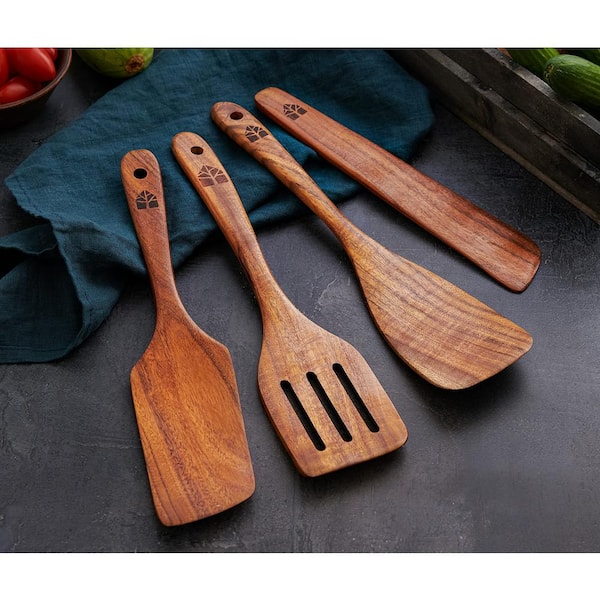
Credit: www.homedepot.com
Frequently Asked Questions
Are Teak Wood Cooking Utensils Non-toxic?
Yes, teak wood cooking utensils are non-toxic. They are safe for food preparation and won’t leach harmful chemicals. Teak is naturally resistant to moisture and bacteria, making it a healthy choice for kitchen use. Always ensure the utensils are untreated or finished with food-safe oils.
Can You Cook With Teak Utensils?
Yes, teak utensils are great for cooking. They are durable and resist moisture. Teak’s natural oils prevent cracking. Ideal for non-stick cookware, teak won’t scratch surfaces. Regular cleaning ensures longevity. Perfect choice for the kitchen!
What Kind Of Wood Is Safest For Cooking Utensils?
Beechwood and maple are safest for cooking utensils. Both are non-toxic, durable, and resist bacteria. Avoid softwoods like pine as they may splinter. Choose hardwoods for long-lasting, safe kitchen tools. Sustainable sourcing is also important for eco-friendly choices.
Is Teak Wood Okay To Cook With?
Teak wood is not recommended for cooking. It contains natural oils and resins that can affect food flavor. Use hardwoods like oak or hickory for grilling or smoking. Always ensure the wood is untreated and free from chemicals for safe cooking.
Conclusion
Teak cooking utensils are a great choice for your kitchen. They offer durability and style. Natural oils in teak wood resist moisture. This makes them safe for everyday use. Teak utensils are gentle on cookware surfaces. They prevent scratches on pans and pots.
Easy to clean, they don’t hold onto food smells. This ensures a fresh cooking experience every time. With proper care, teak utensils last for years. They are a smart investment for any home cook. Choose teak for a safe and reliable option.
Your kitchen deserves quality tools. Enjoy cooking with peace of mind.

Hi, I’m Daniel Brooks—a food lover and kitchen gear enthusiast. I enjoy testing cookware, utensils, and gadgets to see what really works in everyday cooking. At PlugChef.com, I share honest reviews, comparisons, and simple guides to help you choose the best tools for a safer, smarter, and more enjoyable kitchen.
Related posts:
 What Type of Cooking Utensils are Safe: Expert Picks
 What Innovations Could Blenders Make: Unleashing Future Tech
 Smart Strategies to Organize a Small Kitchen: Maximize Space
 How to Organize a Kitchen Cabinet: Expert Tips & Tricks
 How to Organize Kitchen Drawers: Expert Tips and Tricks
 How to Organize a Corner Kitchen Cupboard: Expert Tips

