
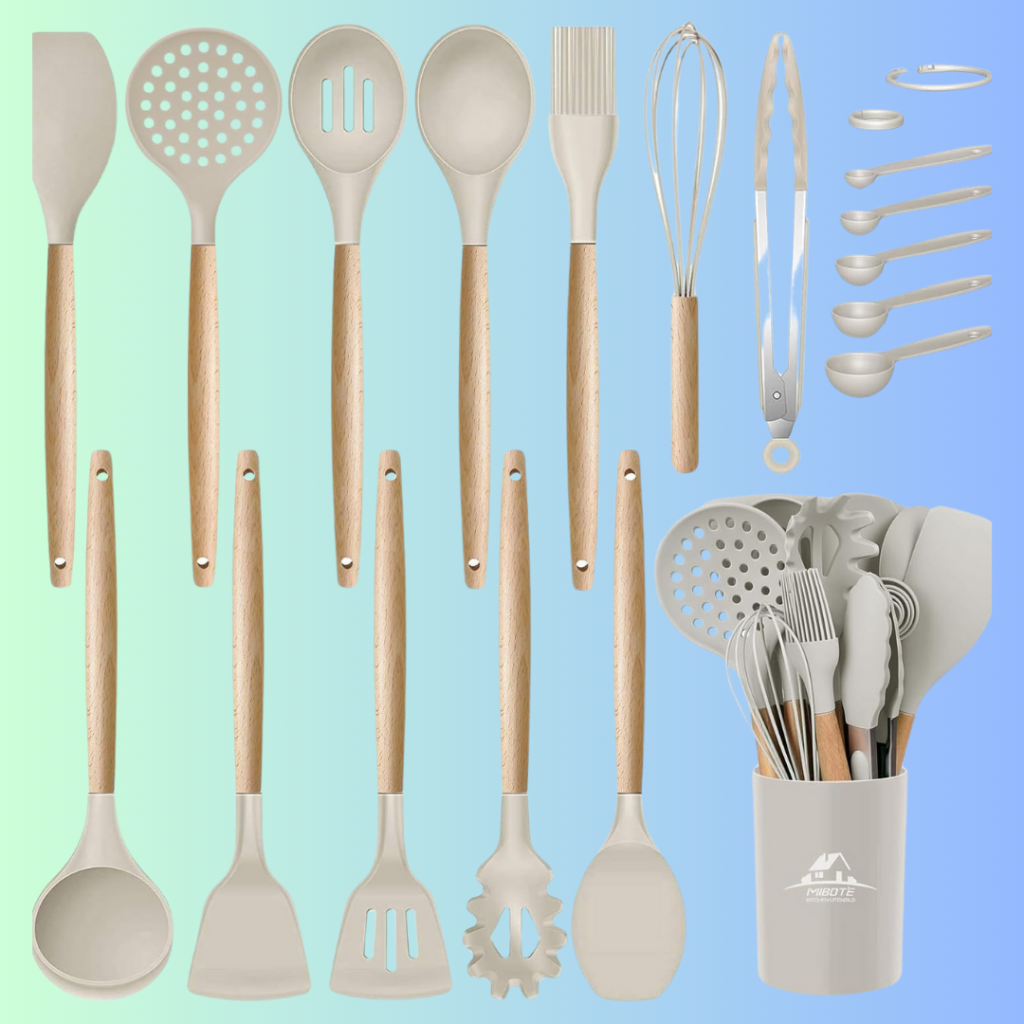
Have you ever paused in the kitchen, staring at your colorful silicone spatula, wondering if it’s truly safe for your cooking adventures? You’re not alone.
As more people switch to silicone cooking utensils, questions about their safety are popping up everywhere. You want to ensure that what you’re using is not only convenient but also harmless to your health and the environment. Imagine the peace of mind knowing that your kitchen tools are safe for you and your loved ones.
Dive into this article to uncover the truth about silicone cooking utensils, so you can cook with confidence and ease, every single day.

Credit: www.reddit.com
Silicone Material Basics
Silicone cooking utensils have gained popularity in kitchens worldwide. The material’s flexibility and heat resistance make them a favorite. Yet, many question their safety for cooking. Understanding the basics of silicone material can provide clarity.
What Is Silicone?
Silicone is a synthetic polymer made from silicon, oxygen, and other elements. It’s known for its rubber-like texture and flexibility. Silicone can withstand extreme temperatures, making it ideal for kitchen use. It’s also non-toxic and hypoallergenic.
Common Uses In The Kitchen
Silicone is often used in baking mats, spatulas, and molds. Its non-stick properties make it perfect for these tasks. Silicone utensils are also popular for mixing and stirring. They don’t scratch non-stick cookware, preserving your pots and pans. Silicone can also be found in oven mitts and trivets. Its heat resistance protects your hands and surfaces from burns.

Credit: www.reddit.com
Safety Standards
Silicone cooking utensils have become a staple in modern kitchens. Their flexibility, durability, and vibrant colors make them a favorite among home cooks. But when you’re stirring a hot soup or flipping pancakes, you might wonder if these tools are safe. This concern leads us to explore the safety standards that govern silicone utensils. Understanding these standards can help you make informed choices and ensure your kitchen remains a safe space.
Fda And Eu Regulations
Silicone utensils are subject to stringent regulations in the US and EU. The FDA ensures that materials used in kitchenware are food-grade and non-toxic. They conduct tests to ensure silicone doesn’t leach harmful substances into food.
In the EU, similar regulations exist, focusing on consumer safety. The European Food Safety Authority (EFSA) oversees the materials used in food-related products. They aim to protect your health by setting strict guidelines that manufacturers must follow.
Next time you buy silicone utensils, check if they comply with FDA or EFSA standards. This compliance is a strong indicator of safety and quality.
Quality Certifications To Look For
Beyond regulations, certain certifications can assure you of the quality of silicone utensils. Look for labels like LFGB, which is a German certification that ensures high safety standards.
Certifications like LFGB often require more rigorous testing than basic regulations. They indicate that the product has undergone additional scrutiny to ensure it’s safe for everyday use.
When shopping, check for these certifications on the packaging. They can offer peace of mind and help you choose utensils that are safe for your family.
Have you ever wondered how often you use these utensils without checking their safety credentials? Next time, take a moment to examine your kitchen tools. It’s a small step towards a safer cooking experience.
Health Concerns
Silicone cooking utensils are generally safe for everyday use. They withstand high temperatures without leaching chemicals. Choose high-quality, food-grade silicone for peace of mind. Always ensure they are BPA-free and free from harmful additives. Regular cleaning helps maintain their safety and longevity.
When you’re cooking your favorite meal, the last thing on your mind might be the safety of your utensils. Yet, silicone cooking utensils are often under scrutiny regarding health concerns. Are they truly safe? Let’s dive deeper into these issues and uncover what you might want to consider.Potential Chemical Leaching
Silicone, a synthetic polymer, has been praised for its flexibility and durability. However, some worry about chemicals leaching into food during cooking. Imagine preparing a hearty stew and wondering if your spatula is adding unwanted elements to your dish. Studies have shown that high-quality silicone has minimal leaching risks. Still, it’s essential to ensure your utensils are of good quality. Have you ever noticed a strange taste or smell from your cooked food? This could indicate lower-grade silicone releasing chemicals. Investing in reputable brands can minimize these risks, reassuring you that your family meal remains pure and safe.High-temperature Stability
Silicone is known for its ability to withstand high temperatures without melting, making it ideal for cooking. However, what happens when the heat gets too intense? If you’ve ever left a silicone spatula on a hot pan for too long, you might have worried about its safety. Quality silicone utensils are designed to endure temperatures up to 500°F (260°C), but exceeding this limit can compromise their integrity. Always check the manufacturer’s guidelines for temperature limits. This precaution ensures your utensils remain reliable and safe, even when you’re cooking up a storm. When considering these health concerns, think about your cooking habits. Are your utensils up to the task of ensuring a safe kitchen environment? Prioritizing quality can significantly impact your culinary experience and peace of mind.Durability And Longevity
Silicone cooking utensils have gained popularity in modern kitchens. One key reason is their durability and longevity. These utensils promise a lasting performance that appeals to many home cooks and professionals. Let’s explore why silicone stands out in terms of durability.
Resistance To Wear And Tear
Silicone utensils resist scratches and dents. This makes them ideal for daily use. Unlike metal, they do not bend or deform easily. Silicone handles high temperatures without melting. This quality ensures they remain intact over time. Their resilience is a major advantage for busy kitchens.
Comparison With Other Materials
Compared to wooden utensils, silicone offers greater longevity. Wood can crack or splinter with frequent use. Silicone, on the other hand, maintains its shape and function. Metal utensils may rust, while silicone is rust-free. Plastic utensils might warp, but silicone stays firm and reliable.
Silicone’s durability makes it a smart choice for cooks. Its lasting performance ensures that you get value for your money. Enjoy cooking with peace of mind knowing your utensils will last.
Environmental Impact
Silicone cooking utensils are popular for their durability and heat resistance. But what about their impact on the environment? This section explores how these utensils affect our planet. Understanding the environmental footprint of silicone is vital for eco-conscious consumers.
Biodegradability
Silicone is not biodegradable. It doesn’t break down easily in nature. While it lasts longer than plastic, disposal can be tricky. This longevity means less frequent replacement, which reduces waste. But once discarded, silicone remains in landfills for years.
Recycling Options
Recycling silicone isn’t straightforward. Many local recycling programs do not accept it. Specialized facilities can recycle silicone, but they are less common. Contact manufacturers for recycling advice. They may offer take-back programs or guidance.
Consumer Experiences
Consumer experiences with silicone cooking utensils vary widely. Some users love their convenience and durability. Others have concerns about potential health risks. Understanding these experiences can help new buyers make informed decisions.
User Reviews And Testimonials
Many users praise silicone utensils for their non-stick properties. They find them easy to clean. Reviews often highlight their flexibility and heat resistance. People appreciate that they don’t scratch cookware. Some users like their bright colors and modern design. Testimonials frequently mention how they are lightweight and easy to handle.
Common Problems Encountered
Not all experiences are positive. Some consumers report a rubbery smell when first used. A few mention discoloration after several uses. There are concerns about their durability under high heat. Some users find them too flexible for certain tasks. Others worry about potential toxins when exposed to heat. These issues create hesitations for some buyers.
Expert Opinions
Experts assure that silicone cooking utensils are safe for kitchen use. They withstand high temperatures without releasing harmful chemicals. Silicone’s non-stick nature makes it a practical choice for various cooking tasks.
When choosing kitchen tools, safety is often a top concern. Silicone cooking utensils are popular for their flexibility and heat resistance, but are they safe to use? To find out, let’s look at what experts have to say. We’ll explore insights from health experts and industry professionals to help you make informed decisions for your kitchen.Insights From Health Experts
Health experts often highlight the benefits of using silicone utensils. Silicone is non-reactive, which means it doesn’t release harmful chemicals when it comes into contact with food or heat. This is especially reassuring when you’re preparing meals for your family. Dr. Emily Carter, a nutritionist, shares her personal experience: “I’ve used silicone spatulas for years. I recommend them to my clients because they don’t leach toxins like some plastic utensils do.” Her view is common among health professionals who prioritize non-toxic kitchenware for better health. Do you ever wonder if the materials you use in cooking could affect your health? Health experts encourage you to consider the materials your kitchen tools are made of. With silicone, they often give a thumbs-up for its safety profile.Industry Professional Views
Those in the kitchenware industry often praise silicone for its durability and functionality. Chefs and cooking enthusiasts find silicone utensils to be versatile and user-friendly. They resist heat, which makes them ideal for various cooking tasks without the risk of melting. Chef Marcus Green shares a practical insight: “Silicone utensils are my go-to in the kitchen. They’re perfect for non-stick pans since they don’t scratch the surface.” This makes them a popular choice for both home cooks and professional chefs. The industry also points out silicone’s longevity. Unlike wooden utensils, which can crack or harbor bacteria, silicone is easy to clean and maintain. This practical benefit makes it a favorite for busy kitchens. Are you considering upgrading your kitchen tools? Industry professionals suggest starting with a set of silicone utensils. Their positive feedback is backed by practical benefits that enhance everyday cooking. In conclusion, both health experts and industry professionals find silicone cooking utensils to be safe and practical. With their combined insights, you can feel confident in using silicone tools in your kitchen.Making Informed Choices
In today’s kitchen, silicone cooking utensils are everywhere. They promise ease, durability, and a touch of color. But how do you know they’re safe for your family? Making informed choices is key. You don’t want to compromise your health for convenience or style. Let’s look at what you should consider before buying silicone utensils.
Factors To Consider When Buying
First, check the quality of the silicone. High-grade, food-safe silicone is free from fillers and doesn’t emit any odor. If a utensil smells funny, it’s best to avoid it.
Consider the temperature resistance of the utensil. Ensure it can withstand the heat levels you typically use in your cooking. You want utensils that won’t warp or degrade with high temperatures.
Look for certifications. Utensils with FDA approval or LFGB certification are generally safe. These labels ensure the product meets safety standards.
Tips For Safe Use
Don’t use silicone utensils directly over open flames. They are heat-resistant but not flame-proof. Always use them with caution.
Avoid cutting or scraping with silicone spatulas on hot pans. It can damage both the utensil and the pan’s surface. Use them gently to prolong their life.
Regular cleaning is essential. Ensure you clean your silicone utensils thoroughly after each use. It prevents bacterial buildup and maintains hygiene.
Have you ever thought about how you store your utensils? Keeping them away from direct sunlight can prevent them from becoming brittle over time.
What do you look for when buying kitchen tools? Is safety your top priority, or do you go for style? Share your thoughts and experiences below!

Credit: www.reddit.com
Frequently Asked Questions
Are Silicone Cooking Utensils Toxic Free?
Silicone cooking utensils are generally considered non-toxic and safe for kitchen use. High-quality silicone is free from harmful chemicals like BPA. Always choose FDA-approved products to ensure safety and reliability. Silicone withstands high temperatures without leaching chemicals, making it ideal for cooking.
What Is The Healthiest Material For Cooking Utensils?
Stainless steel and bamboo are among the healthiest cooking utensil materials. They are non-reactive and durable. Stainless steel resists rust and corrosion, while bamboo is eco-friendly and gentle on cookware. Both options ensure safe and healthy cooking experiences.
Why Shouldn’t You Cook With Silicone?
Silicone can release harmful chemicals at high temperatures. It may degrade and affect food quality. Ensure silicone products are food-grade and heat-resistant. Avoid prolonged exposure to temperatures above the manufacturer’s recommendations. Use silicone cautiously to maintain safety and food taste.
Does Silicone Leach Into Food When Cooked?
Silicone cookware is generally safe and doesn’t leach into food when used at normal cooking temperatures. It’s heat-resistant and non-reactive, making it a popular choice. Ensure you use high-quality, food-grade silicone products to avoid any risks. Always follow manufacturer guidelines for safe use.
Conclusion
Silicone cooking utensils are generally safe for everyday use. They withstand high heat, making them ideal for cooking. They are also non-reactive, so no chemicals leach into your food. Easy to clean and durable, they offer great convenience in the kitchen.
Always choose high-quality silicone products. Check for food-grade labels to ensure safety. Avoid low-quality options that may contain fillers. With proper care, silicone utensils can be a reliable choice for your cooking needs. Keep informed and choose wisely for a safe cooking experience.

Hi, I’m Daniel Brooks—a food lover and kitchen gear enthusiast. I enjoy testing cookware, utensils, and gadgets to see what really works in everyday cooking. At PlugChef.com, I share honest reviews, comparisons, and simple guides to help you choose the best tools for a safer, smarter, and more enjoyable kitchen.
Related posts:
 What Type of Cooking Utensils are Safe: Expert Picks
 What Innovations Could Blenders Make: Unleashing Future Tech
 Smart Strategies to Organize a Small Kitchen: Maximize Space
 How to Organize a Kitchen Cabinet: Expert Tips & Tricks
 How to Organize Kitchen Drawers: Expert Tips and Tricks
 How to Organize a Corner Kitchen Cupboard: Expert Tips

