
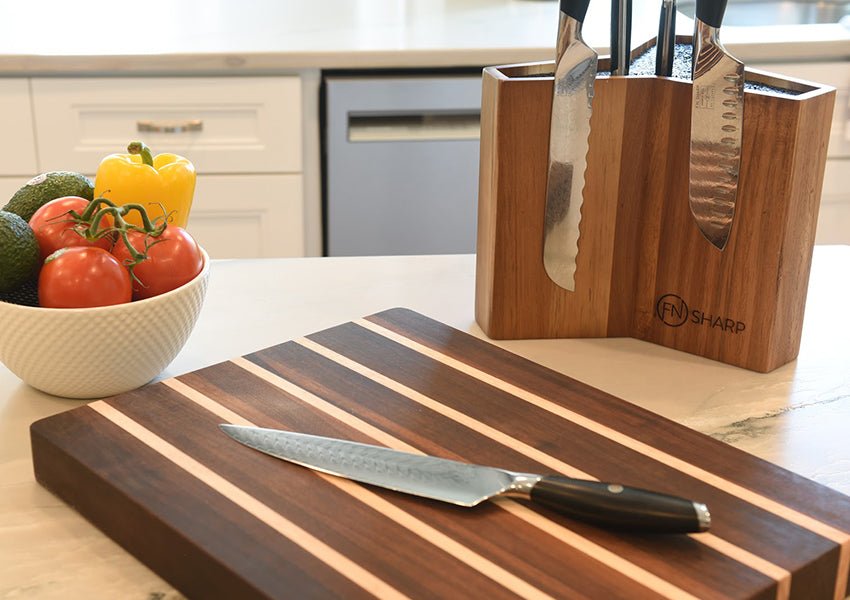
When choosing the right cutting board for your kitchen, you want something that combines durability, style, and practicality. Acacia wood often pops up as a popular choice, but is it really good for cutting boards?
As you sift through options, you might wonder if Acacia wood stands up to the daily grind of chopping and slicing. Imagine a cutting board that not only elevates the aesthetic of your kitchen but also serves as a reliable partner in culinary adventures.
Discover how Acacia wood might be the perfect match for your needs. Dive into the insights that could transform your cooking experience and redefine your kitchen space. Keep reading to uncover the truth about Acacia wood cutting boards and decide if they’re your ideal choice.
Benefits Of Acacia Wood
Acacia wood offers durability and resistance to water, making it ideal for cutting boards. Its natural hardness prevents deep cuts, which helps maintain hygiene. The beautiful grain adds a touch of elegance to any kitchen.
Acacia wood is often touted as an excellent choice for cutting boards, and for good reason. This type of wood offers a range of benefits that make it a favorite among chefs and home cooks alike. Whether you’re slicing veggies or carving a roast, using an acacia wood cutting board can enhance your culinary experience. Let’s dive into the specific benefits that make acacia wood stand out.Durability And Strength
Acacia wood is known for its remarkable durability. Unlike softer woods, acacia can withstand heavy chopping and slicing without showing signs of wear. Have you ever noticed your cutting board looking worn out after just a few uses? Acacia wood’s strength ensures it remains resilient even with frequent use. This means you spend less time worrying about replacing your board and more time focusing on the joy of cooking.Natural Beauty And Aesthetics
The natural beauty of acacia wood is something to behold. Its rich, warm tones can add a touch of elegance to your kitchen. Imagine the satisfaction of serving a dish on a beautifully crafted board that complements your culinary creation. The unique grain patterns of acacia wood make each piece one-of-a-kind. This offers a delightful surprise every time you use it. Wouldn’t you love to impress your guests with not only your cooking but also the presentation?Sustainability And Eco-friendliness
If you’re conscious about the environment, acacia wood is a sustainable choice. The trees grow relatively quickly and are often harvested responsibly. By choosing acacia, you contribute to eco-friendly practices. Isn’t it nice to know that your choice in cutting boards is helping to preserve our planet? Plus, acacia wood is biodegradable, so when the time comes to replace it, you can do so with a clear conscience. Incorporating acacia wood into your kitchen is more than just a practical decision; it’s an investment in quality, beauty, and sustainability. Next time you’re shopping for a cutting board, consider the lasting benefits that acacia wood can bring to your culinary adventures.Acacia Wood Vs Other Woods
When choosing the perfect cutting board, you might find yourself considering various types of wood. Acacia wood stands out for its durability and aesthetic appeal, but how does it compare to other popular woods like maple, bamboo, and teak? Let’s dive into these comparisons to help you make an informed decision.
Comparison With Maple
Maple is a classic choice for cutting boards due to its hard surface and resistance to knife marks. It’s often favored in professional kitchens. But acacia wood offers a unique advantage with its natural resistance to water and bacteria, making it a great option for home use where hygiene is a priority. Maple requires regular maintenance to keep its surface smooth, whereas acacia’s natural oils provide a bit of self-protection.
Comparison With Bamboo
Bamboo boards are eco-friendly and lightweight, appealing to those conscious about sustainability. They’re less expensive than acacia but can be prone to cracking over time. Acacia, on the other hand, is more robust and can withstand heavy chopping without splitting. If you’ve ever had a bamboo board, you might know how it can dull knives quickly. Acacia’s softer surface is gentler on your blades, preserving their sharpness.
Comparison With Teak
Teak is known for its luxurious look and high oil content, offering excellent water resistance. Both teak and acacia share this trait, but acacia is often more affordable. Imagine hosting a dinner party; acacia’s rich grain can be a conversation starter, just like teak, but without breaking the bank. Teak can be heavier and harder to handle, while acacia’s lighter weight makes it easier to move around your kitchen.
When choosing your cutting board, think about your priorities. Do you value sustainability, aesthetics, or durability? Each wood type offers unique benefits. Have you considered how your cutting board might impact your cooking experience? Your choice might just change the way you cook.
Maintenance And Care
Acacia wood cutting boards offer durability and natural beauty. They resist water damage and scratches. Regular oiling keeps them in prime condition, ensuring long-lasting use in the kitchen.
Acacia wood is renowned for its durability and attractive appearance, making it a popular choice for cutting boards. However, to ensure its longevity and maintain its beauty, proper care and maintenance are essential. Whether you’re a seasoned chef or an occasional cook, understanding how to care for your acacia wood cutting board can make all the difference in its performance and lifespan. Here, we break down the best practices for maintaining your acacia cutting board.Cleaning Tips
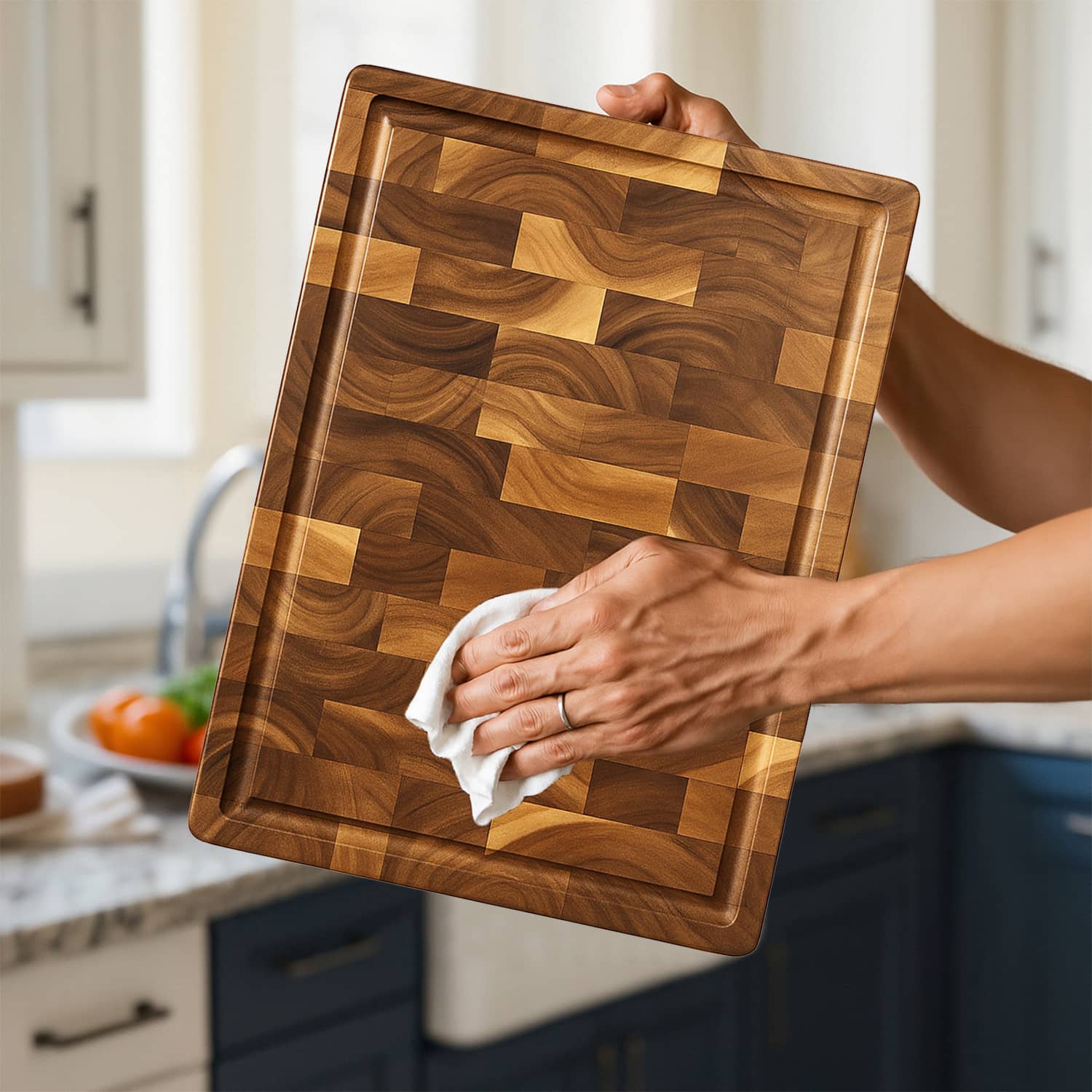
Cleaning your acacia wood cutting board is a straightforward yet crucial task. After each use, wash the board with warm water and mild dish soap. Avoid soaking it in water, as excessive moisture can lead to warping or cracking. To prevent bacterial build-up, scrub the board gently with a soft sponge or brush. Dry it immediately with a clean towel to avoid moisture retention. For stubborn stains or odors, try a mixture of baking soda and water. This natural remedy can refresh your board without harsh chemicals.Oiling And Conditioning
Regular oiling is key to preserving the natural luster of acacia wood. Use food-grade mineral oil, applying it generously to the surface of the board. This will help to prevent drying and cracking. Allow the oil to penetrate the wood overnight. Wipe off any excess oil the next day with a clean cloth. You might wonder, how often should you oil your board? Generally, once a month suffices, but the frequency can increase with heavy usage. Conditioning with beeswax can add an extra layer of protection. It seals the wood and enhances its shine, making it not only functional but also a kitchen showpiece.Avoiding Damage
Protecting your acacia cutting board from damage is all about prevention. Avoid using harsh cleaners or abrasive scrubbers. They can scratch the surface and diminish its finish. Never place your acacia board in the dishwasher. The intense heat and prolonged water exposure can cause irreversible damage. Consider using separate boards for different types of food, especially raw meat and veggies. This prevents cross-contamination and keeps your board in prime condition. Have you ever used your cutting board as a serving platter? Acacia wood’s aesthetic appeal makes it tempting. Just remember, cutting on it while serving can lead to unsightly marks. In caring for your acacia wood cutting board, you’re not just preserving a tool; you’re investing in a piece that enhances your cooking experience. How do you maintain your cutting board? Share your tips and tricks in the comments below!
Credit: www.crateandbarrel.com
Health And Safety Aspects
Acacia wood is a popular choice for cutting boards. Its natural resistance to water and bacteria enhances kitchen safety. Durable and eco-friendly, it helps prevent knife damage, ensuring a safe food preparation surface.
Health and Safety Aspects Choosing the right material for your cutting board can have significant implications for health and safety in your kitchen. Acacia wood, popular for its aesthetic appeal, also offers a range of benefits in terms of hygiene and safety. Let’s dive into some important considerations when it comes to using acacia wood for your cutting board.Bacterial Resistance
Acacia wood is naturally dense and hard, which makes it resistant to bacterial penetration. This is crucial for a cutting board, as bacteria from raw foods can easily get trapped and breed in porous surfaces. A study I read once highlighted how certain woods, like acacia, possess antimicrobial properties that help in keeping the surface cleaner. Does knowing that your cutting board is fighting bacteria for you bring peace of mind?Food Safety Concerns
You might be wondering about the safety of acacia wood in contact with food. The good news is that acacia wood is food-safe and doesn’t leach harmful chemicals into your food. It’s always wise to ensure your cutting board is made from untreated acacia wood to avoid any chemical treatments. Also, maintaining your board by regularly oiling it can prolong its life and keep it safe for food preparation.Allergies And Sensitivities
While acacia wood is generally safe, it’s important to consider potential allergies. Some people might be sensitive to the natural oils present in acacia wood. If you or someone in your household has sensitive skin or respiratory issues, monitoring for any allergic reactions when using the board can be a prudent step. Do you know if anyone in your home has a wood allergy? By understanding these health and safety aspects, you can make an informed decision about using acacia wood cutting boards. Remember, the right choice in kitchen tools not only enhances your cooking experience but also contributes to a healthier home environment.Common Concerns
When considering acacia wood for your cutting board, several common concerns might arise. You want your kitchen tools to be both functional and durable, right? Let’s delve into these concerns so you can make an informed choice. It’s not just about choosing a beautiful piece of wood; it’s about ensuring it meets your everyday needs.
Scratches And Marks
Acacia wood is known for its hardness, which means it can withstand daily chopping and slicing without significant damage. However, like any wood cutting board, it can still show scratches over time. Are these marks a sign of wear and tear, or do they add character to your kitchen tool?
If you’ve ever owned a cutting board, you know how satisfying it is to have a smooth surface. Regular maintenance can help minimize these scratches. Consider sanding and oiling your board periodically to keep it looking fresh and extend its lifespan.
Water Resistance
One of the perks of acacia wood is its natural water resistance. This can be a game-changer in terms of longevity. But how much water can it actually handle before warping or cracking?
While acacia wood is better at resisting moisture than other woods, it’s still crucial to dry it thoroughly after washing. Leaving it wet for extended periods can lead to unwanted damage. Have you found yourself rushing to dry your board before heading out the door? It’s a habit worth cultivating.
Cost Considerations
Price is often a deciding factor in any purchase, and cutting boards are no exception. Acacia wood tends to be more affordable than other high-end woods like teak or walnut. But does a lower cost mean lower quality?
Acacia offers a great balance between price and durability. You don’t have to break the bank for a reliable cutting board. Consider how often you use your board. If you’re cooking daily, investing in a sturdy option like acacia could be wise.
So, what matters most to you in a cutting board? Is it durability, beauty, or cost-effectiveness? By weighing these common concerns, you can find a solution that suits your kitchen needs perfectly.
Credit: seidoknives.com
Choosing The Right Acacia Cutting Board
Choosing the right acacia cutting board can elevate your kitchen experience. With its natural beauty and durability, acacia wood offers an excellent balance of form and function. But how do you ensure you’re picking the best one for your needs?
Size And Thickness
The size of your cutting board should match your cooking style. Do you often prepare large meals, or do you stick to quick dishes? A larger board can handle more ingredients and offers more space for chopping, but it requires more storage space.
Thickness also plays a crucial role. Thicker boards are sturdier and less prone to warping. However, they are heavier and might be cumbersome to move around. Consider how frequently you’ll be lifting and cleaning it.
Grain Orientation
The grain orientation of acacia wood affects both aesthetics and durability. End grain boards showcase the natural beauty of the wood and are gentler on your knives. They often have a checkerboard pattern that many find visually appealing.
In contrast, edge grain boards are typically more affordable and still offer good durability. If you’re looking for a cutting board that strikes a balance between beauty and budget, edge grain might be your best bet.
Design And Style
Does your cutting board need to match your kitchen’s decor? Some boards come with unique patterns or finishes that can add a touch of elegance to your countertop. Think about whether a simple, classic design or a more modern style fits your space.
Also, consider practical features like juice grooves or handles. These small additions can make a big difference in usability. What design elements are essential for your cooking routine?
Choosing the right acacia cutting board involves more than just picking the first one you see. By considering size, thickness, grain orientation, and design, you can find a board that suits both your culinary and aesthetic needs. What will your next meal say about your choice in cutting boards?
Credit: www.reddit.com
Frequently Asked Questions
What Are The Disadvantages Of Acacia Wood Cutting Board?
Acacia wood cutting boards may warp with moisture exposure and can be prone to scratches. They require regular oiling to maintain quality, and might not be suitable for heavy chopping. The wood’s natural oils can dull knives over time, and they are typically heavier than other materials.
Which Is Better, Bamboo Or Acacia Cutting Board?
Bamboo cutting boards are lightweight and eco-friendly. Acacia boards are durable and resist water damage. Bamboo is affordable, but acacia offers longevity. Choose bamboo for a sustainable option, acacia for durability. Both have distinct advantages, so personal preference and budget are key in deciding which is better for you.
Is Acacia Wood Non-toxic For Cutting Boards?
Yes, acacia wood is non-toxic and safe for cutting boards. It’s durable, resistant to bacteria, and eco-friendly.
Why Are Acacia Cutting Boards So Cheap?
Acacia cutting boards are affordable due to abundant acacia trees and efficient manufacturing processes. This wood is durable, attractive, and cost-effective, making it a popular choice. The balance of quality and price appeals to consumers, driving demand and keeping prices competitive.
Conclusion
Acacia wood offers great benefits for cutting boards. It’s durable and strong. Resistant to water, it stays clean longer. Its natural beauty adds charm to any kitchen. Maintenance is simple, requiring just regular oiling. Acacia boards are versatile, fitting various cooking needs.
They resist knife marks better than many woods. This makes them last longer. Overall, acacia wood is a solid choice. A blend of strength and elegance. Perfect for both casual and serious cooks. An investment that supports a sustainable lifestyle.
Choose acacia for a reliable cutting board option.

Hi, I’m Daniel Brooks—a food lover and kitchen gear enthusiast. I enjoy testing cookware, utensils, and gadgets to see what really works in everyday cooking. At PlugChef.com, I share honest reviews, comparisons, and simple guides to help you choose the best tools for a safer, smarter, and more enjoyable kitchen.
Related posts:
 What Type of Cooking Utensils are Safe: Expert Picks
 What Innovations Could Blenders Make: Unleashing Future Tech
 Smart Strategies to Organize a Small Kitchen: Maximize Space
 How to Organize a Kitchen Cabinet: Expert Tips & Tricks
 How to Organize Kitchen Drawers: Expert Tips and Tricks
 How to Organize a Corner Kitchen Cupboard: Expert Tips

