
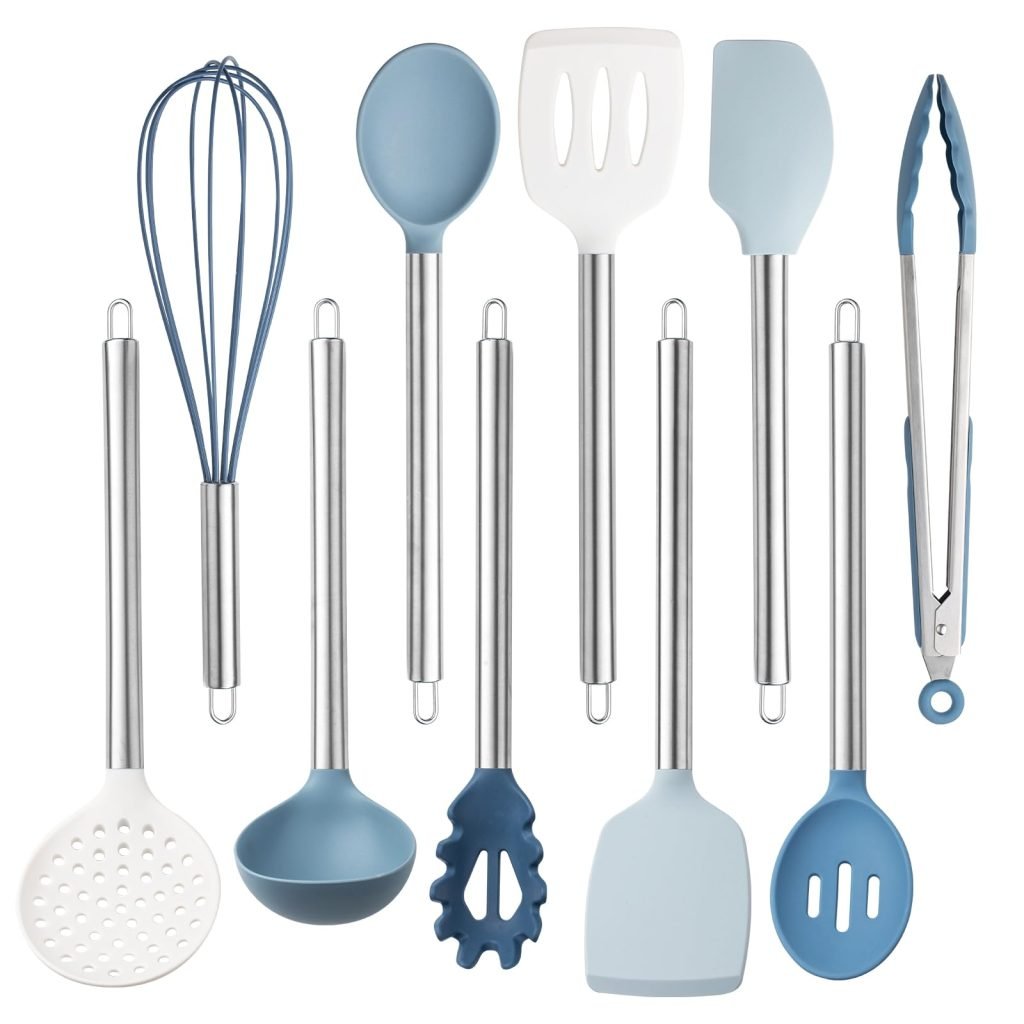
Have you ever wondered about the safety of cooking with silicone utensils? You’re not alone.
As you whip up your favorite dishes, it’s natural to question the materials that come in contact with your food. Silicone utensils have become increasingly popular due to their flexibility, heat resistance, and vibrant colors. But is this modern cookware truly safe for you and your loved ones?
We’ll uncover the facts about silicone kitchen tools, addressing common concerns and exploring scientific findings. By the end, you’ll have a clear understanding, helping you make informed choices for your culinary creations. Stick around to discover whether silicone utensils deserve a place in your kitchen.
Silicone Utensils In The Kitchen
Silicone utensils offer a safe and versatile option for everyday cooking. They withstand high temperatures without leaching chemicals. Easy to clean and gentle on cookware, they enhance your kitchen experience.
Silicone utensils have become a staple in many kitchens today. Their vibrant colors and versatile nature make them a favorite among cooking enthusiasts. But as you stand over your stove, you might wonder, “Is it safe to cook with these silicone tools?”What Makes Silicone Utensils Popular?
Silicone utensils are non-stick, which means no more battling with food stuck to your spatula. They are also heat-resistant, often withstanding temperatures up to 500°F. This ensures you can stir your simmering soup without fear of the spatula melting.Durability And Longevity
Unlike wooden or plastic utensils, silicone doesn’t crack or warp. This longevity means you won’t need to replace them often. Over the years, this can save you money.Health And Safety Concerns
You might worry about chemicals leaching from silicone into your food. However, high-quality silicone is food-grade and free from harmful substances. Always check product labels and buy from reputable brands to ensure safety.Easy To Clean And Maintain
Silicone utensils can be tossed into the dishwasher for a thorough clean. This convenience means less time scrubbing and more time enjoying your meal. Plus, they don’t retain odors, so your utensils won’t smell like last night’s curry.Environmental Impact
Think about the environmental footprint of your kitchen tools. While silicone is not biodegradable, it’s more durable than plastic, leading to less frequent replacements. This longevity can help reduce waste over time. Using silicone utensils can transform your cooking experience. They’re safe, durable, and easy to maintain. Next time you’re flipping pancakes or stirring sauce, consider if they might be the right fit for your kitchen needs. What silicone utensils do you use, and how have they improved your cooking routine?What Is Silicone?
Silicone is a versatile material commonly used in kitchens today. It offers flexibility, durability, and heat resistance. Understanding its composition helps in assessing its safety.
Silicone is a synthetic polymer. It consists of silicon, oxygen, and other elements. Its unique structure gives it rubber-like properties. This makes it suitable for various kitchen applications.
Silicone can withstand high temperatures. It remains stable and does not melt easily. This feature is crucial for cooking utensils.
It is non-reactive with food. It doesn’t alter the taste or color. This ensures a clean cooking experience.
Silicone is flexible and bendable. It returns to its shape without breaking. This allows for easy handling and storage.
Manufacturers often use silicone in bakeware and spatulas. Its non-stick nature is ideal for these tools.
Safety standards for silicone are high. It is tested for food-grade quality. This makes it safe for cooking purposes.
Benefits Of Silicone Utensils
Silicone utensils offer a non-toxic, heat-resistant option for cooking, ensuring safety and convenience in the kitchen. These durable tools withstand high temperatures without melting or releasing harmful chemicals, providing peace of mind during meal preparation. Their flexibility and non-stick properties make them a practical choice for everyday cooking tasks.
Cooking with silicone utensils has become increasingly popular in recent years, and for good reason. These utensils offer a range of benefits that make them a smart choice for anyone looking to enhance their cooking experience. From their heat resistance to their durability, silicone utensils have a lot to offer in the kitchen.Heat Resistance
Silicone utensils can withstand high temperatures without melting or warping, making them ideal for cooking and baking. Imagine stirring a bubbling pot of stew without worrying about the spoon melting in your hand. You can confidently leave a silicone spatula resting on the edge of a hot pan without any mishaps.Non-stick Properties
One of the standout features of silicone utensils is their non-stick nature. Have you ever struggled with flipping pancakes only to have them stick to the spatula? Silicone’s smooth surface ensures that food slides off easily, making cooking and cleaning a breeze. This property also means you can reduce the amount of oil or butter you use, promoting healthier cooking habits.Durability And Flexibility
Silicone utensils are both durable and flexible, which can be a game-changer in the kitchen. You might recall a time when your rigid plastic spatula snapped in half during a cooking marathon. Silicone can bend and flex without breaking, allowing you to scrape the sides of bowls and pans more effectively. Their durability ensures that they won’t crack or chip, even with frequent use. Silicone utensils are a fantastic addition to any kitchen. They offer practical benefits that can make cooking more enjoyable and efficient. Have you tried using silicone utensils yet? If not, perhaps it’s time to experience their advantages firsthand.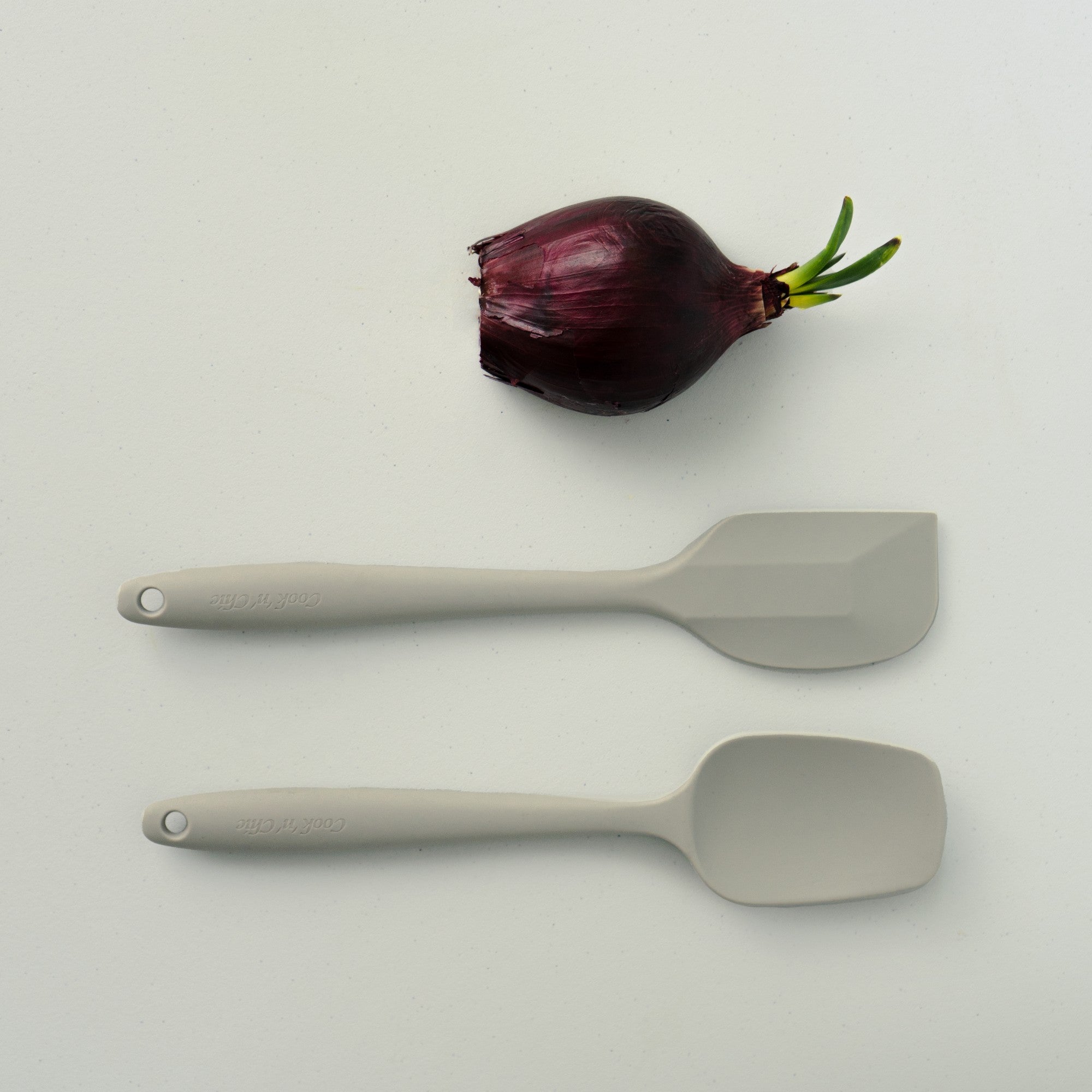
Credit: cooknchic.com
Concerns About Safety
Silicone utensils are generally safe for cooking. They withstand high heat without releasing harmful chemicals. Always check for food-grade quality to ensure safety.
Cooking with silicone utensils has sparked curiosity and concern among many kitchen enthusiasts. Are these colorful, flexible tools really safe for everyday use? As you delve into the world of silicone, it’s essential to understand the underlying concerns about its safety. Knowing the facts can help you make informed decisions and ensure your cooking experiences are both enjoyable and worry-free.Chemical Composition
Silicone is a synthetic polymer made from silicon, oxygen, carbon, and hydrogen. This combination gives it a flexible yet durable quality, making it popular in kitchens. Unlike plastic, silicone does not contain harmful chemicals like BPA, making it a safer choice for food contact. Silicone’s unique structure makes it resistant to heat and cold. It’s often used in bakeware and utensils because it can withstand high temperatures without melting. However, it’s still important to ensure that the silicone you use is food-grade to avoid any unwanted contaminants.Potential Health Risks
You may wonder if cooking with silicone could pose any health risks. Food-grade silicone is generally considered safe and non-toxic. It does not react with food or beverages, which means it won’t leach harmful chemicals into your meals. However, concerns arise when low-quality silicone products are used. These might contain fillers that can compromise the material’s integrity. Always look for high-quality, FDA-approved silicone products to minimize any potential health risks. Have you ever noticed a strange smell when using silicone bakeware? This could be due to poor-quality silicone. If you smell something unusual, it might be time to reconsider your utensils. Prioritize quality to ensure the safety and longevity of your kitchen tools. In the end, the key is to be informed and cautious. Are you confident in the quality of your silicone utensils? If not, it might be worth investing in reliable brands that assure safety and peace of mind. Your health and safety in the kitchen should always come first.Regulations And Standards
Silicone utensils often meet food-grade safety standards, making them safe for cooking. These regulations ensure utensils withstand high temperatures. Cooking with silicone is generally safe due to these stringent guidelines.
Cooking with silicone utensils has become increasingly popular due to their durability and ease of use. However, when it comes to safety, understanding the regulations and standards governing these kitchen tools is essential. You might wonder if the silicone spatula you’re using to flip pancakes has passed necessary checks for health and safety. Let’s dive into the nitty-gritty of regulations and standards that ensure your silicone utensils are safe for culinary adventures.Fda And Other Authorities
The Food and Drug Administration (FDA) plays a significant role in setting safety standards for silicone utensils. They evaluate materials used in kitchen tools to ensure they don’t leach harmful substances into food. Beyond the FDA, other international bodies like the European Food Safety Authority (EFSA) also impose regulations. These ensure that silicone utensils meet stringent safety criteria across different countries. Ever wondered why your silicone spatula has a CE mark? It’s a sign of compliance with European standards.Testing And Certification
Silicone utensils undergo rigorous testing before hitting the shelves. Manufacturers must provide evidence that their products can withstand high temperatures without releasing toxins. Certification processes involve checking for chemical stability and non-toxicity. The utensils are tested under various conditions, simulating real-life cooking scenarios. Have you ever thought about the testing phase when you stir your pasta sauce with a silicone spoon? It’s fascinating how regulations ensure your cooking tools are safe. But, do you trust these certifications, or do you rely on brands you know? It’s worth considering next time you shop for kitchen gadgets.Comparing Silicone To Other Materials
Silicone utensils are safe for cooking due to their heat resistance and non-reactive nature. Unlike metal, they don’t scratch cookware, making them a preferred choice in kitchens. Silicone’s flexibility and durability also outshine wood, which can harbor bacteria.
When choosing kitchen utensils, you want to make sure you’re using materials that are both safe and effective. Silicone has become a popular choice, but how does it stack up against other common materials like plastic, metal, and wood? Let’s break it down and see which might be the best fit for your cooking needs.Silicone Vs. Plastic
Silicone and plastic utensils may look similar, but they have distinct differences. Silicone is heat-resistant, so it won’t melt or warp when exposed to high temperatures. This can be a huge relief when you accidentally leave a spatula on a hot pan. Plastic, on the other hand, can release harmful chemicals when heated. Have you ever noticed a strange smell when cooking with plastic utensils? That’s a sign it might not be the safest choice. Silicone offers peace of mind without compromising on performance.Silicone Vs. Metal
Metal utensils are often praised for their durability and efficiency. However, they can scratch non-stick surfaces, ruining your favorite pans. Silicone is gentle on cookware, protecting your investment and keeping your kitchenware looking new. Metal can also get dangerously hot, posing a risk of burns. Silicone remains cool to the touch, making it safer for you and your family. Ever been distracted while cooking and grabbed the wrong end of a metal spoon? Silicone helps avoid those painful mistakes.Silicone Vs. Wood
Wooden utensils have a timeless charm and are generally safe for non-stick pans. They don’t conduct heat, so they’re comfortable to use. However, wood can absorb odors and flavors, which might affect your cooking. Silicone doesn’t have this issue and is easier to clean, saving you time and effort in the kitchen. Have you ever had to scrub out stubborn food stains from a wooden spoon? Silicone’s non-porous nature means you won’t have to worry about that. In the world of kitchen utensils, each material has its pros and cons. What matters most is finding the right balance of safety, ease, and longevity that works for you. Have you tried different materials in your cooking routine? What has your experience been?Tips For Using Silicone Utensils
Silicone utensils are popular in kitchens around the world. They’re versatile, heat-resistant, and gentle on cookware. But how do you make the most of them? Below are some practical tips for using silicone utensils safely and efficiently.
Proper Care And Maintenance
Wash silicone utensils with warm, soapy water after each use. This prevents residue buildup. Dry them thoroughly to avoid any mold formation. Occasionally, place them in the dishwasher for a deeper clean. Check the manufacturer’s instructions first. Store them away from sharp objects to prevent damage.
Avoiding Common Mistakes
Do not expose silicone utensils to open flames. They can withstand heat, but direct fire can damage them. Avoid using them on extremely hot surfaces for extended periods. This maintains their shape and integrity. Ensure they do not get too close to sharp knives. This keeps them from tearing or cutting.

Credit: www.instagram.com
Consumer Experiences
Cooking with silicone utensils is generally considered safe, thanks to their heat resistance and non-toxic nature. Many home cooks favor silicone for its durability, flexibility, and ease of cleaning. Ensure quality by choosing food-grade options, which are designed to withstand high temperatures without releasing harmful chemicals.
Cooking with silicone utensils has become popular. Many consumers share their experiences online. Silicone utensils are known for their durability. They are also non-stick and easy to clean. But are they safe to use? Let’s explore consumer experiences.User Reviews And Feedback
Many users praise silicone utensils. They like the heat resistance. Silicone does not melt easily. Some find the utensils flexible and easy to handle. Others appreciate the variety of colors. But some reviews mention concerns. They worry about chemicals leaching. Overall, feedback is mostly positive.Common Issues And Solutions
A few users report issues. They notice a slight odor during cooking. This often happens with new utensils. Washing them well can reduce the smell. Some utensils may stain over time. But soaking them in baking soda helps. Users suggest checking product labels. Choose high-quality, food-grade silicone for safety.Future Trends In Kitchen Utensils
Silicone utensils are popular in modern kitchens due to their flexibility and heat resistance. They are safe for cooking, as they don’t react with food. Ensure they are food-grade and BPA-free for best safety.
The world of kitchen utensils is constantly evolving, and keeping up with the latest trends can be a game-changer for your cooking experience. Silicone utensils, known for their flexibility and durability, are at the forefront of this evolution. But what does the future hold for these colorful and practical tools? Let’s explore the exciting developments and considerations that are shaping the future of silicone kitchen utensils.Innovations In Silicone Design
Silicone utensils are becoming more innovative than ever. Manufacturers are introducing features like ergonomic handles and heat-resistant designs that make cooking safer and more comfortable. Some utensils even have built-in tools, such as measuring spoons or herb strippers, to save you time and space in the kitchen. Have you ever wished for a spatula that perfectly matches your kitchen’s aesthetic? With customizable color options and sleek designs, silicone utensils are not just functional but also stylish. These innovations make silicone a top choice for modern kitchens.Sustainability Considerations
As we become more conscious of our environmental footprint, sustainability in kitchen tools is gaining attention. Silicone utensils are leading the way by being reusable and long-lasting, reducing the need for frequent replacements. This durability not only saves you money but also minimizes waste. However, the production process of silicone still raises some sustainability questions. Are manufacturers making strides toward using eco-friendly materials? As a consumer, you can support brands that prioritize sustainable practices in their production and packaging. As you consider the future of your kitchen, think about how these trends might influence your choices. Are you ready to embrace the innovations and sustainability that silicone utensils offer? Your kitchen might just thank you for it!:max_bytes(150000):strip_icc()/faw-cooking-utensils-sets-test-gir-10-piece-best-sellers-michael-navarro-06_crop-c0f4731a681d44679397e85c1d3aa78f.jpeg)
Credit: www.foodandwine.com
Frequently Asked Questions
Does Silicone Give Off Chemicals When Heated?
Silicone is stable and does not release harmful chemicals when heated under normal conditions. It withstands high temperatures. Always use food-grade silicone for safety.
Is It Better To Cook With Silicone Or Wood Utensils?
Silicone utensils are heat-resistant and flexible, ideal for non-stick cookware. Wood utensils are durable and eco-friendly, great for stirring and serving. Choose silicone for versatility or wood for a natural touch. Both are safe options, depending on your cooking needs and preferences.
Do Silicone Cooking Utensils Give Off Microplastics?
Silicone cooking utensils generally don’t release microplastics. They are made from silica, a natural compound. High-quality silicone is stable and safe for cooking. Ensure you use food-grade silicone to avoid potential contaminants. Avoid exposing silicone to extremely high temperatures to maintain its integrity.
Are Silicone Utensils Safe For Cooking?
Silicone utensils are safe for cooking. They are heat-resistant and non-toxic. Silicone can withstand temperatures up to 500°F. It does not leach chemicals into food. Ensure you’re using high-quality, food-grade silicone utensils.
Conclusion
Silicone utensils offer a safe cooking option. They withstand high temperatures well. Silicone is non-toxic and doesn’t affect food flavor. It’s easy to clean and lasts long. Many people trust silicone in their kitchens. Concerns about safety are mostly unfounded.
Experts confirm silicone’s safety for cooking. Always check quality before buying. Choose BPA-free and food-grade silicone products. Proper care extends their life. Silicone utensils simplify cooking tasks. They’re flexible and gentle on cookware. With careful use, silicone utensils enhance your cooking experience.
Enjoy stress-free cooking with this reliable choice.

Hi, I’m Daniel Brooks—a food lover and kitchen gear enthusiast. I enjoy testing cookware, utensils, and gadgets to see what really works in everyday cooking. At PlugChef.com, I share honest reviews, comparisons, and simple guides to help you choose the best tools for a safer, smarter, and more enjoyable kitchen.
Related posts:
 What Type of Cooking Utensils are Safe: Expert Picks
 What Innovations Could Blenders Make: Unleashing Future Tech
 Smart Strategies to Organize a Small Kitchen: Maximize Space
 How to Organize a Kitchen Cabinet: Expert Tips & Tricks
 How to Organize Kitchen Drawers: Expert Tips and Tricks
 How to Organize a Corner Kitchen Cupboard: Expert Tips

