
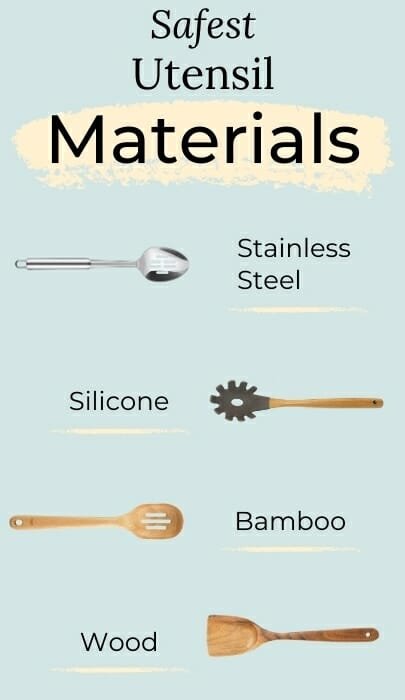
Choosing the best material for your kitchen utensils can make a big difference in your cooking experience. Imagine slicing through a ripe tomato with ease or flipping pancakes without any mess.
The right materials can offer durability, safety, and convenience, transforming your daily culinary tasks into delightful experiences. Whether you’re a seasoned chef or someone who enjoys whipping up simple meals, understanding the benefits and drawbacks of different materials is crucial.
You want utensils that not only perform well but also last long and are safe for your family. Dive into this article to discover which materials you should consider for your kitchen and why they can enhance your cooking adventures.
Stainless Steel
Stainless steel stands out as a top choice for kitchen utensils. Its reputation for durability and sleek appearance makes it a favorite. Many chefs and home cooks prefer stainless steel for various reasons. This material offers unmatched benefits in everyday kitchen tasks.
Durability And Strength
Stainless steel is known for its strength. It resists bending and breaking. This makes it ideal for heavy-duty kitchen tasks. It can handle pressure without losing shape. That’s why many kitchen utensils are made from this material.
Heat Resistance
Stainless steel can withstand high temperatures. It doesn’t warp or melt easily. This makes it perfect for cooking utensils. You can use it in various cooking methods. Whether frying or boiling, it remains reliable.
Maintenance Tips
Keeping stainless steel utensils clean is simple. Wash them with mild soap and water. Dry them immediately to avoid water spots. Occasionally, use a stainless steel cleaner for extra shine. Avoid abrasive scrubbers to keep them looking new.
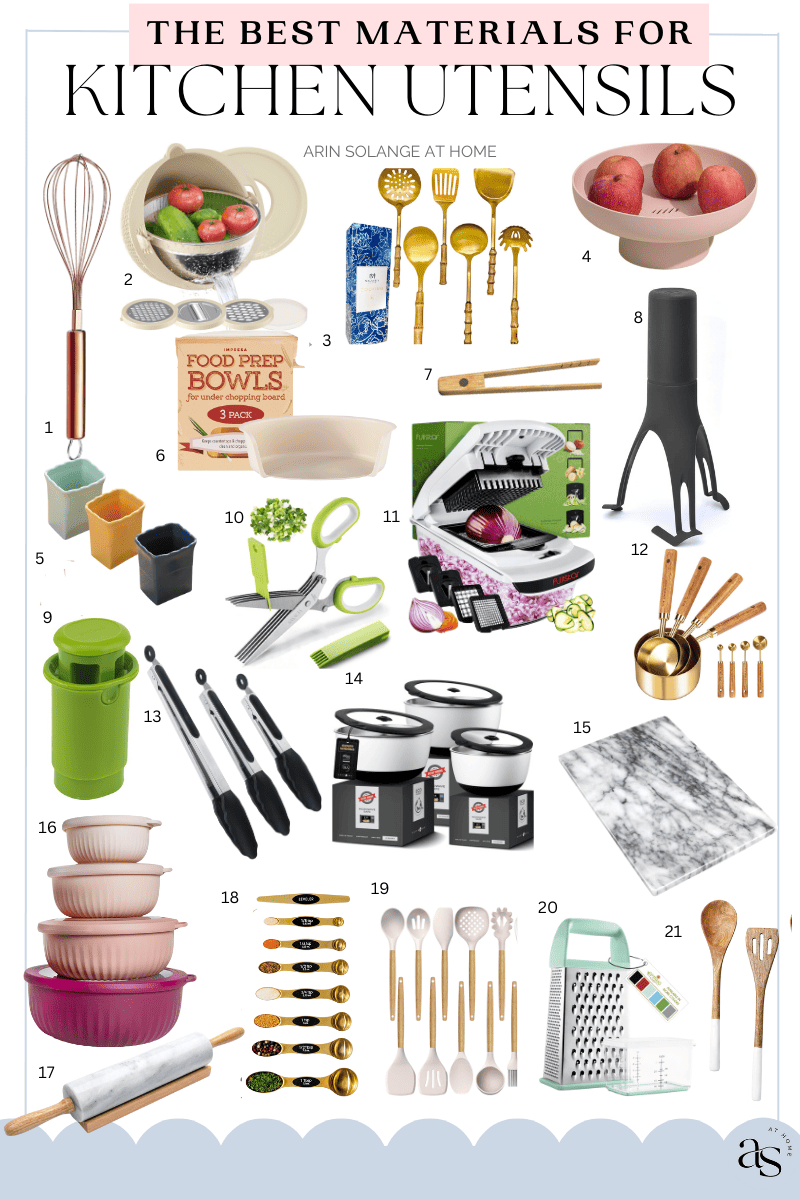
Credit: arinsolangeathome.com
Wood
Choosing the right material for your kitchen utensils can make a big difference in your cooking experience. Among various options, wood stands out for its unique benefits. It’s not just about aesthetics; wooden utensils bring a lot more to the table.
Natural And Eco-friendly
Wooden utensils are a great choice if you care about the environment. They are made from renewable resources, making them a sustainable option. Unlike plastic, wood doesn’t contribute to pollution.
You might have noticed that wooden spoons and spatulas have a warm, inviting look. They can add a rustic charm to your kitchen, making it feel more homey. Plus, they often come in beautiful grains and textures that are a joy to behold.
Gentle On Cookware
Wooden utensils are gentle on your pots and pans. They don’t scratch or damage non-stick surfaces, ensuring your cookware lasts longer. This makes them perfect for delicate cookware.
Remember the time you accidentally scraped your favorite pan with a metal spatula? Wooden utensils can prevent such mishaps. They are soft enough to be gentle, yet sturdy enough to perform well in cooking tasks.
Care And Longevity
While wooden utensils are durable, they do require a bit of care. You should hand wash them instead of using a dishwasher. This prevents them from drying out and cracking.
Oil your wooden utensils occasionally to keep them looking fresh and prevent them from absorbing odors. This simple act can extend their life significantly. Isn’t it worth it to maintain the tools that help you whip up delicious meals?
What steps will you take to ensure your wooden utensils last for years? A little care goes a long way in preserving their beauty and functionality.
Silicone
Silicone stands out as a top choice for kitchen utensils. Its flexibility and heat resistance make cooking safe and easy. Non-stick properties ensure hassle-free cleanup, perfect for everyday use.
Silicone is a popular choice for kitchen utensils. It’s versatile and durable. Many chefs and home cooks favor silicone for its unique properties. This material is flexible, making it ideal for various cooking tasks. From spatulas to tongs, silicone utensils offer practical benefits. Let’s explore why silicone is an excellent choice for your kitchen.Heat Tolerance
Silicone can withstand high temperatures. It remains stable up to 500 degrees Fahrenheit. This makes it perfect for stovetop cooking. You can safely use silicone utensils in hot pans and pots. They won’t melt or warp under extreme heat. Silicone’s heat resistance ensures safe cooking every time.Non-stick Compatibility
Silicone is gentle on non-stick surfaces. It prevents scratches and damage to your cookware. You can stir and scrape without worry. Silicone won’t peel off the coating. This prolongs the life of your pans. Cooking with silicone means less stress on your pots.Cleaning And Care
Silicone utensils are easy to clean. Most are dishwasher safe. They resist stains and odors. You can wash them by hand or machine. Simple care keeps them looking new. Silicone’s non-porous nature ensures thorough cleaning. No need to worry about lingering food particles.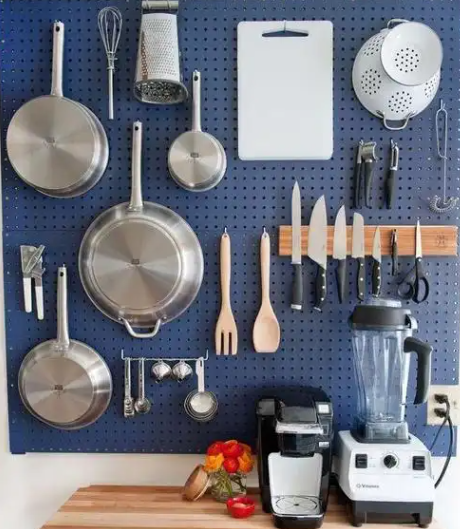
Credit: www.sourcingyuan.com
Plastic
Plastic kitchen utensils offer lightweight and affordable options for everyday cooking. They resist heat and don’t scratch cookware surfaces. These qualities make them a popular choice for home kitchens.
Plastic kitchen utensils are a popular choice in many homes. They offer flexibility, durability, and a range of colors to suit any kitchen decor. Unlike metal, plastic doesn’t scratch non-stick surfaces. It’s lightweight and often more affordable than other materials.Affordability
Plastic utensils are budget-friendly. They cost less to produce, making them cheaper for consumers. This makes plastic an attractive option for those setting up a new kitchen.Safety Concerns
Not all plastics are safe for cooking. Some plastics can melt at high temperatures. This might release harmful chemicals into food. It’s essential to choose utensils labeled as “food-safe” or “heat-resistant.”Best Use Cases
Plastic utensils work well with non-stick cookware. They prevent scratches and extend the life of your pans. They’re also great for serving cold dishes like salads. For stirring hot soups, make sure the plastic is heat-resistant.Bamboo
Bamboo stands out as an excellent choice for kitchen utensils due to its durability and eco-friendly nature. Lightweight and smooth, bamboo utensils are easy to handle and gentle on cookware surfaces, making them ideal for everyday use in the kitchen.
When you think about sustainable kitchen utensils, bamboo might not be the first material that comes to mind. However, this eco-friendly option is gaining popularity for good reasons. Bamboo utensils are not only stylish but also offer a range of benefits that make them a smart choice for your kitchen.Sustainability
Bamboo is a renewable resource, which makes it an excellent choice for eco-conscious individuals. It grows quickly, often reaching maturity in three to five years, unlike hardwood trees that can take decades. Plus, bamboo can thrive without pesticides and fertilizers, reducing its environmental impact. Imagine contributing to a healthier planet simply by choosing bamboo over plastic or metal. The small choices we make in our kitchen can collectively lead to significant changes.Lightweight And Durable
Carrying heavy pans and pots can be quite a workout, but bamboo utensils are surprisingly lightweight. This makes them easy to handle, especially when you’re cooking up a storm. Despite being light, bamboo is incredibly sturdy. I’ve personally found bamboo spatulas to be far more resistant to breaking than plastic ones. They can withstand pressure and heat, making them ideal for stirring thick sauces or flipping pancakes.Maintenance Advice
Keeping bamboo utensils in top shape is straightforward. Wash them with warm, soapy water after each use and dry them immediately. Avoid soaking them for long periods as this can lead to warping. Occasionally, you might notice some rough patches. A quick sanding with fine-grit sandpaper can smooth them out. Applying a bit of mineral oil can also help maintain their sheen and durability. Have you ever wondered why some utensils seem to last forever while others don’t? Proper maintenance might be the key. With a little care, bamboo utensils can be a long-lasting part of your kitchen. Choosing bamboo isn’t just about adding something new to your kitchen—it’s about making a choice that aligns with sustainability, practicality, and style. What’s your take on bamboo utensils? Would you give them a try?
Credit: stahlkitchens.com
Copper
Copper is a popular choice for kitchen utensils due to its excellent heat conduction. This material ensures even cooking and is ideal for precision tasks. Durable and aesthetically pleasing, copper adds a touch of elegance to any kitchen setting.
Copper is a timeless choice for kitchen utensils, boasting both functionality and beauty. It stands out not just for its striking appearance, but also for its excellent performance in the kitchen. When you consider adding copper utensils to your collection, you’re not just making a practical choice—you’re also adding a touch of elegance.Conductivity
Copper is renowned for its exceptional thermal conductivity. This means it heats up quickly and distributes heat evenly, making it ideal for cooking tasks that require precision. Have you ever noticed how chefs often opt for copper pans when preparing delicate sauces? That’s because copper helps maintain consistent temperatures, preventing scorching and ensuring perfect results every time.Aesthetic Appeal
Copper utensils are more than just functional—they’re visually stunning. They add a warm, luxurious glow to any kitchen. Imagine the satisfaction of hosting a dinner party, and your guests admire the gleaming copper cookware hanging in your kitchen. It’s like having pieces of art that you can actually use. Copper’s rich color and shine make it a favorite for those who appreciate both form and function.Care Requirements
Copper does require some attention to maintain its beauty and performance. It tends to tarnish, developing a patina over time, which some find charming. However, if you prefer the shiny look, regular polishing is necessary. Are you ready to invest time in maintaining your copper utensils? If so, you’ll be rewarded with kitchen tools that not only perform exceptionally but also age gracefully. Using mild soap and avoiding harsh cleaners will keep your copper looking its best.Aluminum
Aluminum is a popular choice for kitchen utensils. It’s valued for its light weight and affordability. This metal is also a good conductor of heat. It helps in even cooking and frying. However, it has some drawbacks too. Let’s explore aluminum’s pros and cons for kitchen use.
Lightweight Advantages
Aluminum utensils are easy to handle. Their light weight makes cooking less tiring. This is especially useful for those who cook often. Aluminum also heats up quickly. This feature saves time and energy. It is an excellent choice for busy cooks.
Reactivity Issues
Aluminum can react with certain foods. Acidic items like tomatoes may cause a reaction. This can lead to a metallic taste. It may also discolor the food. Using anodized aluminum can help. This process reduces the reactivity of the metal.
Proper Use
Proper use of aluminum utensils is essential. Avoid cooking very acidic foods in plain aluminum. Use wooden or silicone utensils with aluminum cookware. This prevents scratching. Clean them with mild soap and water. Avoid harsh scrubbing tools. With care, aluminum utensils can last long.
Frequently Asked Questions
What Is The Best Material For Kitchen Utensils?
Stainless steel is the best material for kitchen utensils. It is durable, rust-resistant, and easy to clean. Silicone is great for non-stick cookware. Wood is a good choice for stirring and serving. Each material has unique benefits, so choose based on your cooking needs and preferences.
What Is The Healthiest Type Of Kitchen Utensil To Use?
Stainless steel and bamboo utensils are the healthiest choices for kitchens. They are non-toxic and durable. Silicone is also safe, heat-resistant, and easy to clean. Avoid plastic due to potential chemical leaching. Opt for materials that resist bacteria and maintain food safety.
Is It Better To Cook With Silicone Or Wood Utensils?
Silicone utensils resist heat and are dishwasher safe. Wood utensils are gentle on cookware and eco-friendly. Both have benefits, so choose based on your cooking needs and preferences.
What Is The Healthiest Material For Cookware?
Stainless steel is the healthiest cookware material. It resists leaching and is durable. Cast iron is also a good option, providing natural non-stick properties and adding iron to food. Ceramic cookware offers a non-toxic surface. Always choose high-quality materials to ensure safety and longevity.
Conclusion
Choosing the right material for kitchen utensils matters. Each option offers unique benefits. Stainless steel stands out for durability. Wood is gentle on pots and pans. Silicone is flexible and heat-resistant. Plastic is affordable and lightweight. Consider your cooking style.
Think about maintenance and longevity. The right choice enhances your cooking experience. Invest in quality utensils. They make everyday tasks easier. Select wisely for a happy kitchen. Keep your needs in mind when shopping. Enjoy cooking with the best materials.
Your kitchen deserves it.

Hi, I’m Daniel Brooks—a food lover and kitchen gear enthusiast. I enjoy testing cookware, utensils, and gadgets to see what really works in everyday cooking. At PlugChef.com, I share honest reviews, comparisons, and simple guides to help you choose the best tools for a safer, smarter, and more enjoyable kitchen.
Related posts:
 What Type of Cooking Utensils are Safe: Expert Picks
 What Innovations Could Blenders Make: Unleashing Future Tech
 Smart Strategies to Organize a Small Kitchen: Maximize Space
 How to Organize a Kitchen Cabinet: Expert Tips & Tricks
 How to Organize Kitchen Drawers: Expert Tips and Tricks
 How to Organize a Corner Kitchen Cupboard: Expert Tips

