
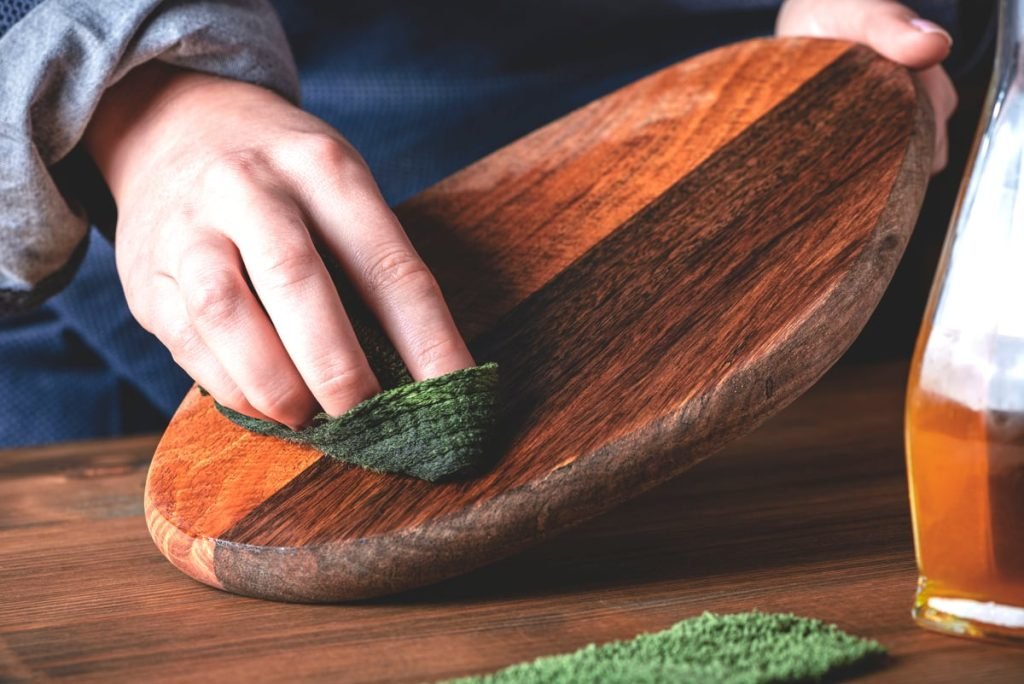
Imagine preparing your favorite meal, slicing fresh ingredients on a cutting board that gleams with a natural finish. You might wonder what keeps that wooden surface in such pristine condition.
The secret lies in the oil you choose. Picking the right oil for your cutting board isn’t just about aesthetics; it’s about preserving the life of a kitchen essential that you rely on daily. You want an oil that not only enhances the look but also protects the wood from damage, keeping it safe from bacteria and moisture.
Making the right choice can transform your cooking experience, ensuring your cutting board is always ready for action. Dive in as we explore how to find the perfect oil for your cutting board, turning it into a durable, beautiful centerpiece in your culinary adventures. Keep reading to discover how this simple decision can elevate your kitchen game.
Choosing The Right Oil
Choosing the right oil for your cutting board is crucial. It preserves the wood, enhances its appearance, and keeps it safe for food preparation. But with so many options available, how do you make the right choice? Let’s break it down.
Mineral Oil Benefits
Mineral oil is a popular choice for cutting boards. It’s inexpensive and readily available. The clear, odorless oil penetrates deeply into the wood, keeping it moisturized and preventing cracks. Some people might hesitate to use it because it’s derived from petroleum, but it’s safe for kitchen use.
Have you ever noticed your cutting board looking dry and dull? Mineral oil can bring it back to life. Regular application can make your board look new again. Ensure you choose a food-grade mineral oil for maximum safety.
Food-safe Options
If you prefer a more natural choice, there are plenty of food-safe oils available. Coconut oil is a great option, praised for its antibacterial properties. It’s solid at room temperature, so you’ll need to warm it slightly before application.
Another option is beeswax mixed with mineral oil. This combination provides both moisturizing and protective benefits. It leaves a smooth finish that feels great under your knife. Walnut oil is another possibility, but ensure no one in your household has nut allergies.
Have you ever wondered about the best way to apply oil? Use a clean cloth and apply evenly. Allow the oil to soak in overnight for maximum benefit. Your cutting board will thank you with years of reliable service.
What oil do you currently use, and have you noticed a difference in your cutting board’s performance? Consider switching oils if you’re not satisfied with the results. The right choice can make all the difference.
:max_bytes(150000):strip_icc()/__opt__aboutcom__coeus__resources__content_migration__serious_eats__seriouseats.com__images__2015__09__20150824-wooden-cutting-board-how-to-maintain-composite-kenji-8-5239b1c5d724431ea72e66fd4939bb1d.jpg)
Credit: www.seriouseats.com
Natural Oils For Cutting Boards
Your cutting board is more than just a kitchen tool; it’s a trusty partner in your culinary adventures. To keep it in top-notch condition, choosing the right oil is essential. Natural oils not only protect and preserve your cutting board but also bring out its beautiful texture. Let’s dive into two popular choices: coconut oil and walnut oil.
Coconut Oil Properties
Coconut oil is a favorite for its affordability and ease of use. It has a unique ability to repel water, keeping your board safe from moisture damage. Its natural antibacterial properties help protect against germs, making it a hygienic choice for your kitchen.
Applying coconut oil is simple. Warm a small amount in your hands and rub it into the surface. You’ll notice how the board absorbs it effortlessly, leaving a smooth finish. Have you ever wondered why some boards look brand new despite years of use? The secret often lies in regular coconut oil treatments.
Walnut Oil Advantages
Walnut oil is praised for its ability to penetrate deeply into the wood, enhancing durability and longevity. It’s perfect for those who cherish their cutting boards and want them to last for years. This oil is less likely to go rancid, ensuring your board remains in pristine condition.
Walnut oil also brings out the grain and color of the wood. If you’ve ever admired a board’s rich, warm tones, walnut oil might be the reason. It’s like giving your board a facelift without the hefty price tag. Are you ready to see your cutting board transform into a kitchen masterpiece?
Choosing the right oil can make all the difference in maintaining your cutting board. Why not try these natural options and see the results for yourself? Your cutting board—and your culinary creations—will thank you.
Synthetic Oils Explained
Choosing the right oil for your cutting board is essential. Synthetic oils offer unique benefits compared to natural oils. They provide durability and can enhance the longevity of your board. Understanding synthetic oils helps in making an informed choice.
Blended Oils Features
Blended oils combine multiple synthetic components. They ensure optimal protection for your cutting board. These oils are designed to penetrate deeply. This penetration helps prevent cracks and warping. Blended oils often offer a longer-lasting finish. They resist wear and tear effectively.
Polymerized Oils
Polymerized oils undergo a special heating process. This process increases their thickness and durability. These oils create a tough protective layer. The layer shields the board from moisture and damage. Polymerized oils dry faster than regular oils. They reduce sticky residue and enhance board usability.
Credit: www.knivesandtools.com
Application Techniques
Choosing the right oil for your cutting board is important for maintenance. Mineral oil is a popular choice. It’s food-safe and helps protect the wood. Regular application keeps the board in good shape. Always ensure the oil is safe for contact with food.
Keeping your cutting board in top condition doesn’t have to be a daunting task. With the right oil and application techniques, you can extend its lifespan and maintain its appearance. Let’s dive into the steps to properly care for your cutting board using oil.Cleaning The Board
Before applying any oil, ensure your cutting board is thoroughly clean. Use a mild dish soap with warm water and scrub the board gently. Avoid soaking the board in water as it can warp or crack the wood. Once washed, dry it immediately with a clean towel. Leaving it damp can lead to bacteria growth. Consider using white vinegar or lemon juice for an extra clean if your board has stubborn odors.Applying The Oil
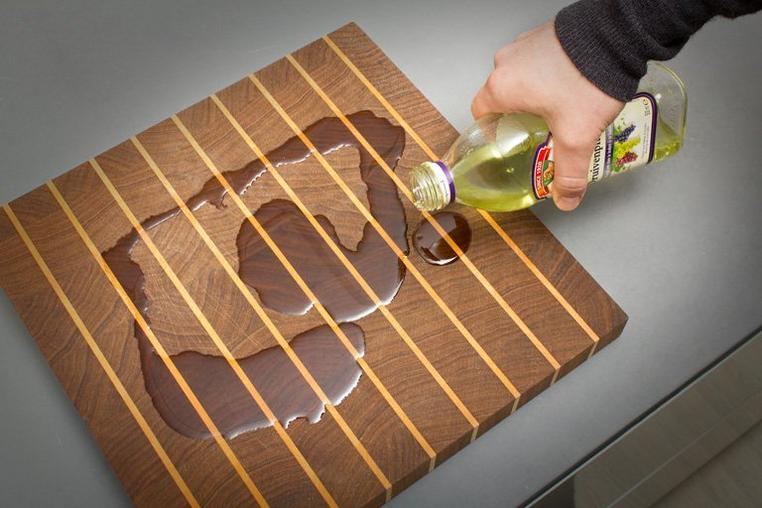
Choosing the right oil is crucial—mineral oil is a popular choice. It’s food-safe and doesn’t go rancid. Pour a generous amount of oil directly onto the board. Use a clean, soft cloth to spread the oil evenly over the surface. Apply the oil in the direction of the wood grain. This helps the wood absorb the oil better and prevents streaking. Make sure to coat the entire board, including the sides and edges. You can add more oil as needed until the wood no longer absorbs it quickly.Drying And Maintenance
After applying the oil, let the board sit for several hours, or ideally, overnight. This allows the oil to penetrate deeply into the wood fibers. Wipe off any excess oil with a clean cloth. You don’t want the surface to feel greasy to the touch. Regular maintenance is key. How often do you oil your cutting board? Aim for once a month, or more frequently if you use it daily. This routine will keep it looking fresh and prevent it from drying out. By following these application techniques, you ensure your cutting board remains a reliable kitchen companion. How do you care for your cutting tools? Share your experiences and tips in the comments below!Common Mistakes To Avoid
Maintaining a cutting board with the right oil is essential. It keeps the board in good condition and ensures safe food preparation. Despite its importance, many people make mistakes when oiling their cutting boards. These errors can impact the board’s quality and your kitchen safety. Let’s explore some common mistakes to avoid.
Over-oiling
Applying too much oil can lead to a sticky surface. It attracts dirt and bacteria, compromising food safety. Use just enough oil to coat the board lightly. This keeps the board clean and effective.
Using Non-food-safe Oils
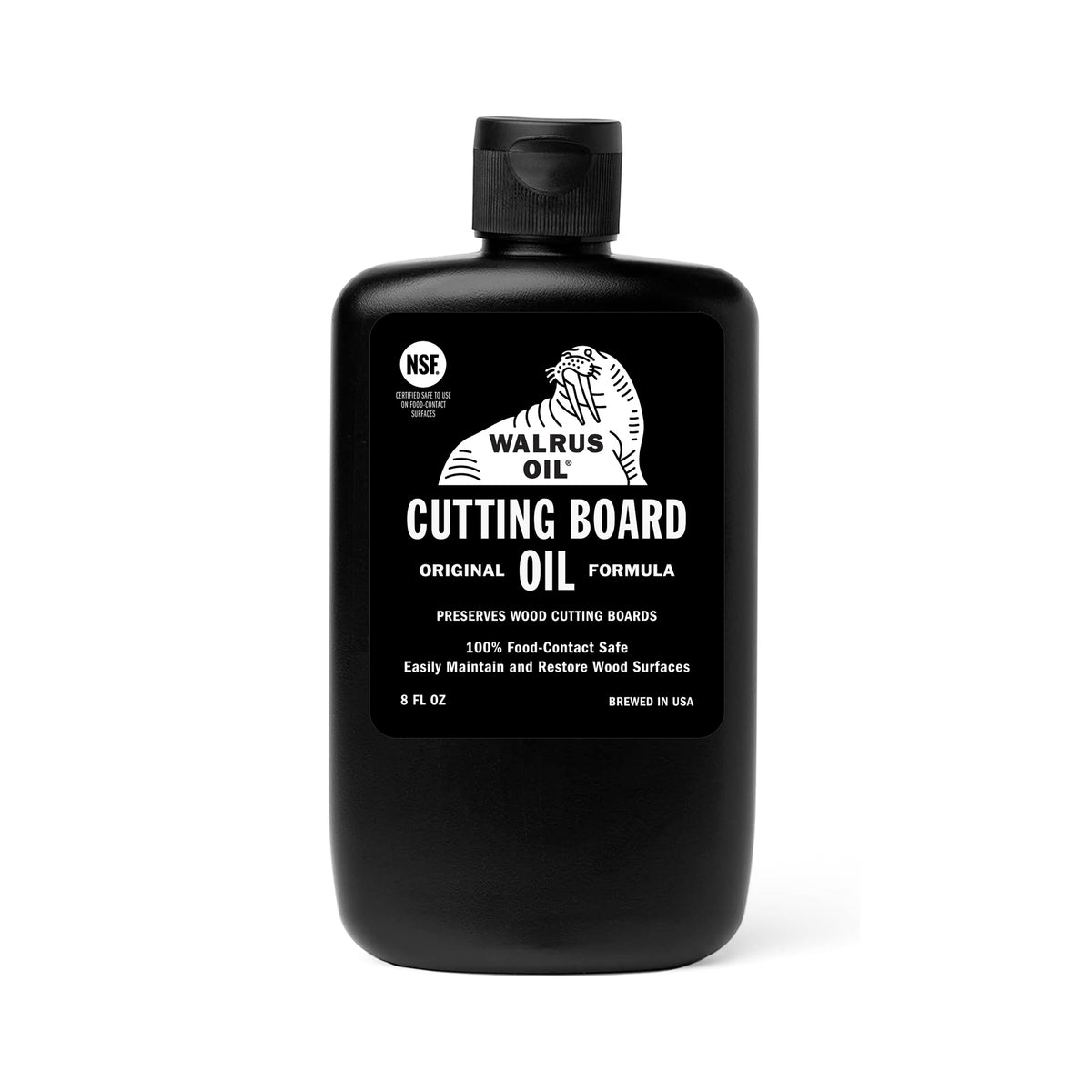
Some oils are not safe for food use. They can transfer harmful chemicals to your food. Ensure you choose oils labeled as food-safe. Mineral oil is a popular choice. It’s safe and keeps the board in excellent condition.
Credit: walrusoil.com
Maintaining Your Cutting Board
Maintaining your cutting board involves using mineral oil for protection. This food-safe oil keeps the board hydrated and prevents cracks. Regular application ensures your cutting board remains in top condition.
Maintaining your cutting board extends its lifespan. It ensures a clean surface for food prep. Regular maintenance also enhances its appearance. Different oils can protect and nourish the wood. Choosing the right oil is crucial. It prevents the board from drying and cracking.Regular Maintenance Tips
Clean your cutting board after each use. Use warm, soapy water and a soft cloth. Rinse thoroughly and dry with a towel. Avoid soaking it in water. Water can warp the wood. Regularly apply food-grade mineral oil. This keeps the board hydrated and looking fresh. Natural oils like coconut or almond work too. Apply them with a clean cloth. Let the oil soak in overnight. Wipe off any excess oil in the morning. This helps maintain a smooth surface.Long-term Care Strategies
For long-term care, condition your board monthly. Use a combination of beeswax and mineral oil. Mix them until smooth and apply evenly. This creates a protective barrier. It repels water and stains effectively. Occasionally, sand the board to remove scratches. Use fine-grit sandpaper for best results. Sand along the grain gently. After sanding, reapply oil and wax. Store your cutting board in a dry place. Keep it upright to allow airflow. This prevents moisture buildup and mold. Avoid placing it near heat sources. Heat can cause the wood to warp. `Frequently Asked Questions
Which Oil Is Best For Cutting Boards?
Food-grade mineral oil is the best choice for cutting boards. It prevents drying and cracking while being safe for food contact. Regular application keeps the board conditioned and long-lasting. Avoid using cooking oils as they can turn rancid.
What Is A Good Substitute For Mineral Oil On A Cutting Board?
Use food-grade coconut oil as a substitute for mineral oil on cutting boards. It moisturizes and protects wood surfaces effectively. Beeswax mixed with coconut oil can enhance durability. Both options are safe and natural, maintaining the board’s condition without harmful chemicals.
Ensure the oil is food-safe for best results.
What Oil Is Best For Cutting Boards?
Food-grade mineral oil is the best choice for cutting boards. It is non-toxic and odorless. This oil helps maintain the board’s moisture and prevents cracking. Other options include beeswax and fractionated coconut oil. Always ensure the oil is food-safe to protect your health.
Can I Use Olive Oil On A Cutting Board?
It’s not recommended to use olive oil on cutting boards. Olive oil can go rancid over time, leaving an unpleasant smell. Instead, opt for food-grade mineral oil or beeswax. These oils ensure your cutting board remains in excellent condition and free from odors.
Conclusion
Choosing the right oil for your cutting board is important. It keeps the board healthy. Mineral oil is a popular choice. It’s safe and effective. Walnut oil also works well. It dries faster. Coconut oil is another option. It fights bacteria.
Always use food-grade oils. They protect your cutting board. Regular oiling extends its life. It also enhances the wood’s look. Your cutting board deserves care. Proper maintenance makes a difference. A well-oiled board lasts longer. It’s a simple task with big benefits.
Keep your kitchen tools in top shape. Your efforts will pay off.

Hi, I’m Daniel Brooks—a food lover and kitchen gear enthusiast. I enjoy testing cookware, utensils, and gadgets to see what really works in everyday cooking. At PlugChef.com, I share honest reviews, comparisons, and simple guides to help you choose the best tools for a safer, smarter, and more enjoyable kitchen.
Related posts:
 What Type of Cooking Utensils are Safe: Expert Picks
 What Innovations Could Blenders Make: Unleashing Future Tech
 Smart Strategies to Organize a Small Kitchen: Maximize Space
 How to Organize a Kitchen Cabinet: Expert Tips & Tricks
 How to Organize Kitchen Drawers: Expert Tips and Tricks
 How to Organize a Corner Kitchen Cupboard: Expert Tips

