
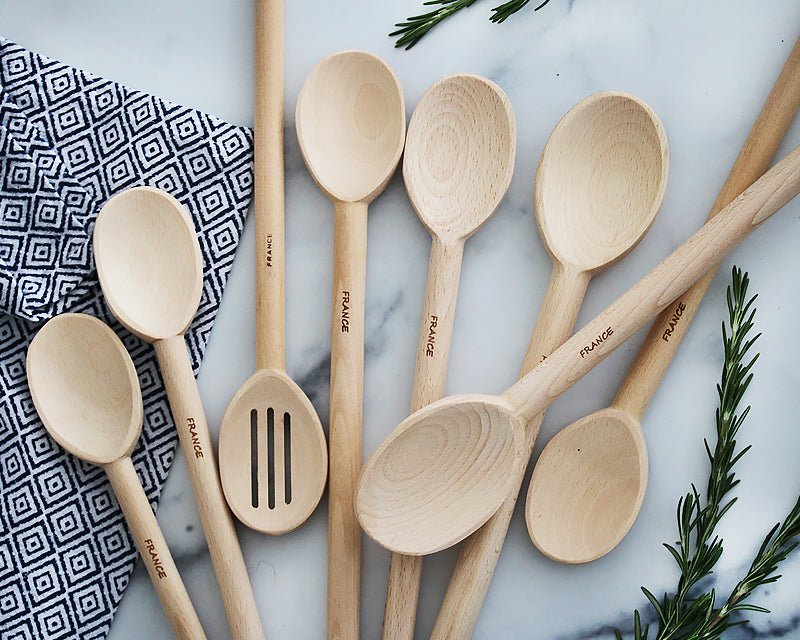
Imagine reaching for your favorite wooden spoon or spatula while cooking a delicious meal. Have you ever wondered why certain cooking utensils feel just right in your hand?
The answer might lie in the type of wood used. If you’ve heard about beech wood and are curious whether it’s a good choice for your kitchen tools, you’re in the right place. Beech wood is often praised for its durability and smooth texture, making it a popular choice for crafting kitchen utensils.
But what makes beech wood stand out from other materials? Is it the best option for your cooking needs? By exploring the benefits and potential drawbacks of beech wood, you can make informed decisions about your kitchen essentials. Get ready to uncover the secrets that could enhance your cooking experience and transform your kitchen into a haven of efficiency and style. Dive in to discover whether beech wood is the key to elevating your culinary tools!

Credit: www.amazon.com
Beech Wood Characteristics
Beech wood is a popular choice for cooking utensils due to its unique characteristics. It offers a combination of durability, strength, and aesthetic appeal that many home cooks appreciate.
Durability And Strength
Beech wood is known for its impressive durability. It can withstand regular use without showing signs of wear. This strength makes it a reliable material for kitchen tools.
Its dense grain structure adds to its resilience. This ensures utensils remain intact even under pressure. Beech wood’s natural resistance to impacts helps maintain its shape.
Natural Finish And Aesthetic Appeal
Beech wood has a smooth, natural finish. This smoothness makes it pleasant to touch. The light color adds a subtle elegance to any kitchen.
Its fine grain pattern enhances its visual appeal. This allows for intricate designs on utensils. Beech wood’s aesthetic qualities make it a favorite for stylish kitchens.
The warm tone blends well with various kitchen designs. Its ability to absorb stains is limited. This keeps its appearance fresh and clean over time.
Safety And Hygiene
When choosing cooking utensils, safety and hygiene are top priorities. Beech wood has emerged as a popular material for kitchen tools, but is it truly safe and hygienic for your culinary adventures? Let’s delve into its properties and see how it stands up in terms of non-toxicity and resistance to bacteria.
Non-toxic Properties
Beech wood is renowned for being non-toxic, making it a safe choice for cooking utensils. Unlike plastic or metal, beech wood doesn’t leach harmful chemicals into your food. Picture this: you’re stirring a pot of soup with a beech wood spoon, and you can rest assured that your meal stays pure and free from contaminants. It’s comforting to know that what touches your food won’t compromise its safety.
Beech wood is a natural material, and its non-toxic nature is a key reason why many chefs prefer it. It’s a relief to use utensils that are not only effective but also safe for your family. Have you ever wondered if your kitchen tools are affecting your health? With beech wood, you can put those fears to rest.
Resistance To Bacteria
One of beech wood’s most impressive traits is its resistance to bacteria. Wood, by nature, has antimicrobial properties, which means it doesn’t harbor germs as easily as other materials. When you use beech wood utensils, you reduce the risk of bacteria lingering on your tools, contributing to a cleaner cooking environment.
Consider the times you’ve cooked with plastic utensils and worried about bacteria buildup. Beech wood gives you peace of mind, as its surface is less prone to bacterial contamination. This makes it an excellent choice for those who prioritize hygiene in the kitchen. How often do you think about the unseen bacteria on your utensils? With beech wood, you can focus on creating delicious meals without the worry.
Safety and hygiene are paramount in the kitchen. Beech wood’s non-toxic properties and resistance to bacteria make it a standout choice for cooking utensils. Next time you reach for a spoon or spatula, consider the benefits of beech wood, and enjoy a safer, cleaner cooking experience.
Heat Resistance
Beech wood offers excellent heat resistance, making it ideal for cooking utensils. Its natural strength ensures durability during kitchen use. The smooth texture of beech wood is gentle on cookware, preventing scratches.
Beech wood is often hailed as a top choice for cooking utensils, especially when considering its heat resistance. You might wonder why heat resistance matters. Well, the ability of your kitchen tools to withstand high temperatures can affect both their longevity and how well they perform during cooking. When you’re stirring that simmering pot of soup, the last thing you want is a utensil that warps or releases any unwanted substances into your meal. Beech wood could be the perfect companion for your culinary adventures. Let’s dive deeper into this and see how it performs under high temperatures and its impact on the taste of your food.Performance Under High Temperatures
Beech wood utensils can withstand high heat without losing their shape. This is essential when you’re constantly cooking at high temperatures. Unlike plastic, they won’t melt. Think about how often you use your spatula when frying or stirring. A heat-resistant material like beech wood ensures that your tool stays reliable. Plus, it remains cool enough to handle. What’s your experience with beech wood under high heat? If you’ve been using metal or plastic, you might find beech wood to be a refreshing change. Its ability to perform well under heat makes it a favorite among many home cooks.Impact On Food Flavor
One of the most remarkable qualities of beech wood is that it doesn’t impart any flavor to your food. Imagine cooking a delicate dish and having the taste altered by your utensils. Beech wood keeps flavors pure and untainted. If you’ve ever used metal utensils, you might notice a slight taste alteration. Beech wood avoids this issue. It’s perfect for maintaining the authenticity of your ingredients. Have you ever tried a dish and wondered why it tastes different? Sometimes, it’s as simple as the utensil used. With beech wood, your flavors remain untouched, allowing you to enjoy the true essence of your culinary creations. Choosing the right cooking utensils might seem trivial, but they can significantly impact your cooking experience. Beech wood stands out with its heat resistance and neutral effect on food flavors. Wouldn’t you want your kitchen tools to enhance your cooking rather than interfere?Maintenance And Care
Beech wood is ideal for cooking utensils due to its durability and resistance to food stains. Its non-porous surface ensures safe and hygienic food preparation. Regular oiling helps maintain its smooth texture and prolongs lifespan.
Caring for your beech wood cooking utensils is not just about keeping them clean; it’s about ensuring they last for years. Proper maintenance can greatly enhance their durability and performance. With a little attention, your utensils can stay as good as new, even after countless meals.Cleaning Tips
Cleaning beech wood utensils is straightforward. Avoid soaking them in water, as it can cause the wood to swell and crack. Instead, quickly rinse them under warm water and use a soft sponge with mild soap. Do you ever throw your wooden spoons in the dishwasher? It might seem convenient, but the intense heat and water can damage them over time. Hand washing is always the best approach for maintaining the wood’s integrity. After washing, immediately dry the utensils with a soft towel. Leaving them to air dry might lead to unwanted moisture absorption.Longevity And Preservation
To preserve the natural beauty of beech wood, regular oiling is essential. Use food-safe mineral oil or coconut oil to maintain the wood’s sheen and prevent it from drying out. Applying oil is simple. Just add a small amount to a cloth and rub it into the wood, ensuring an even coat. Let it absorb overnight, and your utensils will thank you with years of loyal service. Have you noticed any rough patches on your utensils? Lightly sanding these areas with fine-grit sandpaper can restore smoothness. After sanding, remember to reapply oil to protect the newly exposed wood. Maintaining your beech wood utensils is not just a chore; it’s an investment in quality cooking experiences. With these tips, you can keep them in top shape, ready for your next culinary adventure.Environmental Impact
Beech wood utensils are popular in kitchens. Their environmental impact sparks interest among eco-conscious consumers. Knowing how they affect nature is important for making responsible choices.
Sustainability Of Beech Wood
Beech trees grow widely in Europe and North America. They grow quickly, making them a renewable resource. Forest management practices ensure their growth is sustainable. This helps maintain biodiversity and balance in ecosystems. Choosing beech wood promotes responsible forestry.
Eco-friendly Alternatives
Some prefer bamboo for cooking utensils. Bamboo grows faster than beech wood. It replenishes quickly and requires fewer resources. Another option is recycled plastic. It reduces waste and gives old materials new life. These alternatives offer varied choices for eco-friendly consumers.
Credit: imagesinitiatives.org
Comparison With Other Woods
Beech wood is a popular choice for cooking utensils. It offers durability and a smooth finish. But how does it stack up against other woods? Let’s explore how beech wood compares with some other common options like maple, bamboo, and olive wood.
Maple
Maple wood is known for its strength. It is often used in furniture making. This makes it a good option for sturdy cooking utensils. Maple has a fine grain. This gives it a smooth surface, similar to beech. Both beech and maple resist moisture well. They are less likely to warp over time. But, maple can be heavier. Some prefer the lighter feel of beech.
Bamboo
Bamboo is a sustainable choice. It grows quickly and is eco-friendly. Many like bamboo for its lightweight nature. Unlike beech, bamboo has a different texture. It is not as smooth as beech wood. Bamboo is more flexible, which some find useful. But, bamboo can split more easily than beech. This makes beech a better choice for durability.
Olive Wood
Olive wood stands out for its unique grain patterns. It is often used for decorative utensils. Olive wood is dense and durable. This makes it similar to beech in longevity. It has a natural oiliness, giving it a smooth finish. Beech wood absorbs less water than olive wood. Some prefer beech for this reason. Olive wood can be more expensive due to its rarity.

Credit: www.amazon.com
Frequently Asked Questions
Which Wood Is Best For Cooking Utensils?
Maple, beech, and cherry are excellent woods for cooking utensils. They are durable and resist moisture. These woods are also less likely to scratch cookware, ensuring longevity. Their smooth texture and non-toxic properties make them ideal for kitchen use. Opt for sustainably sourced wood to support eco-friendly practices.
Is Beech Wood Safe For Food?
Beech wood is safe for food-related uses. It’s commonly used for cutting boards and utensils due to its hardness and smooth texture. Ensure it’s untreated and free from harmful chemicals for food safety. Regular maintenance, like oiling, helps prevent bacteria buildup.
Always check for food-grade certification when purchasing.
Is Beech Wood Good For Cooking?
Beech wood is excellent for cooking. It burns cleanly and imparts a mild, sweet flavor to food. Ideal for smoking and grilling, beech enhances meats and vegetables. Its consistent heat output makes it a preferred choice among chefs and BBQ enthusiasts.
Is Beech Wood Good For A Kitchen?
Beech wood is excellent for kitchens due to its durability and smooth finish. It resists wear and scratches, making it ideal for countertops and cabinets. Its light color brightens spaces and complements various styles. Beech wood is also easy to maintain, adding both functionality and aesthetic appeal to kitchens.
Conclusion
Beech wood stands strong as a choice for cooking utensils. Its durability impresses many. Non-toxic nature reassures safety in the kitchen. Lightweight design offers easy handling. Smooth texture prevents food from sticking. Long-lasting quality makes it a wise investment. Eco-friendly aspect appeals to conscious buyers.
Versatile use suits various cooking tasks. Simple care extends its life. Overall, beech wood combines practicality and style. A reliable option for culinary enthusiasts. Consider adding beech wood utensils to your kitchen collection. Enjoy cooking with this natural material. Make meals more enjoyable and hassle-free.

Hi, I’m Daniel Brooks—a food lover and kitchen gear enthusiast. I enjoy testing cookware, utensils, and gadgets to see what really works in everyday cooking. At PlugChef.com, I share honest reviews, comparisons, and simple guides to help you choose the best tools for a safer, smarter, and more enjoyable kitchen.
Related posts:
 What Type of Cooking Utensils are Safe: Expert Picks
 What Innovations Could Blenders Make: Unleashing Future Tech
 Smart Strategies to Organize a Small Kitchen: Maximize Space
 How to Organize a Kitchen Cabinet: Expert Tips & Tricks
 How to Organize Kitchen Drawers: Expert Tips and Tricks
 How to Organize a Corner Kitchen Cupboard: Expert Tips

