
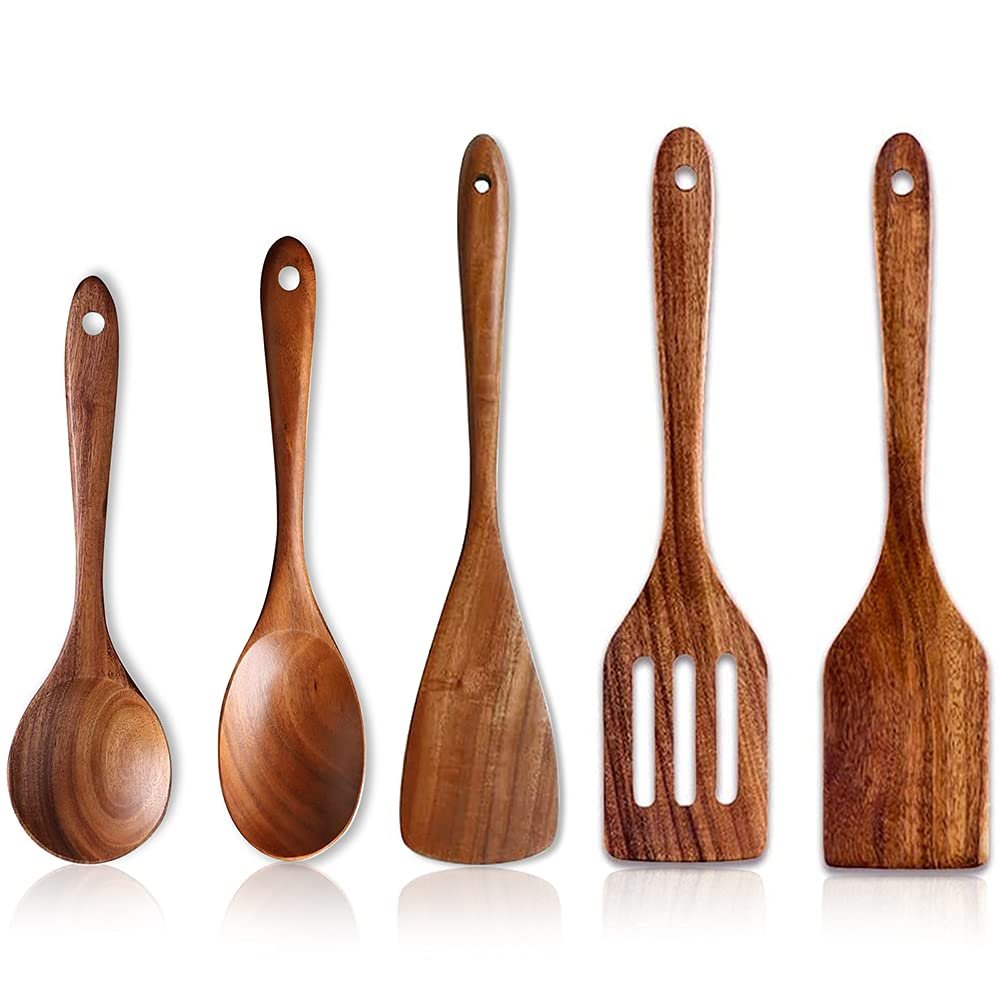
Imagine the smell of a delicious meal cooking in your kitchen. Now picture yourself stirring the pot with a wooden spoon.
It feels warm, natural, and right, doesn’t it? Wooden cooking utensils have been trusted by generations of home cooks and professional chefs alike. But why? Are they truly better than their metal or plastic counterparts? You’ll discover the hidden benefits of wooden utensils that could transform your cooking experience.
We’ll explore how they can enhance your kitchen skills, improve the taste of your dishes, and even contribute to your health. You’ll also learn why these humble kitchen tools might be the secret ingredient to elevating your culinary creations. Ready to unlock the potential of your kitchen? Let’s dive in.

Credit: www.amazon.com
Benefits Of Wooden Cooking Utensils
Wooden cooking utensils offer natural antibacterial properties and are gentle on cookware surfaces. They don’t conduct heat, making them safe to handle during cooking. Plus, their durability and eco-friendly nature make them a popular choice in kitchens.
When you step into the kitchen, the tools you choose can make a big difference in your cooking experience. Wooden cooking utensils often come up in conversations about the best kitchen tools. But what makes them so special? Let’s delve into the benefits of using wooden cooking utensils in your culinary adventures.1. Gentle On Cookware
Wooden utensils are gentle on your pots and pans. Unlike metal, they don’t scratch non-stick surfaces. This means your expensive cookware stays in great shape for longer. Imagine stirring a delicate sauce in your favorite pan without worrying about scratching it.2. Natural Insulator
Ever burned your hand on a metal spoon left in a hot pot? Wooden utensils don’t conduct heat, so they stay cool to the touch. This makes them safer and more comfortable to use. You can confidently leave a wooden spoon in your pot without the fear of a surprise burn.3. Durable And Long-lasting
Wooden utensils are incredibly durable. With proper care, they can last for years. They don’t bend or break easily, even under pressure. This longevity makes them a cost-effective choice for any kitchen.4. Eco-friendly Choice
Wood is a renewable resource, making wooden utensils an eco-friendly option. They are biodegradable and often produced with minimal environmental impact. Choosing wood over plastic helps reduce your carbon footprint.5. Aesthetic Appeal
Wooden utensils add a rustic charm to your kitchen. Their natural look fits well with any decor style, from modern to traditional. Displaying them on your countertop can enhance the overall aesthetic of your cooking space.6. Naturally Antibacterial
Did you know wood has natural antibacterial properties? It’s true! Studies have shown that bacteria are less likely to survive on wooden surfaces compared to plastic. This makes wooden utensils a hygienic choice for food preparation.7. Versatile In Use
Wooden utensils are versatile. From stirring soups to tossing salads, they can handle a variety of tasks. Their sturdiness makes them perfect for mixing thick batters or doughs. What’s your favorite way to use wooden tools in the kitchen? Next time you’re cooking, consider reaching for a wooden spoon or spatula. They offer more than just practicality; they bring a touch of tradition and warmth to your culinary endeavors. How do you feel about switching some of your kitchen tools to wood?:max_bytes(150000):strip_icc()/HeaderWoodenSpoons-9f7b62b656824f77a76a06dd0efd37b9.jpg)
Credit: www.seriouseats.com
Durability And Longevity
Wooden cooking utensils often outlast their counterparts due to their natural resilience. These tools resist wear and tear, ensuring longevity in the kitchen. Their durability makes them a practical choice for everyday culinary tasks.
Wooden cooking utensils have long been a staple in kitchens around the world, admired not only for their aesthetic appeal but also for their durability and longevity. But what makes them stand out in these aspects? Let’s delve into why wooden utensils are often considered a better choice when it comes to lasting kitchen tools.Durability Of Wooden Utensils
Wooden utensils are known for their robust nature. Unlike plastic or metal, wood doesn’t bend or break easily under pressure. This makes it ideal for tasks that require strength, like stirring thick stews or scraping the bottom of a pan. Have you ever had a plastic spatula snap in half when flipping pancakes? Wooden ones won’t leave you in the lurch. They endure the rigors of daily use without showing signs of wear and tear.Longevity: A Worthwhile Investment
Investing in wooden utensils can save you money in the long run. They don’t rust, which is a common issue with metal tools. You won’t have to replace them as often as plastic ones that might crack or melt over time. Imagine having the same sturdy wooden spoon for decades. With proper care, such as regular oiling and avoiding the dishwasher, your wooden utensils can last a lifetime.Maintaining Wooden Utensils
Caring for wooden utensils is simple. Regular washing with mild soap and water keeps them clean. Occasionally, you can treat them with mineral oil to keep the wood in top condition. Do you have a favorite wooden spoon that’s been with you for years? It probably feels like an old friend. The warmth and unique grain patterns of wood only improve with age, making each piece one-of-a-kind.Environmental Impact
Wooden utensils are often more environmentally friendly than their plastic counterparts. They’re biodegradable and often sourced from sustainable resources. Choosing wood over plastic can be a small yet significant step towards a greener kitchen. Consider the impact of your choices. Would you prefer contributing to plastic waste or using a renewable resource? Opting for wood supports eco-friendly practices.Personal Experience: A Tale Of Two Spoons
I once had a plastic spoon that melted during an ambitious cooking session. It was frustrating and messy. My trusty wooden spoon, however, has been by my side for years, enduring all my culinary experiments without complaint. This experience taught me the value of investing in quality kitchen tools. Have you faced similar moments in your cooking adventures? Switching to wooden utensils might just be the solution you need. Wooden cooking utensils offer a blend of durability, longevity, and sustainability. They’re a choice that benefits both your kitchen and the planet. How will your next culinary adventure be shaped by the tools you choose?Impact On Cookware
Wooden cooking utensils have a unique impact on cookware. They offer a gentle touch that is kind to pots and pans. Metal utensils can scratch and damage cookware surfaces. Plastic can melt if left on hot surfaces. Wooden tools are different. They glide smoothly, preserving the integrity of your cookware.
How Wooden Utensils Protect Non-stick Surfaces
Non-stick surfaces require careful handling. Wooden utensils are perfect for them. They prevent scratches, keeping the non-stick layer intact. This protection ensures your cookware lasts longer. Non-stick pans maintain their quality and effectiveness.
Preservation Of Ceramic Cookware
Ceramic cookware benefits from wooden utensils. Metal scrapes can ruin ceramic glazes. Wooden spoons and spatulas avoid this issue. They help maintain the ceramic’s finish and appearance. This makes wooden utensils a smart choice for ceramic lovers.
Impact On Stainless Steel Cookware
Stainless steel is durable but can lose its shine. Wooden tools keep steel gleaming. They avoid leaving marks or scratches. This preserves the cookware’s aesthetic appeal. Stainless steel stays looking new longer.
Wooden Utensils For Cast Iron Cookware
Cast iron needs special care. Wooden utensils are ideal for it. They help maintain seasoning on cast iron surfaces. Metal can strip the seasoning, causing rust. Wooden tools keep cast iron in top condition.
Natural And Eco-friendly
Wooden cooking utensils offer a natural, eco-friendly choice for the kitchen. They are gentle on cookware and free from harmful chemicals. Choosing wood can promote sustainability and reduce plastic waste.
In today’s world, where sustainability is more than just a buzzword, choosing eco-friendly kitchen tools is a meaningful step. Wooden cooking utensils are not just about aesthetics; they offer a natural and environmentally conscious alternative to plastic or metal options. Embracing wooden utensils can be a simple yet impactful choice in your quest for a greener lifestyle.What Makes Wooden Utensils Natural?
Wooden utensils are crafted from natural materials like bamboo, olive wood, and beechwood. These materials are renewable and biodegradable, reducing your carbon footprint. Using wooden tools in your kitchen means you’re opting for something that returns to the earth rather than adding to landfills.Eco-friendly Production Process
The production of wooden utensils involves fewer chemicals compared to plastic ones. This means less pollution and waste, making it a more eco-friendly choice. By selecting wooden over plastic, you’re supporting a cleaner manufacturing process that respects the environment. Wooden utensils are known for their durability. A well-cared-for wooden spoon can last for years, even decades. This longevity reduces the need for frequent replacements, which in turn decreases waste and resource consumption.Reducing Chemical Exposure
Wood is a natural material that doesn’t leach harmful chemicals into your food. Unlike plastic, which can release toxins when heated, wooden utensils offer a safer option for your health. By choosing wood, you’re minimizing exposure to potential contaminants in your meals.Personal Experience: A Shift Towards Nature
Switching to wooden utensils transformed my cooking experience. The feel of wood in hand is warm and inviting, unlike cold metal. Every time I use my wooden spatula, it reminds me of a commitment to sustainability and a connection to nature.Your Role In The Eco-friendly Movement
Have you considered the impact of your kitchen choices on the environment? By opting for wooden utensils, you’re not just making a personal choice but also contributing to a global movement towards sustainability. Every small step counts, and switching to wood is an easy way to make a difference. Choosing wooden cooking utensils is not just a trend; it’s a conscious choice towards a more sustainable future. Are you ready to make that choice?Heat Resistance
Wooden cooking utensils offer excellent heat resistance. Unlike metal or plastic, wood stays cool to the touch. This makes them ideal for stirring hot dishes without burning your hand. The natural fibers in wood do not conduct heat. This provides a safer cooking experience.
Wood’s Natural Insulation
Wood acts as a natural insulator. It keeps heat from transferring to your hand. This feature is crucial during long cooking sessions. Wooden spoons and spatulas remain comfortable to hold.
Preventing Burn Hazards
Metal utensils can get extremely hot. This poses a risk of burns. Plastic utensils may melt or warp. Wooden utensils do not have these issues. They are safe to use in high temperatures. This is why many chefs prefer them.
Durability Under Heat
Wood can withstand high temperatures. Unlike plastic, it won’t melt or deform. It maintains its shape and integrity over time. This makes wooden utensils a durable choice for cooking.
Preserving Food Quality
Wood does not react with food acids. Metal can alter flavors under heat. Wood preserves the natural taste of ingredients. It ensures that your dishes taste the way they should.
Comfort In Cooking
Using wooden utensils feels comfortable. They are lightweight yet sturdy. Heat resistance adds to their ease of use. Cooking becomes a pleasurable experience with wooden tools.
Aesthetic Appeal
Wooden cooking utensils are not just practical. They bring beauty to any kitchen. Their natural look and feel create a warm atmosphere. The unique patterns and colors of wood add character. Many choose wooden utensils for their aesthetic charm.
Natural Look And Feel
Wooden utensils boast a natural charm. The grain patterns in wood are unique. Each piece has its own story. This gives your kitchen an earthy feel. The smooth texture of wood is pleasing to the touch. It’s like bringing a bit of nature indoors.
Versatility In Design
Wooden utensils come in various designs. You can find them in different shapes and sizes. Some are simple and rustic. Others feature intricate carvings. This variety allows you to match them with your kitchen decor. They can complement both modern and traditional styles.
Color Variety
Wooden utensils offer a range of colors. From light beech to dark walnut, options abound. These colors can match or contrast with your kitchen. This variety adds depth and interest to your kitchen space. They can be a subtle or bold statement piece.
Timeless Appeal
Wood never goes out of style. Wooden utensils have a timeless appeal. They blend well with changing trends. This makes them a lasting choice for your kitchen. Their classic look ensures they remain in style for years.
Eco-friendly Choice
Wooden utensils are an eco-friendly option. They are made from renewable resources. Choosing wood supports sustainable practices. This adds another layer of appeal. You get beauty and sustainability in one product.
Maintenance And Care
Wooden cooking utensils often prove more durable and gentle on cookware. They resist heat, preventing burns, unlike metal. Regular oiling keeps them smooth and long-lasting.
Maintaining and caring for wooden cooking utensils is not just about keeping them looking good. It’s essential for their longevity and performance. If you’ve ever had a favorite wooden spoon or spatula, you know the heartbreak of seeing it split or warp over time. Proper care can prevent this and keep your kitchen tools in tip-top shape.Cleaning Wooden Utensils
Clean your wooden utensils right after use. Just wash them with warm water and mild dish soap. Avoid soaking them in water, as this can cause the wood to swell and crack. Using a soft sponge or cloth is best. Harsh scrubbing pads can scratch the wood surface. If you notice any lingering odors, try rubbing the utensil with a cut lemon or a bit of baking soda.Drying Techniques
Always dry wooden utensils immediately after washing. Leaving them wet can lead to warping or mold growth. Use a towel to wipe them dry and then let them air dry completely. Avoid placing them in direct sunlight or near a heat source. Extreme temperatures can cause the wood to crack or split.Oiling And Conditioning
Oiling your wooden utensils keeps them moisturized and prevents them from drying out. Use food-safe oils like mineral oil or coconut oil. Apply a thin layer and let it soak in overnight. This process not only preserves the wood but also enhances its natural beauty. Regular conditioning can make your utensils last for years.Storing Tips
Store your wooden utensils in a dry place. Keep them away from damp kitchen drawers or countertops. Consider hanging them up or using a utensil holder. This prevents moisture buildup and keeps them easily accessible. Proper storage also helps in avoiding accidental damage from other kitchen tools.What To Avoid
Never put wooden utensils in the dishwasher. The high heat and water pressure can ruin them. Similarly, don’t use them on extremely hot surfaces, as they can char or burn. Avoid using them with strong dyes or acidic foods for long periods. These can stain or damage the wood over time. Incorporating these simple maintenance tips into your routine can make a big difference. Have you ever faced issues with your wooden utensils? Share your experiences or tips in the comments below!Comparing Materials
When deciding on cooking utensils, the material can greatly impact your cooking experience. Wooden utensils have been cherished for their natural appeal, but how do they stand against other materials? Each material has its unique properties, advantages, and downsides. Let’s compare wood to plastic, metal, and silicone to see what might work best for your kitchen.
Wood Vs. Plastic
Plastic utensils are often lightweight and colorful, but they lack the durability that wooden utensils offer. Remember the time your plastic spatula melted when left on a hot pan? Wood doesn’t melt, making it safer for high-heat cooking.
Plastic can also retain odors and stains. Have you ever tried scrubbing tomato sauce off a plastic spoon? Wood, on the other hand, is more resistant to staining. Plus, it brings a touch of nature into your kitchen, giving a warm and rustic feel.
Think about the environmental impact. Plastic contributes to pollution, whereas wood is biodegradable. Choosing wood can be a small step towards a more eco-friendly kitchen.
Wood Vs. Metal
Metal utensils are known for their robustness. They can scratch non-stick pans, though. Have you ever ruined a new frying pan with a metal spatula? Wooden utensils are gentle on your cookware, preserving its lifespan.
Metal conducts heat. Imagine grabbing a metal spoon left in a hot pot; it can burn your hand. Wood remains cool to the touch, ensuring safety while cooking.
Metal clanking can be noisy. Wooden utensils offer a quieter cooking experience, allowing you to enjoy the sounds of sizzling and bubbling without the harsh clangs of metal.
Wood Vs. Silicone
Silicone is flexible and heat-resistant, making it a popular choice. But have you noticed how silicone can sometimes feel flimsy? Wood offers a sturdier grip, providing better control while stirring or flipping.
Silicone utensils are easy to clean, but they can hold onto grease. Have you ever felt the slippery residue on a silicone spatula? Wood is less prone to this, keeping things cleaner.
Consider aesthetics. Silicone might look modern, but wood adds a timeless elegance to your kitchen. Its natural finish can complement any decor style.
As you consider your options, ask yourself: Which material aligns with your cooking style and values? Could wood be the right fit for your culinary adventures?
Health Considerations
When choosing cooking utensils, health considerations play a crucial role. Wood stands out as a popular choice. Its natural properties bring several health benefits. Let’s explore why wooden utensils may be a healthier option.
Wooden Utensils Are Naturally Antimicrobial
Wooden utensils have natural antimicrobial properties. Bacteria do not thrive easily on wood surfaces. This reduces the risk of contamination. Wooden utensils can help maintain a safer cooking environment.
No Harmful Chemicals In Wooden Utensils
Wooden utensils do not contain harmful chemicals. Unlike some plastic utensils, wood is free from toxins. This ensures safer food preparation. Using wood can mean fewer health concerns.
Wooden Utensils Are Gentle On Cookware
Wooden utensils are gentle on cookware. They do not scratch pots and pans. This prevents tiny particles from entering food. Thus, wooden utensils can help maintain food safety.
Wooden Utensils Do Not React With Food
Wood does not react with acidic foods. This is unlike some metals. Using wood ensures no unwanted flavors in meals. This keeps the taste and health benefits intact.

Credit: www.tillyliving.com
Frequently Asked Questions
What Are The Disadvantages Of Wooden Kitchen Utensils?
Wooden kitchen utensils absorb odors and stains, leading to potential hygiene issues. They can warp or crack over time. Regular maintenance like oiling is necessary. They might not be dishwasher-safe, increasing cleaning effort. Wooden utensils may also be less durable compared to metal or silicone alternatives, affecting long-term usage.
What Is The Healthiest Material For Cooking Utensils?
Stainless steel and silicone are among the healthiest materials for cooking utensils. They are non-reactive and durable. Bamboo is eco-friendly and safe for non-stick cookware. These materials resist bacteria and are easy to clean. Always ensure utensils are BPA-free and food-grade for safety.
Do Professional Chefs Use Wooden Utensils?
Yes, professional chefs use wooden utensils. They are gentle on cookware and don’t scratch surfaces. Wooden utensils don’t conduct heat, making them safe to use with hot dishes. They are durable and long-lasting if properly maintained. Chefs appreciate their versatility and the natural feel they provide during cooking.
Is It Better To Use Plastic Or Wood Cooking Utensils?
Wood cooking utensils are generally better than plastic. They are durable, eco-friendly, and non-reactive with food. Wood reduces the risk of melting and harmful chemicals compared to plastic. Choose high-quality wooden utensils for a safe and sustainable kitchen experience.
Conclusion
Wooden cooking utensils have their charm. They feel warm and natural. They are gentle on your cookware. They don’t scratch or damage surfaces. Some people love their rustic appeal. Others appreciate their durability. Wooden utensils don’t conduct heat like metal ones.
This keeps handles cool. They’re often preferred for mixing and stirring. Easy to clean and maintain. They don’t rust or corrode. Though they need occasional oiling. For many, wooden utensils are a kitchen favorite. They blend function with tradition. A simple, timeless choice for cooking.
Consider your needs and kitchen style. Choose what suits your cooking best.

Hi, I’m Daniel Brooks—a food lover and kitchen gear enthusiast. I enjoy testing cookware, utensils, and gadgets to see what really works in everyday cooking. At PlugChef.com, I share honest reviews, comparisons, and simple guides to help you choose the best tools for a safer, smarter, and more enjoyable kitchen.
Related posts:
 What Type of Cooking Utensils are Safe: Expert Picks
 What Innovations Could Blenders Make: Unleashing Future Tech
 Smart Strategies to Organize a Small Kitchen: Maximize Space
 How to Organize a Kitchen Cabinet: Expert Tips & Tricks
 How to Organize Kitchen Drawers: Expert Tips and Tricks
 How to Organize a Corner Kitchen Cupboard: Expert Tips

