
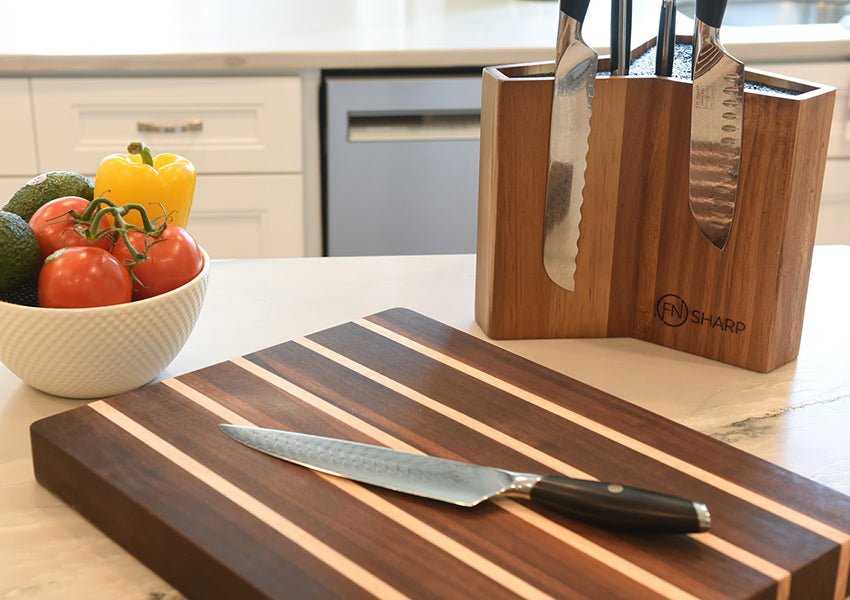
When you’re searching for the perfect cutting board, durability and style are top priorities. Have you ever considered acacia wood?
This unique material isn’t just a pretty face; it’s also a powerhouse in the kitchen. Imagine slicing and dicing with ease on a surface that’s not only resilient but also adds a touch of elegance to your culinary space. But is acacia wood really the right choice for your cutting board needs?
Before you make a decision, there’s essential information you need to know. Dive into this article to uncover the benefits and drawbacks of acacia wood, and discover why it might be the perfect fit for your kitchen adventures.
What Is Acacia Wood
Acacia wood is a popular choice for home items. It is known for its strength and beauty. Many people appreciate its unique grain patterns. This wood comes from the acacia tree, found in warm regions. Acacia trees grow fast, making them a sustainable choice.
Characteristics Of Acacia Wood
Acacia wood is hard and durable. This makes it resistant to scratches and dents. Its natural color varies from light to dark brown. This wood often has a glossy finish, adding to its appeal. Each piece is unique, with different grain patterns.
Environmental Benefits Of Acacia Wood
Acacia trees grow quickly, reducing environmental impact. They can be replanted easily after harvesting. This makes acacia wood a sustainable resource. Choosing acacia wood supports eco-friendly practices.
Uses Of Acacia Wood
Acacia wood is used for many items. It is common in furniture, flooring, and kitchenware. Its durability makes it ideal for cutting boards. Many people choose acacia wood for its beauty and strength.
:max_bytes(150000):strip_icc()/61elvQ6RofL._AC_SL1280_-70685531836c4e40a1ac210231bcf0fe.jpg)
Credit: www.seriouseats.com
Durability And Hardness
Acacia wood stands out for its impressive durability and hardness, making it a popular choice for cutting boards. Its natural strength ensures longevity, offering a reliable surface for kitchen tasks. Many people wonder if acacia wood can withstand regular chopping and slicing. The answer is a resounding yes.
Durability Of Acacia Wood
Acacia wood is known for its exceptional durability. This wood resists wear and tear better than many other types. Its dense structure provides a solid base for cutting tasks, reducing the risk of damage. Even with frequent use, acacia cutting boards maintain their shape and integrity. This makes them an ideal choice for busy kitchens.
Hardness Of Acacia Wood
The hardness of acacia wood is a key factor in its appeal. It offers a firm surface that withstands knife marks and scratches. Many cutting boards show signs of damage over time, but acacia remains resilient. Its hardness ensures minimal maintenance, saving time and effort. This natural toughness provides a stable cutting experience.
Why Choose Acacia For Cutting Boards?
Acacia’s durability and hardness make it a smart choice. It offers a long-lasting solution for food preparation needs. The wood’s inherent properties reduce the likelihood of cracks or warping. This reliability makes it a favorite among chefs and home cooks alike. Its ability to endure makes it a worthwhile investment.
Water Resistance
Water resistance is crucial for cutting boards. A cutting board must handle moisture well. Acacia wood stands out for its water-resistant properties.
Understanding Acacia Wood’s Natural Oils
Acacia wood has natural oils that repel water. These oils prevent the wood from soaking up moisture. This reduces the risk of warping or cracking.
Durability Against Frequent Washing
Frequent washing is common for cutting boards. Acacia wood handles this well. Its water resistance keeps it strong over time. You won’t see much wear and tear with regular use.
Prevention Of Bacterial Growth
Water resistance also helps keep bacteria at bay. Acacia wood’s tight grain structure limits moisture absorption. Less moisture means fewer bacteria can thrive.
Ease Of Maintenance
Maintaining acacia wood is simple. A quick wipe-down usually suffices. Its water-resistant nature keeps it looking fresh longer. It requires minimal oiling to maintain its sheen.

Credit: www.crateandbarrel.com
Maintenance And Care
Acacia wood cutting boards are a popular choice for many kitchens. Their durability and attractive grain make them desirable. Proper maintenance and care are crucial for longevity. These steps can keep your acacia wood cutting board in great shape.
Cleaning Tips
Clean your acacia wood cutting board after each use. Use warm water and a mild detergent. Avoid soaking the board in water. Excess water can cause warping. Gently scrub with a soft sponge. Rinse thoroughly and pat dry with a clean towel. Let the board air dry completely before storing.
Preventing Cracks
Preventing cracks is essential for maintaining acacia wood’s beauty. Regularly oil your cutting board with mineral oil. This helps to keep the wood hydrated. Apply oil using a clean cloth, covering the entire surface. Allow the oil to soak in for several hours. Wipe off any excess oil with a dry cloth. Keep your board away from extreme temperatures. Avoid placing it near heat sources or direct sunlight.
Environmental Impact
Choosing the right wood for a cutting board impacts the planet. Acacia wood is often praised for its sustainability. It’s a fast-growing tree, which means it replenishes quickly. This makes it a popular eco-friendly choice. Let’s explore why acacia wood is considered environmentally friendly.
Renewable Resource
Acacia trees grow rapidly, making them a renewable resource. They can be harvested and replanted easily. This ensures a continuous supply without depleting natural reserves. The quick growth rate reduces deforestation risks. Acacia wood’s renewability makes it a smart choice for eco-conscious consumers.
Low Carbon Footprint
Using acacia wood contributes to a lower carbon footprint. Trees absorb carbon dioxide as they grow. This helps offset emissions. Acacia’s fast growth enhances this benefit. By choosing acacia, you support carbon reduction efforts. It’s a small but significant way to aid the environment.
Sustainable Harvesting Practices
Acacia wood is often harvested using sustainable practices. Responsible forestry ensures minimal environmental disruption. Harvesting methods prioritize ecosystem health. This protects wildlife and maintains biodiversity. Sustainable practices make acacia wood a responsible choice for cutting boards.
Biodegradable Material
Acacia wood is biodegradable. It breaks down naturally without harming the environment. Unlike plastic, it doesn’t contribute to pollution. This makes disposal eco-friendly. Choosing biodegradable materials helps reduce landfill waste. Acacia wood supports a cleaner planet.
Comparing Acacia With Other Woods
Acacia wood offers excellent durability and resistance to water, making it ideal for cutting boards. Its natural hardness prevents knife marks and maintains a smooth surface. Compared to other woods, acacia’s rich color and unique grain pattern add a touch of elegance to any kitchen.
Comparing acacia wood with other woods helps understand its benefits. Each wood type has unique qualities affecting its use in cutting boards. Durability, maintenance, and aesthetics play crucial roles in choosing the best wood. Let’s delve into how acacia stacks up against other popular choices.Maple
Maple is a classic choice for cutting boards. It’s hard and dense, resisting knife marks. This wood is also known for its pale color and smooth texture. Maple has a tighter grain, which prevents bacteria absorption. Many chefs prefer maple for its non-porous surface and durability. Yet, it can be more expensive than acacia.Bamboo
Bamboo is an eco-friendly alternative to traditional woods. It grows quickly, making it a sustainable option. Bamboo boards are light and affordable. They resist knife scarring well due to their hardness. However, bamboo can dull knives faster than acacia. Its light weight might not provide the stability some desire.Teak
Teak is famous for its water-resistant properties. Its natural oils repel moisture, making it durable. Teak cutting boards are often praised for their beautiful grain patterns. They’re heavier than acacia, offering stability during use. The downside is that teak can be costly. Its hardness might also lead to knife blade dulling over time.Pros And Cons
Acacia wood offers durability and resistance to water, making it a sturdy choice for cutting boards. Yet, it may dull knives faster and requires regular oiling to maintain its quality. Balancing these pros and cons helps in deciding if acacia wood fits your kitchen needs.
Choosing the right cutting board can be a culinary dilemma. Acacia wood often pops up in the conversation as a popular option. But is it the best choice for you? Let’s dive into the pros and cons to help you decide if acacia wood fits into your kitchen.Pros Of Acacia Wood Cutting Boards
Acacia wood is incredibly durable. It can withstand heavy chopping and resist scratches better than many other types of wood. This means your cutting board could last for years, even with daily use. The aesthetic appeal of acacia is undeniable. Its rich, dark hues can add a touch of elegance to your kitchen. If you care about style as much as functionality, this might catch your eye. Acacia is also more sustainable compared to other hardwoods. It grows quickly, making it a more eco-friendly choice. You can feel good about reducing your environmental footprint.Cons Of Acacia Wood Cutting Boards
Acacia wood requires maintenance. You need to regularly oil the board to keep it from drying out and cracking. This upkeep might be a hassle if you prefer low-maintenance options. The cost can also be a downside. Acacia cutting boards are often more expensive than their bamboo or plastic counterparts. Budget-conscious shoppers might find this a deal-breaker. Acacia can be heavy. If you frequently move your cutting board around the kitchen, its weight might be inconvenient. Consider if this would affect your everyday cooking routine. Do the pros outweigh the cons for your cooking habits? Consider how these factors align with your kitchen needs. Would you prioritize aesthetics and sustainability over maintenance and cost? Your choice could redefine your culinary experience.
Credit: www.reddit.com
Expert Recommendations
Choosing the right cutting board material can be daunting. Experts often recommend acacia wood for its durability and aesthetics. Acacia wood’s unique qualities make it a top choice for many kitchens.
Durability And Longevity
Acacia wood is incredibly durable. It resists wear and tear from daily use. This wood is less likely to warp or crack. Its dense nature makes it resilient against knife marks. A cutting board made from acacia can last for years.
Natural Antibacterial Properties
Acacia wood has natural antibacterial properties. This helps in maintaining a hygienic cooking environment. The wood’s dense texture limits bacterial growth. Cleaning is easy and effective, ensuring safety in food preparation.
Eco-friendly Choice
Acacia is a sustainable wood source. It grows quickly and replenishes naturally. Choosing acacia supports eco-friendly practices. This makes it a responsible choice for environmentally-conscious households.
Aesthetic Appeal
Acacia wood boasts a beautiful grain pattern. Its rich color adds warmth to any kitchen. The natural look enhances kitchen decor. Many people appreciate its elegant appearance. A cutting board made of acacia can be a kitchen centerpiece.
Affordability
Acacia wood cutting boards are cost-effective. They provide quality at a reasonable price. Many options fit different budgets. This makes acacia accessible for various needs. Investing in acacia wood is both practical and economical.
Frequently Asked Questions
What Are The Disadvantages Of Acacia Wood Cutting Board?
Acacia wood cutting boards can be prone to scratches and dents. They may require regular oiling to maintain their quality. The wood can warp if exposed to excessive moisture. Acacia boards can be heavier compared to other materials, making handling less convenient for some users.
Is Bamboo Or Acacia Better For Cutting Boards?
Bamboo cutting boards are lightweight and eco-friendly, but acacia boards are more durable and resistant to scratches. Choose bamboo for sustainability and acacia for longevity. Consider your priorities in terms of maintenance and environmental impact when selecting the best option for your kitchen needs.
Why Are Acacia Cutting Boards So Cheap?
Acacia cutting boards are affordable because acacia wood is abundant and fast-growing. This reduces production costs. Its durability and natural resistance to water make it a popular choice, further driving down prices due to high demand and availability.
Can I Use Acacia Wood As A Cutting Board?
Yes, acacia wood is suitable for cutting boards. It’s durable, resistant to water, and has antibacterial properties. Its beautiful grain pattern adds aesthetic appeal while being safe for food preparation. Regular maintenance with oil keeps it in good condition. Choose acacia for a reliable, stylish cutting board option.
Conclusion
Acacia wood makes a great choice for cutting boards. It’s durable and looks nice. The wood resists water, which prevents cracks. Easy to clean, it stays smooth. Acacia’s natural oils help fight bacteria. It’s also eco-friendly, coming from sustainable sources.
The board handles chopping well without dulling knives. Its unique patterns add charm to your kitchen. Acacia wood offers both beauty and function. Choosing it brings style and practicality to your kitchen tasks. Consider it for a reliable kitchen tool.
Your cooking experience will likely improve with this choice.

Hi, I’m Daniel Brooks—a food lover and kitchen gear enthusiast. I enjoy testing cookware, utensils, and gadgets to see what really works in everyday cooking. At PlugChef.com, I share honest reviews, comparisons, and simple guides to help you choose the best tools for a safer, smarter, and more enjoyable kitchen.
Related posts:
 What Type of Cooking Utensils are Safe: Expert Picks
 What Innovations Could Blenders Make: Unleashing Future Tech
 Smart Strategies to Organize a Small Kitchen: Maximize Space
 How to Organize a Kitchen Cabinet: Expert Tips & Tricks
 How to Organize Kitchen Drawers: Expert Tips and Tricks
 How to Organize a Corner Kitchen Cupboard: Expert Tips

