Outdoor kitchens have become one of the most popular home upgrades in recent years, transforming patios and backyards into functional spaces for cooking, entertaining, and relaxing. But unlike indoor kitchens, outdoor setups are constantly exposed to the elements, grease, food splatter, and temperature fluctuations, which can lead to rust, mold, and premature wear if neglected. Consistent, simple maintenance is the single most effective way to avoid costly repairs, keep your space safe for food prep, and ensure your grill and cart stay spotless for every cookout. This guide covers actionable, step-by-step tips for every part of your outdoor kitchen, from post-cook grill care to seasonal protection for carts and surfaces, all aligned with official food safety recommendations for outdoor cooking from the USDA.
Why Consistent Outdoor Kitchen Maintenance Matters
Skipping routine upkeep doesn’t just leave your space looking messy – it can lead to expensive, preventable damage. Grease buildup in grill burners is a leading cause of outdoor kitchen fires, while unsealed granite countertops and untreated wood surfaces absorb stains and moisture that cause cracking and rot over time. In practice, homeowners who stick to a simple weekly cleaning routine spend 2–3 times less on part replacements and professional cleaning services than those who only deep clean once a year. Regular maintenance also extends the lifespan of your outdoor kitchen by 5 or more years, protecting the significant investment you’ve made in your outdoor living space.
Daily & Post-Cook Grill Maintenance
Your grill is the heart of your outdoor kitchen, so consistent care is non-negotiable to keep it performing well and free of grime. Follow this simple 3-step routine after every cook to avoid stubborn buildup:
Step 1: Post-Cook Grate Cleaning
Clean grill grates while they are still warm (150–200°F, not hot enough to cause burns) for the easiest, most effective results. Use a wire brush for porcelain-enameled or stainless steel grates, and a nylon or brass brush for cast iron to avoid scratching. For stuck-on charred food and grease, use a sturdy scraper to lift residue before brushing. A common mistake many grill owners make is scraping cold grates, which pushes grease and debris into burner ports, causing clogs and uneven heating. After brushing, wipe grates with a damp cloth dipped in mild dish soap to remove any remaining grease.
 Multi-functional grill brush for removing grease and stuck-on food residue
 Stainless steel scrapers for reaching tight grill crevices and removing tough buildup
Step 2: Burner & Interior Care
Perform a quick burner check monthly to avoid performance issues. Turn off the gas supply, remove grates and flavorizer bars, then use a soft wire brush or paperclip to clear debris from burner ports. Check gas lines for leaks by brushing a soapy water mixture along the line – if bubbles form, turn off the gas immediately and contact a professional for repairs, as leaks pose a serious fire risk. Empty the grease drip tray after every 2–3 uses to prevent flammable grease buildup, and wipe down the interior of the grill lid with a damp cloth to remove smoke residue.
 Full-feature outdoor kitchen island with grill, sink, and granite workspace
Step 3: Quarterly Deep Grill Cleaning
Every 3 months, or before long-term storage, disassemble your grill for a full deep clean. Remove grates, burners, flavorizer bars, and the drip tray, then soak all parts in warm soapy water (1 tbsp mild dish soap per gallon of water) for 30 minutes to loosen grime. Scrub with a nylon brush, rinse thoroughly with clean water, and dry completely with a microfiber cloth before reassembling to prevent rust. For charcoal grills, remove ash from the ash catcher after every use, and deep clean the interior bowl monthly to avoid rust and unpleasant smoke flavors.
Cart & Hard Surface Maintenance
Your outdoor kitchen cart and hard surfaces (countertops, sinks, access doors) take just as much abuse as your grill, and need regular care to stay spotless and functional. Follow these targeted tips for each material type:
Stainless Steel Cart Care
Stainless steel carts are popular for their durability and sleek look, but they are prone to water spots, fingerprints, and surface rust if not cared for properly. Wipe down cart surfaces with a damp cloth and mild dish soap after each use to remove grease and food splatters. Avoid abrasive cleaners like steel wool, bleach, or citrus-based products, which scratch the finish and void most manufacturer warranties. For hard water spots and minor rust, use stainless steel cleaning best practices formulated for kitchen surfaces, polishing with the grain of the metal to avoid swirl marks. Check caster wheels monthly, lubricate with silicone spray if they stick, and tighten loose bolts to prevent wobbling during use.
 Stainless steel rolling grill cart with foldable top and enclosed storage
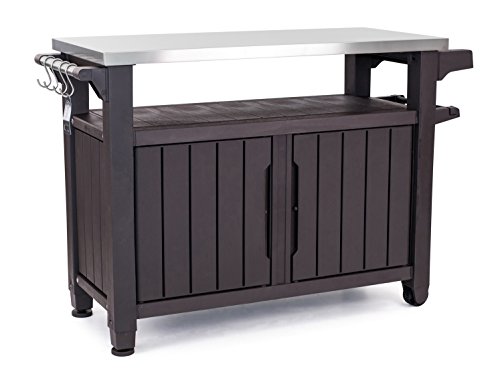 Multi-use rolling outdoor cart for food prep, serving, and storage
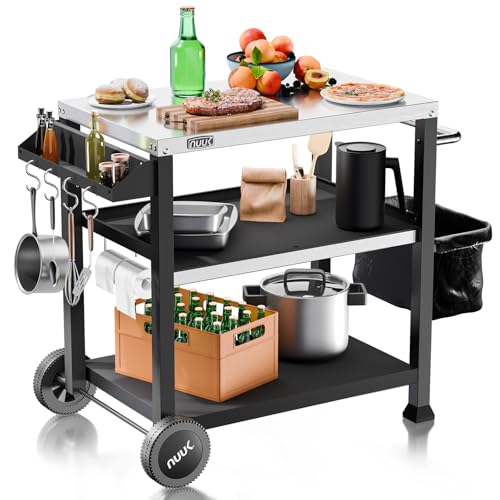 3-shelf stainless steel top grill cart for organized tool and ingredient storage
Teak & Wood Furniture Care
Teak is a popular choice for outdoor kitchen furniture and cart accents because of its natural rot resistance, but it will gray and crack over time without proper care. Clean teak surfaces annually with a teak-specific cleaner to remove embedded dirt, mildew, and weathered gray patina. Apply a teak sealant or oil every 6–12 months, depending on your climate (more frequent applications are needed in sunny, coastal areas with high UV exposure). For other wood cart components, apply a thin coat of food-safe mineral oil monthly to prevent drying and warping. A common mistake owners make is using a pressure washer on teak, which strips the wood’s natural oils and causes splintering.
 Bayes High Performance Teak Cleaner & Restorer formulated for outdoor teak surfaces
For step-by-step guidance on cleaning and preserving teak surfaces, follow teak surface care guidance designed for high-use wood kitchen items. To keep wooden cart components from drying and cracking, apply a thin coat of food-safe mineral oil monthly, using the same wood surface maintenance tips recommended for kitchen cutting boards.
Granite & Solid Surface Countertop Care
Granite and solid surface (quartz, corian) countertops are durable, but they require specific care to avoid stains and etching. Wipe up spills immediately, especially acidic substances like wine, citrus juice, and tomato sauce, which can permanently etch granite surfaces. Clean daily with mild dish soap and warm water, and avoid vinegar, lemon, or abrasive scrubbing pads, which damage sealants and finishes. Apply a penetrating granite sealer annually to block stains and moisture absorption: test sealant effectiveness by dropping a few drops of water on the surface – if it beads up, the seal is intact; if it absorbs into the stone, reapply sealer immediately. For quartz or solid surface countertops, use non-abrasive cleaners and avoid placing hot pans directly on the surface to prevent scorch marks.
Outdoor Sink & Plumbing Maintenance
Outdoor sinks are prone to hard water spots, mold, and clogs from food debris and grease, so regular care is essential. Wipe down the sink basin and faucet after each use to prevent water spots and mineral buildup. Run hot water and a small amount of dish soap down the drain after each use to break down grease and prevent clogs. For stainless steel sinks, use stainless steel cleaning best practices formulated for kitchen surfaces to remove hard water stains and maintain shine. Check the sink basin, drain, and surrounding cabinet monthly for mold or mildew, especially in humid climates, and treat with a mold removal solution for damp outdoor surfaces to eliminate it quickly without harsh chemicals. Lubricate faucet handles with plumber’s grease annually to prevent sticking, and clear the P-trap of debris each spring to avoid clogs.
 Portable cleaning kit ideal for quick sink and dish cleanup at outdoor kitchens
 304 stainless steel access doors with ventilation for outdoor kitchen appliance storage
Seasonal & Long-Term Protection Strategies
Proper seasonal care will keep your outdoor kitchen in top condition for years, even in harsh weather. For homeowners in cold climates: winterize your setup each fall by disconnecting gas lines, cleaning all surfaces thoroughly, coating cast iron grates with a thin layer of cooking oil to prevent rust, and covering the grill and cart with a breathable, waterproof cover. Avoid plastic covers, which trap moisture and cause mold growth. Store portable accessories like grill brushes, scrapers, and utensils indoors to prevent weather damage. For year-round use, apply a UV protectant to plastic, wood, and painted surfaces every 3 months to prevent fading and cracking from sun exposure. Ensure covers fit snugly to avoid flapping in wind, which causes premature wear.
 Foldable stainless steel grill cart for easy off-season storage
Common Maintenance Mistakes to Avoid
Even small oversights can lead to big, costly damage to your outdoor kitchen. Avoid these common errors:
- Using wire brushes on cast iron or porcelain-enameled grates: causes scratches and rust; use nylon or brass brushes for these surfaces instead.
- Cleaning hot grill grates with cold water: causes thermal shock, warping metal parts and cracking porcelain finishes.
- Storing grills with the lid closed: traps moisture, leading to mold, rust, and pest infestations; store with the lid open and a small gap between the lid and base for airflow.
- Using harsh chemical cleaners (bleach, oven cleaner, vinegar) on teak, granite, or stainless steel: damages sealants, finishes, and natural wood fibers.
- Ignoring small rust spots: rust spreads quickly on metal outdoor surfaces; sand small spots with fine-grit sandpaper and apply a rust inhibitor immediately to prevent larger damage.
Frequently Asked Questions
How often should I clean my outdoor grill?
Wipe grates and empty the drip tray after every use. Perform a deep clean of grates, burners, and interior every 3 months, or before long-term storage. For charcoal grills, remove ash after every cook to prevent grease fires and maintain airflow.
Can I use a pressure washer on my outdoor kitchen cart?
No. Pressure washers force water into seams, joints, and wood pores, accelerating rust, mold growth, and damage to sealants. Use a garden hose with a gentle spray nozzle and a soft-bristle brush for tough grime instead.
How do I remove rust from my stainless steel grill cart?
For small surface rust spots, make a paste of baking soda and water, rub gently with a soft microfiber cloth in the direction of the metal grain, then rinse and dry thoroughly. For larger rust areas, use a dedicated stainless steel rust remover, then polish with a stainless steel cleaner to restore the original finish.
Do I need to seal my granite outdoor countertops?
Yes. Apply a penetrating granite sealer annually to prevent stains from grease, wine, and food spills. Test sealant effectiveness by dropping a few drops of water on the surface: if it beads up, the seal is intact; if it absorbs into the stone, reapply sealer immediately.
What's the best way to store my outdoor grill for winter?
Disconnect gas lines, clean all parts thoroughly, coat cast iron grates with a thin layer of cooking oil to prevent rust, cover with a breathable, waterproof cover, and store in a sheltered area if possible. Never store a gas grill with the propane tank attached indoors, as this creates a fire hazard.
Conclusion
Keeping your outdoor grill and cart spotless doesn’t require hours of backbreaking work – a 10–15 minute post-cook routine and a monthly 30-minute deep check are all you need to keep your setup in top condition. By following the tips above, you’ll avoid costly repairs, reduce food safety risks, and extend the life of your outdoor kitchen by years, so it’s always ready for impromptu cookouts and family gatherings. For more practical guides to maintaining every part of your home kitchen and outdoor space, browse our full library of expert maintenance resources. If you’re upgrading your setup, our guide to small kitchen appliances built for durability can help you choose equipment that holds up to heavy use with minimal maintenance.

I’m Abby Lu, a passionate home cook who loves simplifying everyday meals. At PlugChef.com, I share product reviews and cooking guides to help you find the best tools for your kitchen.
Related posts:
 Best Food Processor for Home Use: Top Picks for Every Kitchen
 Best Coffee Grinders for Espresso: Precision and Style in Every Grind
 Best Meat Grinders for Raw Dog Food: Top Picks for Efficient Grinding
 Best Electric Tortilla Press: Discover Top Picks for Perfect Tortillas
 Best Mug And Warmer Set: Elevate Your Coffee Experience Effortlessly
 Best Coffee Mug Warmer: Top Picks for Effortless Beverage Heating